For a distinguished and appropriately documented book on the history of the United States, Fifteen thousand dollars ($15,000).

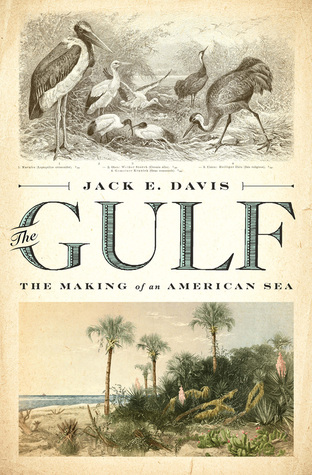
The Gulf: The Making of an American Sea, by Jack E. Davis (Liveright/W.W. Norton)

An important environmental history of the Gulf of Mexico that brings crucial attention to Earth’s 10th-largest body of water, one of the planet’s most diverse and productive marine ecosystems.

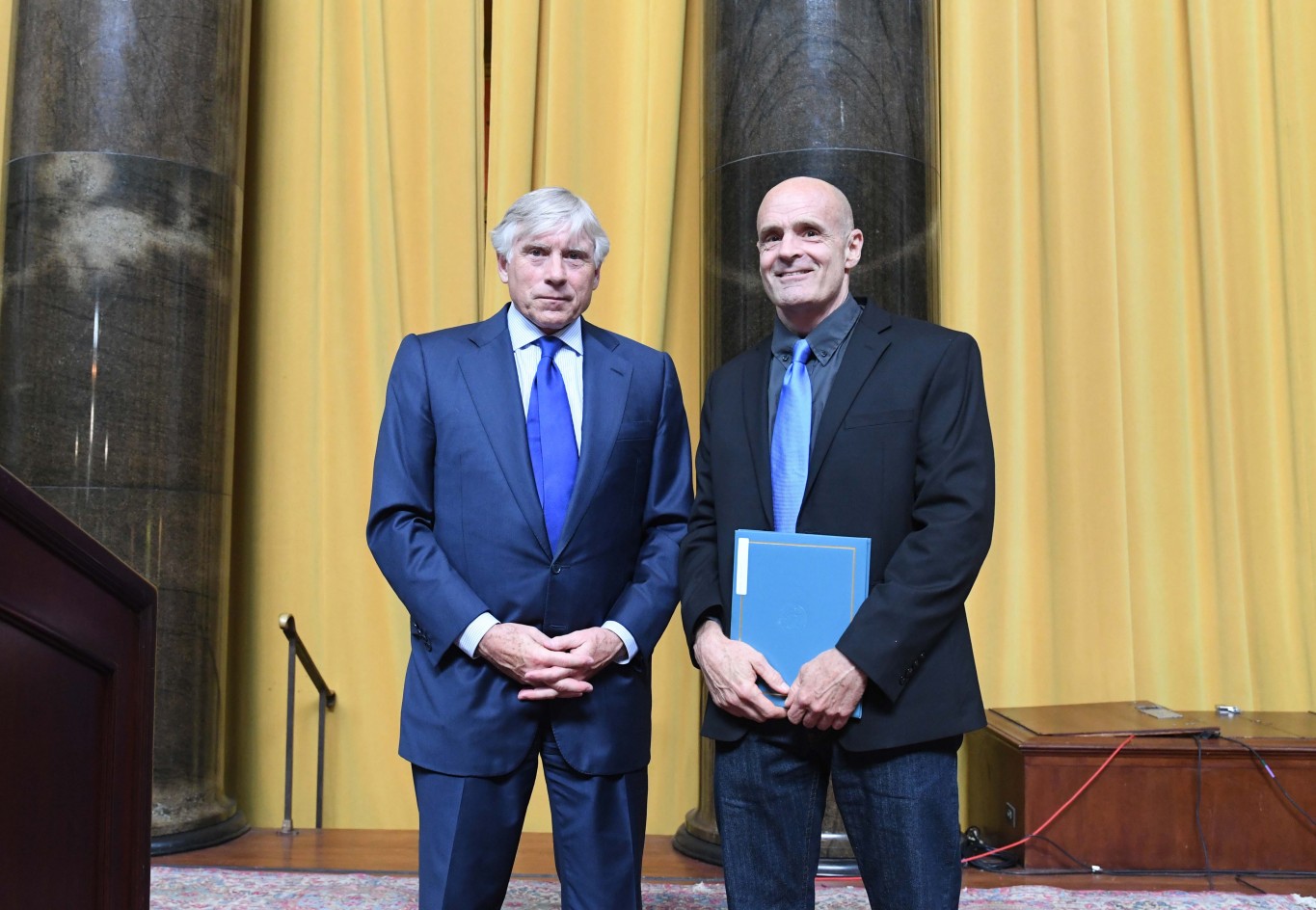
Jack E. Davis accepts the 2018 Pulitzer Prize for History from Columbia University President Lee Bollinger. (Photo: Eileen Barroso/Columbia University)

Winning Work

The Gulf: The Making of an American Sea

Hailed as a "nonfiction epic . . . in the tradition of Jared Diamond’s best-seller 'Collapse,' and Simon Winchester’s 'Atlantic'" (Dallas Morning News), Jack E. Davis’s The Gulf is "by turns informative, lyrical, inspiring and chilling for anyone who cares about the future of 'America’s Sea'" (Wall Street Journal). Illuminating America’s political and economic relationship with the environment from the age of the conquistadors to the present, Davis demonstrates how the Gulf’s fruitful ecosystems and exceptional beauty empowered a growing nation. Filled with vivid, untold stories from the sportfish that launched Gulfside vacationing to Hollywood’s role in the country’s first offshore oil wells, this "vast and welltold story shows how we made the Gulf . . . [into] a 'national sacrifice zone'" (Bill McKibben). The first and only study of its kind, "The Gulf" offers “a unique and illuminating history of the American Southern coast and sea as it should be written” (Edward O. Wilson).

-- from the publisher
Biography

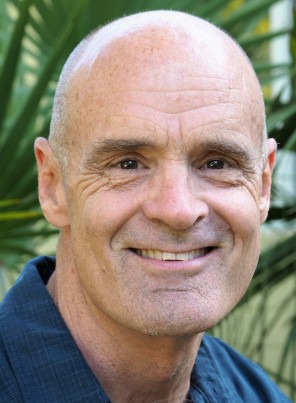
Jack E. Davis is the author of the award-winning "An Everglades Providence: Marjory Stoneman Douglas and the American Environmental Century." A professor of environmental history at the University of Florida, he grew up on the Gulf coast, and now lives in Florida and New Hampshire.

Finalists

Nominated as finalists in History in 2018:

Kim Phillips-Fein

A fine work of historical craftsmanship that revises conventional wisdom about New York’s 1975 fiscal crisis and its aftermath with sensitivity, empathy and clarity.

Steven J. Ross

For a terrifying, revelatory and inspiring masterpiece that probes the flourishing fascism of 1930s America, and the power of popular resistance to combat an alliance of Nazism, the Ku Klux Klan and other homegrown paramilitary groups.

The Jury

Amy Dru Stanley(Chair)

Associate Professor of History

Allyson Hobbs

Associate Professor of History and Director of African & African American Studies

Fredrik Logevall*

Laurence D. Belfer Professor of International Affairs and History

Winners in History

Heather Ann Thompson

For a narrative history that sets high standards for scholarly judgment and tenacity of inquiry in seeking the truth about the 1971 Attica prison riots.

T.J. Stiles

A rich and surprising new telling of the journey of the iconic American soldier whose death turns out not to have been the main point of his life. (Moved by the Board from the Biography category.)

Elizabeth A. Fenn

An engrossing, original narrative showing the Mandans, a Native American tribe in the Dakotas, as a people with a history.

Alan Taylor

A meticulous and insightful account of why runaway slaves in the colonial era were drawn to the British side as potential liberators.

2018 Prize Winners

Staff of The Washington Post

For purposeful and relentless reporting that changed the course of a Senate race in Alabama by revealing a candidate’s alleged past sexual harassment of teenage girls and subsequent efforts to undermine the journalism that exposed it.