For distinguished criticism, using any available journalistic tool, Fifteen thousand dollars ($15,000).

Jerry Saltz of New York Magazine
For a robust body of work that conveyed a canny and often daring perspective on visual art in America, encompassing the personal, the political, the pure and the profane.

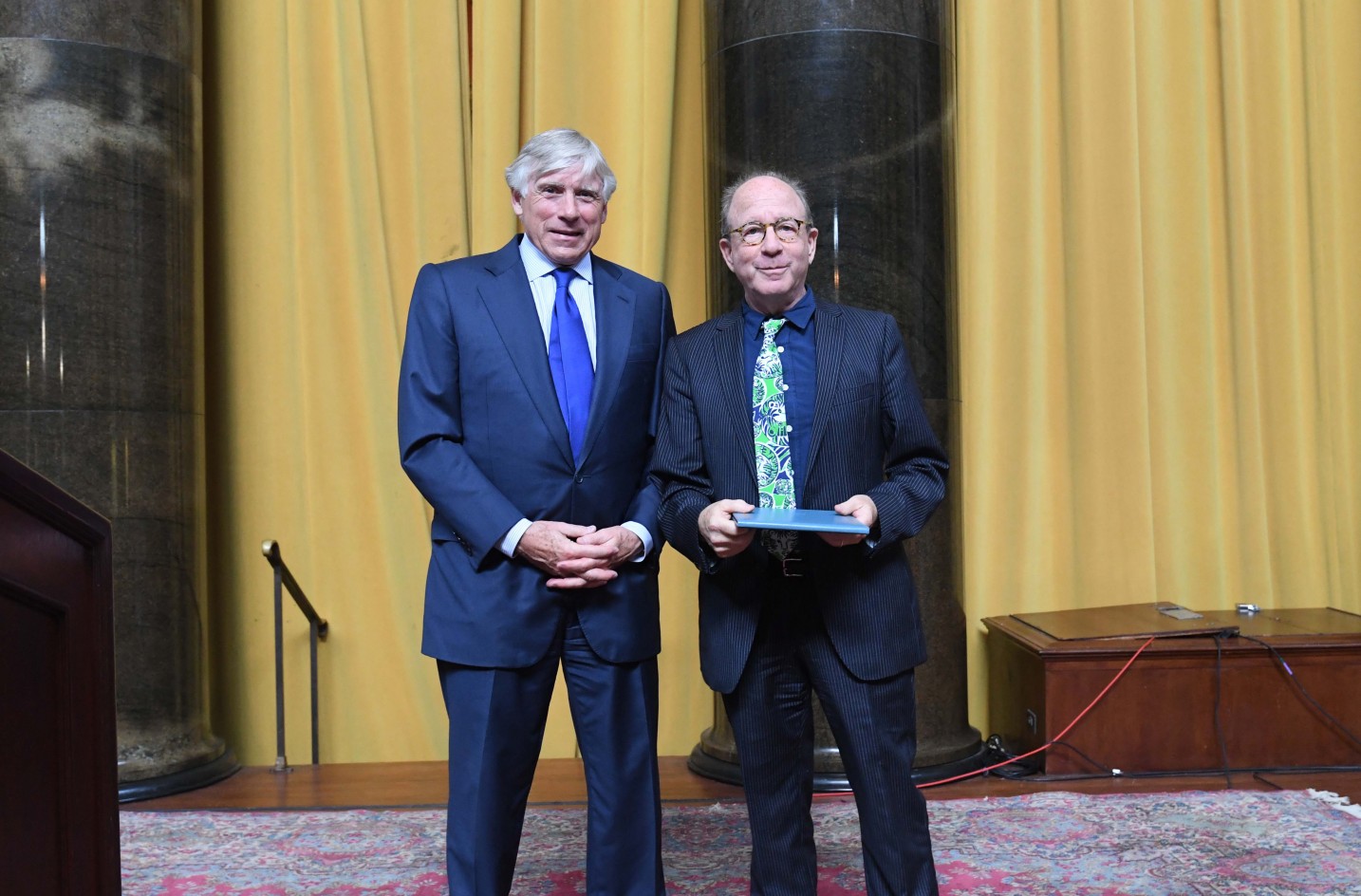
Jerry Saltz accepts the 2018 Pulitzer Prize for Criticism from Columbia University President Lee Bollinger. (Photo: Eileen Barroso/Columbia University)

Winning Work

Biography
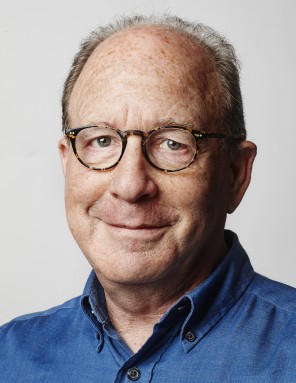
Jerry Saltz is the senior art critic at New York Magazine and its entertainment site Vulture.com, a leading voice in the art world at large, and an innovative user of social media. He joined the magazine’s staff in 2007, and his writing ranges from cover stories to reviews to quick online commentaries. He won a National Magazine Award for Columns & Commentary in 2015, and was a finalist for the same award in 2011.

Saltz was previously the senior art critic at the Village Voice since 1998, where he was twice a finalist for the Pulitzer Prize in criticism (in 2001 and 2006) and was the recipient of the 2007 Frank Jewett Mather Award in Art Criticism from the College Art Association. A frequent guest lecturer at major universities and museums, Saltz was also the sole adviser on the 1995 Whitney Biennial. Saltz has written for Frieze, Modern Painters, Parkett, Art in America, Time Out New York, Flash Art, Arts magazine, and many others. His Village Voice columns were compiled into a book Seeing Out Loud: The Village Voice Art Columns, 1998-2003 (Figures Press). A second volume of his criticism, Seeing Out Louder, was published by Hardpress Editions.

Finalists

Nominated as finalists in Criticism in 2018:

Carlos Lozada of The Washington Post

For criticism that dug deep into the books that have shaped political discourse — engaging seriously with scholarly works, partisan screeds and popular works of history and biography to produce columns and essays that plumbed the cultural and political genealogy of our current national divide.

Manohla Dargis of The New York Times

For writing, both downbeat and uplifting, that demonstrated the critic’s sustained dedication to exposing male dominance in Hollywood and decrying the exploitation of women in the film business.

The Jury

Alana Newhouse(Chair)

Editor-in-Chief

Lorraine Branham

Dean and Professor, S.I. Newhouse School of Public Communications

Michael I. Days

Vice President and Editor for Reader Engagement

Michael Schaffer

Editor

Jay Stowe

former Editor-in-Chief

Winners in Criticism

Hilton Als

For bold and original reviews that strove to put stage dramas within a real-world cultural context, particularly the shifting landscape of gender, sexuality and race.

Emily Nussbaum

For television reviews written with an affection that never blunts the shrewdness of her analysis or the easy authority of her writing.

Mary McNamara

For savvy criticism that uses shrewdness, humor and an insider's view to show how both subtle and seismic shifts in the cultural landscape affect television.

Inga Saffron

For her criticism of architecture that blends expertise, civic passion and sheer readability into arguments that consistently stimulate and surprise.

2018 Prize Winners

Staff of The Washington Post

For purposeful and relentless reporting that changed the course of a Senate race in Alabama by revealing a candidate’s alleged past sexual harassment of teenage girls and subsequent efforts to undermine the journalism that exposed it.