Fiction, Drama and Poetry Winners to Read This Summer
In the first part of an occasional series, revisit Pulitzer-winning classics and discover unheralded gems.
In the first part of an occasional series, revisit Pulitzer-winning classics and discover unheralded gems.
In the coming weeks, the Pulitzers will be speaking with 2019 winners about their work. In this interview with the Prizes, Gander speaks to balancing the emotional and the cerebral, shares how he got his start as a writer and offers guidance to aspiring poets.
A redesigned entry site features a questionnaire about entrants' work, and the ability for Drama and Music entrants to submit materials online.
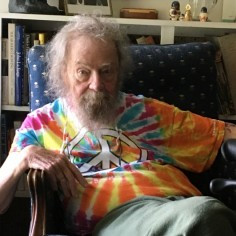
In his decades-long career, the two-time Poetry winner remained committed to world literature, ecology and pacifism.
From a biography of Paul Revere to masterpieces of poetic modernism, revisit these women-authored Pulitzer classics.
From the first African-American Pulitzer winner — Gwendolyn Brooks in 1950 — to more recent winners such as Tyehimba Jess, Lynn Nottage and Colson Whitehead, these writers' creative interpretations of black life are rooted in research and history.
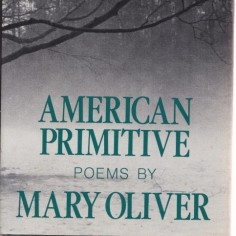
The 1984 Poetry winner "[presented] a new kind of Romanticism that refuses to acknowledge boundaries between nature and the observing self."
The online entry form and payment mechanism closed at the deadline. Hard copies of books that accompany otherwise complete entries will be accepted until October 15.
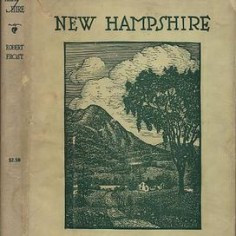
A treasured copy of the 1924 Poetry winner revealed a unique historical artifact.
Rural New Hampshire life redefined the Pulitzer finalist's poetry. His voice rang out for decades, in print and at public readings, inspiring fellow poets and earning a National Medal of the Arts from President Obama.