When the birthday boy skips the party, what’s a writer to do?
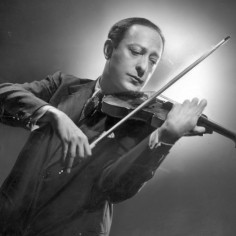
Jascha Heifetz has left the building. Long live Jascha Heifetz.
Jascha Heifetz has left the building. Long live Jascha Heifetz.
Meg Greenfield of The Washington Post eats crow and wins a Pulitzer.
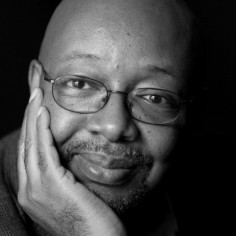
Leonard Pitts Jr. has called himself a writer since age 5 — when he told gripping tales about the adventures of a boy superhero, coincidentally named Leonard, too.
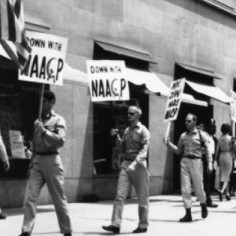
1947 Pulitzer winner Edward Folliard chronicled an American pro-Nazi group, the Columbians, in Atlanta. Following the events in Charlottesville, VA., this is a reminder of the role of the press in covering similar events of 71 years ago.
A snail-mail debate gave three Pulitzer Prize-winning poets time to dig in their heels over who should win the 1967 Poetry Prize. The drama lasted right up till the final curtain.
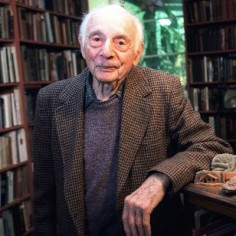
The prize-winning poet was born on this day in 1905. A hundred years later, he was still writing and publishing poetry. Listen to him read some of his work.
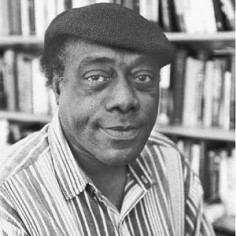
Read the Pulitzer Fiction jury's praise of 'Elbow Room,' the prize-winning book by the late James Alan McPherson.
Over half a century before the age of Snowden, an article from Nat S. Finney's 1948 Prize-winning entry offers a fascinating glimpse into the initial gestation of a permanent 'security blanket modeled after wartime military security.'
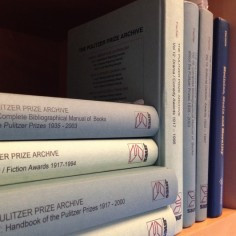
How a professor from Germany became a major chronicler of Pulitzer Prize history and tried to strike a blow for a freer press in Joseph Pulitzer’s native Hungary.
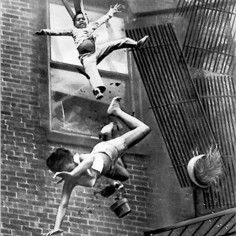
Before Stanley Forman’s first Pulitzer Prize was announced, he’d already taken the picture that won his second.