Finalist: Meridith Kohut, freelance photographer, The New York Times
Nominated Work
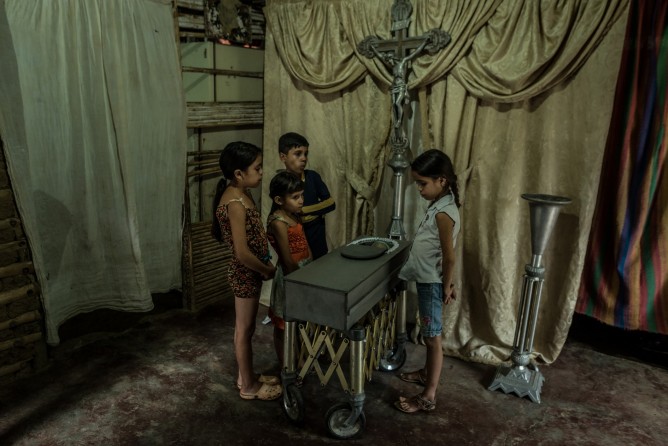
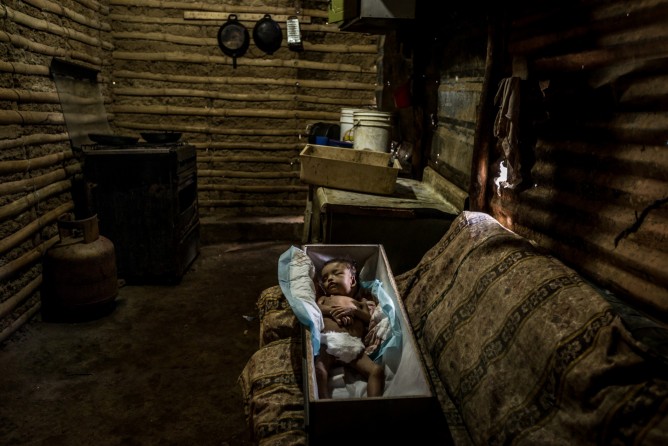
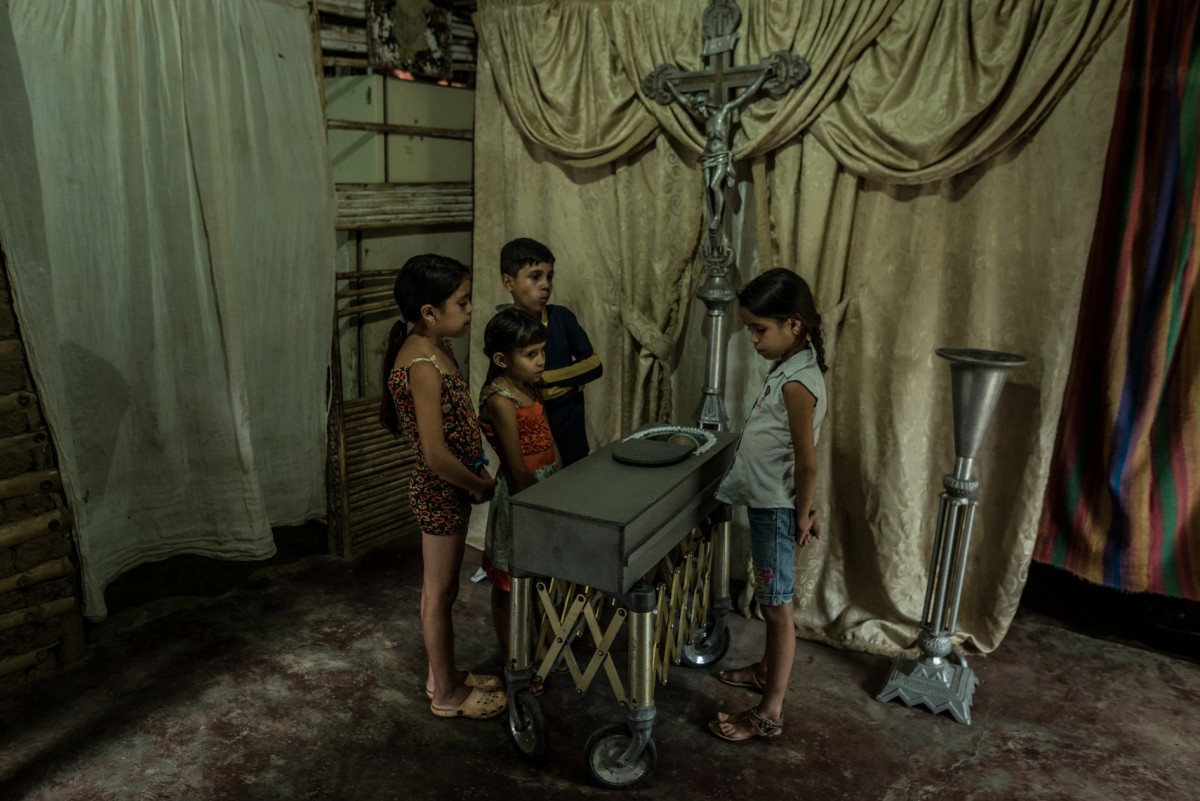
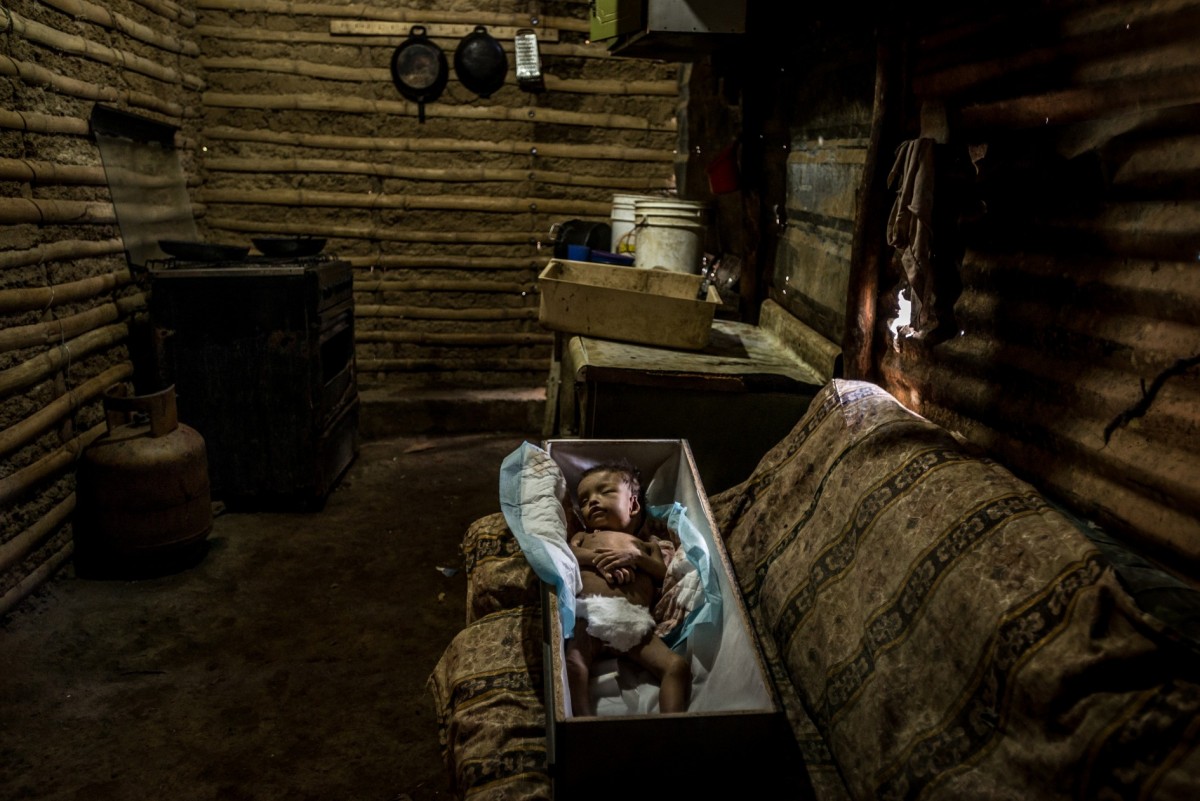
Children stand over the body of their 17-month-old cousin, Kenyerber Aquino Merchan, in San Casimiro, Venezuela, on Aug. 21, 2017. Weighing only 8.8 pounds, Kenyerber died of heart failure caused by severe malnutrition. As Venezuela grapples with an economic crisis, hunger has gripped the nation. Now it's killing children. Over the course of five months, Meridith Kohut, on assignment for The New York Times, interviewed over 200 people and tracked 21 public hospitals to amass the evidence of malnutrition deaths. (December 18, 2017)
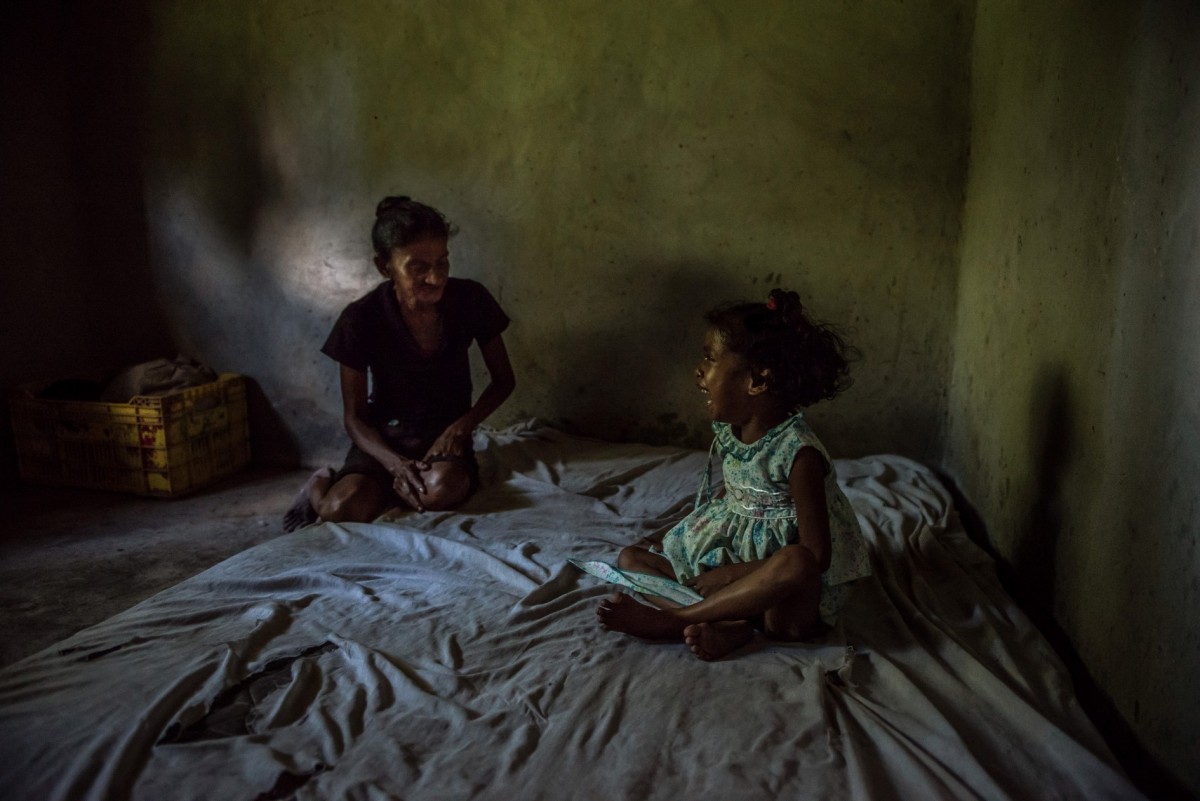
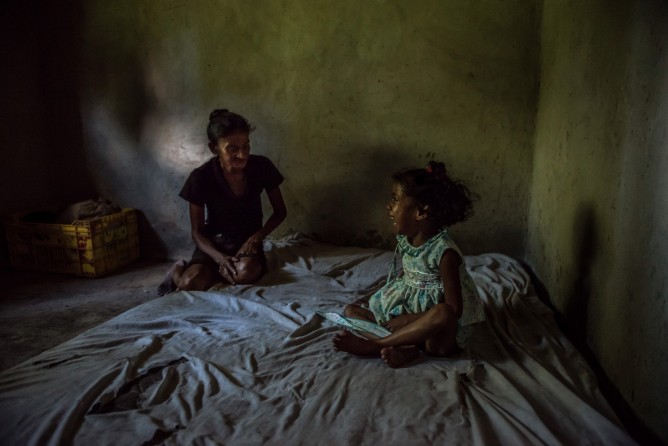
Maria Isabel Guzman, 46, listens as her malnourished 6-year-old granddaughter Marianyerlis cries for food at their family home in an abandoned government housing project in Ocumare del Tuy, Venezuela, on Oct. 11, 2017. Marianyerlis's weight fluctuates between 20 and 29 pounds, depending on how much food she gets. Ms. Guzman has been diagnosed as malnourished as well. (December 18, 2017)
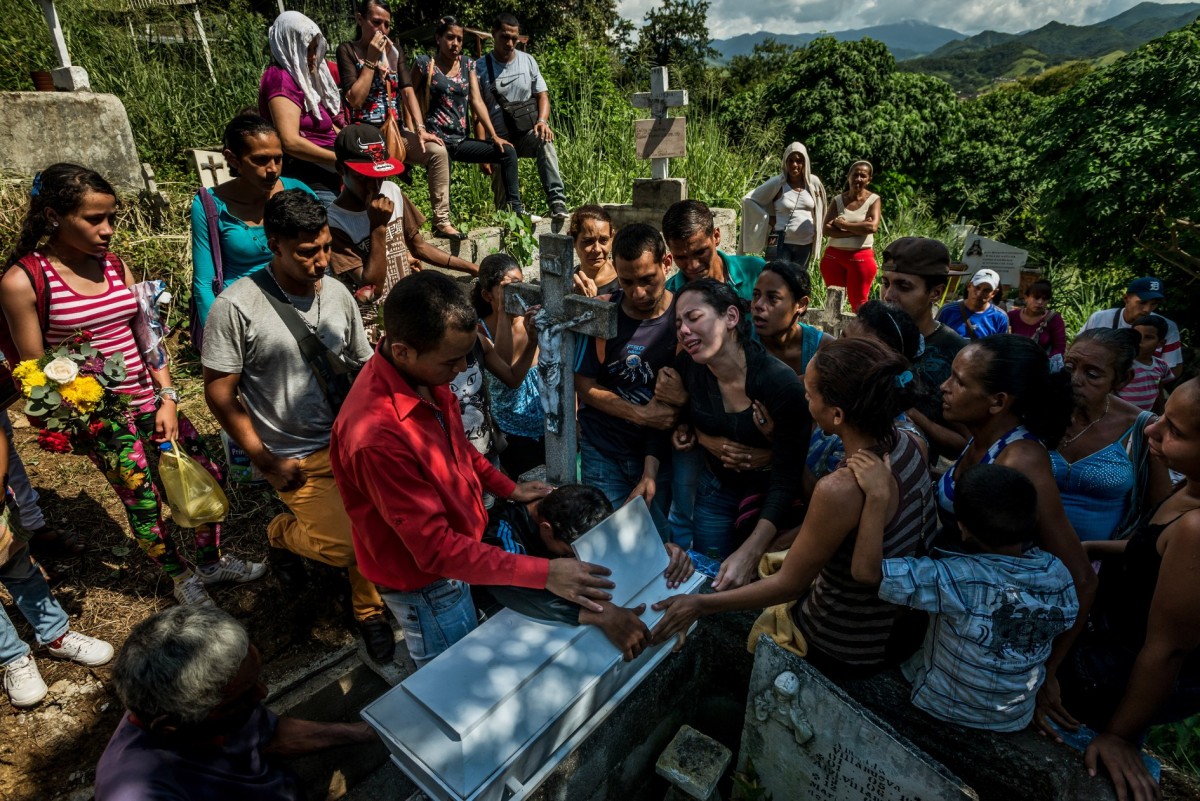
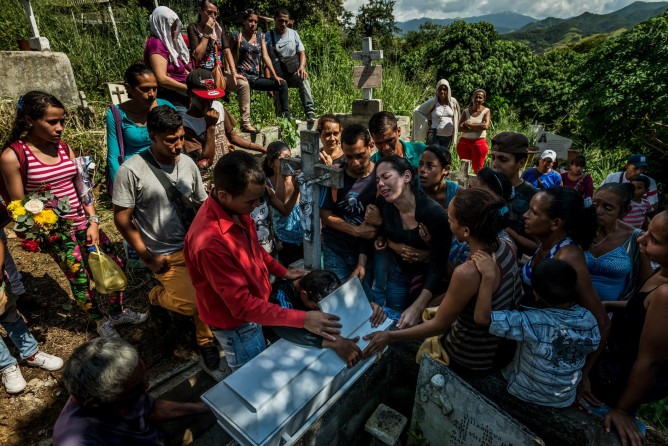
Mourning at the burial of Kleiver Enrique Hernandez, after more than 100 friends and family members attended his wake in Cua, Venezuela, on Aug. 17, 2017. Just three months earlier, his family had colored signs and hung them in the family's home -- to celebrate his birth. Despite searching endlessly, Kleiver's mother and her boyfriend could not get infant formula for him. It was not for lack of trying: In online inventory searches of Locatel, one of the largest pharmacy chains in Venezuela, The Times found that only one of its 64 locations reported having the infant formula doctors had prescribed for Kleiver. It is unlikely that Ms. Hernandez could have afforded it anyway. (December 18, 2017)
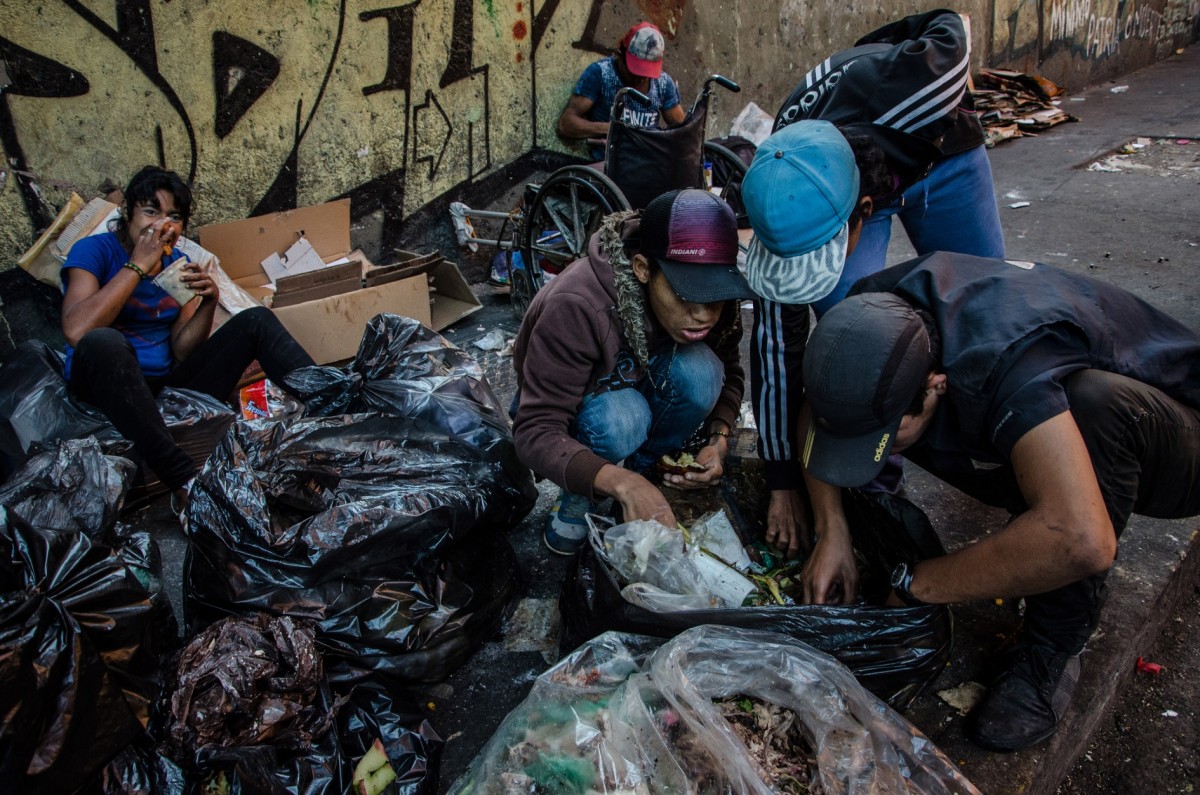
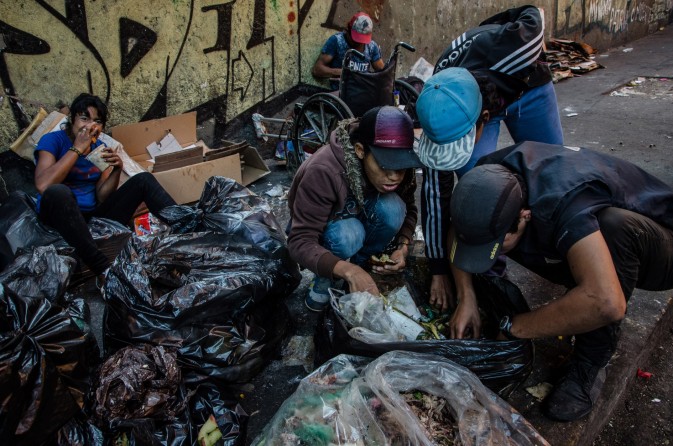
Families scavenging for food scraps from garbage bags in Caracas, Venezuela, on Feb. 10, 2017. A recent report by the United Nations and the Pan American Health Organization found that 1.3 million people who once could feed themselves in Venezuela have had difficulty doing so since the economic crisis began three years ago. (December 17, 2017)
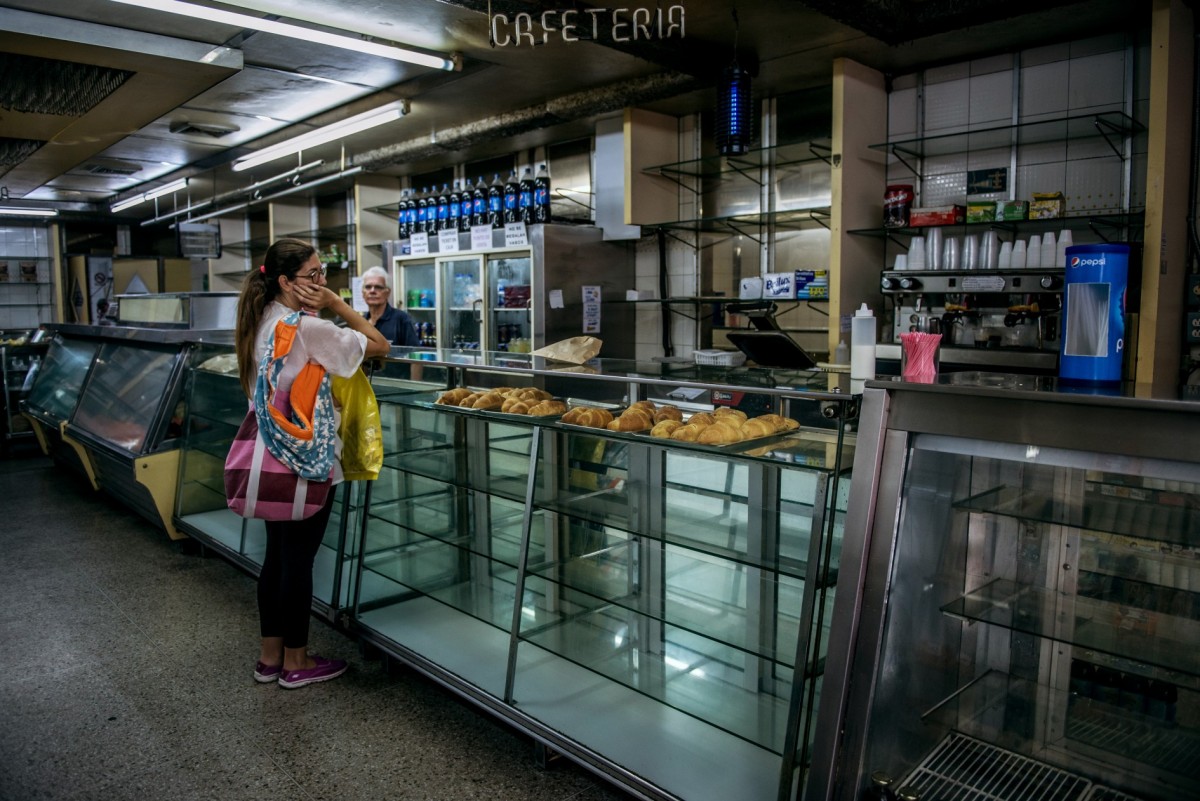
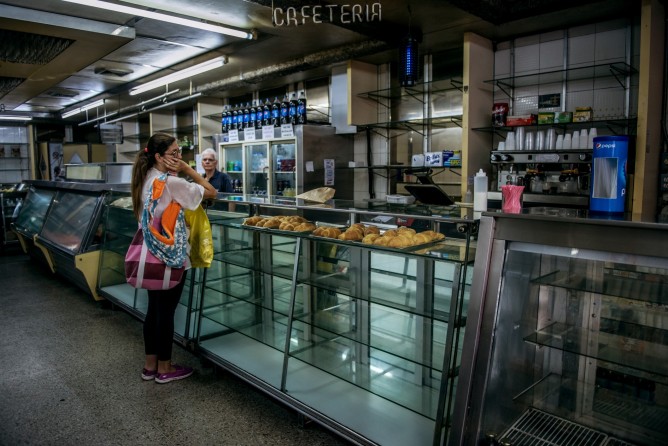
Empty shelves at a bakery in Caracas, Venezuela, on May 9, 2017. The owners could not find flour and other ingredients to bake bread. Food riots since 2016 led the government to order some bakeries that did have food to be guarded by armed security forces. (May 14, 2017)
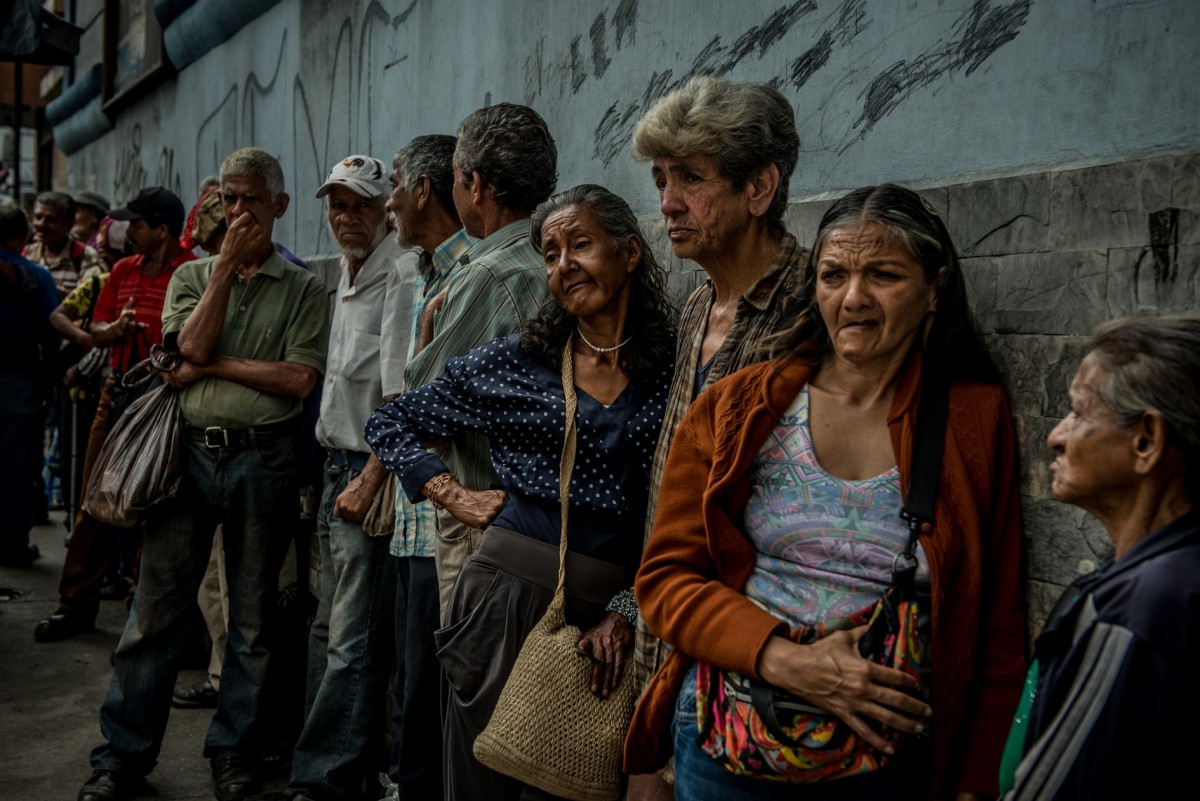
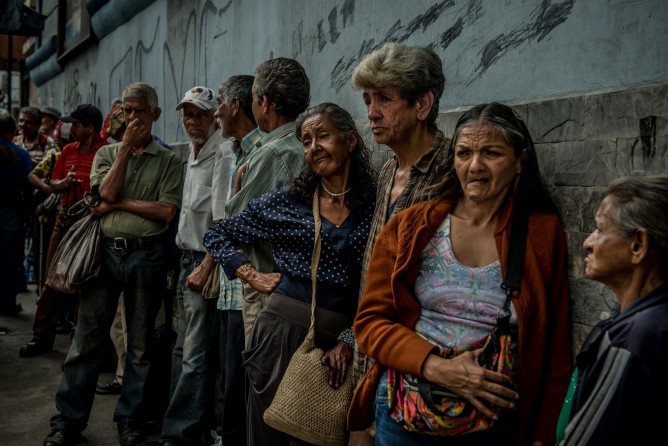
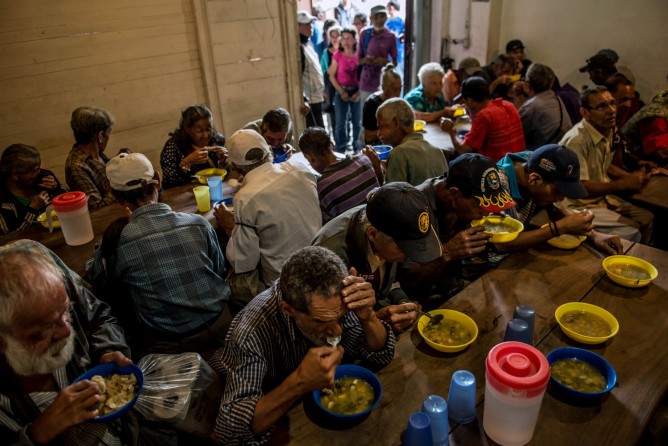
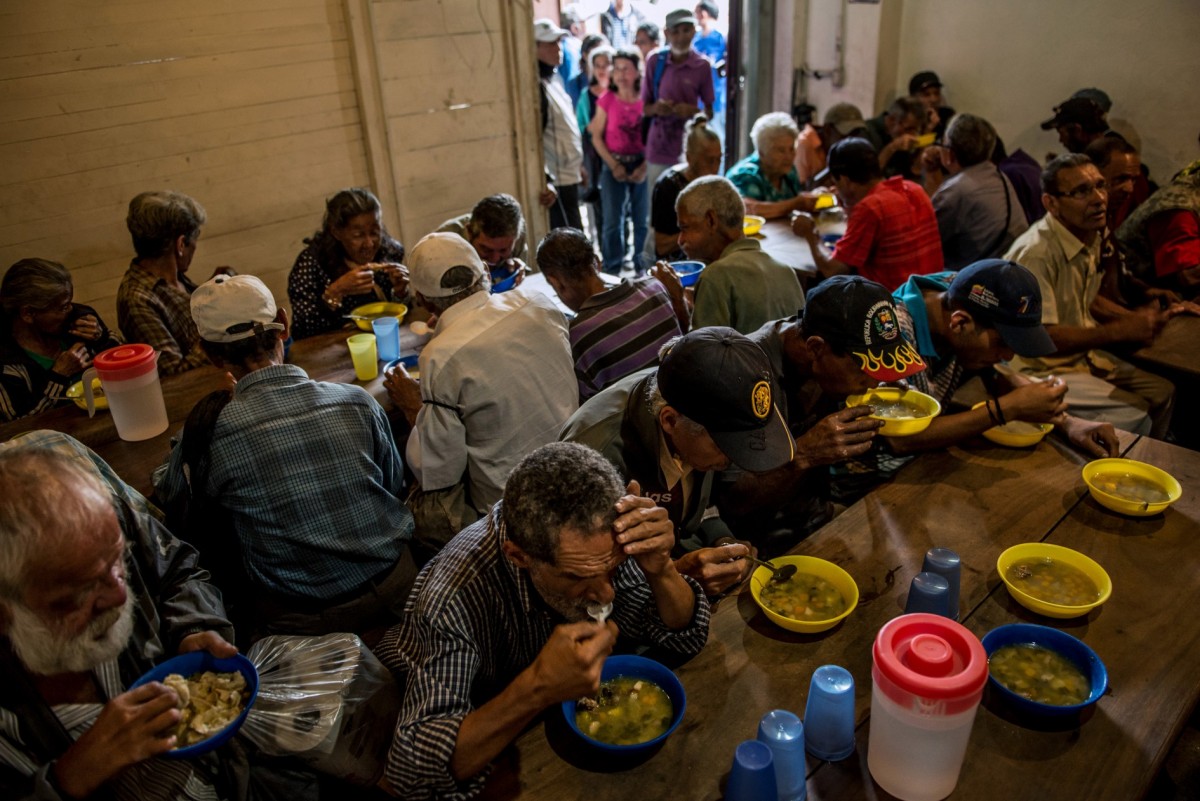
Venezuelans line up at a soup kitchen in Los Teques, Venezuela, on Sept. 22, 2017. The country's turmoil has led many older residents to migrate abroad. Many are following the steps of their children, nieces, nephews and grandchildren. (December 10, 2017)
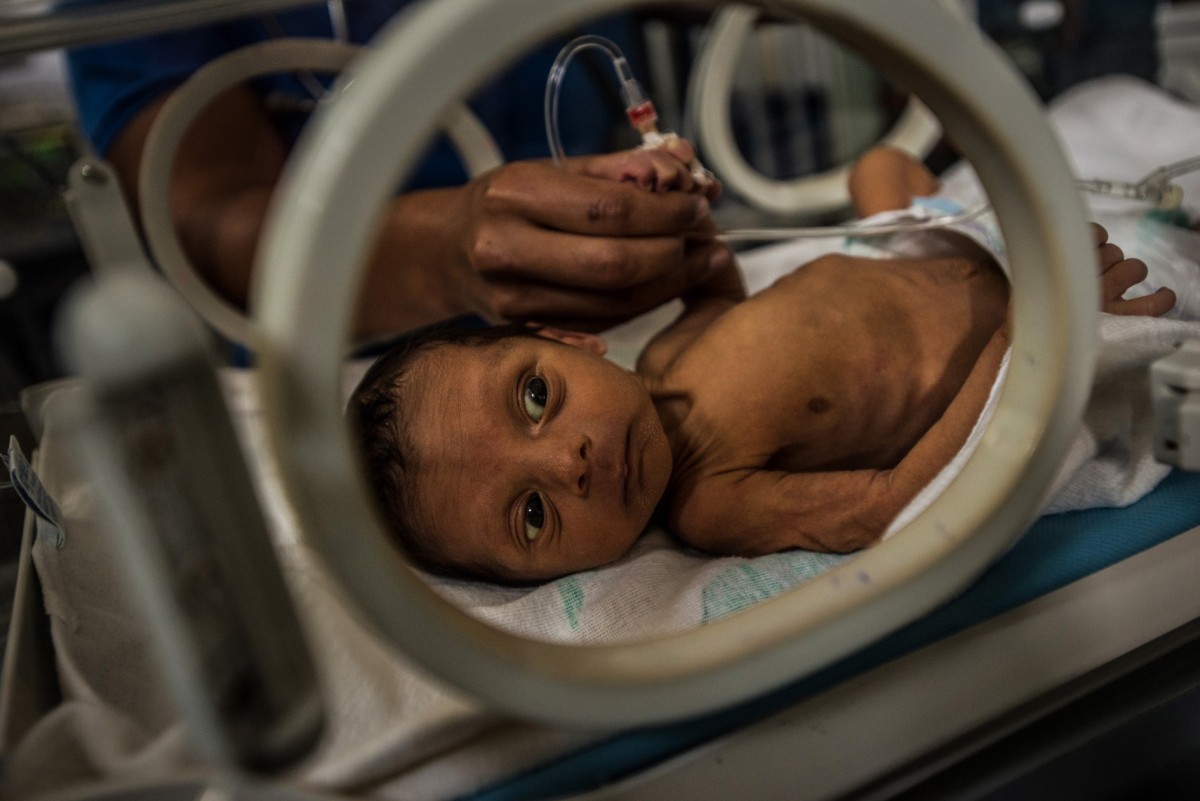
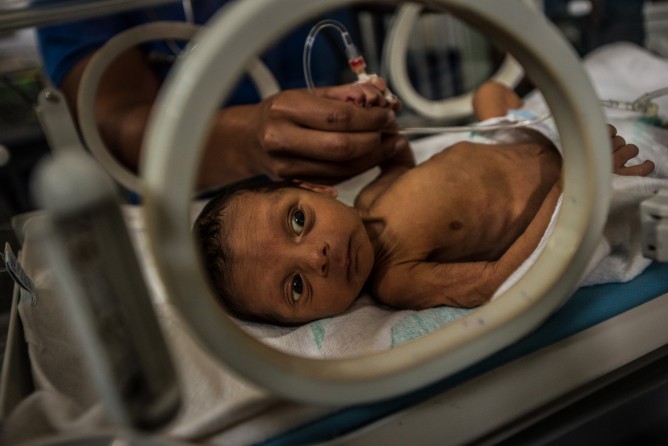
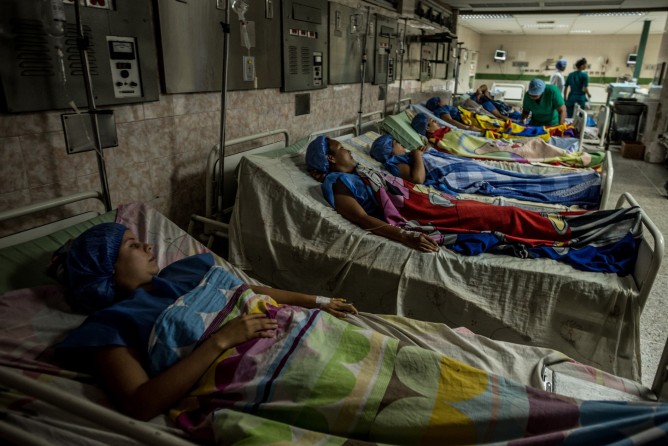
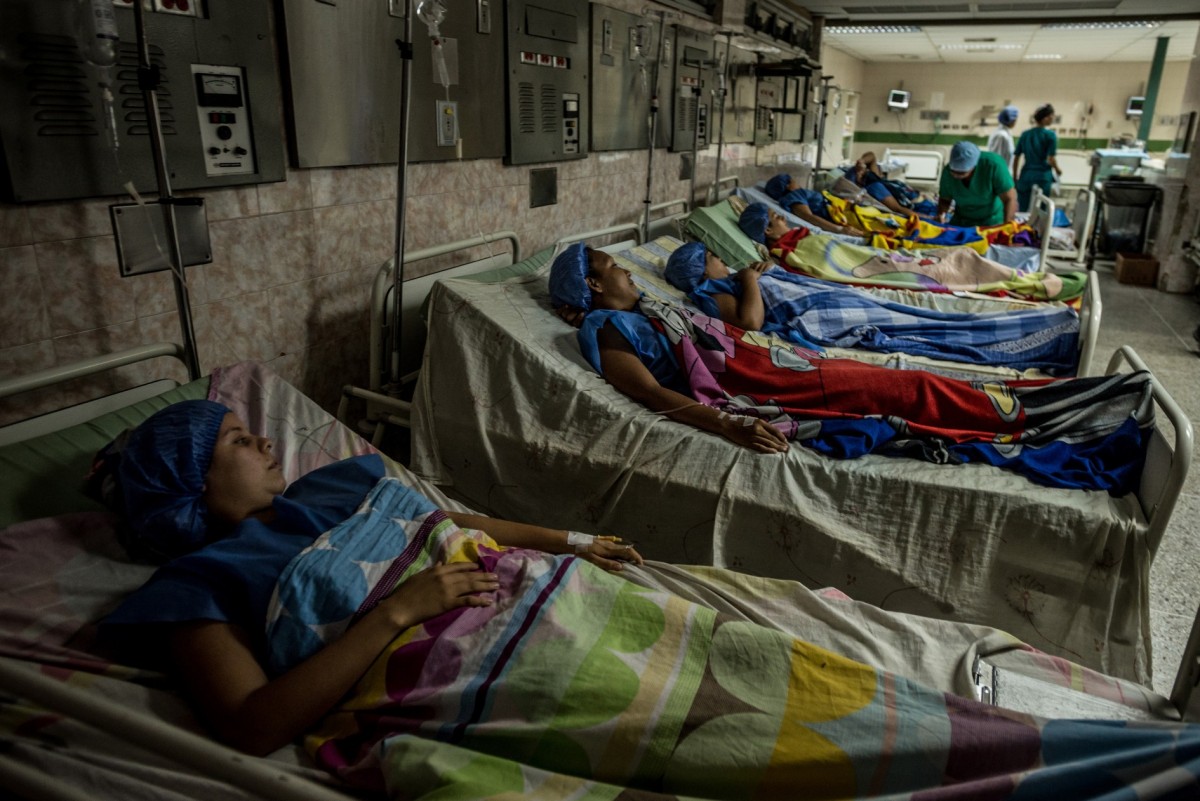
Esteban Granadillo, an 18-day-old baby with severe malnutrition, at Dr. Agustin Zubillaga University Hospital of Pediatrics in Barquisimeto, Venezuela, on Aug. 28, 2017. Weighing 4 pounds and 10 ounces, Esteban was rushed to the emergency room. His mother was single, disabled and unable to breast-feed him. In desperation, relatives had asked a neighbor with a young child to breast-feed. The family also fed him bottles of cow's milk, or chamomile water and anise tea, to fill his stomach. "We could not find formula anywhere," said Maria Peraza, his great-aunt. "Yes, it was bad, but I tell you -- if we had not done it, this baby would have died." Esteban spent weeks in and out of the hospital -- and died on Oct. 8. (December 17, 2017)
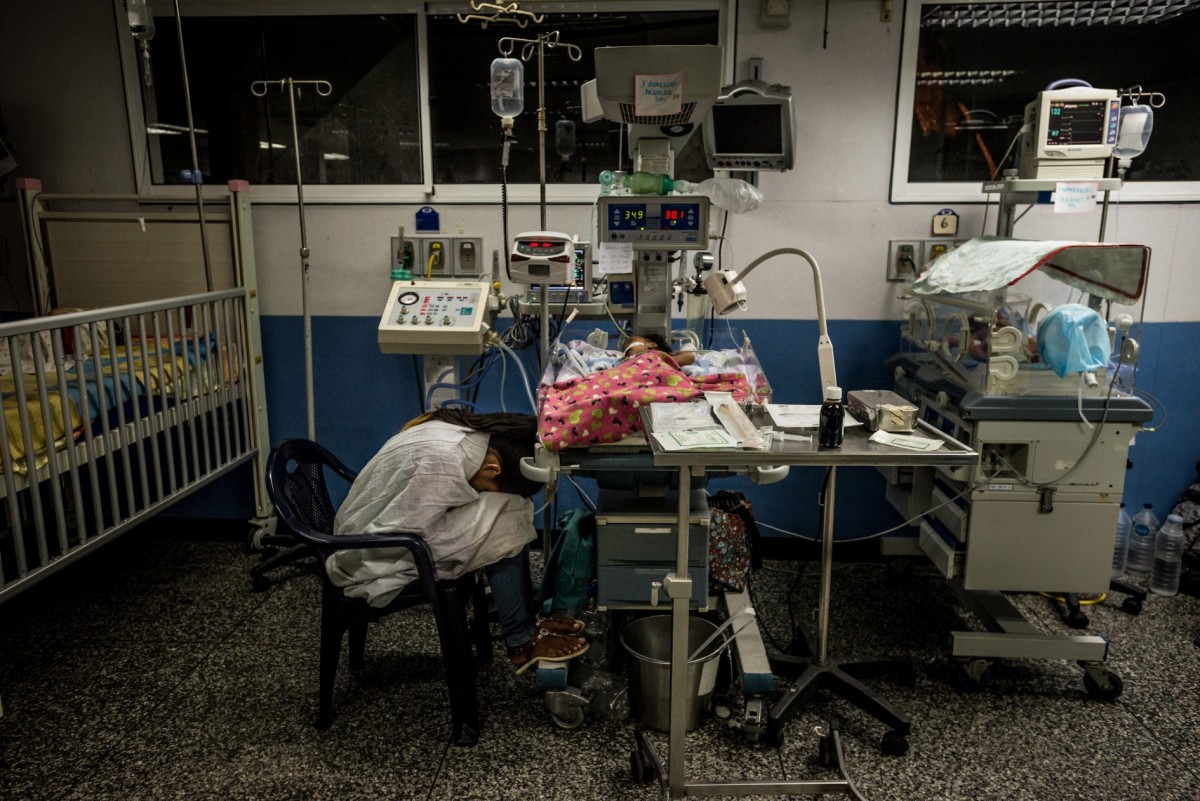
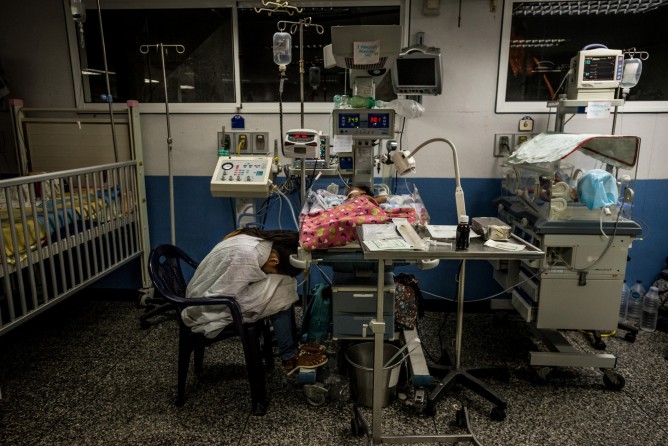
Dayferlin Aguilar, a 5-month-old girl diagnosed with malnutrition and dehydration, is treated at Dr. Agustin Zubillaga University Hospital of Pediatrics on Aug. 29, 2017. Her mother, Albiannys Castillo, had brought in Dayferlin when the girl became very weak, falling in and out of consciousness and suffering uncontrollable diarrhea. Ms. Castillo could not produce breast milk, so she routinely arrived at 1 a.m. to wait in line outside pharmacies until they opened, to search for infant formula. "Your mama is here with you, my daughter -- and I love you," she told Dayferlin when the little girl managed to open her eyes. Dayferlin died three days after being admitted. (December 18, 2017)
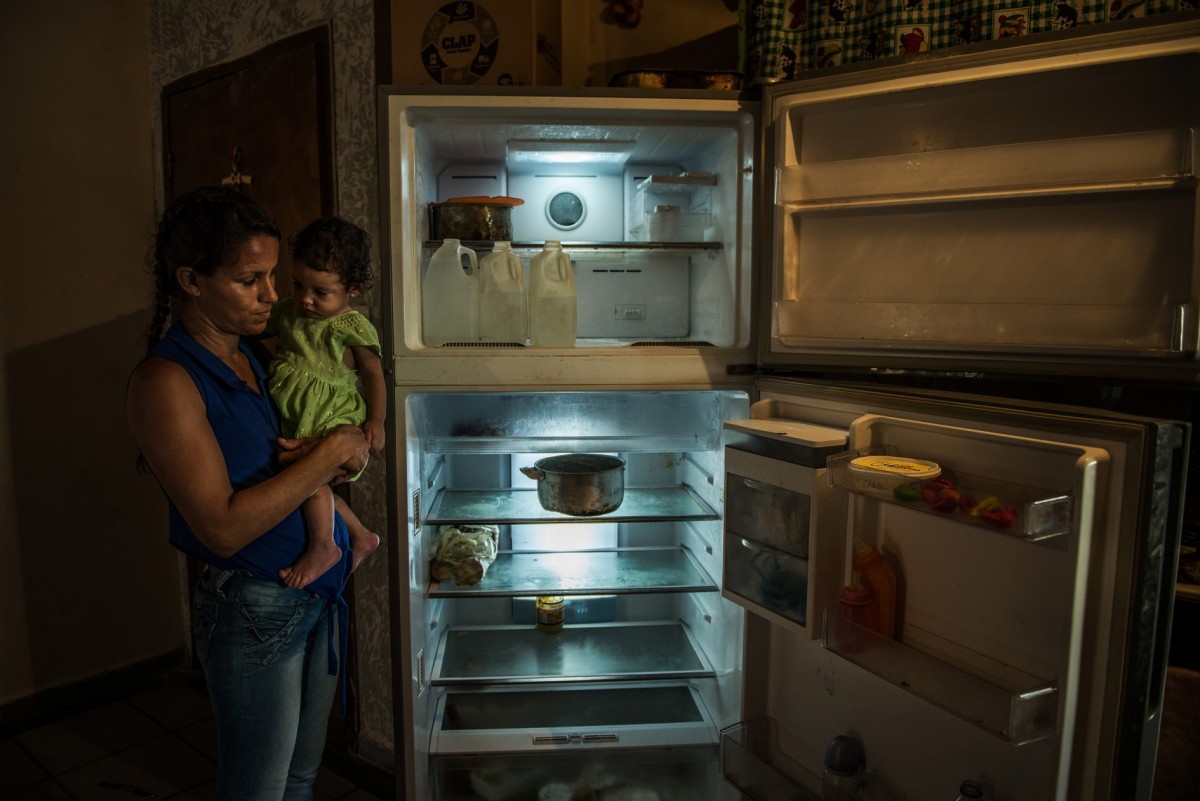
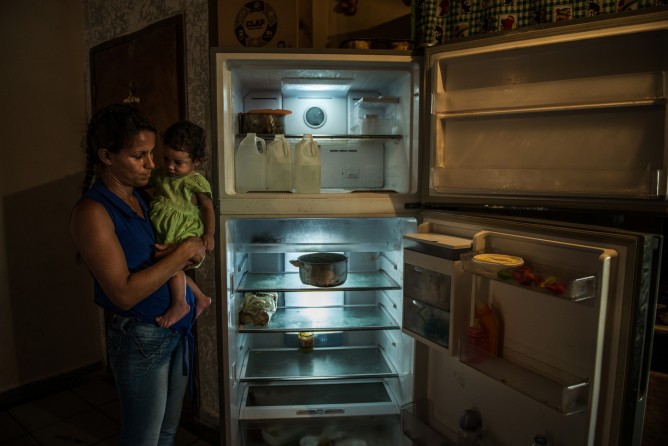
Wuendy Perez, 30, and her youngest daughter pose near their refrigerator in La Guaria, Venezuela, on June 16, 2017. A single mother with five children, Perez said that, on average, each family member goes about two days each week without eating. (August 9, 2017)
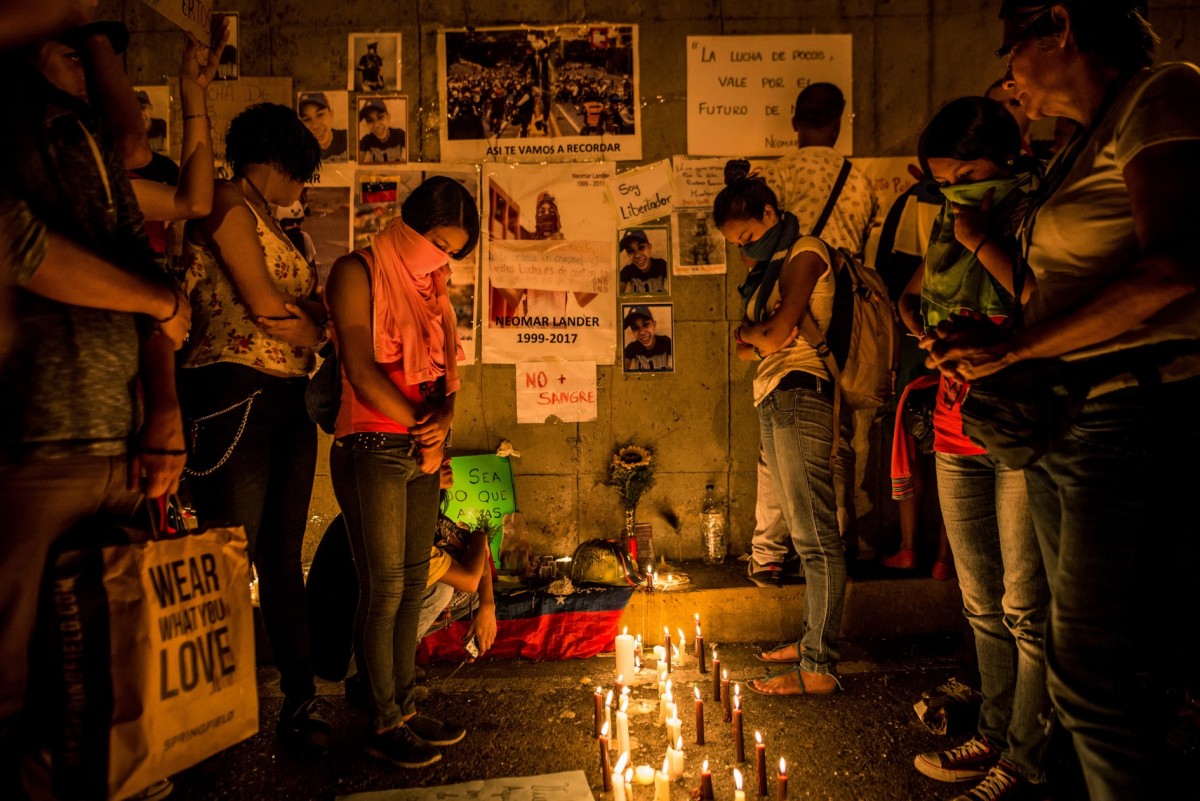
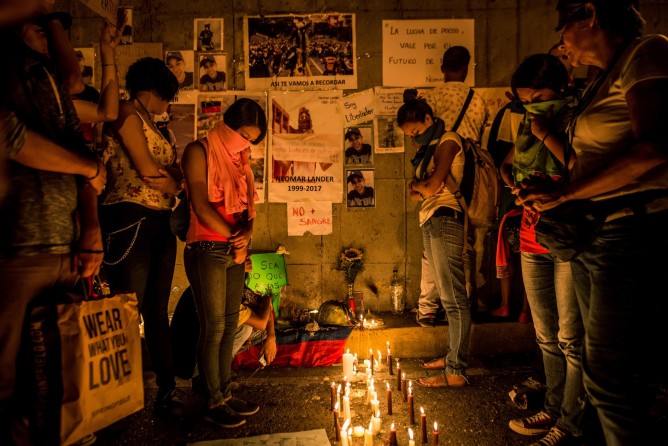
Demonstrators at a memorial near where a protester, Neomar Lander, 17, was killed by security forces, in Caracas, Venezuela, on June 8, 2017. Comrades placed candles around the bloodstained spot where he fell, keeping vigil until late into the night. Nearly every day for more than three months last year, thousands took to the streets to vent fury at President Nicolas Maduro and his increasingly repressive leadership. At the vigil for Mr. Lander, a fellow Resistencia member squatted, his Converse high-tops touching the spot where Mr. Lander was killed, and vowed to stay in the street until the government fell. (July 22, 2017)
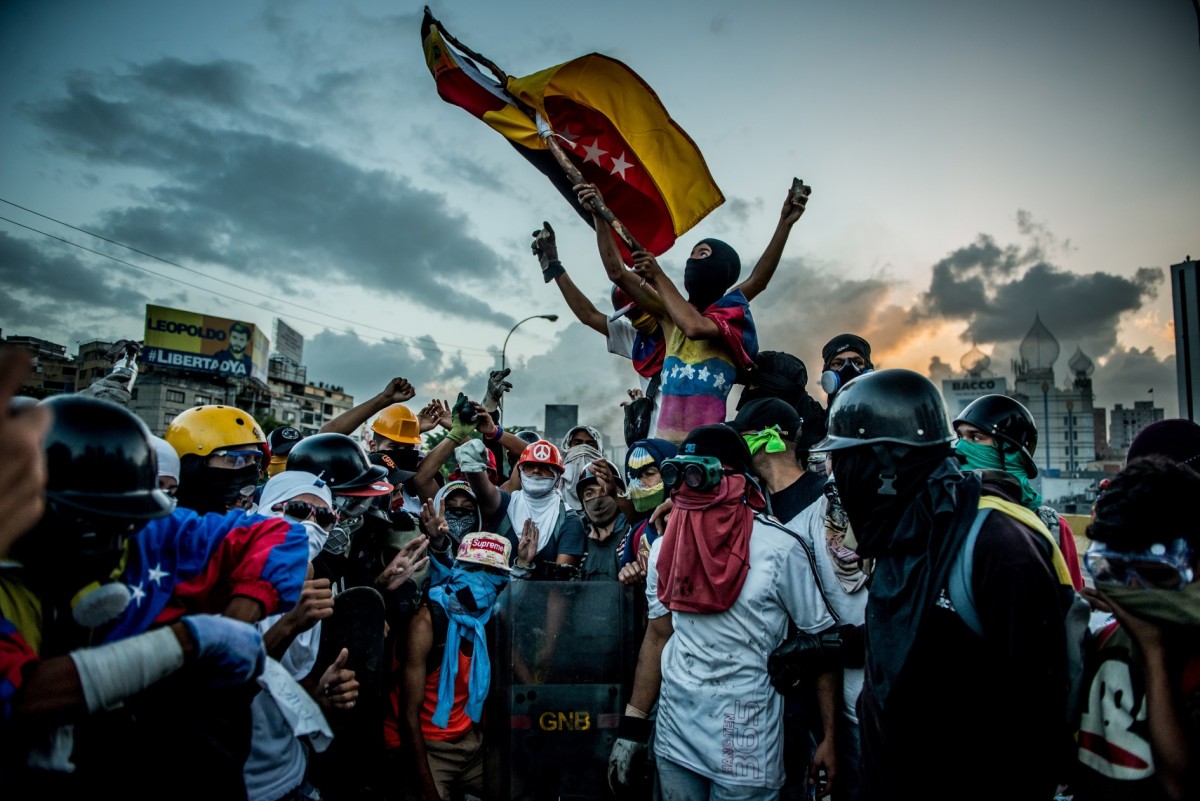
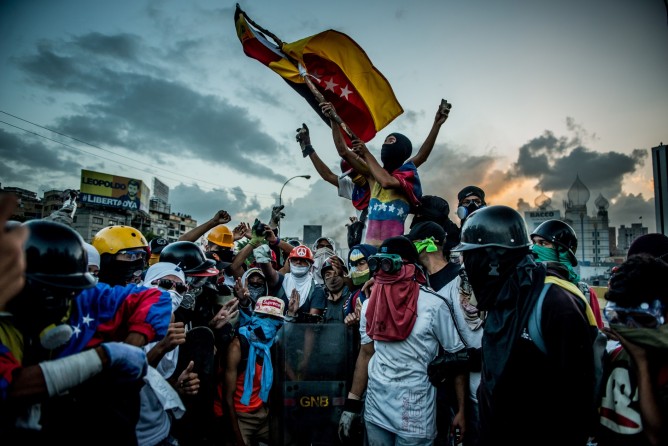
Protesters waved the flag of the Venezuelan state of Tachira on May 26, 2017, after seizing control of the main highway through Caracas, Venezuela. Mr. Maduro's government delayed elections while jailing protesters and political opponents last year. He has since sworn in a new constituent assembly, empowered to rewrite the Constitution, which many Venezuelans have called a blatant power grab and threat to their democracy. (July 23, 2017)
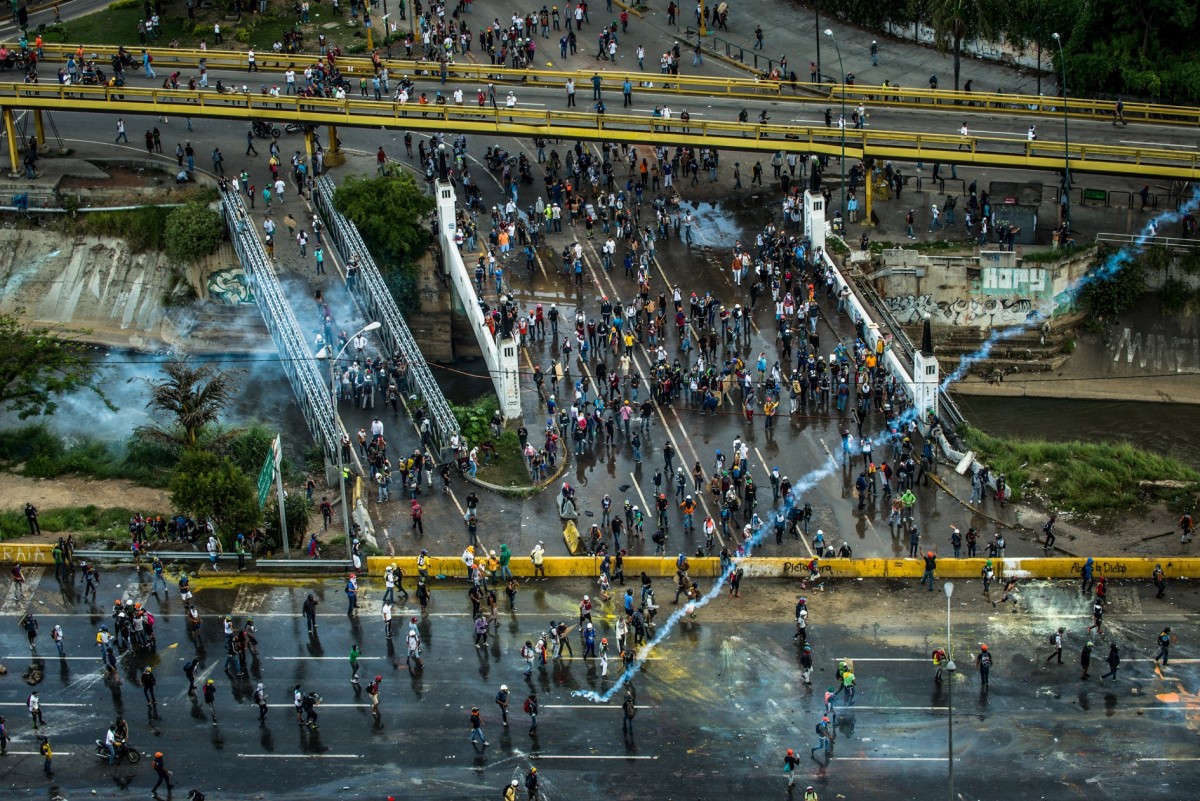
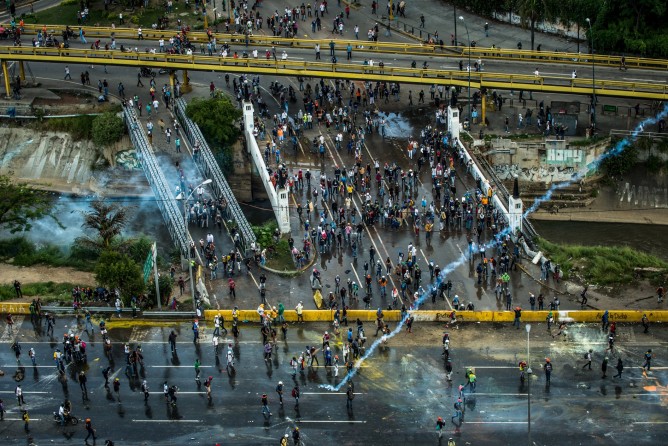
The Francisco Fajardo Highway was overrun with protesters during a demonstration in Caracas, Venezuela, on May 27, 2017. Motley throngs of masked antigovernment protesters hurled rocks, fireworks and Molotov cocktails. The police and soldiers retaliated with tear gas, water cannon blasts, rubber bullets and buckshot. Meridith Kohut took a buckshot blast to the helmet from roughly 15 yards, resulting in a concussion. (July 22, 2017)
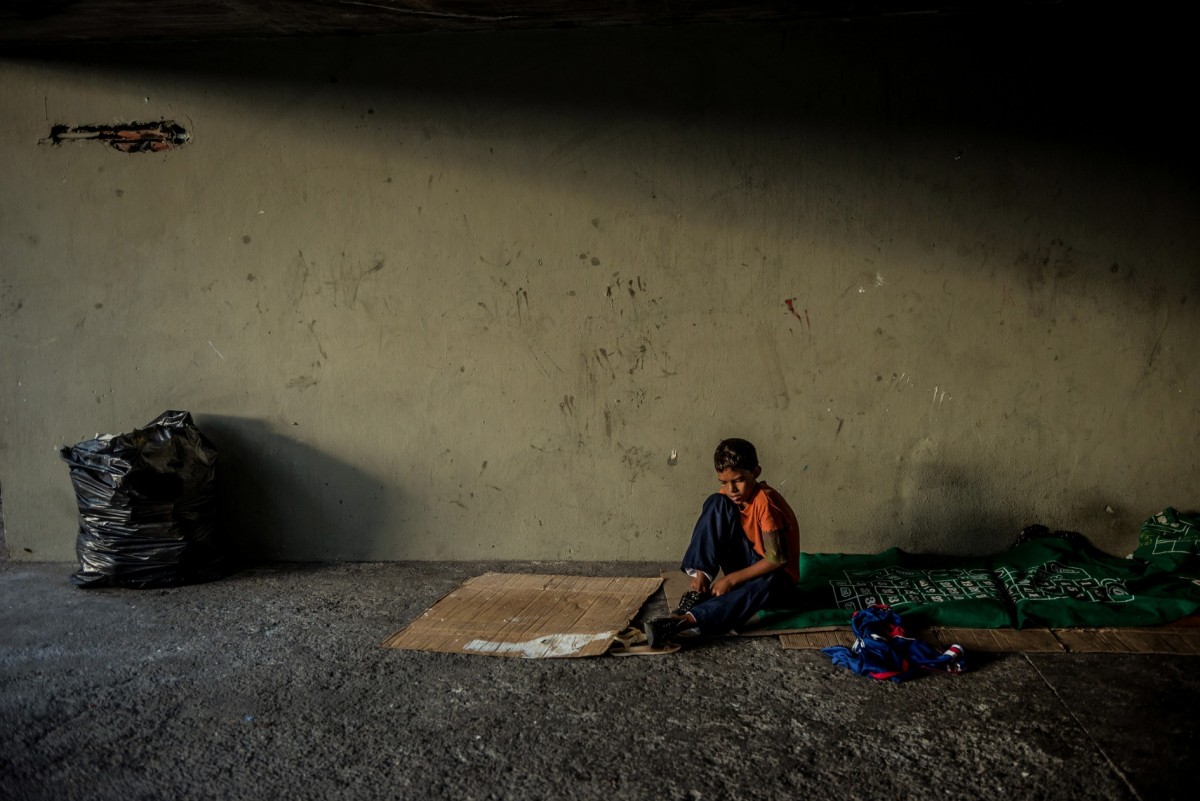
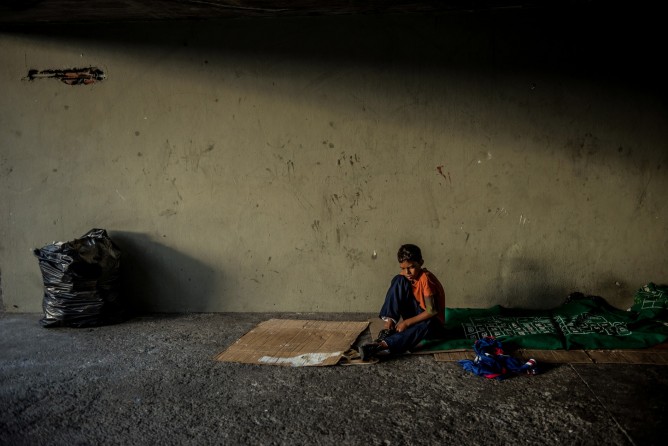
Eduardo Jose Martinez, 13, at a skate park in Caracas, Venezuela, on Oct. 17, 2017. He lives under an overhang with other homeless children and adults. Some said they eat better than they could at home with their families. They spend their days panhandling, searching for discarded food and recyclables, bathing in public fountains, and stashing their belongings in trees and storm drains. Nelson Villasmil, a government social worker, said that before the crisis, most of the homeless children he encountered lived in the streets because of parental negligence or abuse. But now when he interviews them, they often tell him they left their homes because there was no food. (December 17, 2017)
Biography

Meridith Kohut is an American photojournalist based in Caracas, Venezuela, where she has worked covering Latin America for the foreign press since 2007.
A regular contributor to The New York Times, Ms. Kohut has produced in-depth photo essays about the rise and collapse of Hugo Chávez’s socialist revolution in Venezuela, the drug trade in Bolivia, Cuba's transition, gang violence in El Salvador, refugee and migration issues in Central America, labor rights and cholera outbreaks in Haiti, prostitution in Colombia, illegal gold mines and human rights abuses in Venezuela, and prison overcrowding in El Salvador, among others.
In 2017, Ms. Kohut was the Chris Hondros Fund Award recipient. In 2016, she won the Overseas Press Club award for best feature photography. In 2015, she was part of the World Press Photo Masterclass in Latin America and in 2007 won the Eddie Adams Workshop, a contest held by The New York Times.
Born in Houston, she received a bachelor’s degree in journalism and corporate communications from the University of Texas at Austin.