Finalist: Los Angeles Times, by Katie Falkenberg

For a photo essay from the front lines of Brazil’s war on Zika that showed the vulnerability, fear and love of mothers coping with the crisis.

Nominated Work

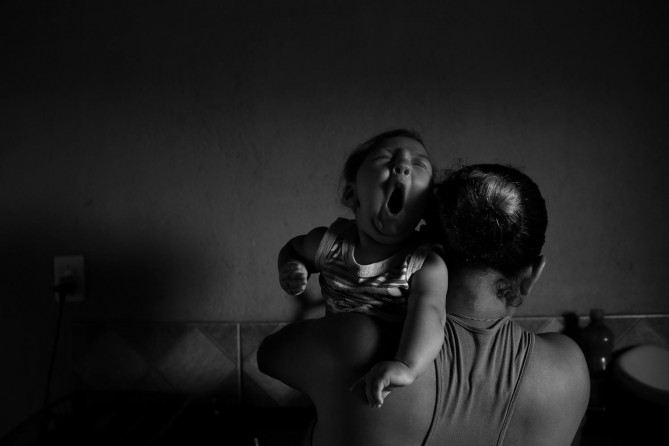
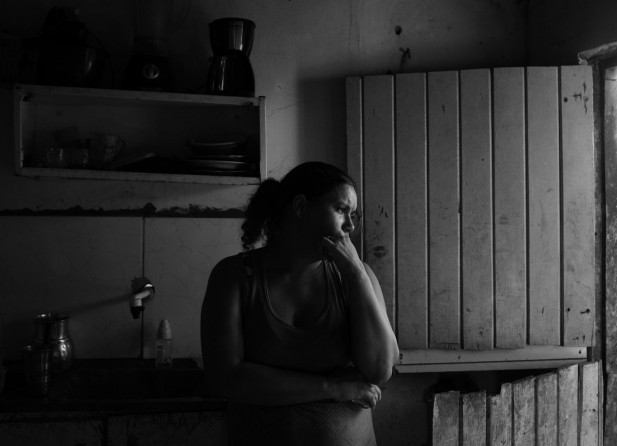
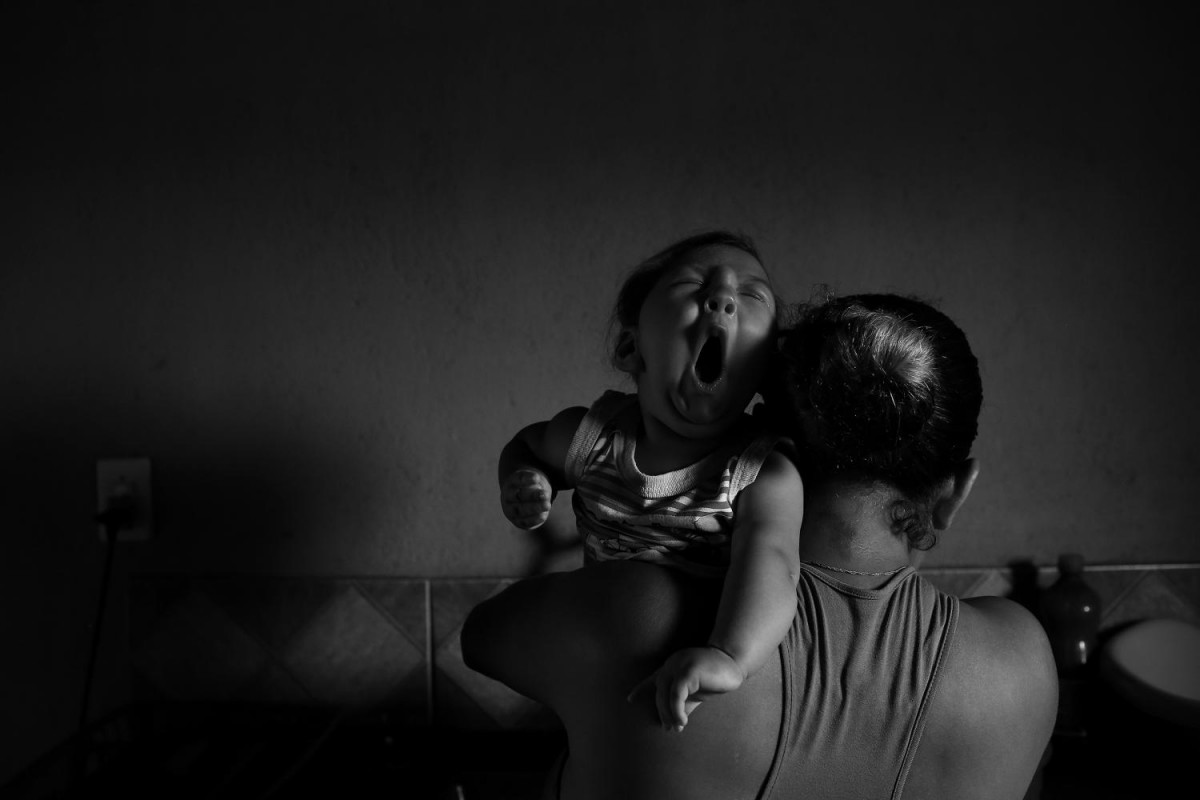
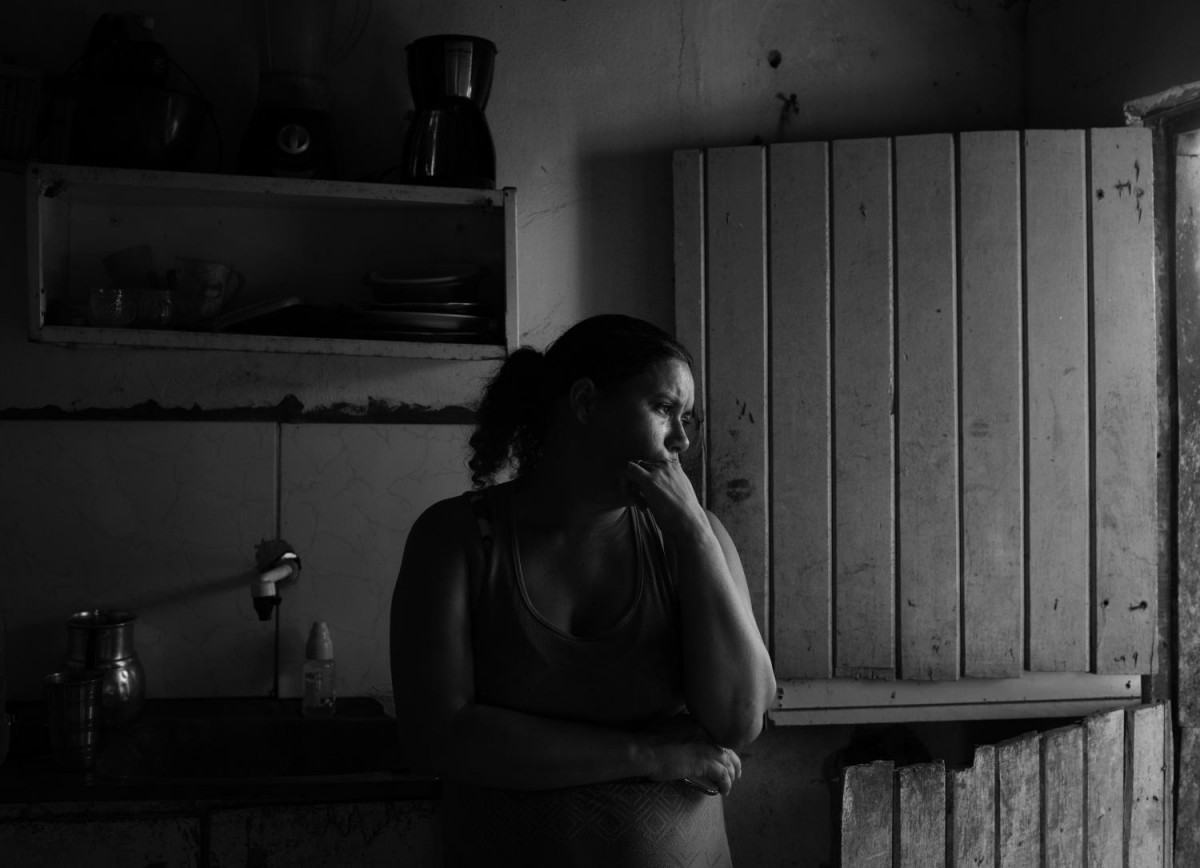
Juggling her tired son Gilberto, who was born with microcephaly, single mother Josemary Gomes, 34, cleans dishes at her kitchen sink, which does not have running water. Gilberto has to constantly be held or he will start crying again—babies with microcephaly in general tend to be more easily agitated than other infants and cry incessantly. Josemary's days revolve around the 8-month-old boy, who is showing signs of developmental delays and has started having convulsions. She used to make a living as a cook and cleaner. "My only work now is taking care of Gilberto," she says. (03/20/2016)
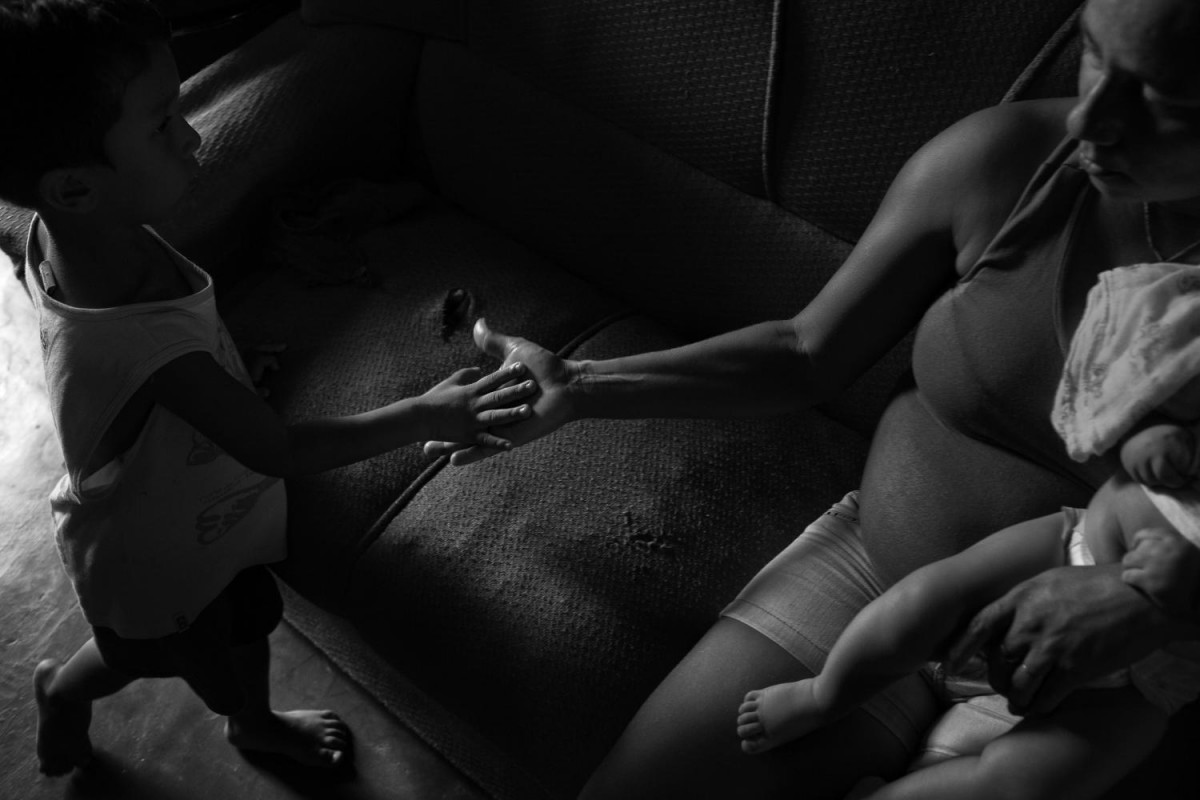
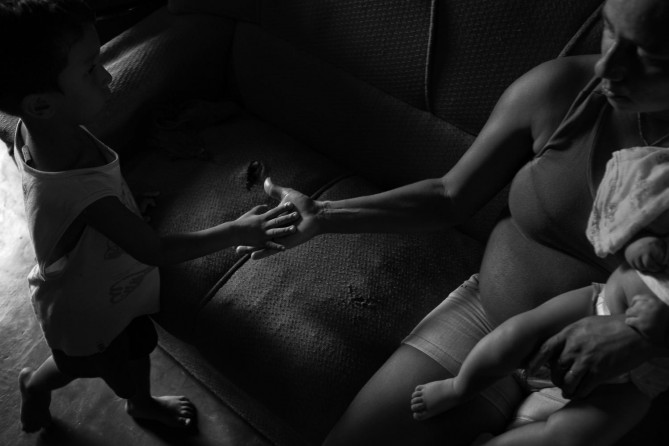
Josemary Gomes, age 34, reaches her hand out to one of her four sons, Jorge, age 4, as takes a rare moment to rest with Gilberto. Josemary was already raising four boys on her own when she met the man who would father Gilberto. She thought he would take care of them. But she says that when she got pregnant, he told her that he was already married. Josemary is among a growing number of women in Brazil who are raising children damaged by the Zika virus on their own. As many as a third of mothers are unmarried in this nation of 200 million, the hardest hit in an epidemic that has swept around the world. Studies suggest that the rate is highest in impoverished rural villages and crowded slums -- the places most affected by the mosquito-borne virus that has been linked to at least 1,638 cases of birth defects across the country. (03/20/2016)
 
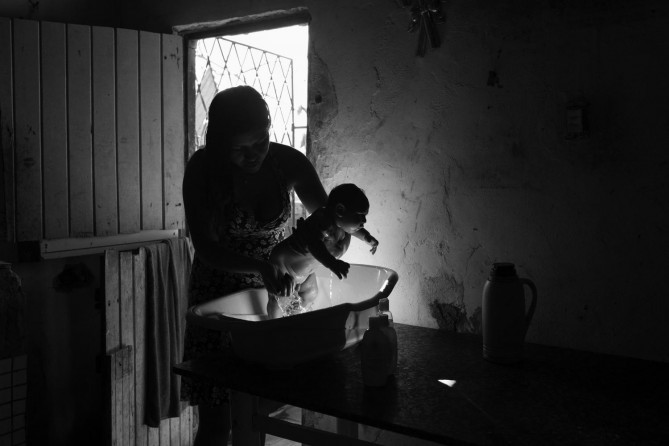
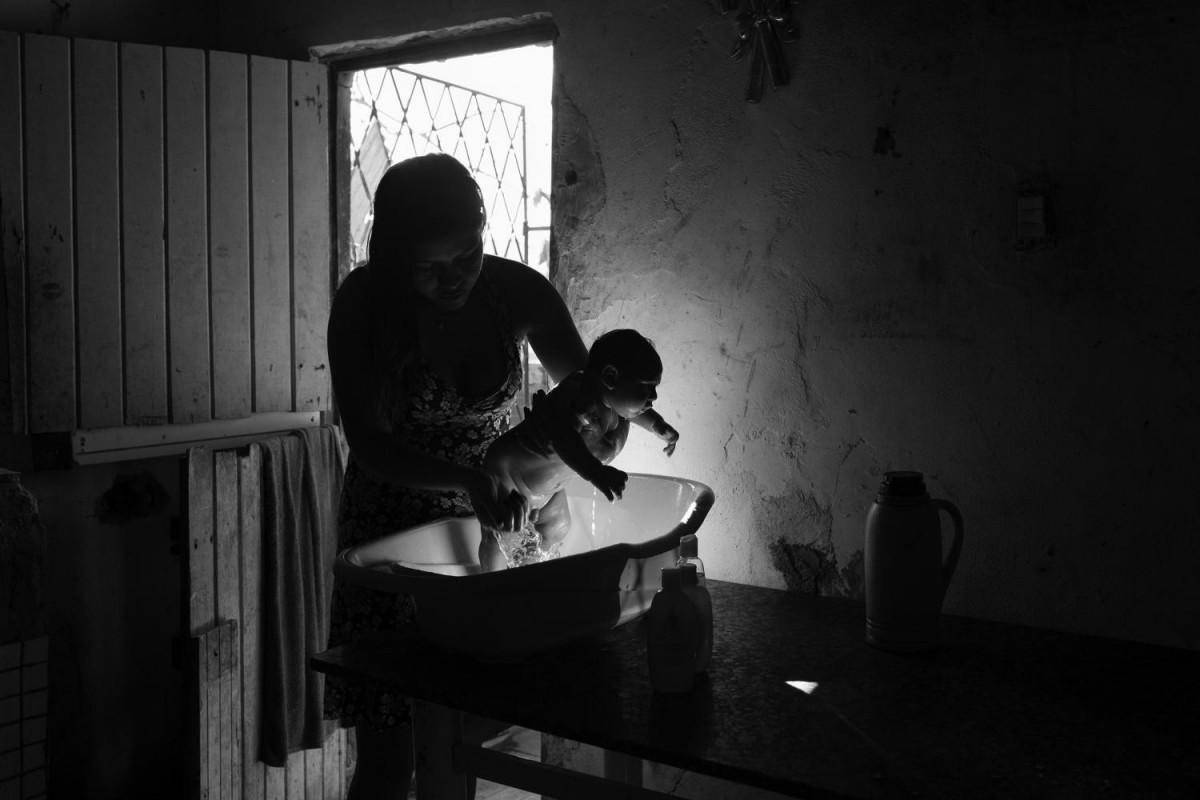
Samuel Amorim, age 2 months, who was born with microcephaly, is bathed by a family member in the kitchen of the family’s home in an impoverished neighborhood of Campina Grande, Brazil. Their neighborhood, which does not have running water for three days out of the week, is therefore infested with mosquitoes. Homes don't have screens on the doors or windows, and hardly anyone can afford bug spray. Last summer, when Alessandra de Sousa Amorim was pregnant with Samuel, she developed telltale symptoms of a Zika infection. When Samuel was born in December, scans showed damage to his brain. (03/19/2016)
 
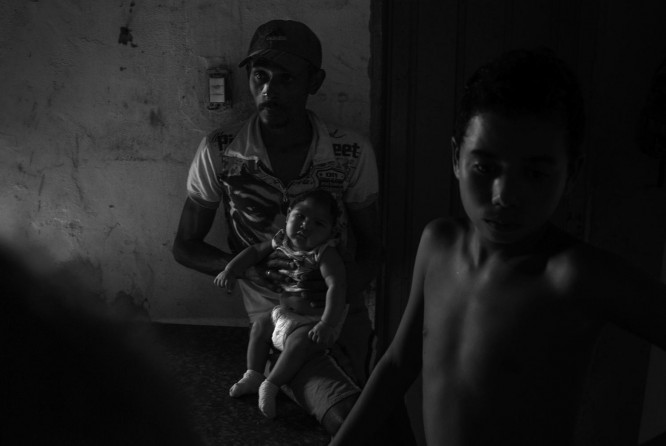
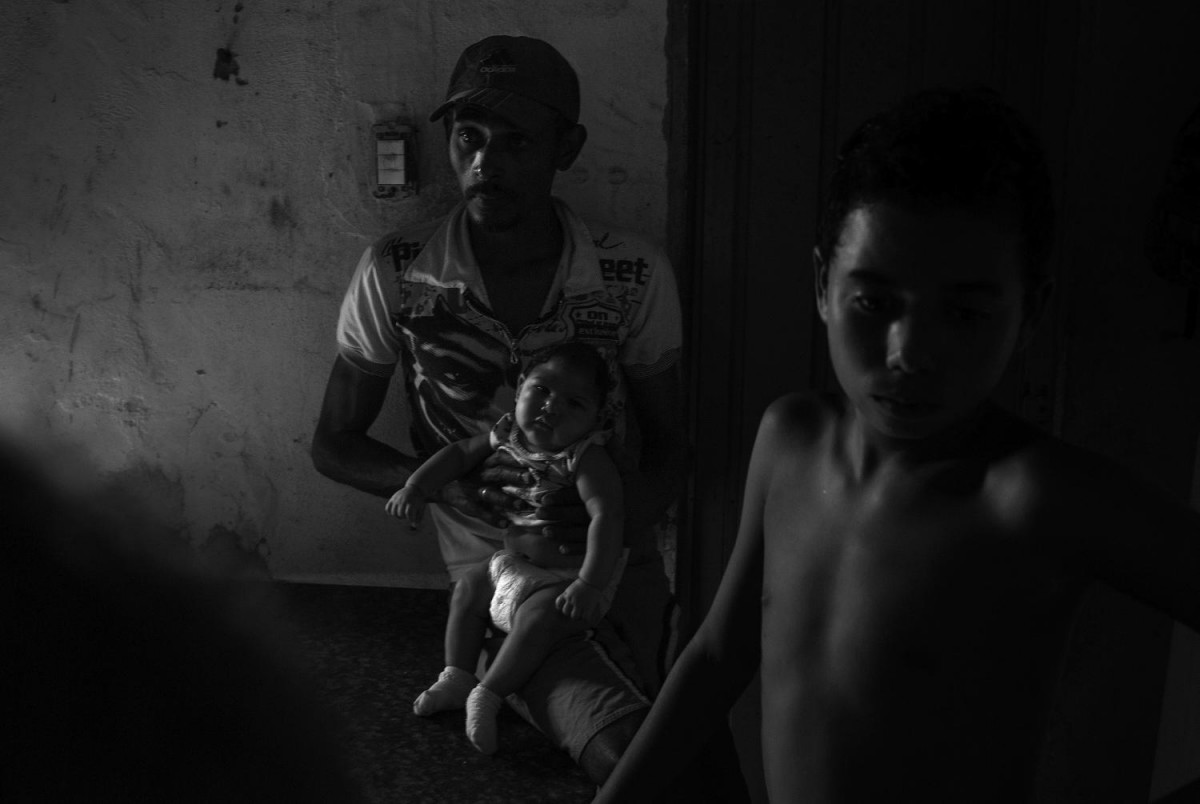
Alexandre Santiago holds his son, Samuel Amorim, who was born with microcephaly, in their home in one of Campina Grande's poorest neighborhoods. Before Samuel was born, Alexandre and his wife, Alessandra de Sousa Amorim, both worked outside of the home. But now, Alessandra no longer has time to work cleaning houses. She says it is very difficult to be able to rely on only one income for their household, especially since there are so many new expenses like transportation, medical exams for Samuel, and other things they need for a child with microcephaly. "But when we’re in need," Alessandra says, "I have no courage to ask."
 

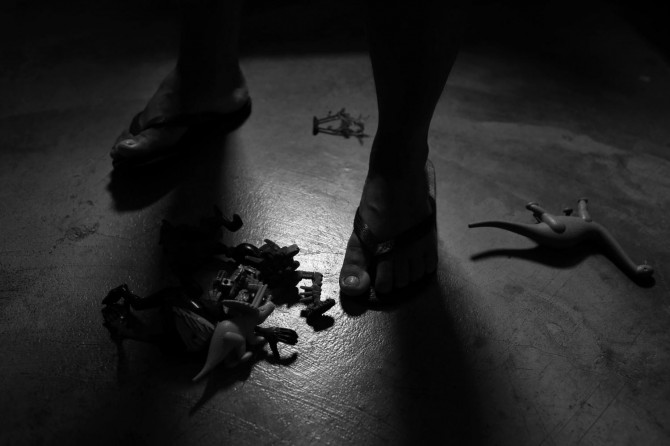
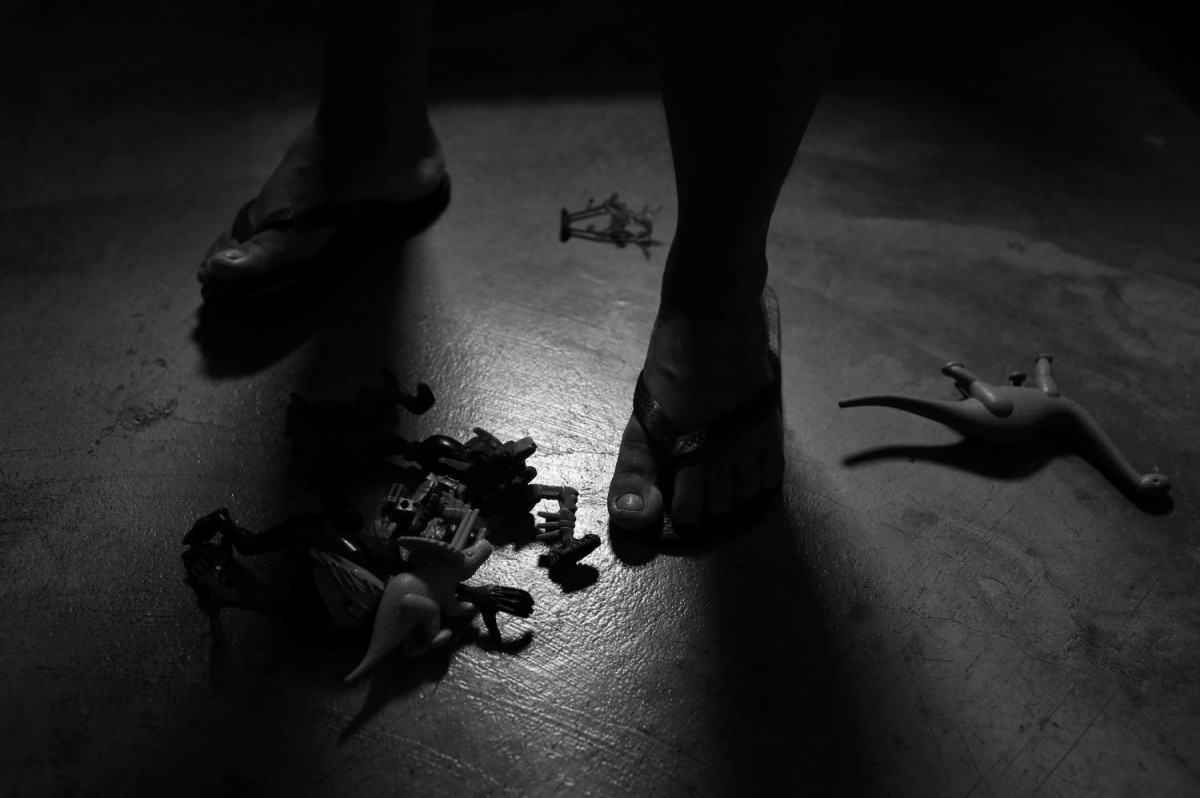
The day Josemary Gomes brought Gilberto home from hospital, she laid him on her bed and wept. When there were no tears left, "I raised my head and carried on alone,” she said. Here, Josemary navigates her kitchen floor littered with the toys of two of her young sons, after returning from a full day of medical appointments for her youngest boy, Gilberto, who has microcephaly. Josemary was already raising four boys on her own when she met the man who would father Gilberto. She thought he would take care of them. But when she got pregnant, she said, he told her that he was already married. "I am Gilberto’s father now," she says, "I am mother and father at the same time." (03/18/2016)
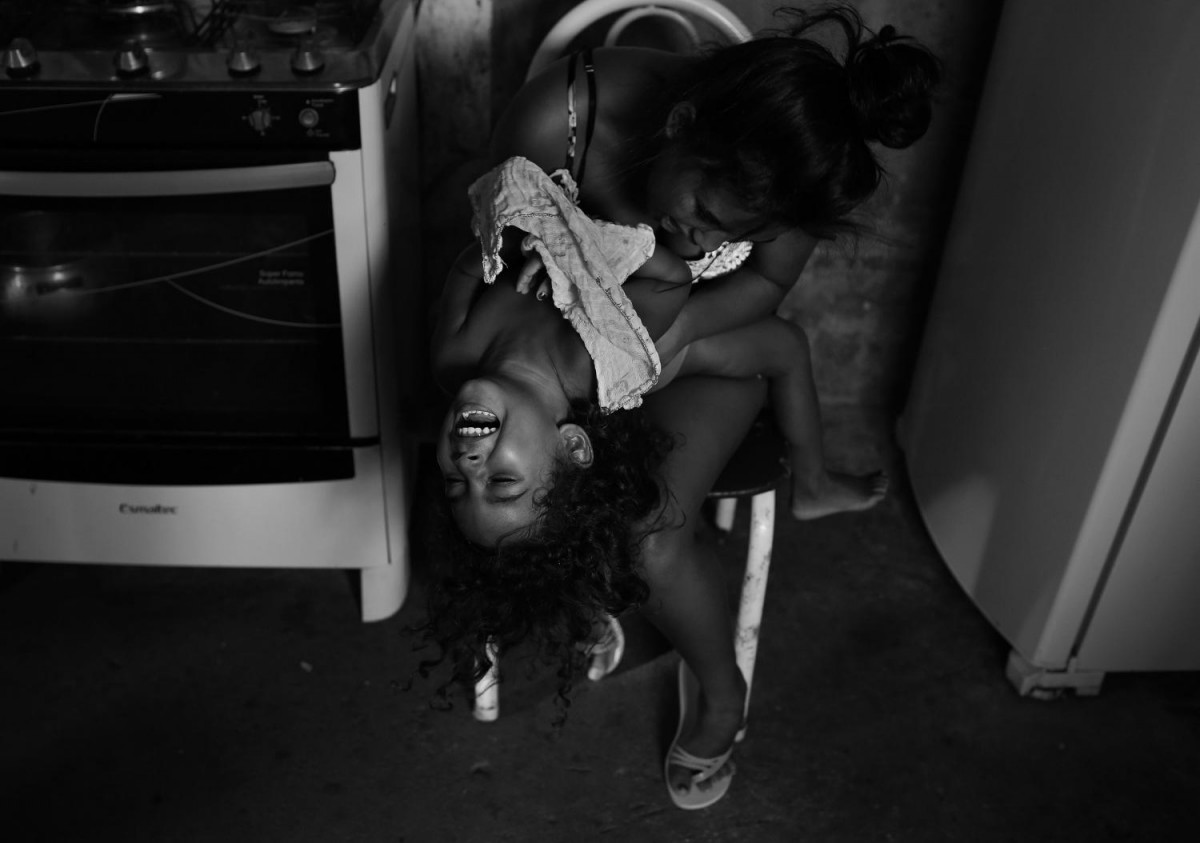
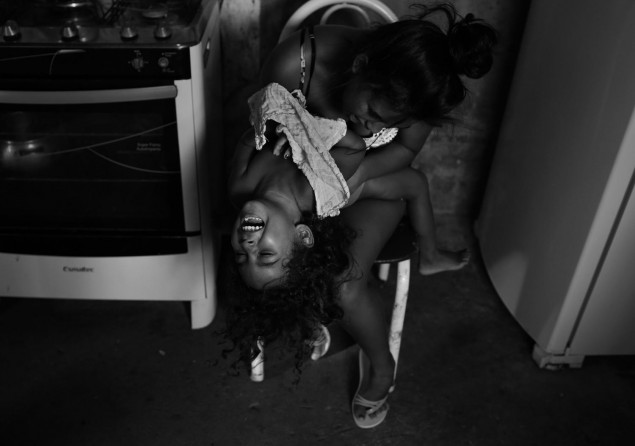
Vivian Amorim, age 4, shrieks with laughter with one of her three sisters, Valeria, age 16, in the kitchen of their family'™s home. Vivian and Valeria are one of four sisters, and recently got a fifth sibling, Samuel, who was born with microcephaly. "I don't let the sadness take over us," their mother, Alessandra de Sousa Amorim, says. "If we think like that, only negative thinking, we'd end up crazy! So I don'€™t get stressed, or get angry about life, about the world and everybody, I will not settle for that!" With four daughters, it was Alessandra's dream to have a son. When she got pregnant with her fifth child last summer, and found out it was a boy during an ultrasound, she screamed with joy. It took her a moment to realize that the doctor was tearing up. The fetus had an unusually small head, a condition known as microcephaly that is one of the most visible defects caused by the Zika virus. When Samuel was born in December, scans showed damage to his brain. Despite the hardships that come with raising a baby with microcephaly, there is still a lot of joy in their home. (03/19/2016)
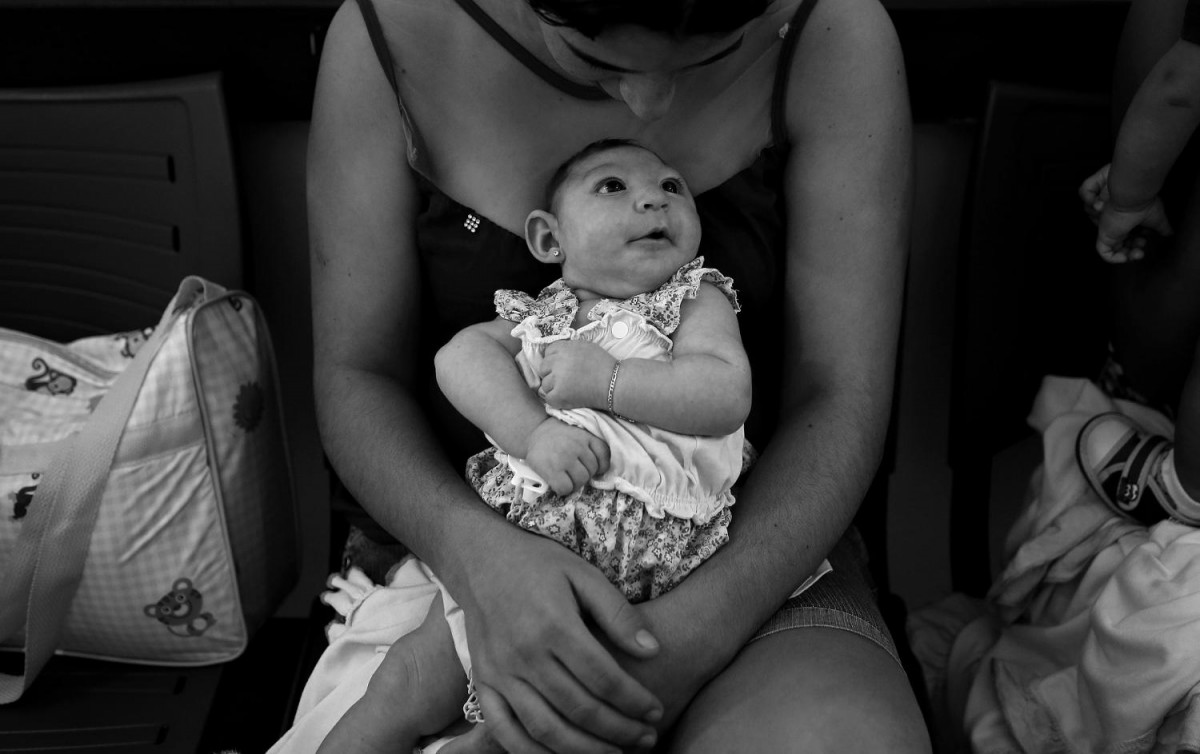
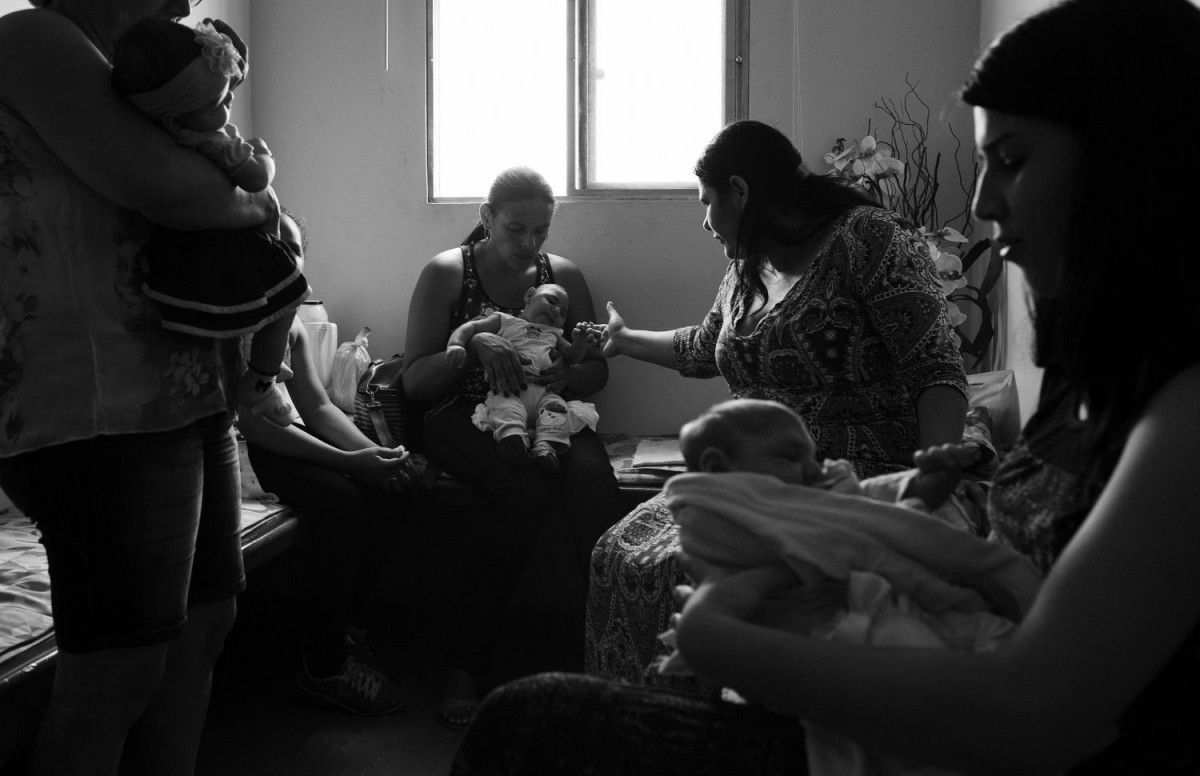
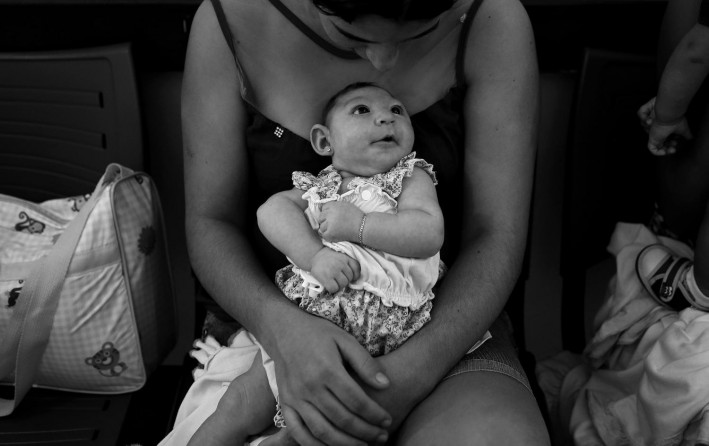
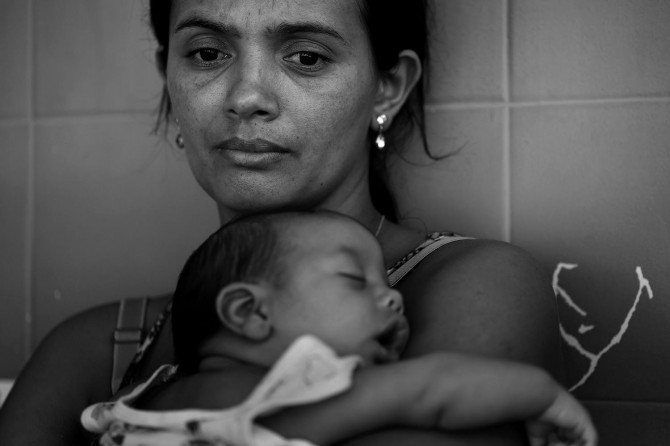
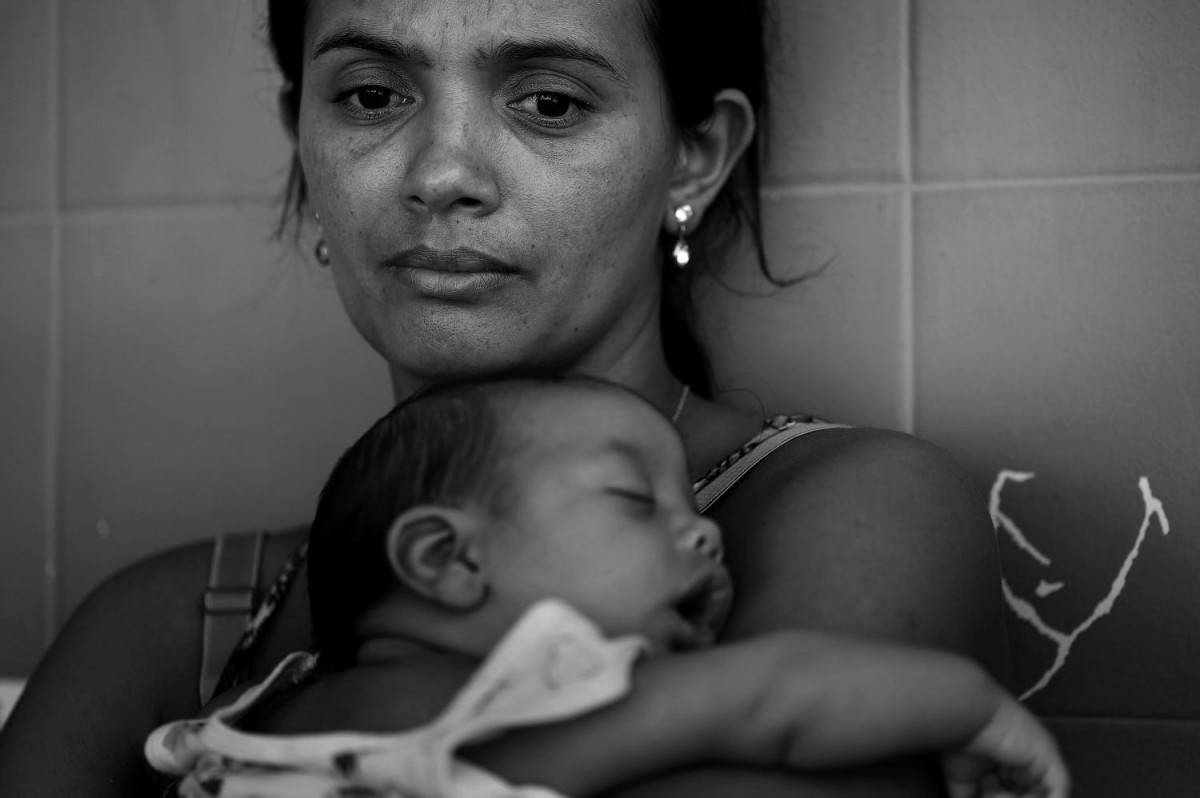
Maria Silva Floa, age 20, holds her baby, Maria Silva Alves, 2 months, who was born with microcephaly, as she waits for her daughter’s physiotherapy appointment at Pedro 1 Municipal Hospital in Campina Grande, Brazil. Maria, along with other mothers of children with microcephaly, bring their babies to physiotherapy appointments two times a week. The type of therapy is thought to help in the development of babies with microcephaly. (03/14/2016)
 
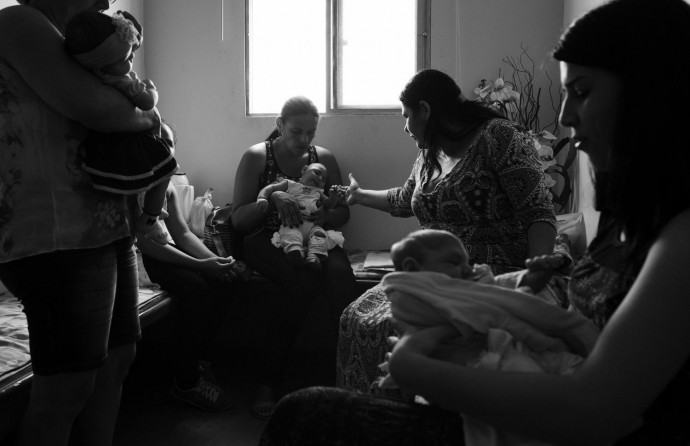
The wait is long for physiotherapy appointments for babies with microcephaly, so in the hallway outside of the therapy room, mothers gather and share coffee, cake and news about their babies. "We've become a family here," one mother said. The hospital has become a refuge for families, a place where parents can find comfort and camaraderie amid all the uncertainty. (03/15/2016)
 
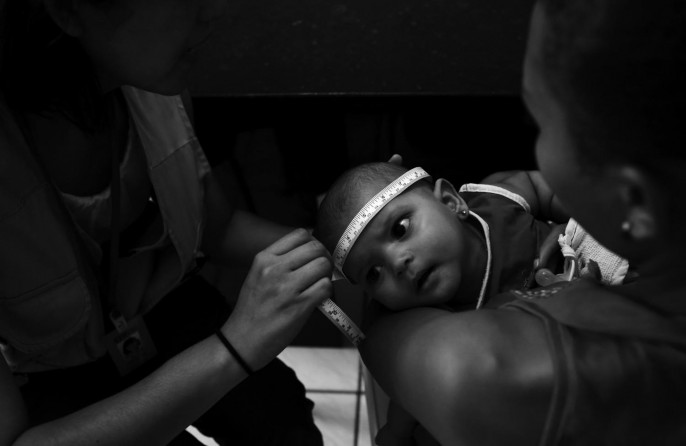
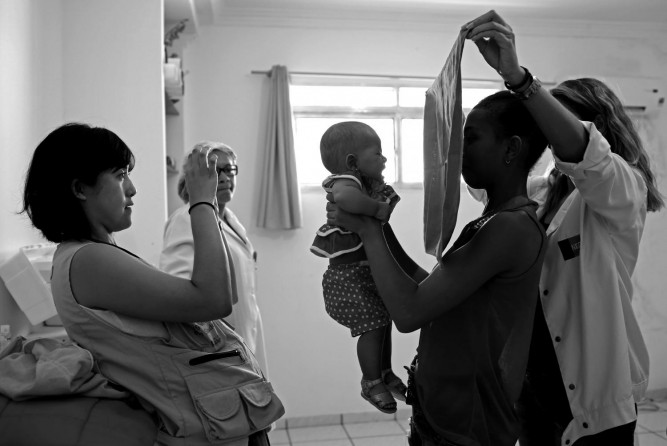
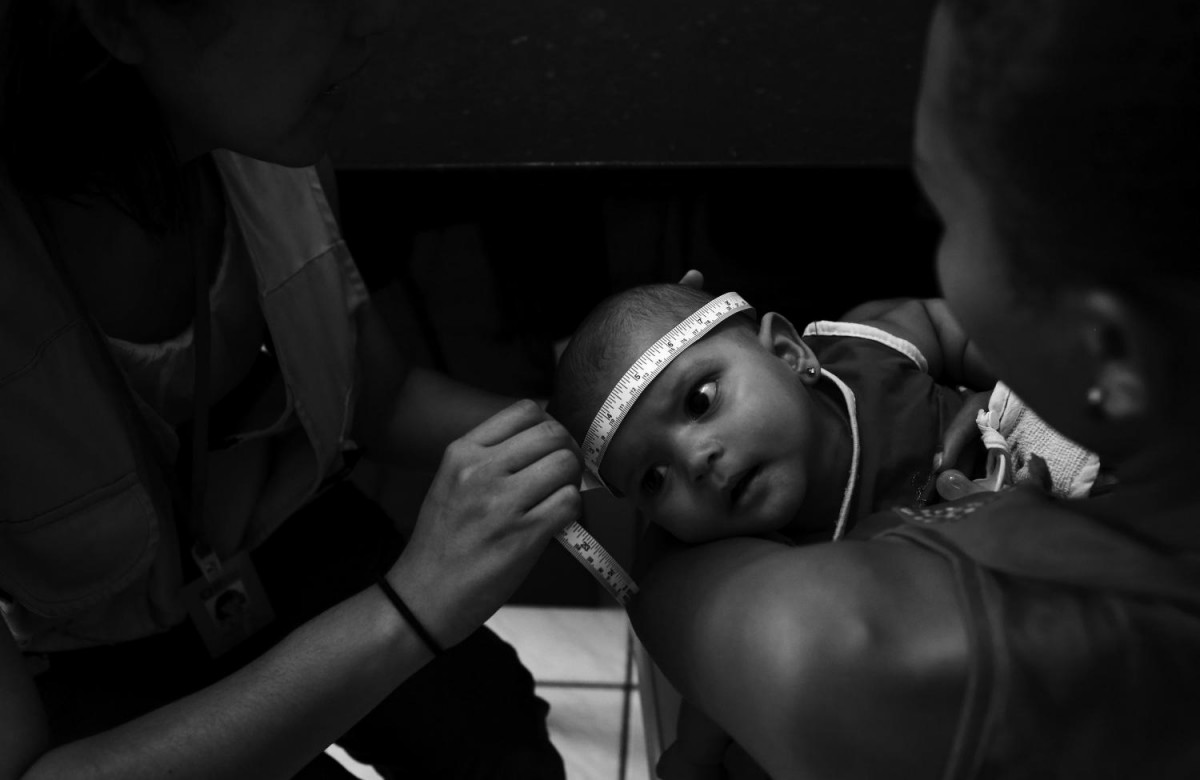
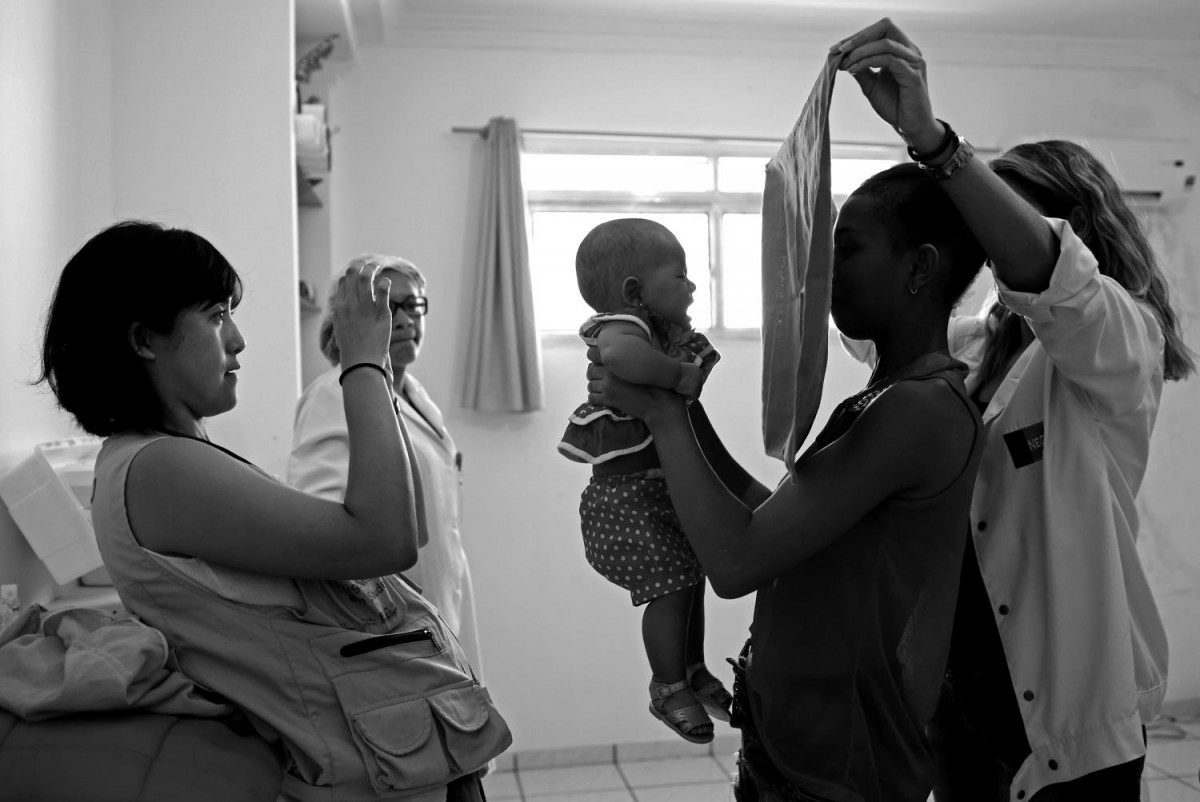
There is much that scientists still don't know about Zika and microcephaly, such as how high is the risk? Is exposure more dangerous in certain trimesters? Are there other factors that increase the chances that Zika will cause birth defects? Because of this, the U.S. Centers for Disease Control and Prevention in February dispatched researchers to Brazil to help unravel the mystery. Here, Dr. Megumi Itoh, left, an epidemic intelligence officer with the U.S. Centers for Disease Control and Prevention (CDC), measures the head of 5-month-old Adrielly Rutino, as she is held by her mother. The information they collect will be part of a case-control study, examining the association between women who may have had Zika when they were pregnant, and microcephaly in babies. This child did not have microcephaly, and was used as a control case in the study. For each mother who had a baby with microcephaly in the study, the researchers wanted to enroll, as a control, three others whose babies were born at around the same time and in the same place but who did not have microcephaly. (03/09/2016)
 
Dr. Megumi Itoh, left, an epidemic intelligence officer with the U.S. Centers for Disease Control and Prevention (CDC), takes a photo of the back of the head of 5-month-old Adrielly Rutino, who does not have microcepahly and was used as a “control” in the study, as she is held by her mother, Maria Girdielly, age 17. Because there is so much that scientists still don’t know about Zika and microcephaly, the CDC dispatched researchers to Brazil to help unravel the mystery. They are collecting this data for a case-control study examining the association between women who may have had Zika when they were pregnant, and microcephaly in babies. For each mother who had a baby with microcephaly in the study, the researchers wanted to enroll, as a control, three others whose babies were born at around the same time and in the same place but who did not have microcephaly. (03/09/2016)
 
After receiving confirmation that her son has microcephaly, Francinelma Santos, age 29, holds Jhin Pirlo, 2 months, as she waits for a car to drive them home from the hospital. Because her son has a larger head than most babies with microcephaly, Francinelma was not sure if he had the neurological condition known as microcephaly. But during a neurologist consultation appointment with Dr. Alba Batista, it was confirmed. ”Is it really microcephaly?" Francinelma asked, "Yes," replied Dr. Batista. Dr. Batista said only time will tell if Jhin will have developmental problems in the future. (03/11/2016)
 
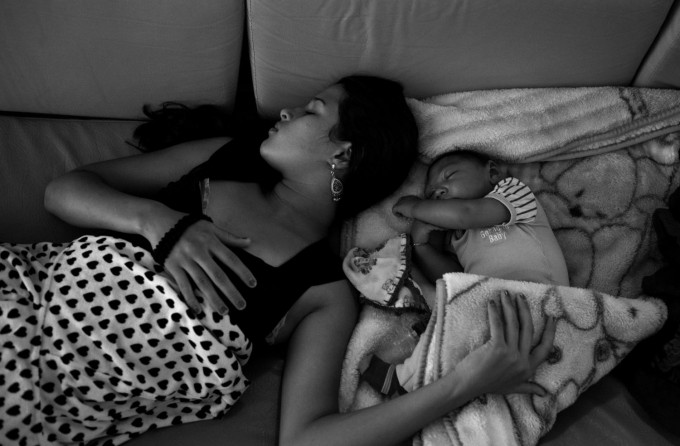
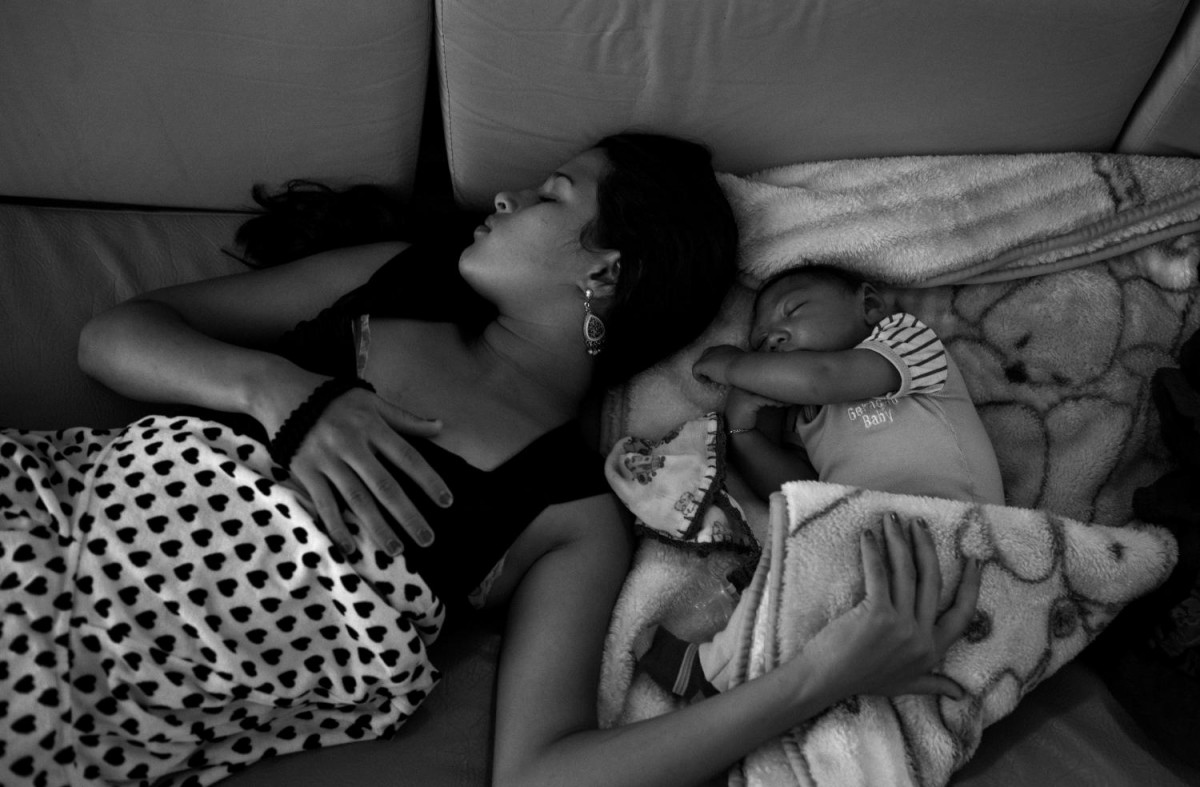
Kalissandra de Olivera, age 17, takes a nap next to her son in a hallway of Pedro 1 Municipal Hospital. Between medical exams, physiotherapy appointments, and support group meetings, parents of babies with microcephaly spend long hours -- for several days each week -- inside this hospital. Pedro 1 is one of Brazil's first hospitals to open a microcephaly ward. (03/16/2016)
 
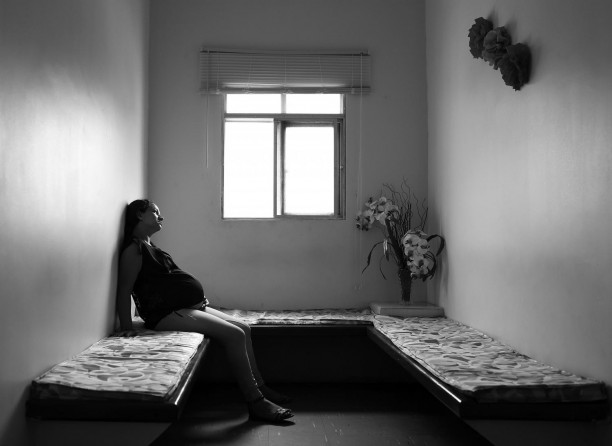
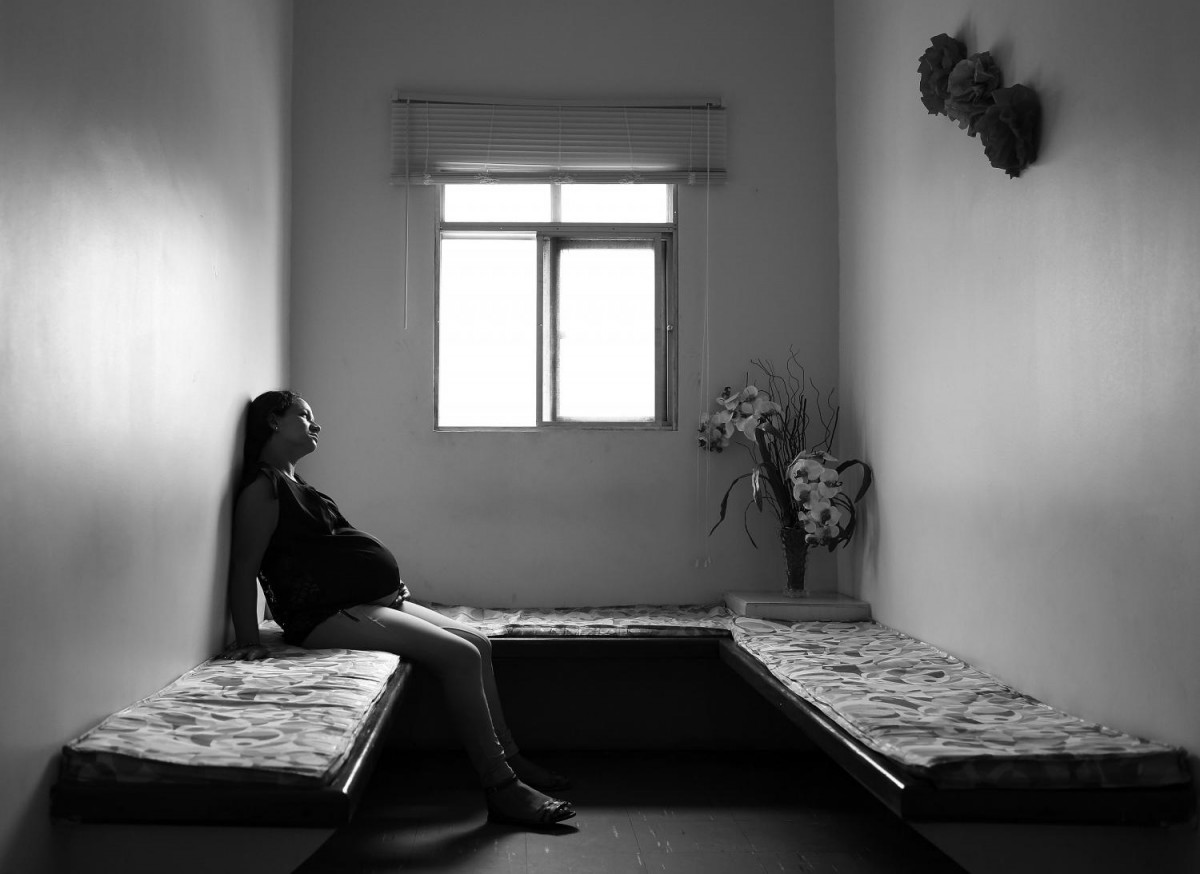
Claudenice Batista, who is eight months pregnant, waits for her appointment in the microcephaly wing of Pedro 1 Municipal Hospital, to go over the results of her ultrasound, showing whether or not her baby has microcephaly. Room 117 is where pregnant women come to learn the results of their ultrasound tests. Once, most just wanted to know: Is it a boy or a girl? These days, the first question they ask is: How big is the head? (03/15/2016)
 
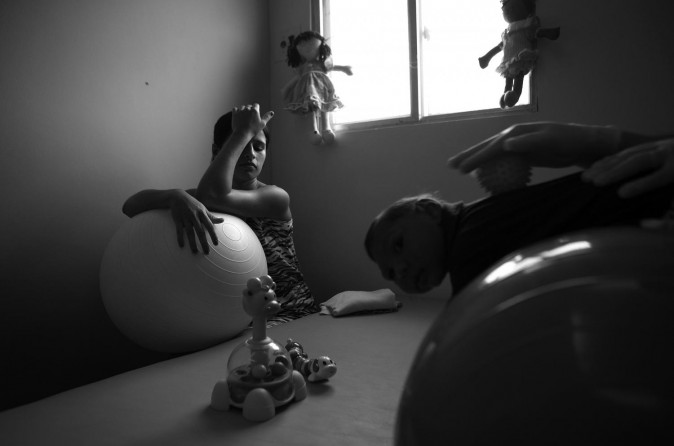
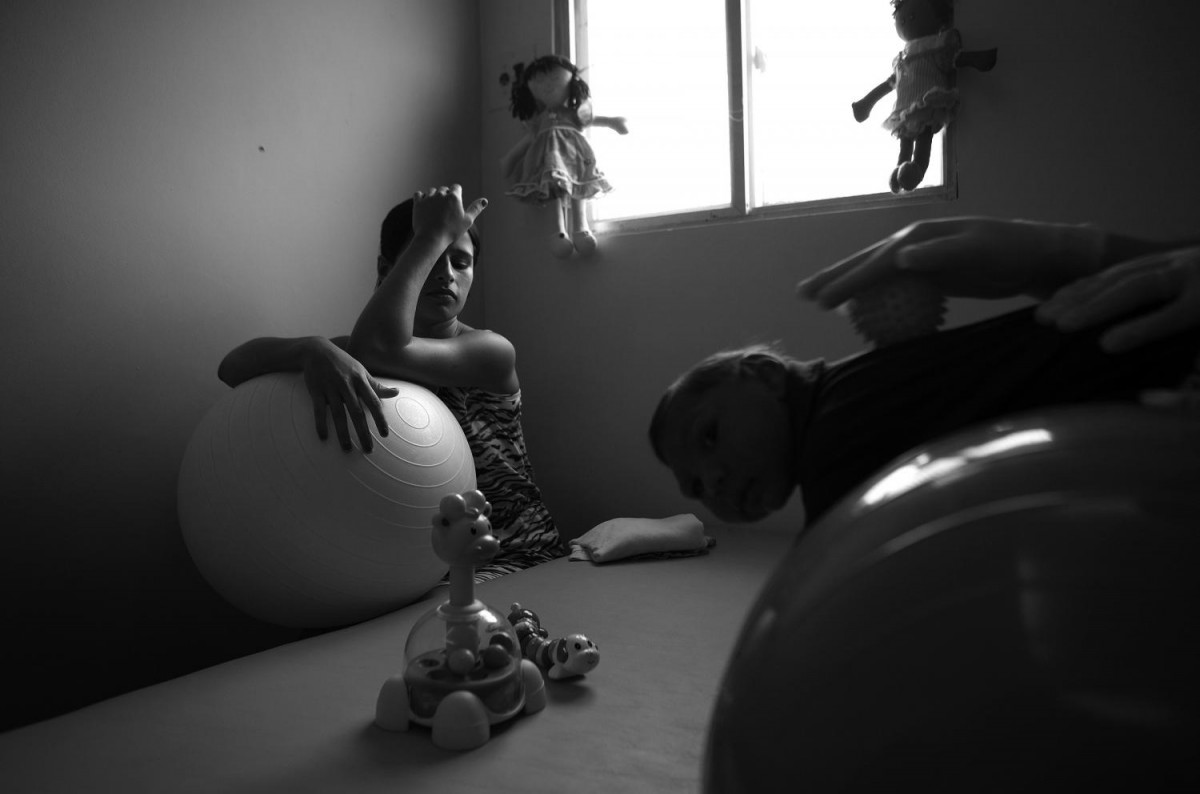
Kalissandra de Olivera, age 17, rests on an exercise ball as her son, Nicolas Felipe Alves de Olivera, 3 months, receives physiotherapy at Pedro 1 Municipal Hospital. During her pregnancy, Kalissandra had a normal ultrasound, and didn't find out that her child had microcephaly until he was born. She had never even heard of the birth defect, and was told to come to Pedro 1 and they would explain. She started bringing Nicolas Felipe to physiotherapy when he was 17 days old. Her days are now packed with medical appointments and meetings. (03/14/2016)
 
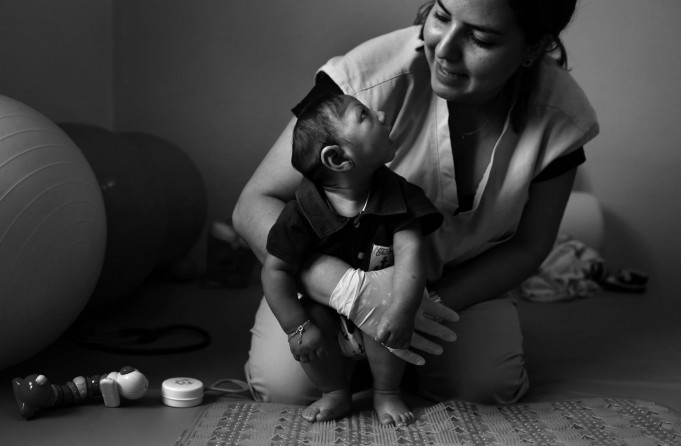
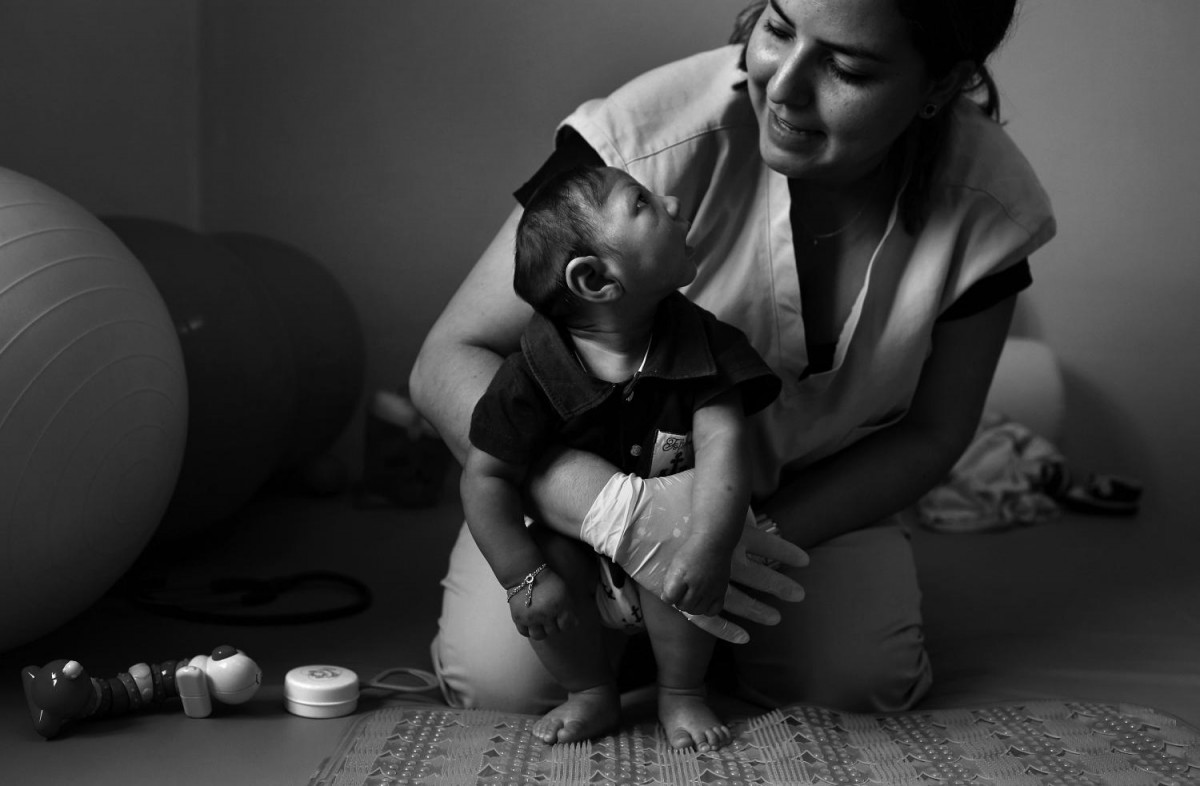
In the six years that physiotherapist Jeime Leal worked at a pediatrician’s office, she never had a microcephaly case. When she started at Pedro I Municipal Hospital in December -- when a wing of the hospital was created for patients with microcephaly due to the spike of cases in the region -- there were seven cases at the hospital. She now sees twice that number in a single day. Here, Nicolas Felipe Alves De Olivera, 3 months, looks up at Jeime, during a physiotherapy session at Pedro 1 Municipal Hospital. (03/14/2016)
 

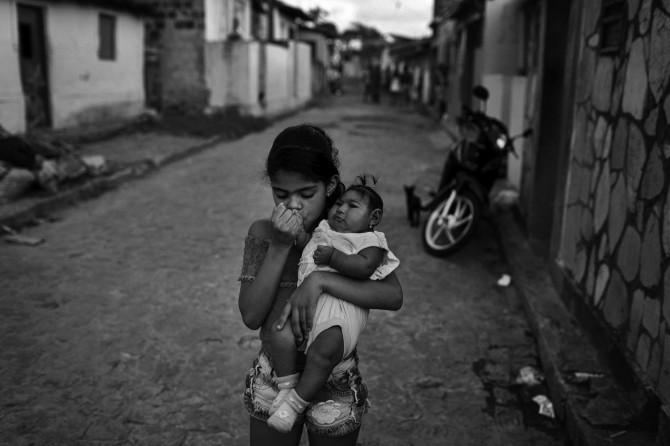
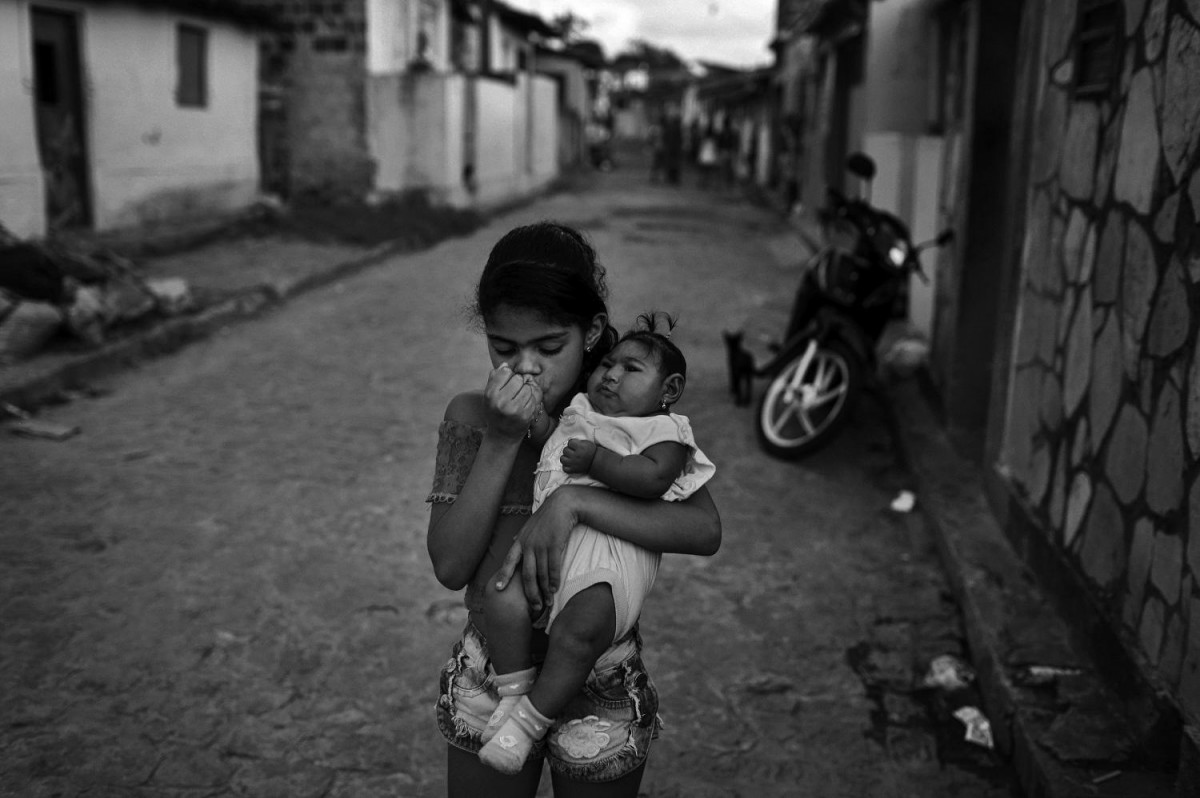
Evellyn Mendes Santos, age 9, kisses her baby sister, Heloyse, who was born with microcephaly, outside of their home in Joao Pessoa, Brazil. "My biggest dream was to have two girls," their mother, Maria da Luz Mendes Santos, says. (03/12/2016)
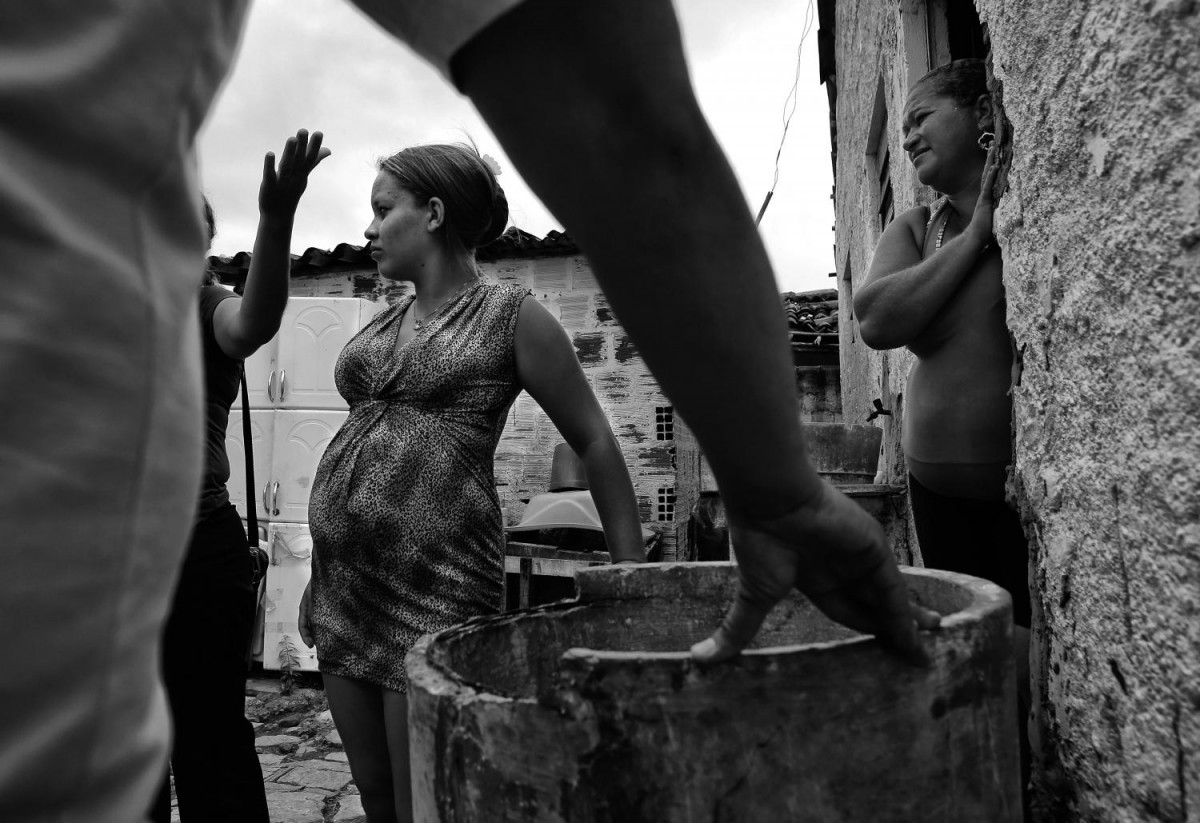
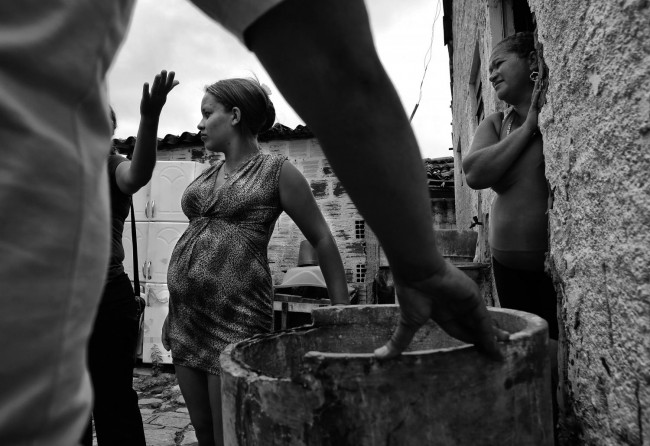
Behind their home, Carla de Sousa, who is pregnant, left, and her mother, Maria de Sousa, listen as mosquito control agents give tips on how to prevent having mosquitoes around their home. An agent drew a sample of water being stored in a broken washing machine near their back door; it was full of writhing mosquito larvae. Agents pointed to other places where water had pooled, creating prime habitat for mosquitoes to lay its eggs: old cinderblocks, the dog's water dish, even a discarded bottle cap. Before heading to the next house, one of the mosquito control agents urged Carla to get an ultrasound, to check that her fetus is developing normally. (03/17/2016)
 
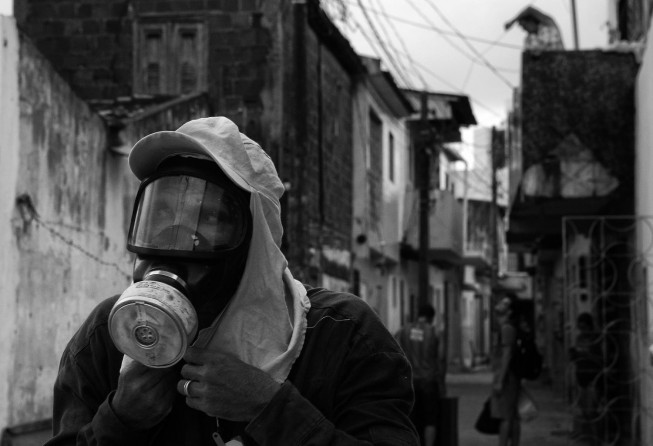
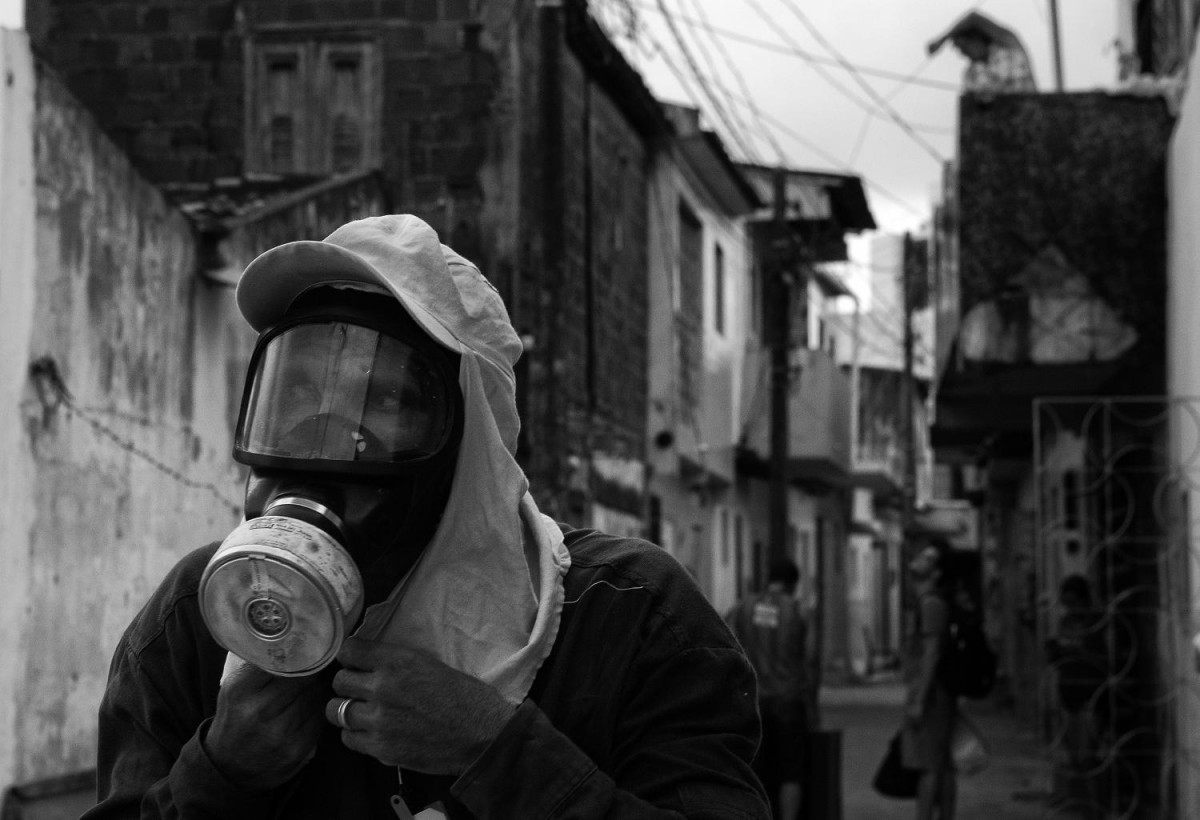
After fumigating a neighborhood in an attempt to eradicate the mosquito that causes the Zika virus, a health worker with Campina Grande's Municipal Health Department, prepares to remove his gas mask. With no vaccine or treatment for Zika, Brazil's government has few options besides sending teams to every infested region to hunt down and kill the insects that carry the virus, Aedes aegypti. (03/16/2016)
 
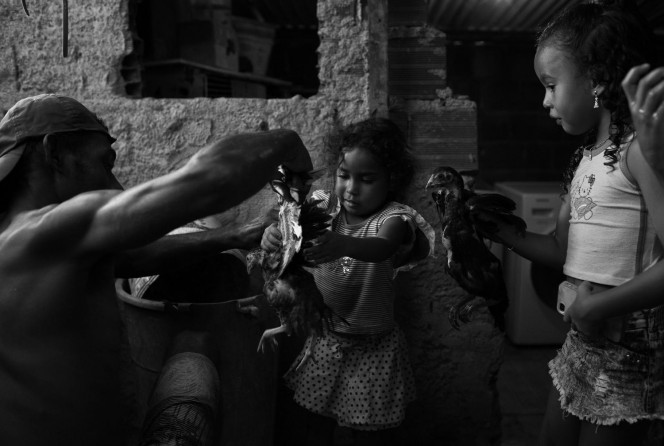
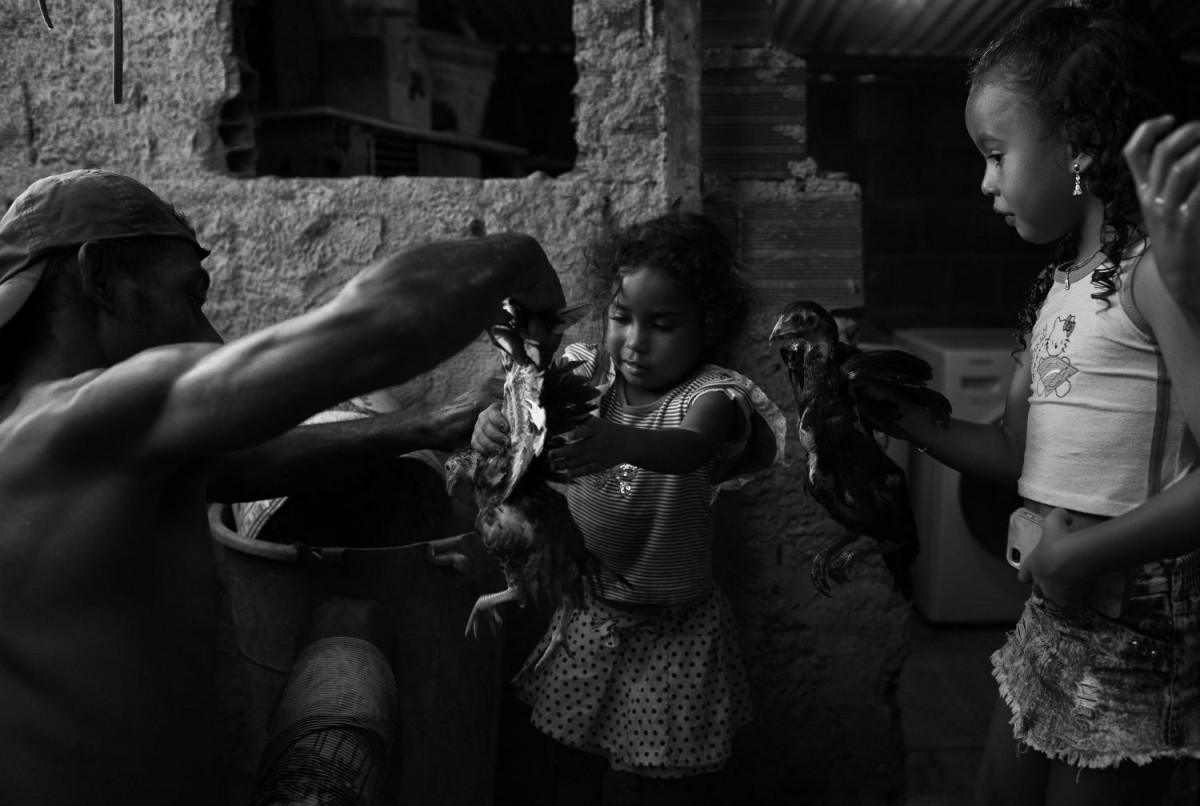
Alexandre Santiago hands his youngest daughter, Vivian, age 4, one of the family’s chickens, in the backyard of their home. Their family uses some of the chickens to be able to have eggs to eat. Alexandre is now the sole provider of the family’s house, as his wife, Alessandra de Sousa Amorim, no longer has time to work as a house cleaner because of the amount of extra time and care a baby with microcephaly involves. She says it is very difficult to be able to rely on only one income for their household, especially since there are so many new expenses like transportation, medical exams for Samuel, and other things they need for a child with microcephaly. "€œBut when we’re in need," Alessandra says, "I have no courage to ask." (03/19/2016)
 
Only time will tell what the future is for these children born with microcephaly. At this early stage, the babies can do most of the things as others the same age, and there are varying degrees of the condition. But many children with microcephaly develop severe cognitive and physical disabilities and need expensive therapies, monitoring by specialists, and lifelong care. Some mothers at Pedro 1 Municipal Hospital, where Alessandra de Sousa Amorim, pictured here, takes her baby, have been arriving with questions for the neurosurgeon: Will their children ever learn to walk? Will they ever speak? Dr. Alba Batista, wishes she had answers. Who knows? "Only God," she says. "Here, we are humans." (03/20/2016)
 

Biography

Katie Falkenberg is a staff photographer at the Los Angeles Times. Raised in Ohio, Falkenberg began her career in Washington, D.C., covering the White House and Capitol Hill as a freelance photographer. From 2006 through 2009, she was a staff photographer at The Washington Times, where she began to focus on documenting contemporary issues in America. Her passion is working on issue-related projects, and she considers it a great privilege and responsibility to tell the stories of people who may not have a chance to be heard otherwise.

In 2016 she was named Multimedia Photographer of the Year by the National Press Photographers Association (NPPA), and placed second in Multimedia Photographer of the Year in Pictures of the Year International (POYi). Her short film, "Without Nature, No Life," was an Official Honoree in the 2016 Webby Awards. Falkenberg has been the recipient of the Robert F. Kennedy award for Domestic Photography, the Hillman Prize in Photojournalism, the Casey Medal for Meritorious Journalism for Short Form Video, and the Society of Professional Journalists Sigma Delta Chi award for Feature Photography.

Her photography and multimedia work have also been recognized by Pictures of the Year International, the White House News Photographers Association, and the National Press Photographers Association. Her short film, "Uninsured in the Mississippi Delta," won the Human Rights award at the 2010 Media That Matters film festival. Falkenberg graduated from Warren Wilson College, in North Carolina, with a degree in Studio Art.

Winners

Prize Winner in Feature Photography in 2017:

E. Jason Wambsgans

For a superb portrayal of a 10-year-old boy and his mother striving to put the boy’s life back together after he survived a shooting in Chicago. Feature Photography

Finalists

Nominated as finalists in Feature Photography in 2017:

Jake May

For striking, wonderfully conceived photographs from Flint’s contaminated-water crisis that told a challenging story in human terms.

The Jury

Sherman Williams(Chair)

Assistant Managing Editor/Visual Journalism

Andrea Bruce

Photographer

David Hume Kennerly*

Photographer

Michele McDonald

Photo Editor

Deb Pastner

Director of Photography/Multimedia

Winners in Feature Photography

Jessica Rinaldi

For the raw and revealing photographic story of a boy who strives to find his footing after abuse by those he trusted.

Josh Haner

For his moving essay on a Boston Marathon bomb blast victim who lost most of both legs and now is painfully rebuilding his life.

Javier Manzano

For his extraordinary picture, distributed by Agence France-Presse, of two Syrian rebel soldiers tensely guarding their position as beams of light stream through bullet holes in a nearby metal wall.

2017 Prize Winners

C. J. Chivers

For showing, through an artful accumulation of fact and detail, that a Marine’s postwar descent into violence reflected neither the actions of a simple criminal nor a stereotypical case of PTSD.

Peggy Noonan

For rising to the moment with beautifully rendered columns that connected readers to the shared virtues of Americans during one of the nation’s most divisive political campaigns.

Hilton Als

For bold and original reviews that strove to put stage dramas within a real-world cultural context, particularly the shifting landscape of gender, sexuality and race.

Art Cullen

For editorials fueled by tenacious reporting, impressive expertise and engaging writing that successfully challenged powerful corporate agricultural interests in Iowa.