Agence France-Presse, by Javier Manzano
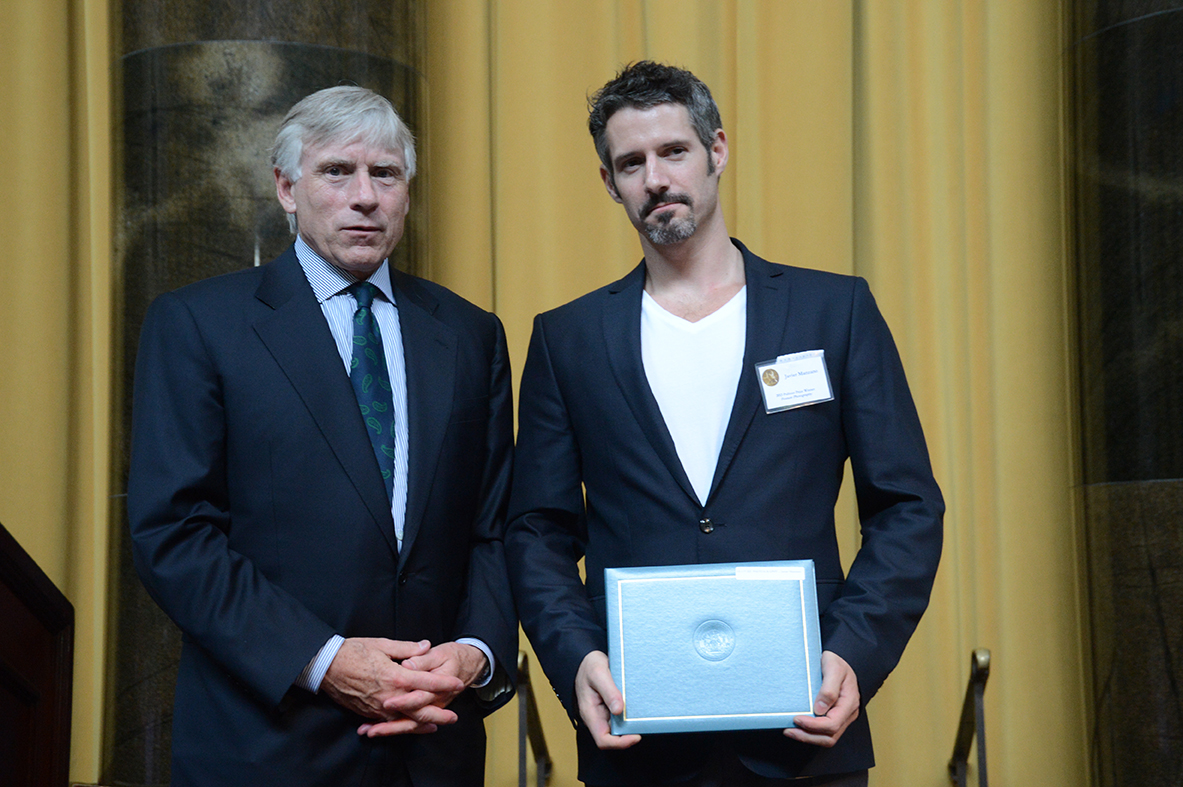
Lee C. Bollinger, President of Columbia University (left), presents the 2013 Feature Photography prize to Javier Manzano.
Winning Work
The battle for control over Syria's commercial capital, the city of Aleppo, arrived on July 19th, 2012 as part of the wider Syrian civil war engulfing most regions of the country today. I arrived in the southern Turkish city of Kilis on August 25, 2012 to cover the rebel side of the conflict in northern Syria. I remained in the region covering the war in the commercial capital of Aleppo, Al-Bab and the northwestern provinces of Latakia and Idlib for Agence France-Presse until December 28, 2012. The photograph included in the Pulitzer entry was taken in the Karmel Jabl neighborhood of Aleppo on October 18, 2012.
he precincts of Karmel Jabl and Al-Arqoop are strategically important because of their proximity to one of the main roads that divides the largest rebel-controlled region in Aleppo, from the most important and active battlegrounds in the city. It is impossible to accurately assess how many troops the regime has deployed in and around this commercial capital. Moreover, the popular belief is that if the regime ordered its infantry (most of it composed of Sunni Muslims) to charge the rebels, a large number of the soldiers would defect to the opposition. Instead, the regime relies mostly on tanks, indirect fire (mortars and artillery), airplanes and snipers. Snipers can hold a line of several streets and can take weeks for the rebels to locate and neutralize them. Both sides (the Free Syria Army and the regime) rely heavily on snipers – the cat and mouse game of Aleppo’s frontlines.
When I arrived at the frontline on that October morning, two regime snipers had closed several side roads keeping the rebel positions in check. As the Free Syria Army soldiers attempted to flank them (by punching holes on the walls of houses, both sides can travel several blocks without been spotted by the barrel of the snipers), the regime forces reinforced their positions with tanks (which only move a few meters at a time, mostly under the cover of night in order to minimize their exposure to rocket-propelled grenades). Assuming the opposing side is also planning on flanking them, the rebels took turns guarding their machine-gun nests, each side looking at the other though small holes made on the sides of empty buildings – such was the scene where I shot the photograph of the light rays coming through the tin wall of what was once a small neighborhood shop – more than a dozen holes made by bullets and shrapnel peppered one side of the room as the dust from more than one hundred days of shelling, bombing and firefights hung thick in the air around them.
One of the main problems facing many of the groups that comprise the Free Syria Army is weapons and ammunition shortages - a fact that tips the military and political balance of power in favor of some of the better equipped, trained and funded foreign Islamist groups currently fighting (and in many cases leading the charge against regime military targets) alongside the official Free Syria Army umbrella. To make up for these shortages, the various FSA military units have developed their own weaponry. On every frontline in Syria, a healthy cache of homemade grenades, Molotov cocktails, and in some cases, homemade rockets and mortar rounds are often launched with questionable accuracy. The use of tanks and airpower force the rebel to take cover from the shells that explode on the sides of the buildings around them. A mortar round erodes the cover provided to them by an apartment block on the verge of collapse. This is urban warfare – the long and protracted conflict that has engulfed many cities in the country and that has reduced many of them (such as Homs, Hama and Aleppo) to a cloud of dust and debris. In order to neutralize a tank, a rocket propelled grenade needs to produce a direct hit onto the vulnerable sections of its armor. Because these weapons are in such short supply, the triggerman needs to get within a few dozen yards of a tank (in order to maximize their chances of a successful strike). Failure often means the death and dismemberment of the shooter. A rebel soldier died and another was critically wounded while attempting to destroy a T- 55 battle tank on Sept. 26 in the Al-Arqoop neighborhood of Aleppo. An Iraqi brother-in-arms fighting alongside the rebels summed up the day’s efforts: “This is not the time to mourn the death of your comrade. Honor him by continuing the fight.” There was no response.
According to Max Fisher of the Washington Post, the photograph of the rebels guarding their position in Karmel Jabl has become “an immediately iconic photo of Syria’s rebels.” Carpenters, students, teachers – civilians of all walks of life armed with AK-47’s - joined the ranks of defected government soldiers and foreign fighters against the superior firepower and resources of the regime. They all share one common goal: to oust president Bashar Al-Assad at all costs and through any and all necessary means. More than 60,000 people have died in the conflict and hundreds of thousands of civilians have become refugees. The war in Syria now enters its 22nd month.
Winning Work
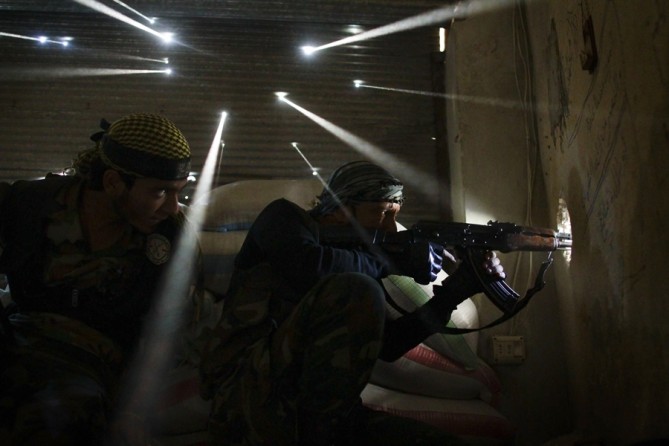
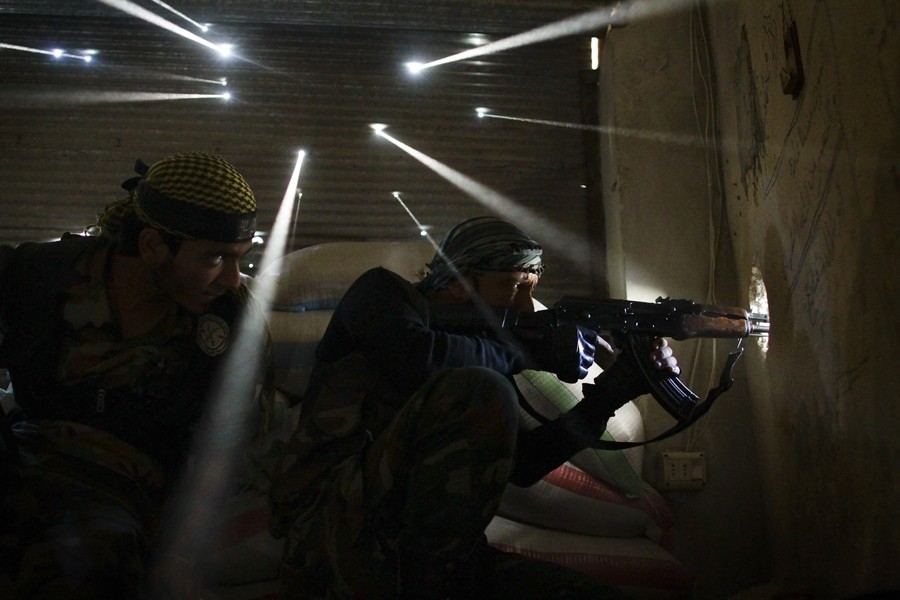
Two rebel soldiers in Syria guard their position in the Karmel Jabl neighborhood of Aleppo as light streams through more than a dozen holes made by bullets and shrapnel in the tin wall behind them. The dust from more than one hundred days of shelling, bombing and firefights hung in the air. Karmel Jabl is strategically important because of its proximity to the main road that separates several of the main battlegrounds in the city. (Photo taken October 18, 2012)
Biography
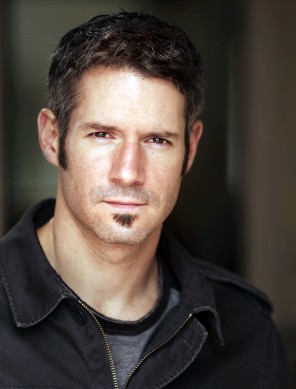
Javier Manzano is a photojournalist and filmmaker based in Istanbul, Turkey. Born in Mexico, Manzano left for the United States at the age of eighteen. To a large extent, his work has focused on the many cross-border issues that bind these two nations together - as estranged neighbors, vital partners and at times feeble associates. His career started in the newspaper industry as a photo- and videojournalist, and later expanded into television and electronic media.The Rocky Mountain News, Manzano's last employer, closed its doors in February of 2009. Since then, Javier has worked as a freelance photographer covering the wars in Mexico, Afghanistan and Syria.