The Denver Post, by Craig F. Walker
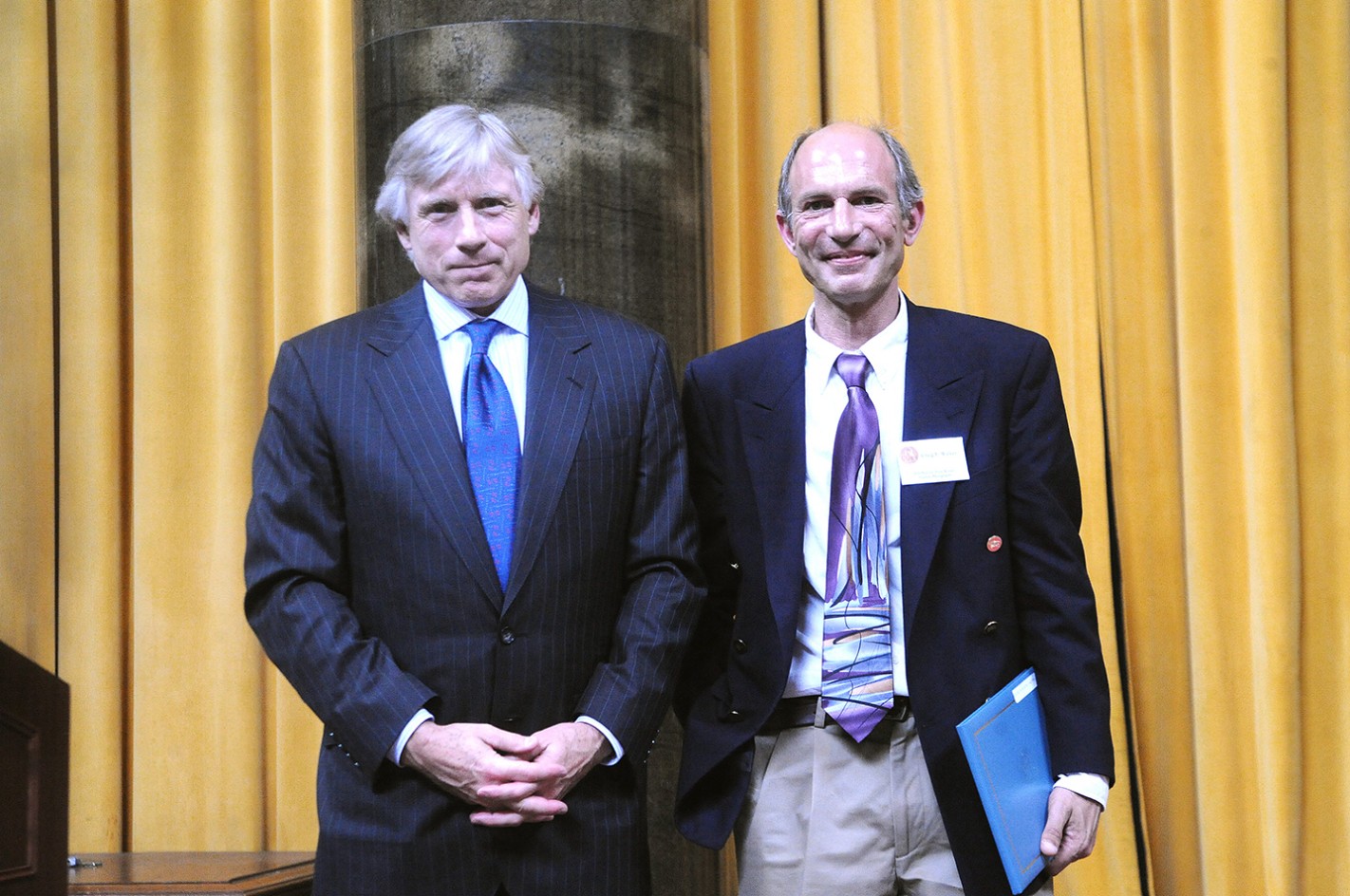
Lee C. Bollinger, President of Columbia University (left), presents the 2010 Feature Photography prize to Craig F. Walker of The Denver Post.
Winning Work
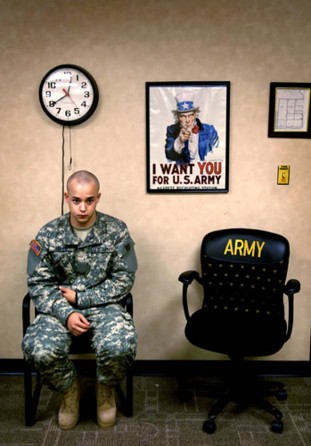

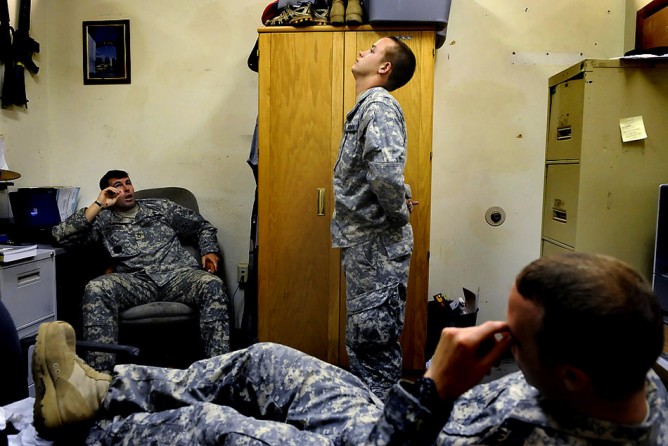
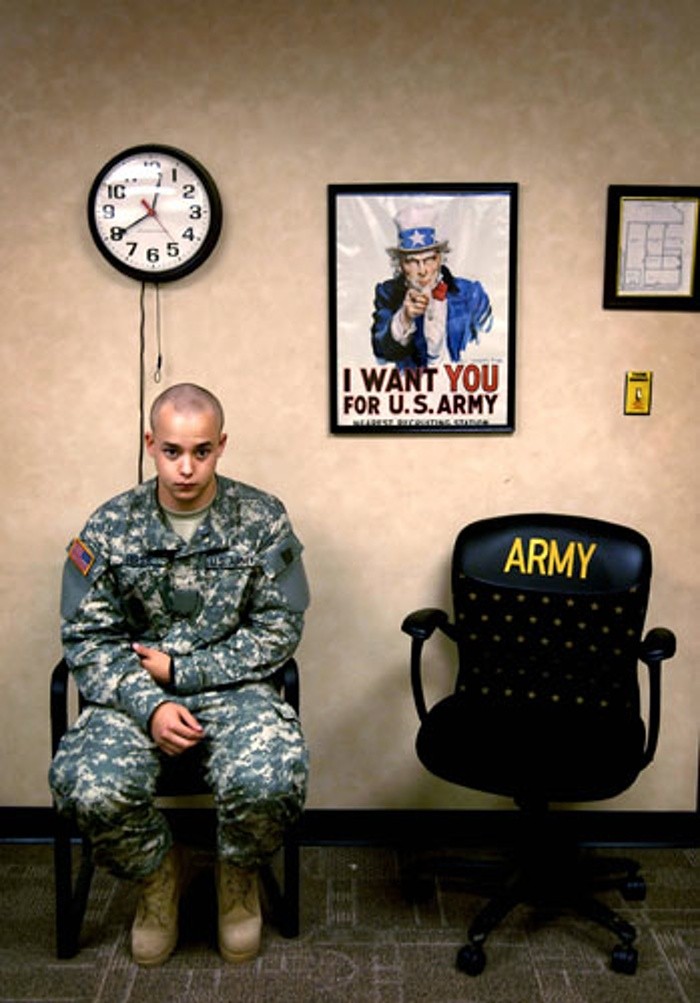
Ian Fisher cradles his injured elbow during his processing into the Army in Ft. Benning, Ga. On June 20, 2007. Though he later had a change of heart after speaking with a commander, he saw a possibility to escape his enlistment only two days in. From his first day in fatigues through his days driving a Humvee in Iraq, military life often didn’t mesh with his expectations. Sometimes the structure of the Army and the demands of training for war clashed with the freedom he shared with his outside friends. (Craig F. Walker, Denver Post - 2009)
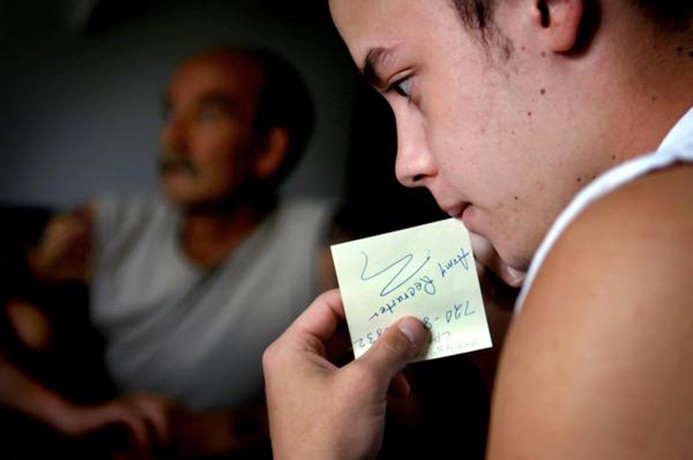
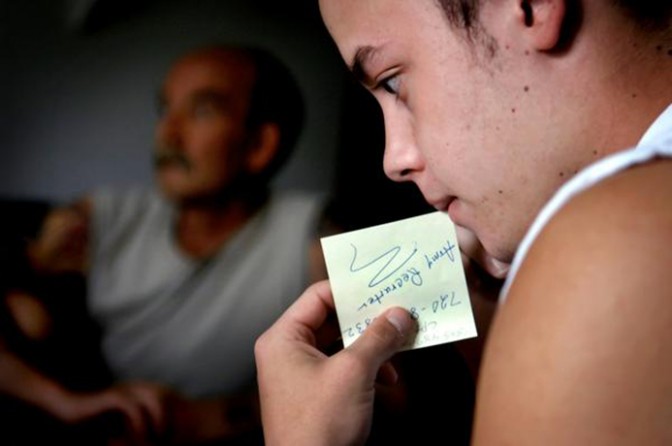
Ian returns a phone call to Sgt. 1st Class Gavino Barron, the commander at Ian’s Army recruiting office, on June 1, 2007. Barron was making sure Ian was on track for enlistment. When he was 17, Ian had joined the Army’s Future Solider Program, which prepares recruits for enlistment. Barron recalled his initial impressions of Ian: "He wasn’t in it for the money. He was only in it for God and country. That’s the reason most infantrymen join." Ian’s father, Eric Fisher, listens to the conversation. Eric returned from the Vietnam War with the Combat Infantryman Badge and emotional scars. Eric’s father had been awarded the Bronze Star for combat in World War II. (Craig F. Walker, Denver Post - 2009)

Hours after Ian's family threw a goodbye bash for him with cake and ice cream on June 16, 2007, his friends gave him a party of a different type, with beer pong and affection from his girlfriend Ashley Hibbs. It was a time of emotional goodbyes among friends as Ian prepared to refine his high school image of the rough-and-tumble teen fumbling for a grip on his future. (Craig F. Walker, Denver Post - 2009)
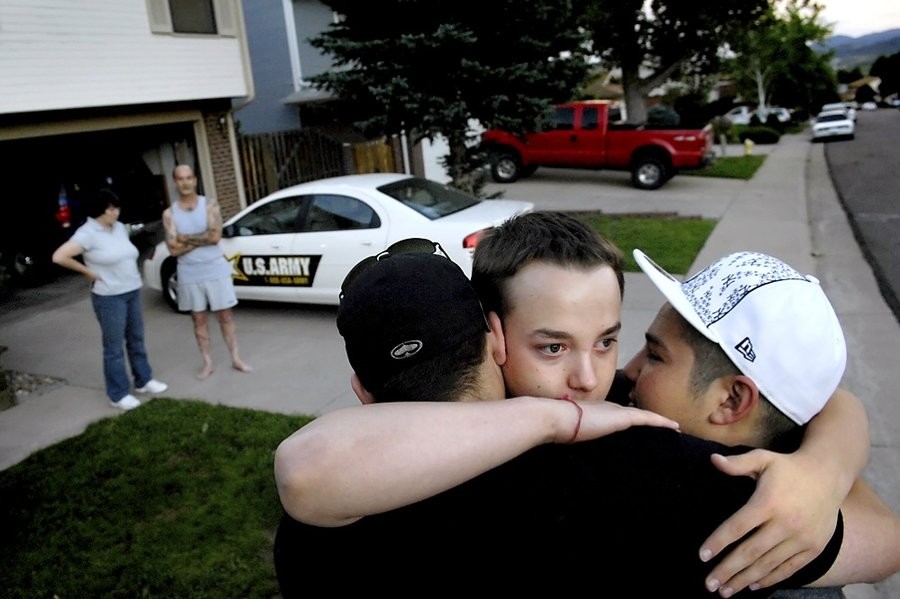
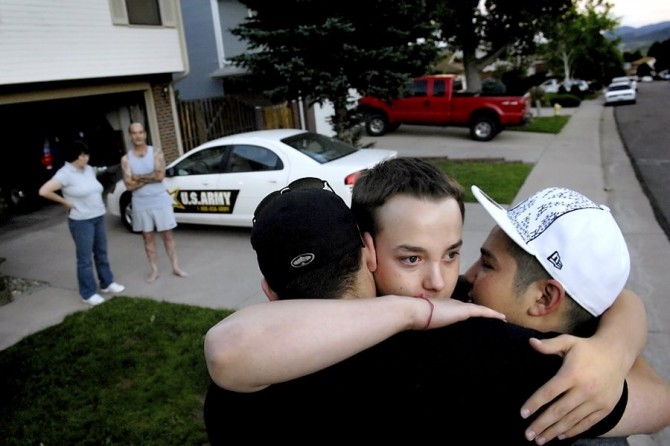
As Ian's father, Eric, waits in the driveway with the recruiter who's about to take Ian away to 14 weeks of basic training, Ian embraces friends Nick 'Buddha' Nelson, left, and Shane 'Pineapple' Doiel on June 17, 2007. Between hugs, Ian's eyes welled with tears. Ian approached his father. You got everything? Eric whispered. Yeah, Ian replied. The car pulled out, and Ian was gone. As soon as we saw him driving off, that’s when we realized how real it was, 'Buddha' said. (Craig F. Walker, Denver Post - 2009)
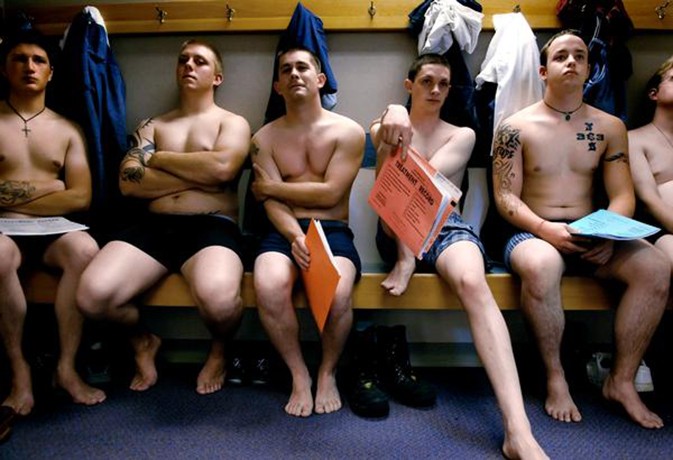
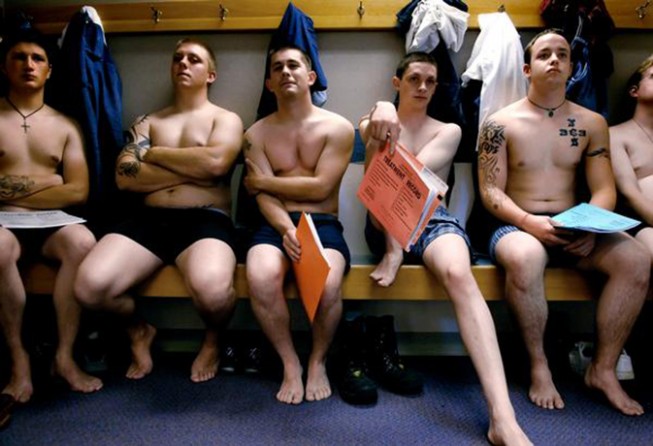
Fisher, second from right, waits for a medical exam with other recruits at the Denver Military Entrance Processing Station on June 18, 2007. They took the oath of enlistment and, later that day, Fisher would travel to Fort Benning, where his new life in the Army began. Over the next three days, he filled out forms. He stood in formation. And he joined in the constant repetition of the Soldier’s Creed: "...I will always place the mission first; I will never accept defeat; I will never quit; I will never leave a fallen comrade...". (Craig F. Walker, Denver Post - 2009)
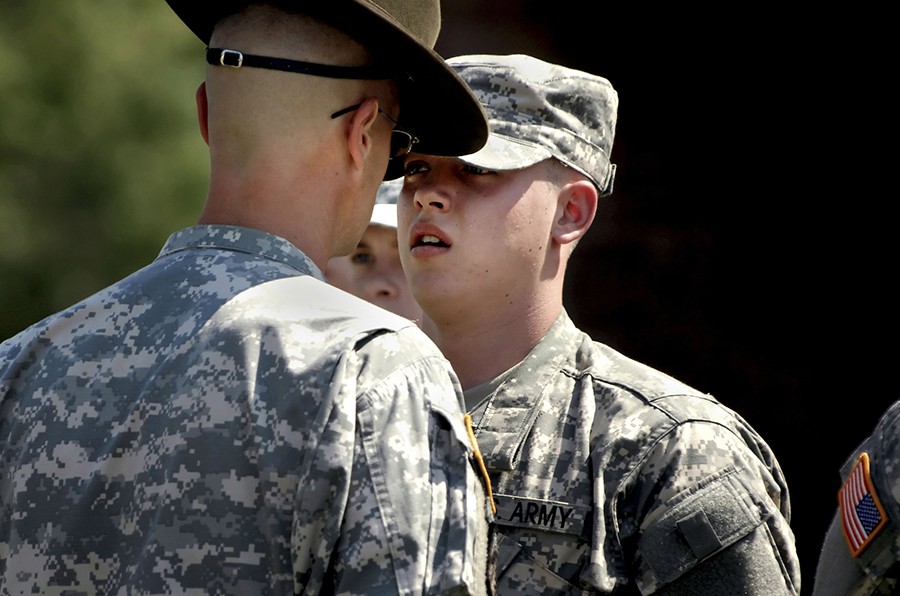
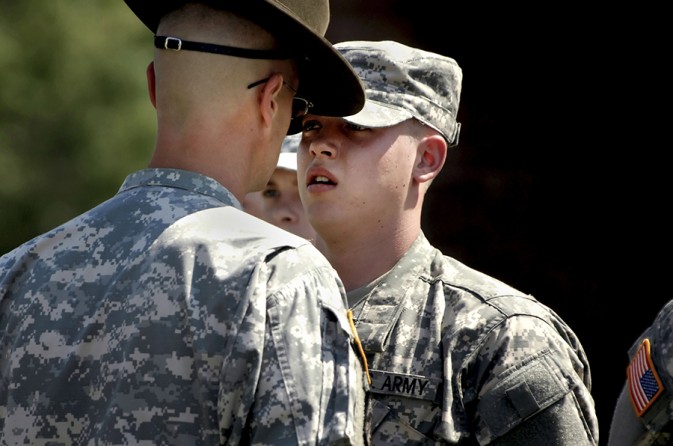
After three days of endless lines, little rest and second thoughts at processing, Fisher arrives June 22, 2007, at basic training and is introduced to his place in the military by drill sergeant David Vance. "We see who's going to quit in that first hour," says drill sergeant John Eldridge. "This scared me more than anything ever has," Fisher said of the jolting arrival at Fort Benning. He’d joined the Army to make a different life. Now that life was upon him. "I just keep telling myself to be happy," Fisher said. "I’m already feeling like a different person." (Craig F. Walker, Denver Post - 2009)
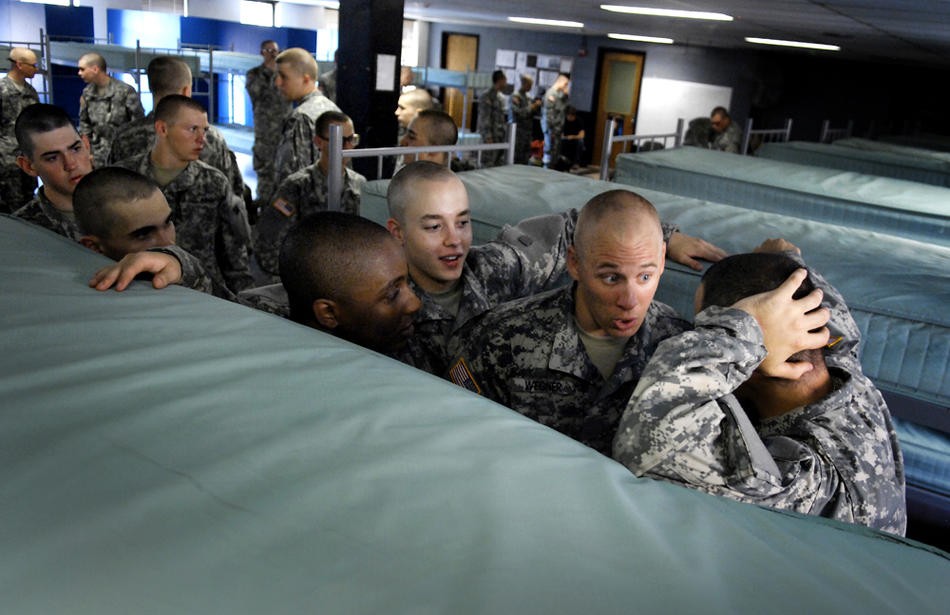
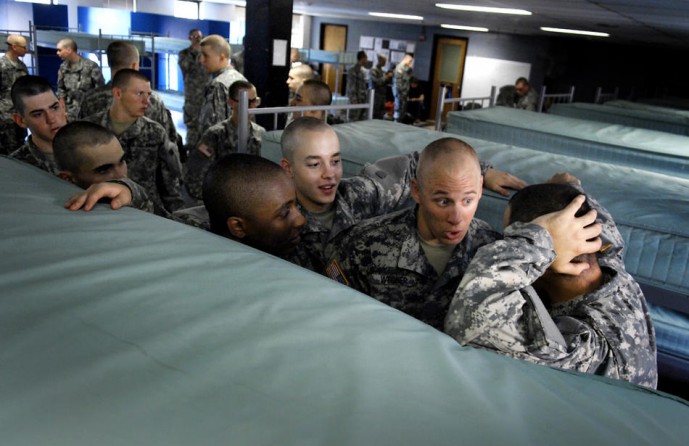
From left, recruits Rob-drick Robinson, Fisher and Christopher Wegner talk with Fisher’s bunkmate about his behavior June 23, 2007. He had been consistently causing problems, and the rest of the platoon was paying the price. Because of the culture of basic training, where all suffer for the faults of one, recruits often police their own ranks. Fisher said he worried that the pep talks for his bunkmate might not be enough but he wouldn’t be part of any physical confrontation. "I told him I’d be there for him," Fisher said. "But he just doesn’t seem to care." The bunkmate, an 18-year old who had been in and out of jail in his hometown of Syracuse, N.Y. and joined the Army as a last resort, would be gone within eight weeks like one-fifth of Fisher’s 40-man platoon. (Craig F. Walker, Denver Post - 2009)
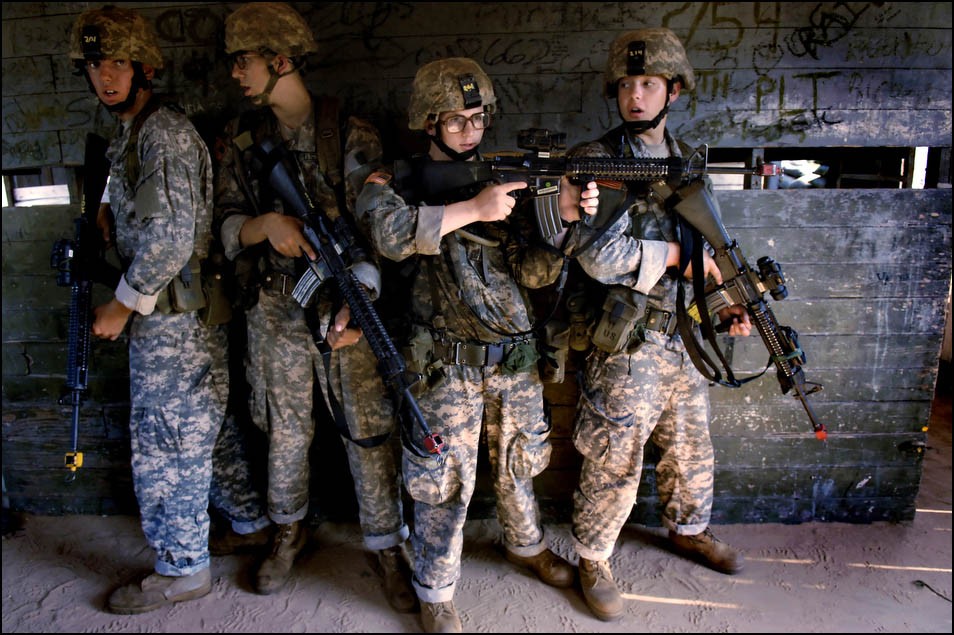
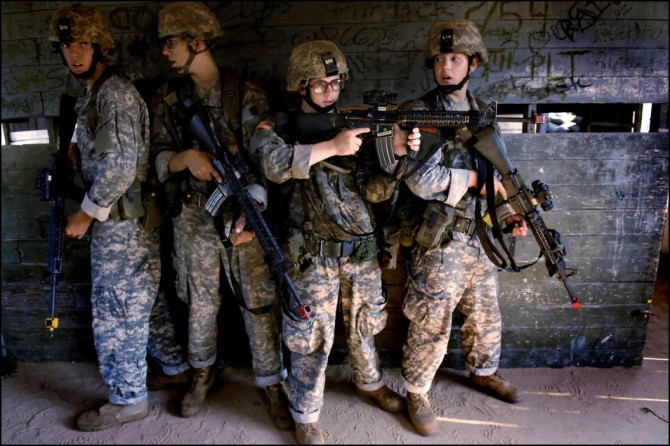
As his team prepares to clear and secure a room during a training drill, Fisher is the first man in a four-man stack. It’s Aug. 15, 2007, and Echo Company is deep into its Mission Oriented Urban Tactics exercises—three days focused on urban combat at Fort Benning. Drill sergeant Tommy Beauchamp has a lot of first-hand experience to share with the troops about urban combat: He served a tour of duty in Afghanistan and two tours in Iraq, where the battlefield loomed more complex than in previous wars. Craig F. Walker, Denver Post - 2009)
Following a long day - on top of a long week - and suffering from heat rash on his upper body, Fisher finds himself at his tent in Fort Benning, bowing his head in prayer Sept. 15, 2007. He explains later: "I've been praying that God takes this stuff off my back." Basic training had given him a cold, hard appraisal of his limitations. His ambitions had dissolved amid repeated and futile efforts to pass his physical-training test. Injuries had hindered his performance. Fisher did a reality check: Instead of excellence, he would settle for survival. (Craig F. Walker, Denver Post - 2009)
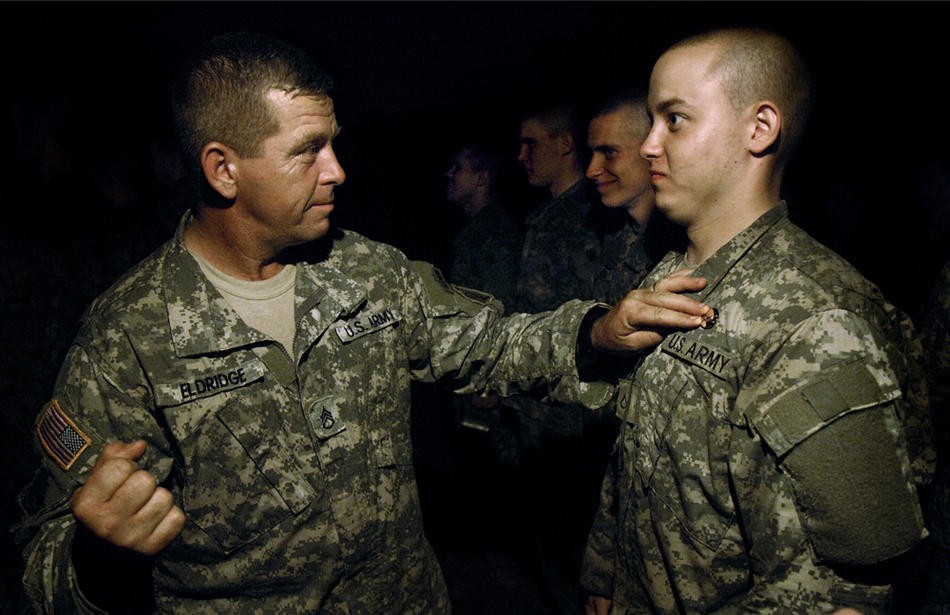
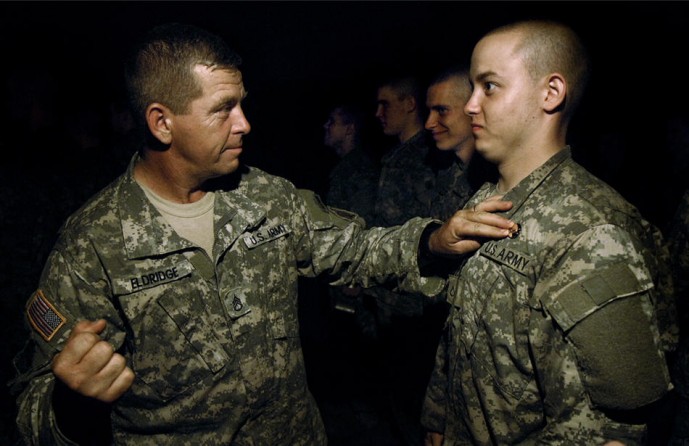
Fisher braces for his crossed-rifles pin, signifying his completion of training. Drill sergeant John Eldridge holds the pin in place and prepares to secure it with a fist. "I hit him square on the chest," Eldridge said. "He had two holes, and blood dripping down from each - 'blood rifles.'" Thirteen weeks of basic training had led Fisher to this—a 10-mile march through a series of high-stress combat tests that ended at a place called Honor Hill. A sergeant closed the ceremony Sept. 17, 2007: "You are now the guardian of freedom and the American way of life! A warrior!" (Craig F. Walker, Denver Post - 2009)
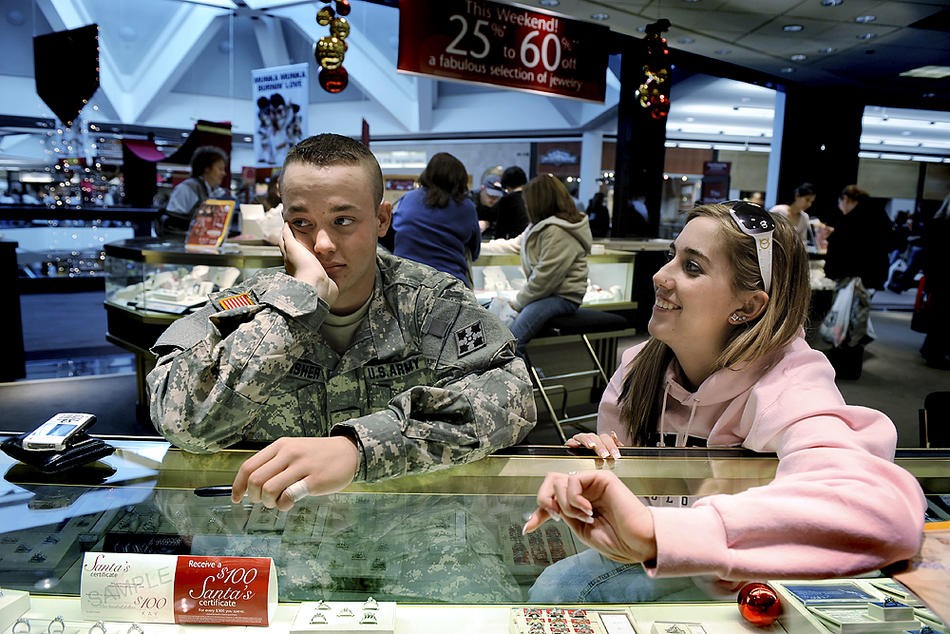
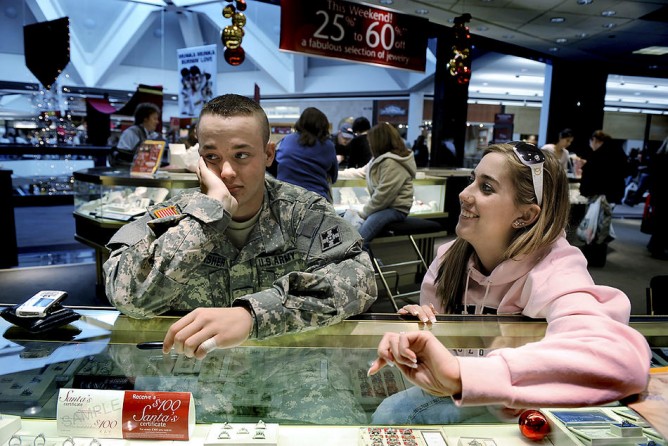
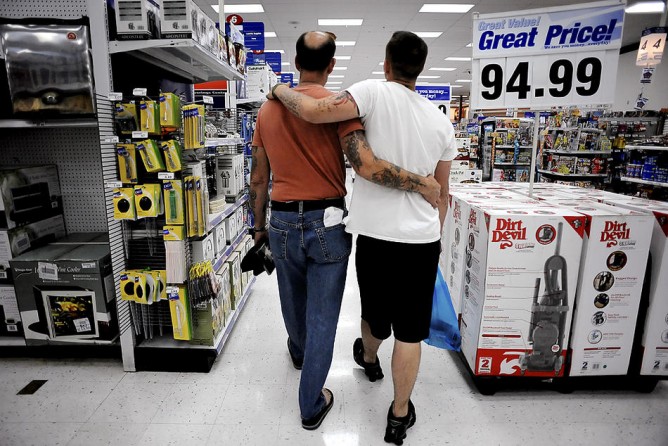
During a weekend home from his first assignment at Fort Carson, Colo., Ian walked through a Denver-area mall with his new girlfriend, Kayla Spitzlberger, on Dec. 15, 2007, and asked whether she wanted to go ring shopping. She was excited, but working out the financing made him nervous. They picked out the engagement ring in about five minutes, but Ian wouldn't officially propose until Christmas Day in front of her family. The couple had met in freshman math class but never really dated until now. She wrote to him during basic training and decided to give Ian a chance. The engagement would end before Valentine's Day. (Craig F. Walker, Denver Post - 2009)
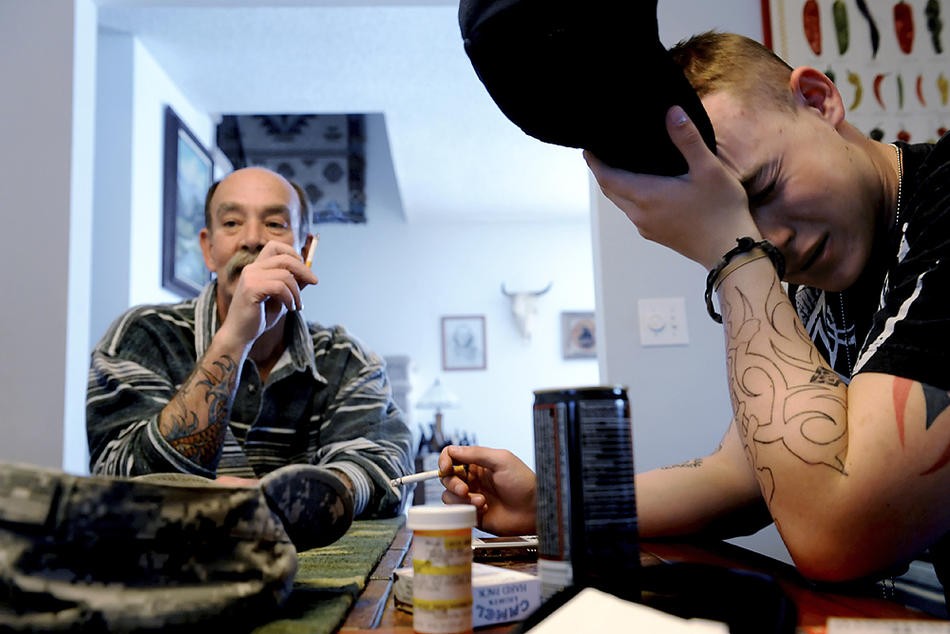
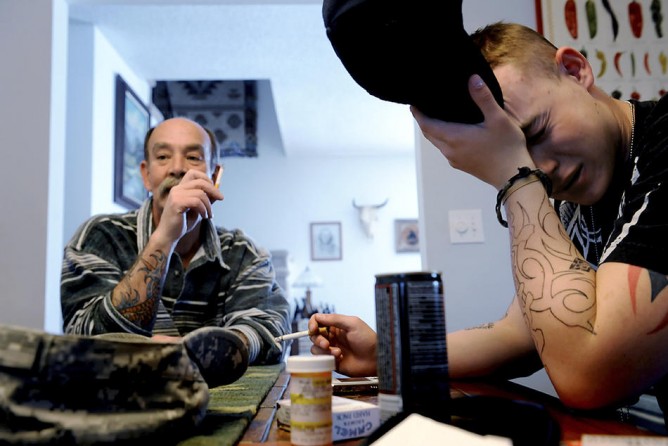
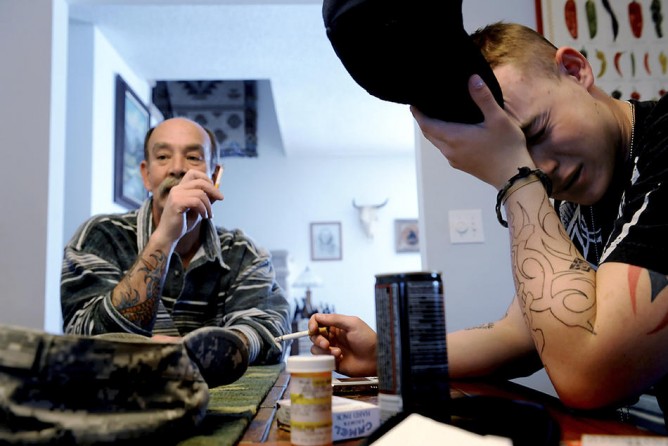
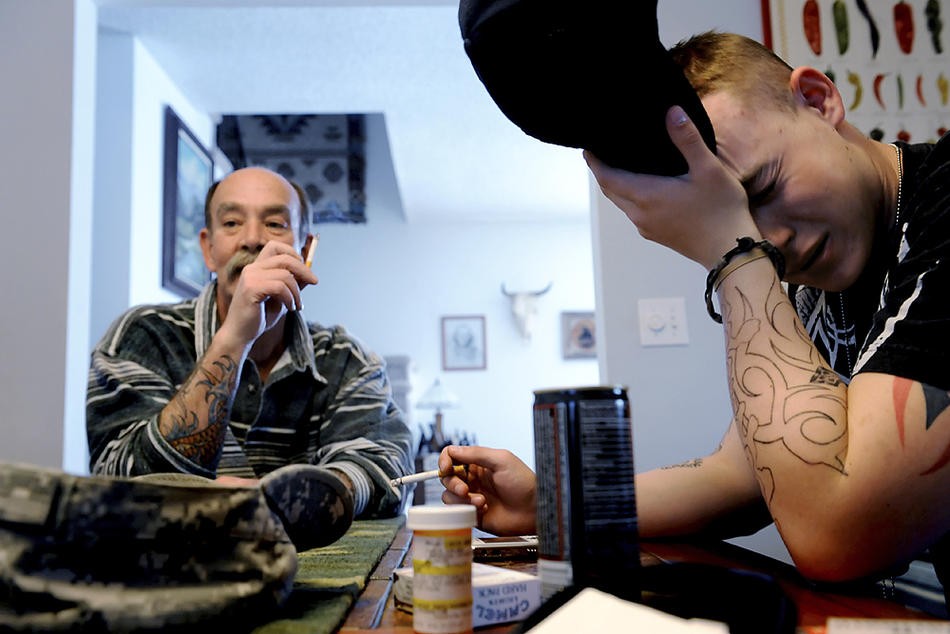
Ian survived basic training, but he faced a steep learning curve when it came to everyday Army life. Assigned to Fort Carson, just over an hour's drive from his teenage stomping grounds in Colorado, he found himself pulled in two directions. The Army sought to prepare him for the rigors of deployment in Iraq. But on the home front, his weekend visits with friends reminded him of the carefree life he'd left behind. Again home for the weekend March 8, 2008, Ian sits at the table with his essentials: cellphone, energy drink, cigarettes and a bottle of Vicodin. After a series of training injuries, Ian is taking pain medications and muscle relaxants. His father, Eric, expressed concern about the drugs. "I think you’re abusing them," he said. "You keep taking those as recreational and you're going to end up immune to them." Ian dismissed it: "At least it's not coke, Ecstasy, weed.... I've got like six, seven different medications now. They give it to you for a reason. I'm not going to just let them sit there.".(Craig F. Walker, Denver Post - 2009)
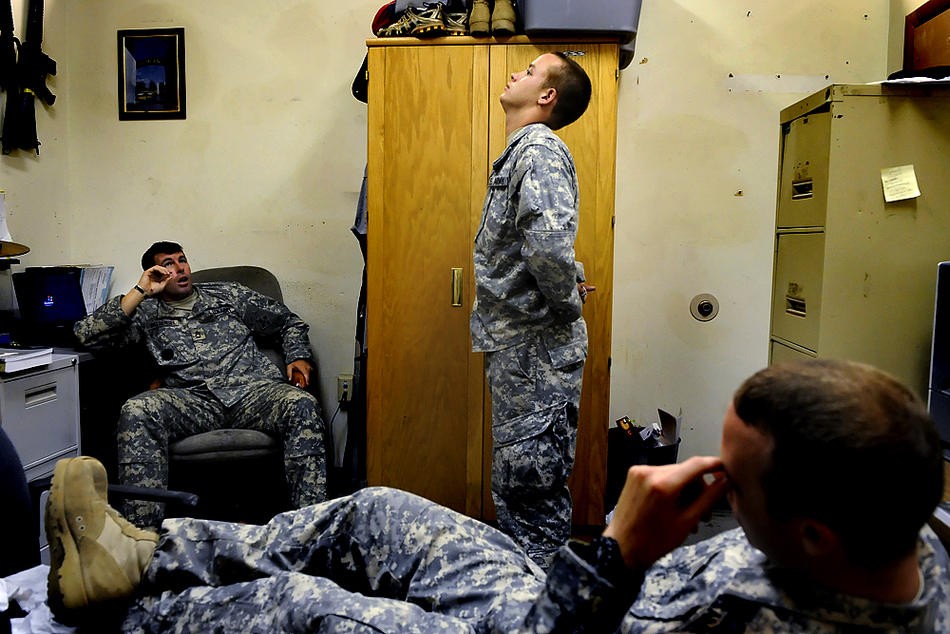
Fisher shows his frustration during a counseling session at Fort Carson with Sgt. 1st Class Joshua Weisensel on July 24, 2008. For a second time, Fisher had returned late from a weekend home. Now he had turned himself in for having a drug problem. In the days to follow, Fisher's continued failure to cooperate put him in danger of getting kicked out of the Army. Instead, the commander gave him another chance, assigning him to a new platoon. Punishment included extra duty, loss of pay and a reduction in rank from a private first class to private 1. But it was a fresh start. (Craig F. Walker, Denver Post - 2009)
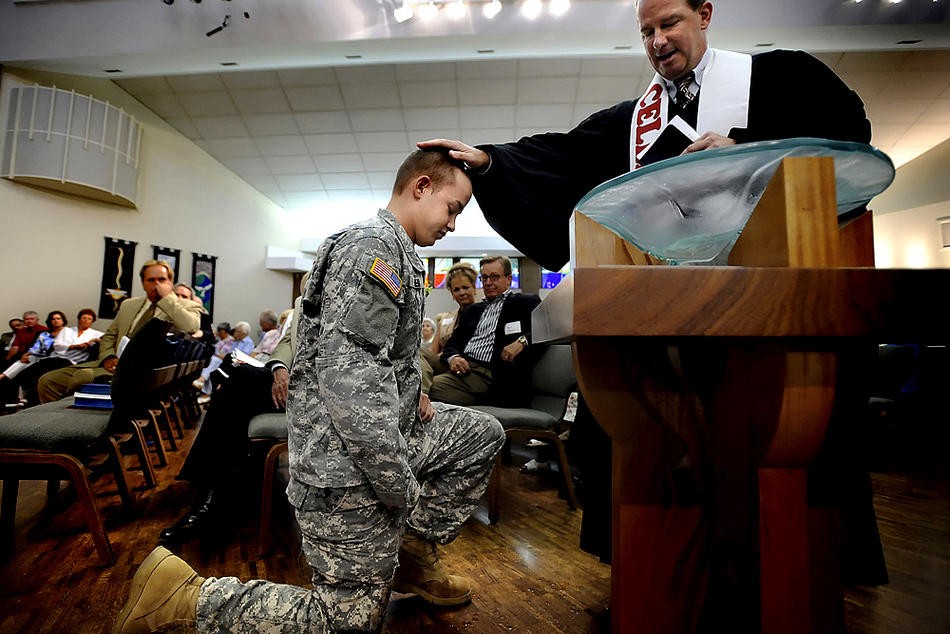
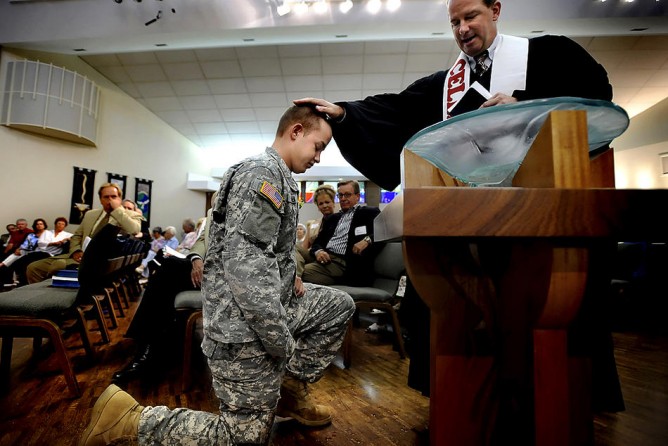
The Rev. John H. Bell Jr. lays a hand on Ian during a baptism at Wellshire Presbyterian Church in Denver on July 13, 2008, Ian’s mother’s birthday. Teri Mercill said the greatest gift she could ask for was to see her son baptized before he deploys to Iraq. "It has given me a lot stronger sense of peace letting him go on deployment," she said. "I just feel like he has that little extra in his pocket to watch over him... He might have started out doing it for me, but I think he ended doing it for himself." (Craig F. Walker, Denver Post - 2009)
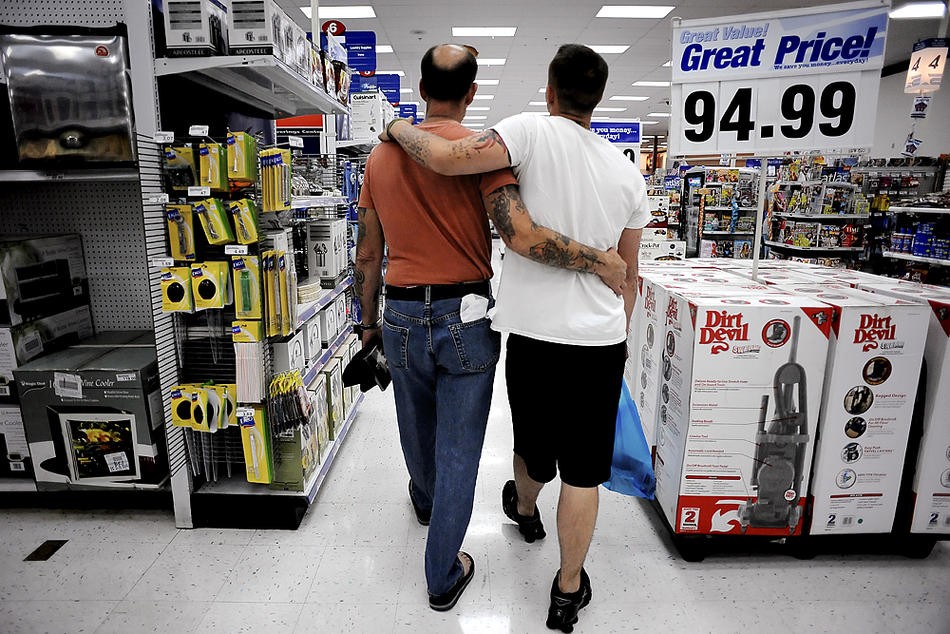
Ian and his dad share some time at the PX at Fort Carson on Sept. 1, 2008, when his family dropped him off for deployment to Iraq. Eric, a Vietnam veteran, offers him advice only a soldier could give: "Basically I said two things to him. No. 1, I said, ‘I want you to be careful all the time and trust your instincts.’ No.2, I said, 'If you’re going down, give 'em hell. Fire 'till your last breath.' At that point he squeezed me, like, 'I understand,' you know? And we didn't say anything else." (Craig F. Walker, Denver Post - 2009)
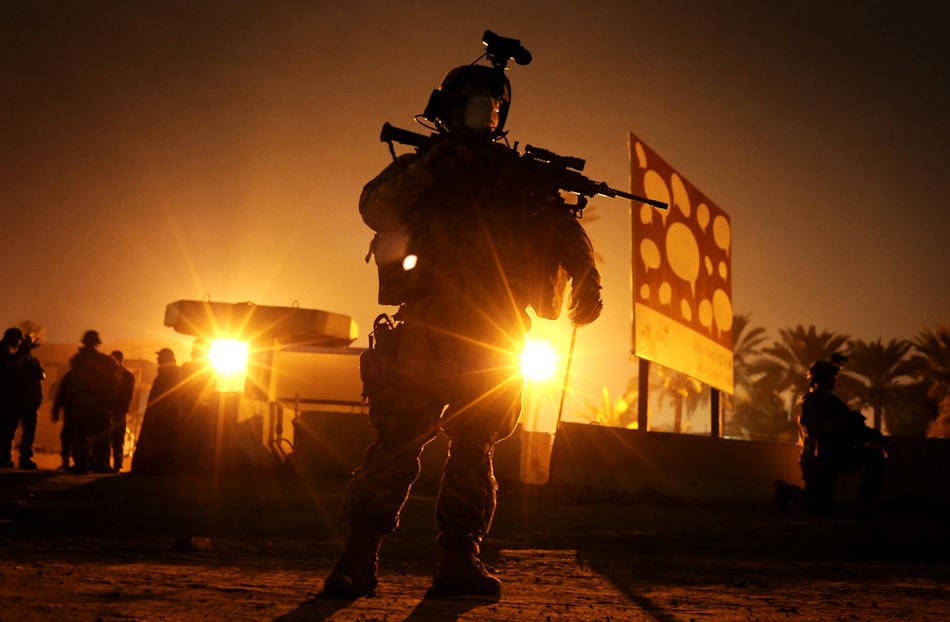
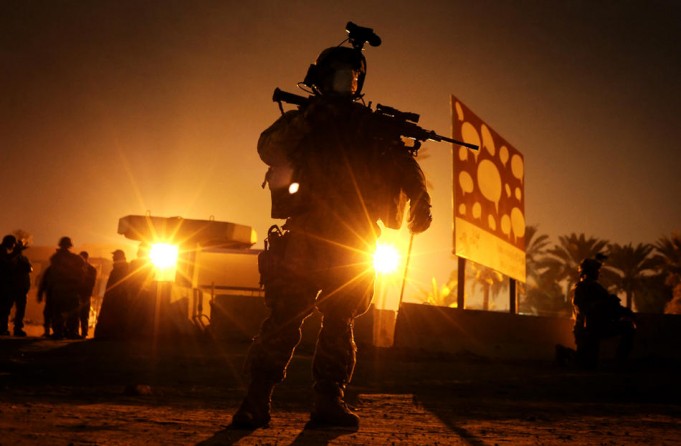
Fisher pulls security detail Dec. 10, 2008, for a meeting between intelligence troops and local residents near the site of a recent rocket attack in Diwaniyah, Iraq. He's excited to get selected for the task, and for the chance to finally wield his Squad Automatic Weapon in Iraq, three months into his deployment. Trained for combat and primed to fight, Fisher arrived in Iraq in September 2008 along with about 3,800 troops of the 2nd Brigade Combat Team. He had expectations for Iraq, and new ones for his life. Given a second chance after missteps at Fort Carson, field commanders saw his potential as a soldier. But they remained wary of issues that had surfaced before he’d shipped out, when substance abuse and lapses of judgment got him demoted—and nearly got him booted from the military. Fisher plunged into his unit’s deployment with new resolve. But while he’d gone looking for a fight, he arrived at a time when the U.S. military role had been scaled back. Fisher adjusted to his role with the help of seasoned veterans. (Craig F. Walker, Denver Post - 2009)
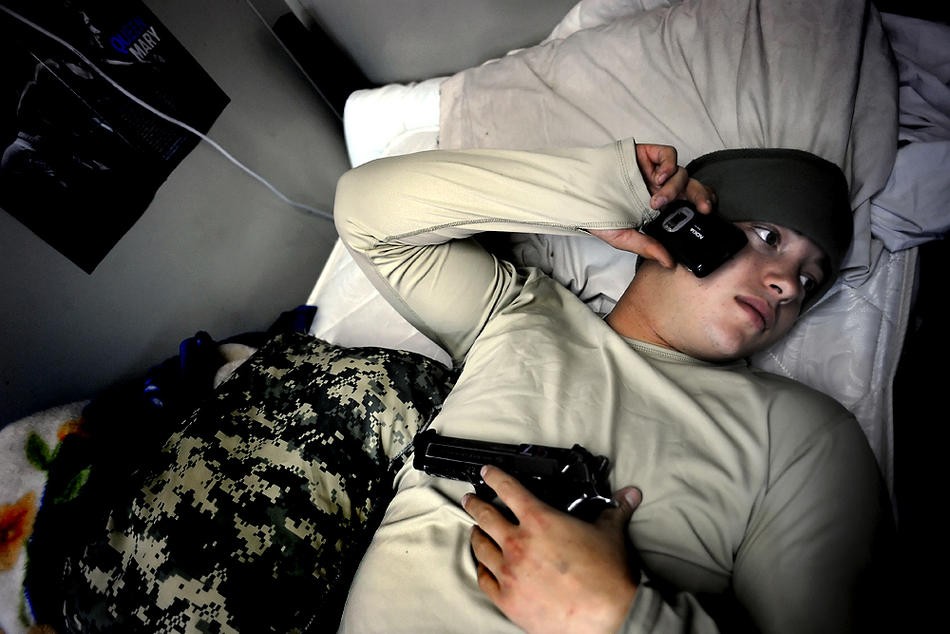
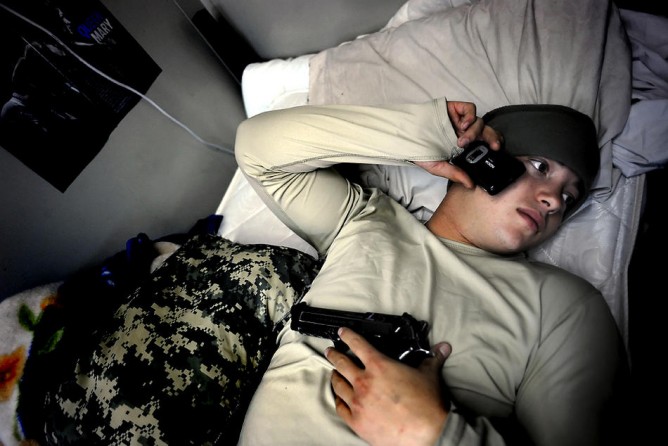
Fisher rests on his bed with his 9mm while calling a girlfriend back home Dec. 7, 2008. A couple of weeks earlier, while communicating with friends on MySpace, he came to the realization that his on-again, off-again relationship with Kirsten Oliver was really over. "It's one of those things, man," he said. "You can’t really let it hit you. Just continue with the mission... What the hell am I supposed to do?" Soon after, he began calling a former girlfriend. They talked about getting together when he returned stateside (Craig F. Walker, Denver Post - 2009)
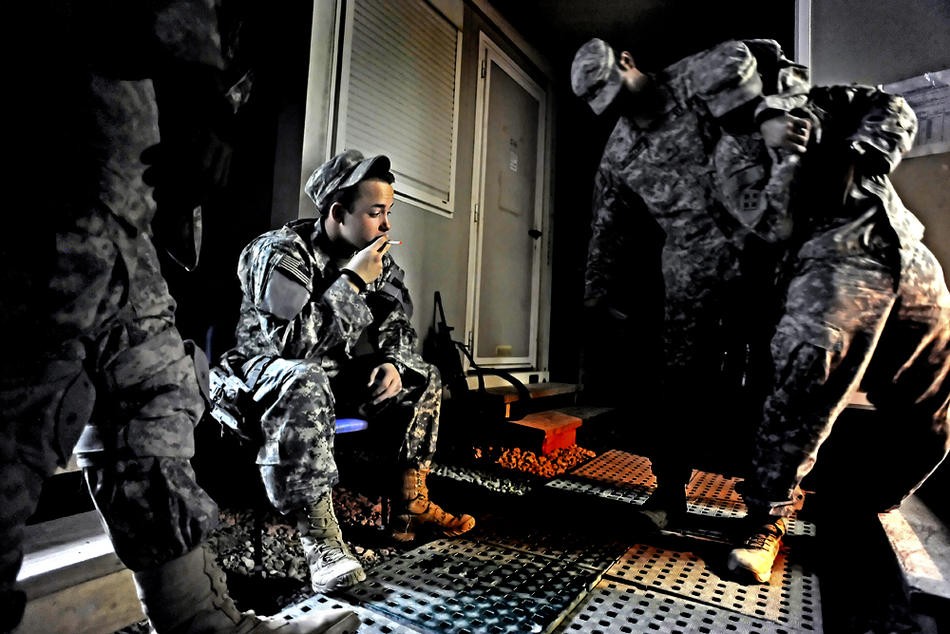
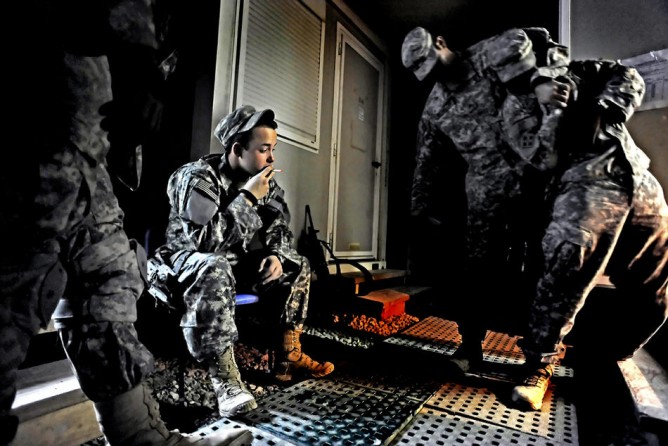
As Sgt. Lonnie Buthmann and Pvt. Rob-drick Robinson roughhouse, Fisher grabs as smoke Nov. 28, 2008. The Iraq of late 2008 is nothing like the Iraq that Ian envisioned upon enlisting. With violence down and U.S. troops giving more control to local forces, Fisher questioned his purpose. Instead of facing off with the enemy, U.S. troops were being asked to provide transportation, react to events long after the fact and undertake mundane chores. But as the time passed, Fisher began to make sense of it: "Maybe it’s about learning to soldier up and do your job in life. Maybe that's what a real soldier is." (Craig F. Walker, Denver Post - 2009)
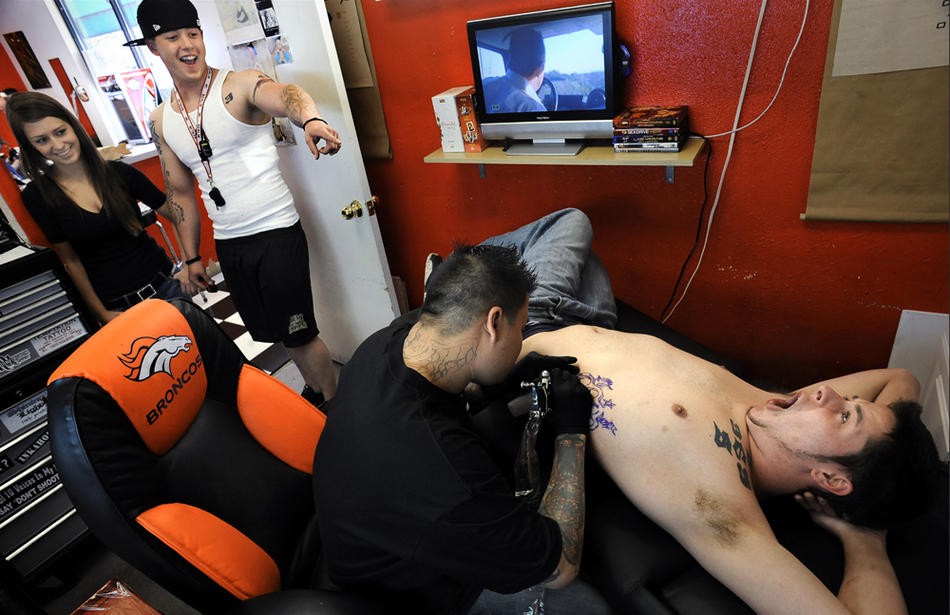
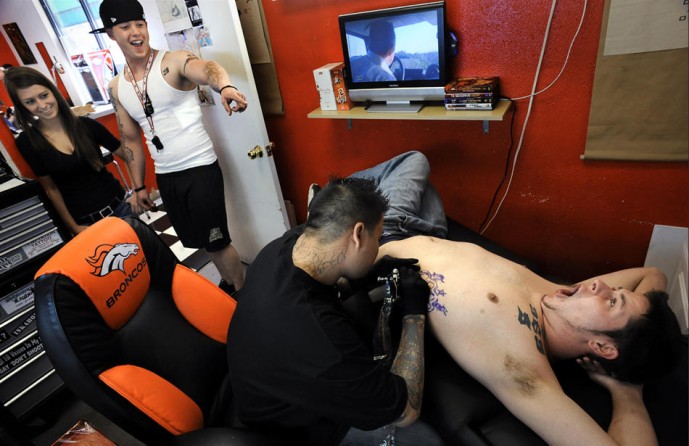
Ian and his new girlfriend, Devin Ervin, enjoy watching Nick 'Buddha' Nelson get a brass-knuckles tattoo March 14, 2009, in Lakewood, Colo. Ian got a matching one earlier that day. The design includes an 'N' and an 'F,' for their last names. "He's my best friend," Ian says. The tattoo "represents all the trouble we have gotten into together." The trio were inseparable during Ian's leave from his tour in Iraq. "We’re boyfriend and girlfriend," Devin said later. "I don’t remember how that happened, but I think we just figured it out together, not really saying anything to each other. But it happened." (Craig F. Walker, Denver Post - 2009)
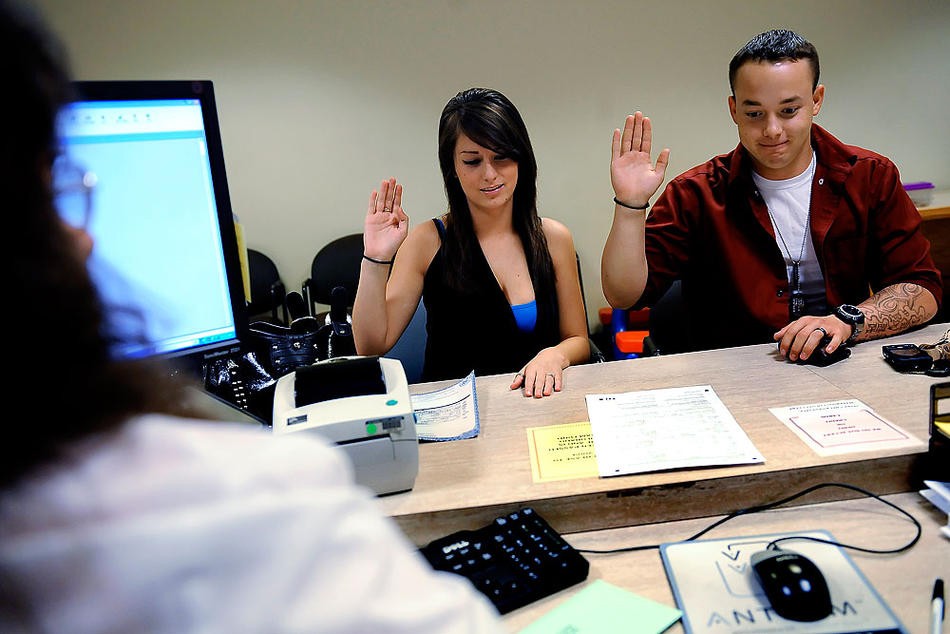
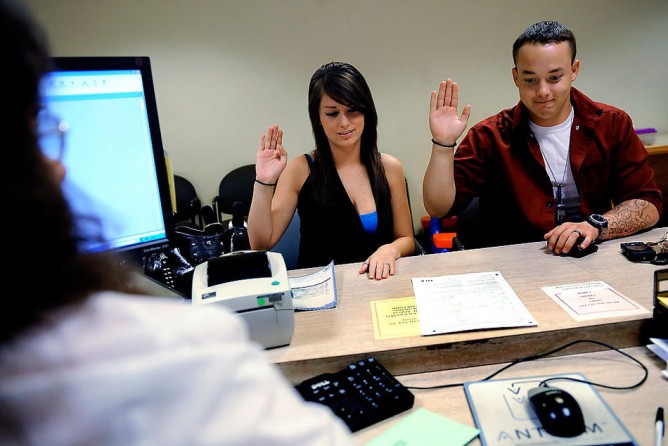
On Aug. 24, 2009, three days after Ian's return from Iraq, he and Devin applied for a marriage license at the Jefferson County, Colo., clerk's office. The couple were married an hour later in a quiet courtroom. They were eager to get married immediately. Driving away, Ian turned down the music. "Ya know, everyone gets counseled in Iraq that life is not going to be like your fantasy when you get back home," he said. "...Well, I'm checking this off my fantasy list." (Craig F. Walker, Denver Post - 2009)
Biography
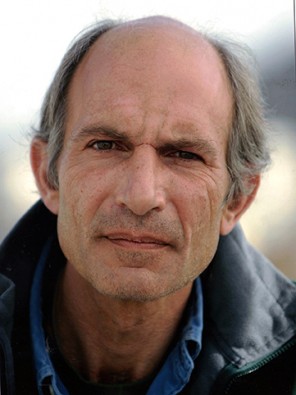
Since Sept. 11, 2001, Denver Post staff photojournalist Craig F. Walker has covered some of the most important reverberations of the terror attacks in New York and Washington, D.C., fixing a compassionate lens on the men, women and children tangled then, and now, in the continuing story of geopolitical conflict. He chronicled the aftermath of the collapse of the World Trade Center towers in New York, the war in Afghanistan in 2001 and 2002, the installation of Hamid Karzai as head of Afghanistan’s provisional government in 2001, and the deployment of American troops in Kuwait in 2003, and in Iraq in 2005 and 2009. His photographs of child camel jockeys racing in the Kuwaiti desert received first place in 2004 from the National Press Photographers Association and Pictures of the Year International. In 2009, his photo essay "Ian Fisher: American Soldier" won the grand prize in Editor & Publisher’s Photos of the Year competition. His honors also include a first-place National Headliners Award in 2002 for a portfolio of work.
Walker came to the Post in 1998 from the Berkshire Eagle in Pittsfield, Mass., where, he chronicled the final six months in the life of a woman with AIDS. A graduate of the Rhode Island School of Photography, he began his career in Massachusetts, at the Marlborough Enterprise.