Early Poetry jurors struggled to spread the prize around
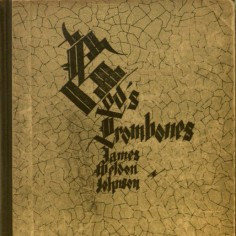
Harlem Renaissance poets won honorable mention in the 1920s and ’30s — but no prizes.
Harlem Renaissance poets won honorable mention in the 1920s and ’30s — but no prizes.
Pulitzer-winning photographer David Hume Kennerly recalls learning of his award while on assignment in Vietnam — and fearing it was a prank — and his mission to preserve news photographs.
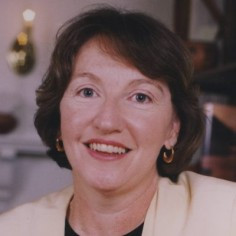
Eileen McNamara’s human touch as a reporter played well when she became a columnist, too.
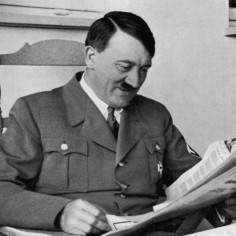
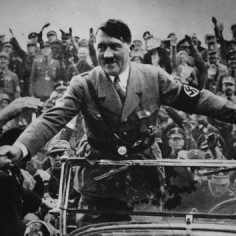
The biggest running international story of the 1930s was the rise to power of Adolf Hitler and his Nazi Party. Today we share the work of four reporters who won Pulitzer Prizes for covering this story.
As part of the Pulitzer Centennial Campfires initiative, students at Missouri Journalism School created a digital project celebrating Pulitzer winners from small-circulation news outlets called 'No Small Pulitzers.' Learn more about their work and read a sample here.
Despite a clear-eyed critique of affirmative action, a columnist is suspicious of an effort to end it.
In this piece commissioned by the South Dakota Humanities Council as part of the Pulitzer Centennial Campfires Initiative, Robert Cohen discusses the many angles of community photography.
The 1950s proved to be a transitional decade in American poetry. While a new postwar generation of poets emerged, the old guard often held sway when it came time to select winners of the Pulitzer Prize.
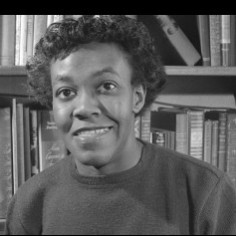
The year she became the first African-American to win a Pulitzer Prize, Brooks told her editor that in a life filled with housework, writing 'is the only work in which I am interested.'