For a distinguished and appropriately documented book of nonfiction by an American author that is not eligible for consideration in any other category, Fifteen thousand dollars ($15,000).

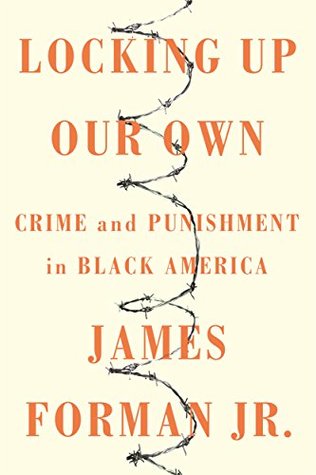
Locking Up Our Own: Crime and Punishment in Black America, by James Forman Jr. (Farrar, Straus and Giroux)

An examination of the historical roots of contemporary criminal justice in the U.S., based on vast experience and deep knowledge of the legal system, and its often-devastating consequences for citizens and communities of color.

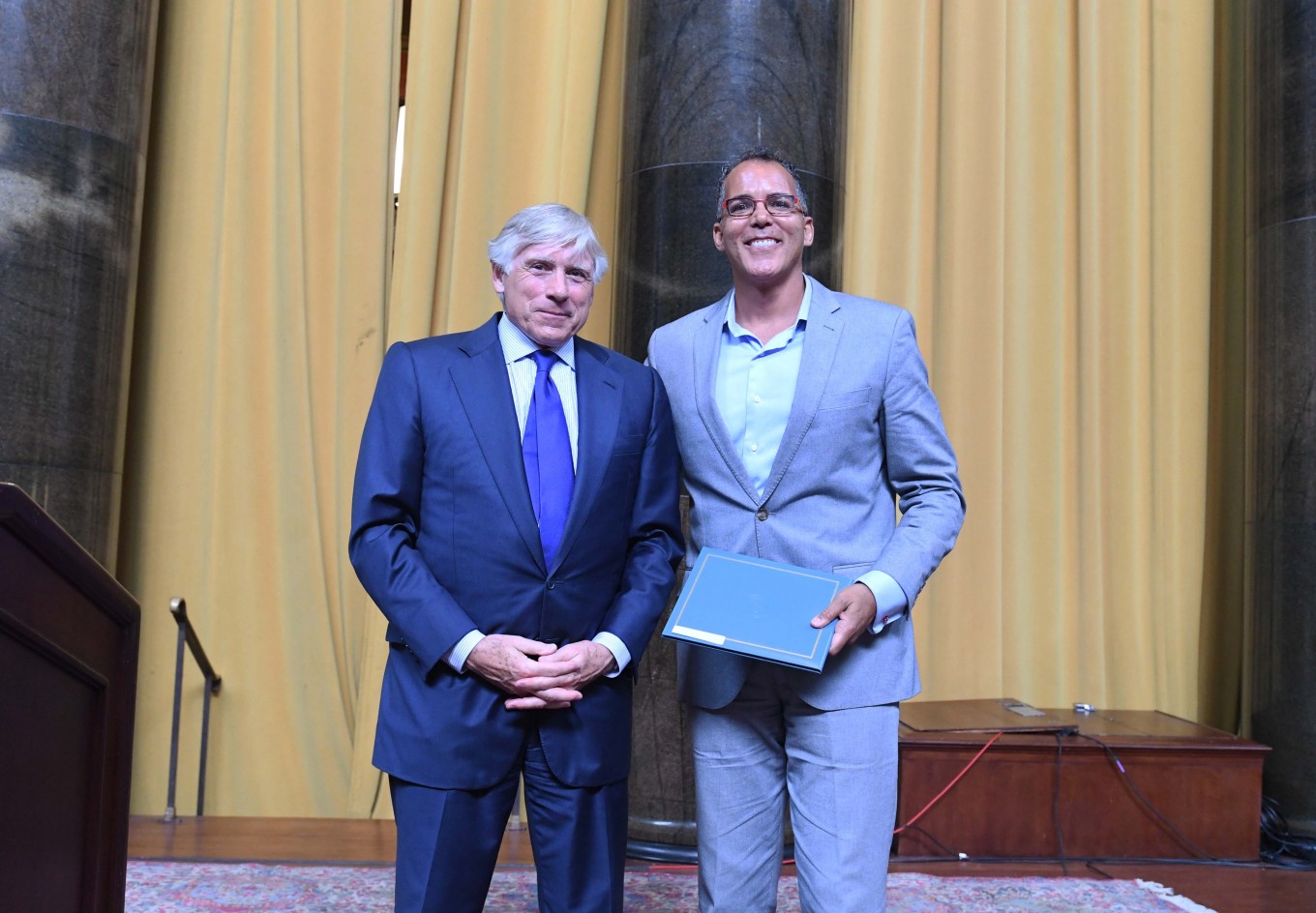
James Forman Jr. accepts the 2018 Pulitzer Prize for General Nonfiction from Columbia University President Lee Bollinger. (Photo: Eileen Barroso/Columbia University)

Winning Work

Locking Up Our Own: Crime and Punishment in Black America

In recent years, America’s criminal justice system has become the subject of an increasingly urgent debate. Critics have assailed the rise of mass incarceration, emphasizing its disproportionate impact on people of color. As James Forman, Jr., points out, however, the war on crime that began in the 1970s was supported by many African American leaders in the nation’s urban centers. In "Locking Up Our Own," he seeks to understand why.

Forman shows us that the first substantial cohort of black mayors, judges, and police chiefs took office amid a surge in crime and drug addiction. Many prominent black officials, including Washington, D.C. mayor Marion Barry and federal prosecutor Eric Holder, feared that the gains of the civil rights movement were being undermined by lawlessness—and thus embraced tough-on-crime measures, including longer sentences and aggressive police tactics. In the face of skyrocketing murder rates and the proliferation of open-air drug markets, they believed they had no choice. But the policies they adopted would have devastating consequences for residents of poor black neighborhoods.

A former D.C. public defender, Forman tells riveting stories of politicians, community activists, police officers, defendants, and crime victims. He writes with compassion about individuals trapped in terrible dilemmas—from the men and women he represented in court to officials struggling to respond to a public safety emergency. "Locking Up Our Own" enriches our understanding of why our society became so punitive and offers important lessons to anyone concerned about the future of race and the criminal justice system in this country.

-- from the publisher
Biography

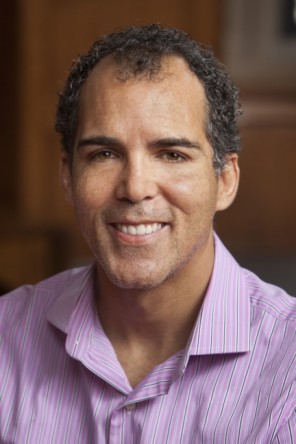
James Forman Jr. is a professor of law at Yale Law School. He has written for The New York Times, The Atlantic, numerous law reviews, and other publications. A former clerk for Supreme Court Justice Sandra Day O’Connor, he spent six years as a public defender in Washington, D.C., where he cofounded the Maya Angelou Public Charter School.

Finalists

Nominated as finalists in General Nonfiction in 2018:

Richard O. Prum

A fascinating, nuanced and compelling account of the potentially unsettling implications surrounding sexual selection.

Suzy Hansen

A brave and disturbing account of what it means to be an American in the world during the first decades of the 21st century.

The Jury

Ann Fabian(Chair)

Distinguished Professor Emerita of History

Laurent Dubois

Professor of Romance Studies

Elizabeth Kolbert*

Staff Writer

Winners in General Nonfiction

Matthew Desmond

For a deeply researched exposé that showed how mass evictions after the 2008 economic crash were less a consequence than a cause of poverty.

Joby Warrick

A deeply reported book of remarkable clarity showing how the flawed rationale for the Iraq War led to the explosive growth of the Islamic State.

Elizabeth Kolbert

An exploration of nature that forces readers to consider the threat posed by human behavior to a world of astonishing diversity.

Dan Fagin

A book that deftly combines investigative reporting and historical research to probe a New Jersey seashore town's cluster of childhood cancers linked to water and air pollution.

2018 Prize Winners

Staff of The Washington Post

For purposeful and relentless reporting that changed the course of a Senate race in Alabama by revealing a candidate’s alleged past sexual harassment of teenage girls and subsequent efforts to undermine the journalism that exposed it.