Finalist: Nanna Heitmann, contributor, The New York Times
Nominated Work
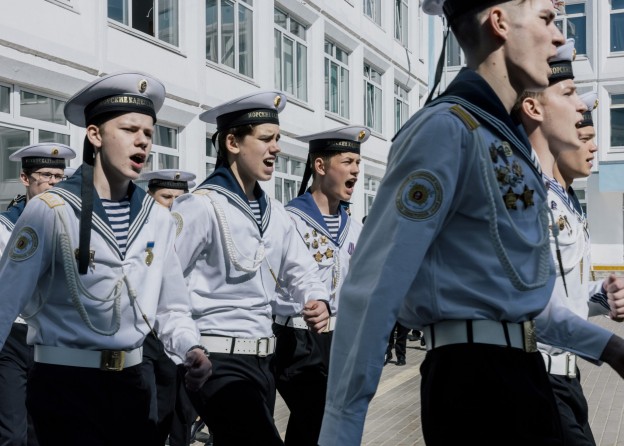
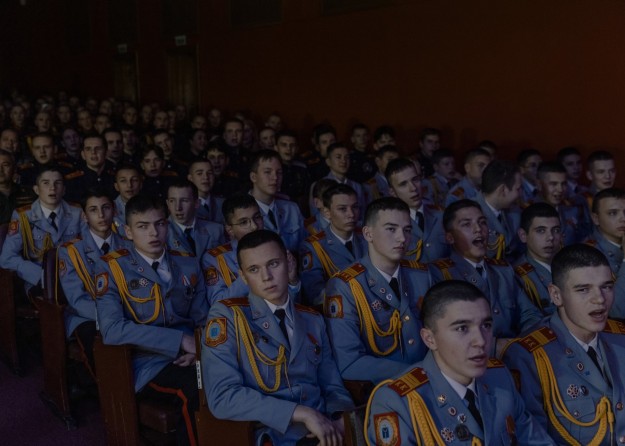
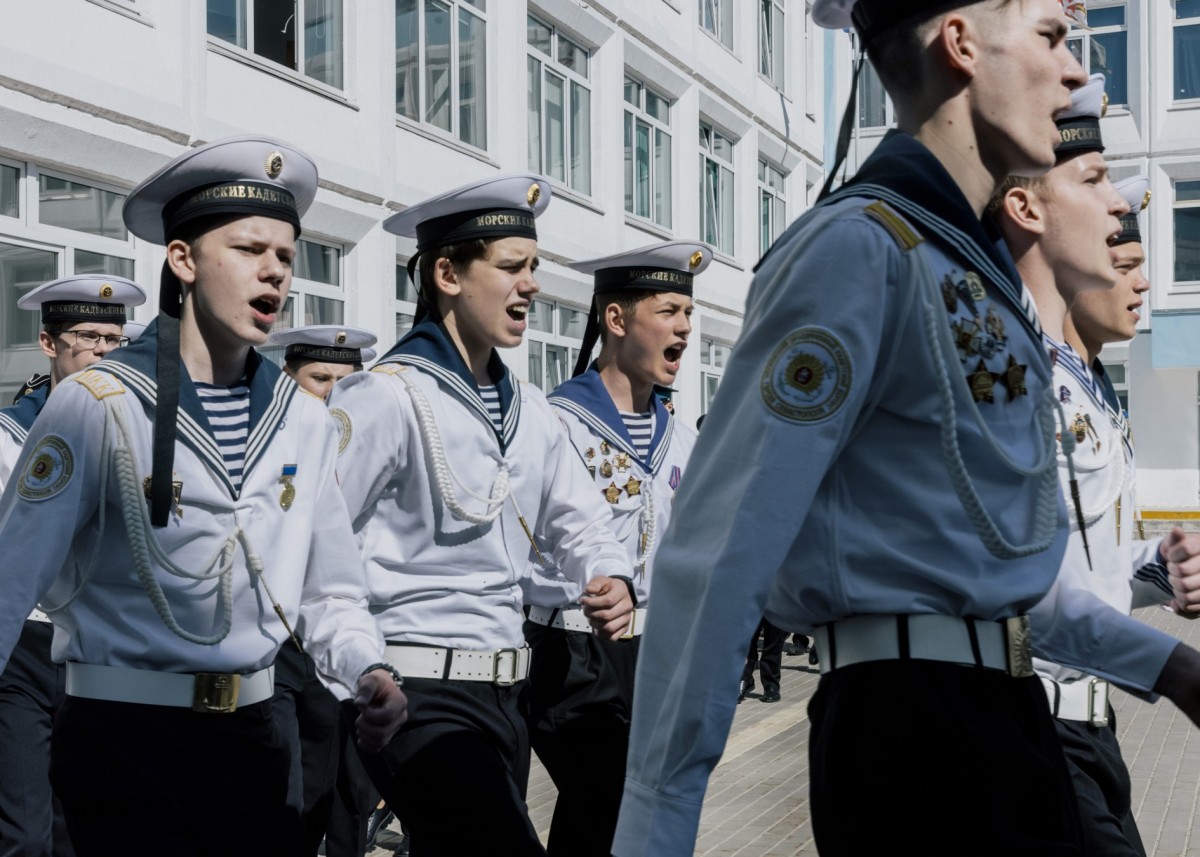
A militaristic nationalism, propagated from an early age, has become a foundation of President Vladimir V. Putin’s 24-year rule. Here, cadets who have just finished their studies are captured, fists clenched, in a state of fervid exaltation.
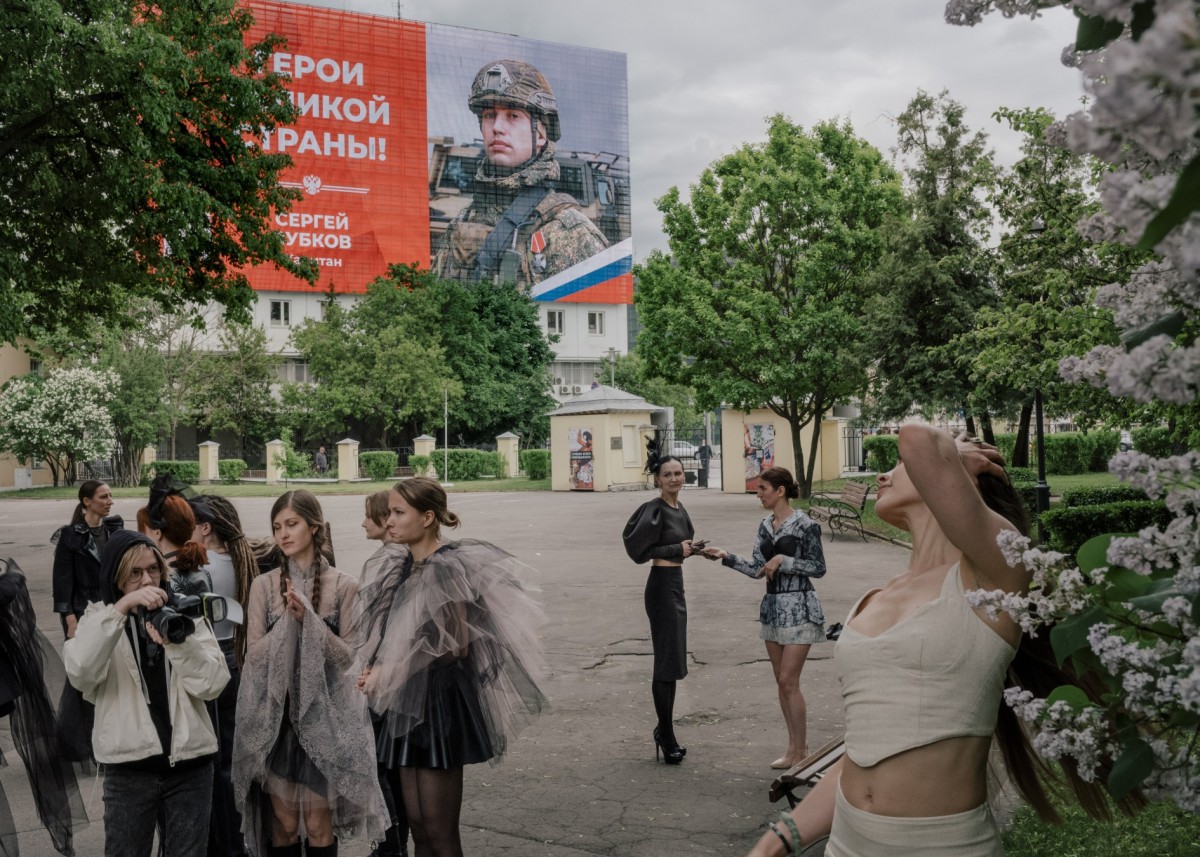
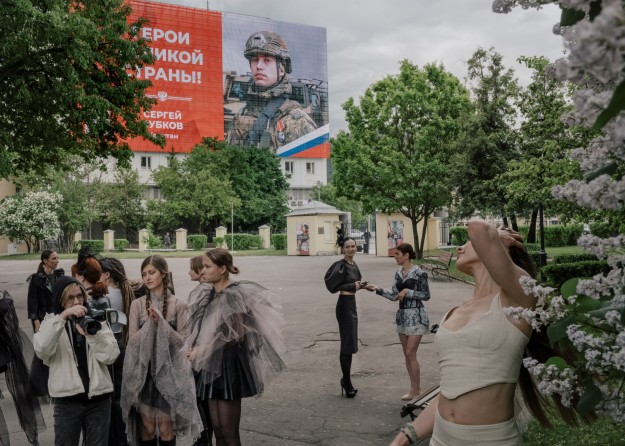
The war hero portrayed in a recruitment billboard gazes out over the heedless young Moscow contestants in a fashion show. “Hero of the Great Country!” reads the text. Russia is split: Life goes on in major cities as remote regions suffer the full impact of the war.
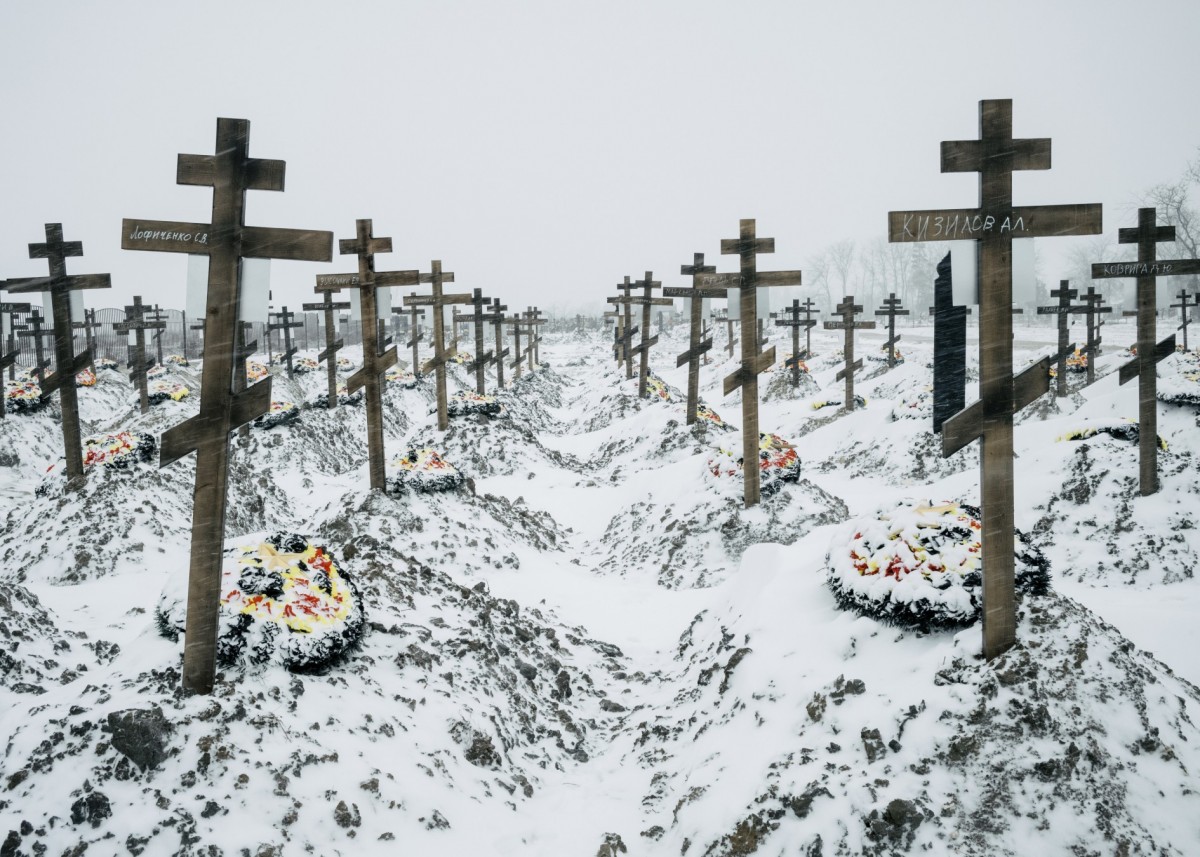
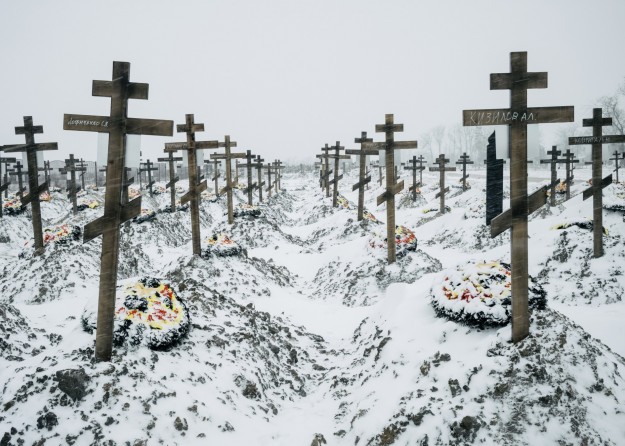
A stark and wintry field of makeshift crosses near the Black Sea marks the graves of Wagner mercenary forces killed in Ukraine.
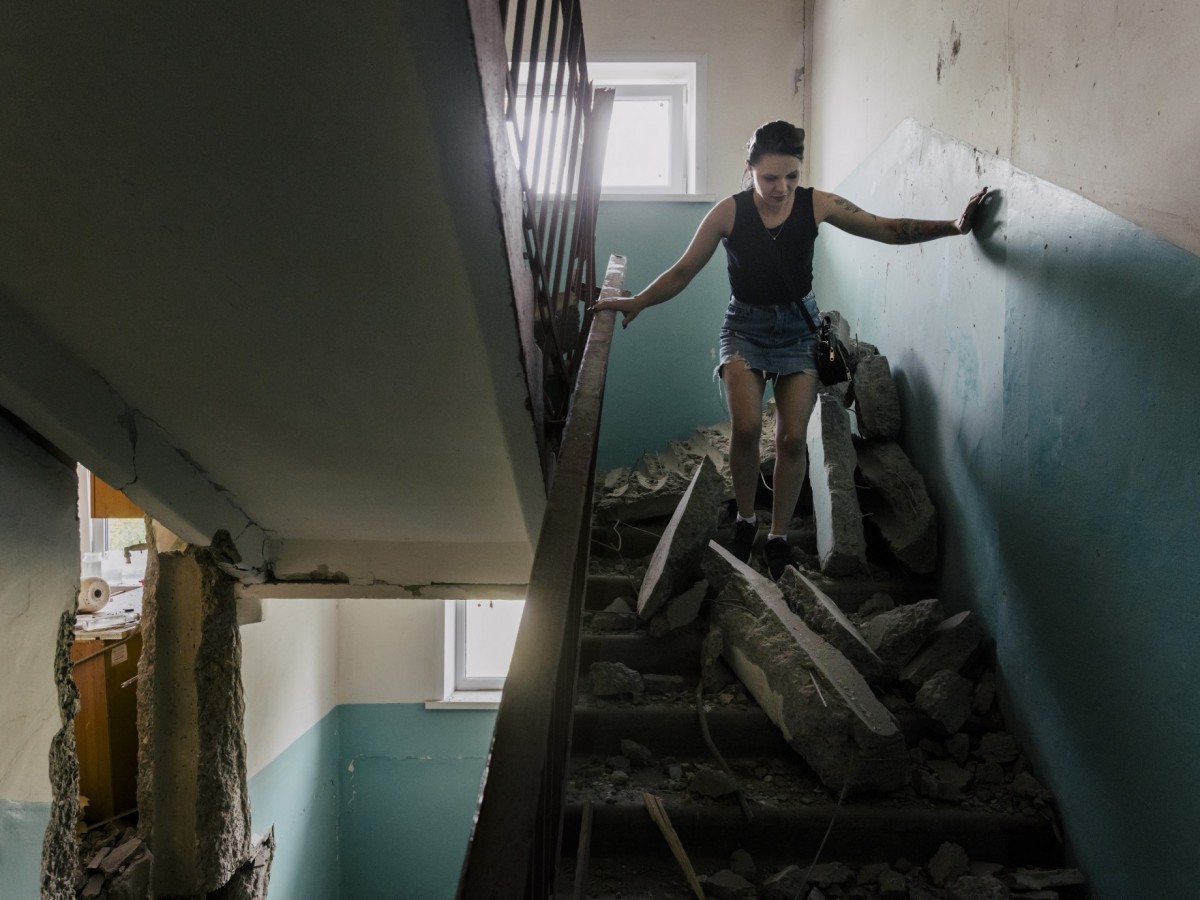
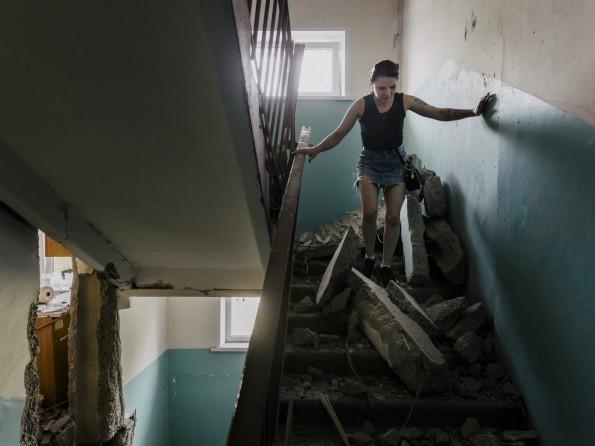
Russia’s war in Ukraine came home in the summer of 2023 as Ukrainian forces struck the western Russian border town of Shebekino. Alena Moleva picked her way through a scene of random devastation familiar to millions of Ukrainians.
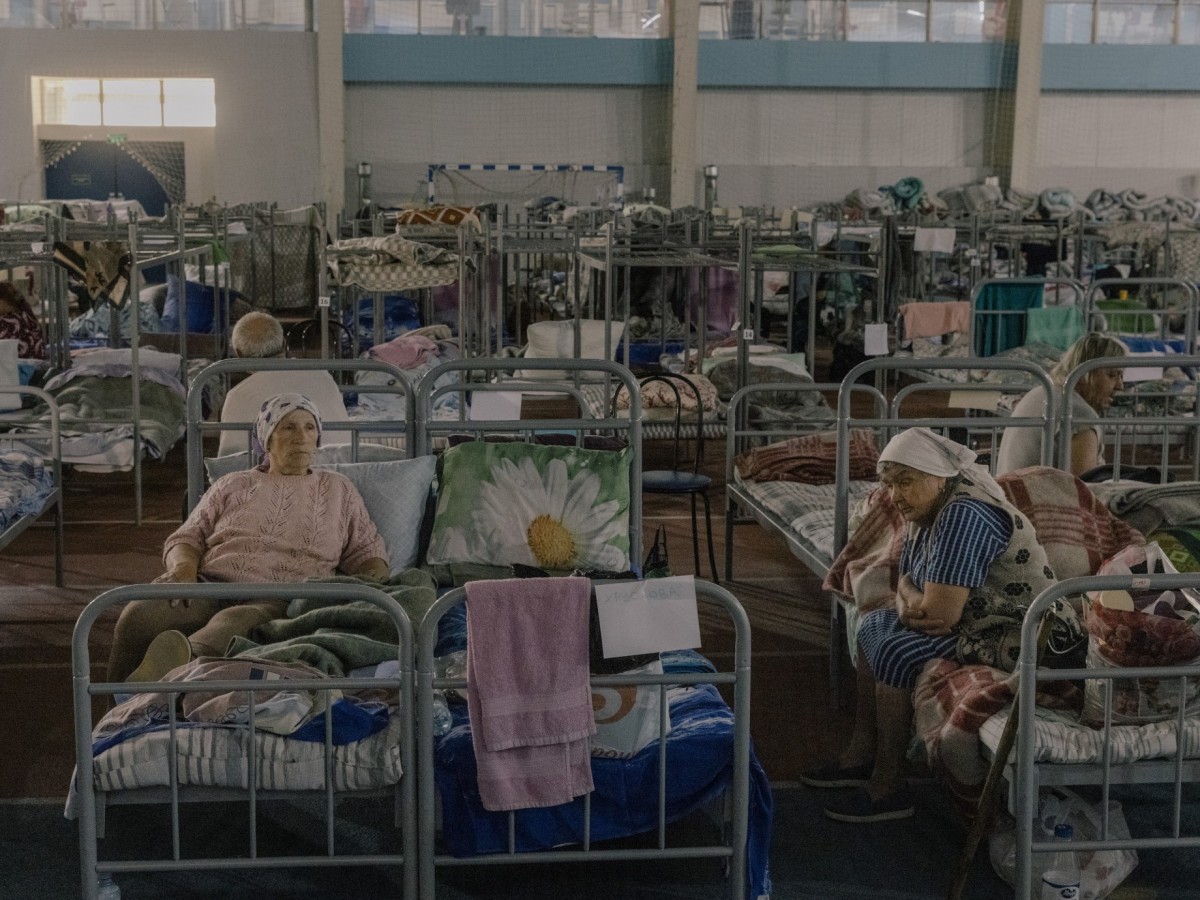
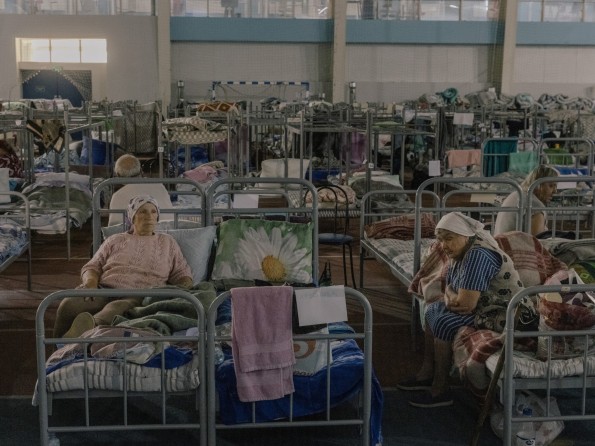
At a Belgorod volleyball arena transformed into a temporary refugee shelter, we see the stunned anguish of displaced Russians, an image the regime does its best to hide. Bed frames resemble prison bars. A few bundles hold possessions packed in haste, all that is left of lives upended in pursuit of Putin’s obsessions.
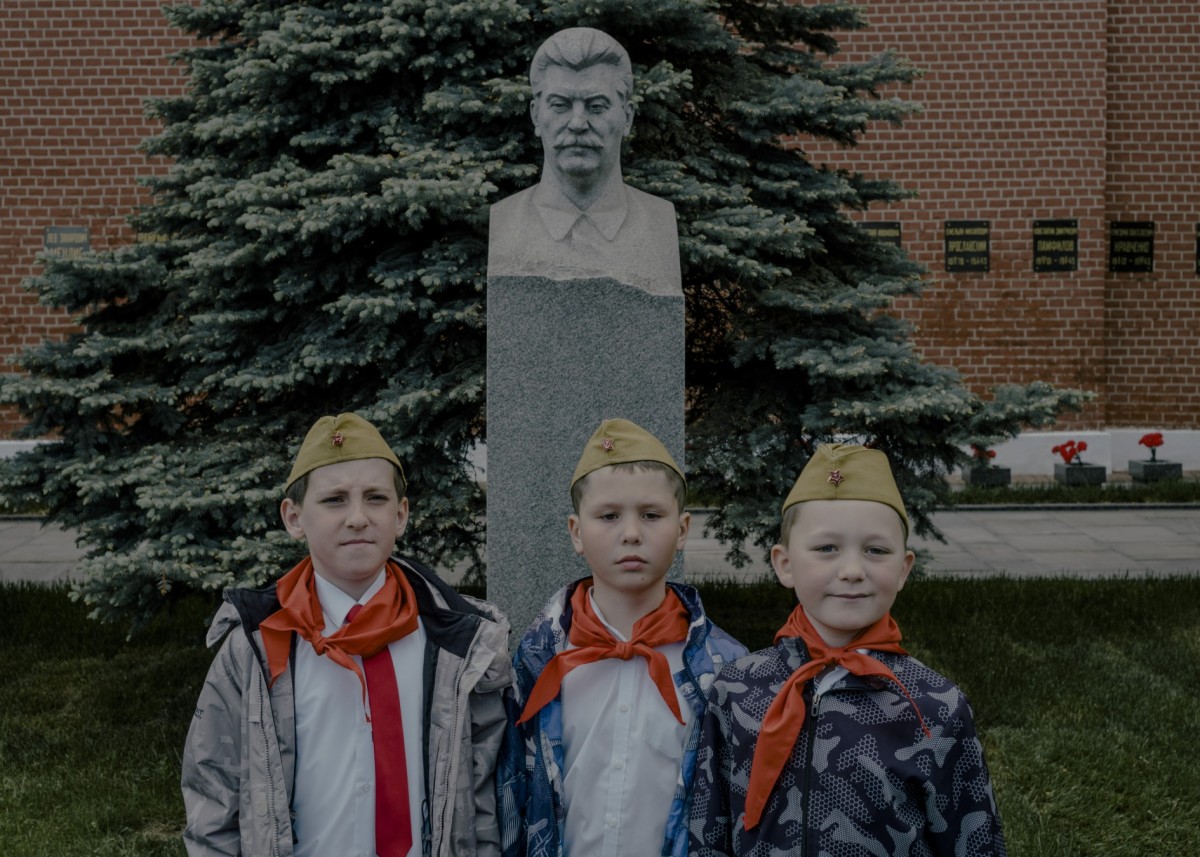
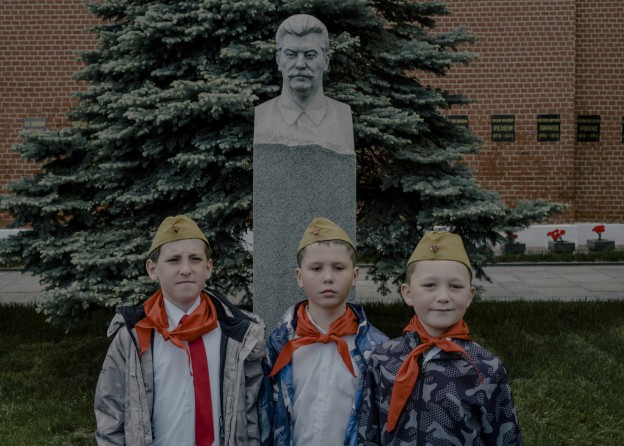
For these Russian boys, Stalin is the greatest of leaders, his gulag notwithstanding. They pose outside the Kremlin walls, their proud expressions testimony to Putin’s rehabilitation of Stalin as the paramount symbol of Russian might and heroism.
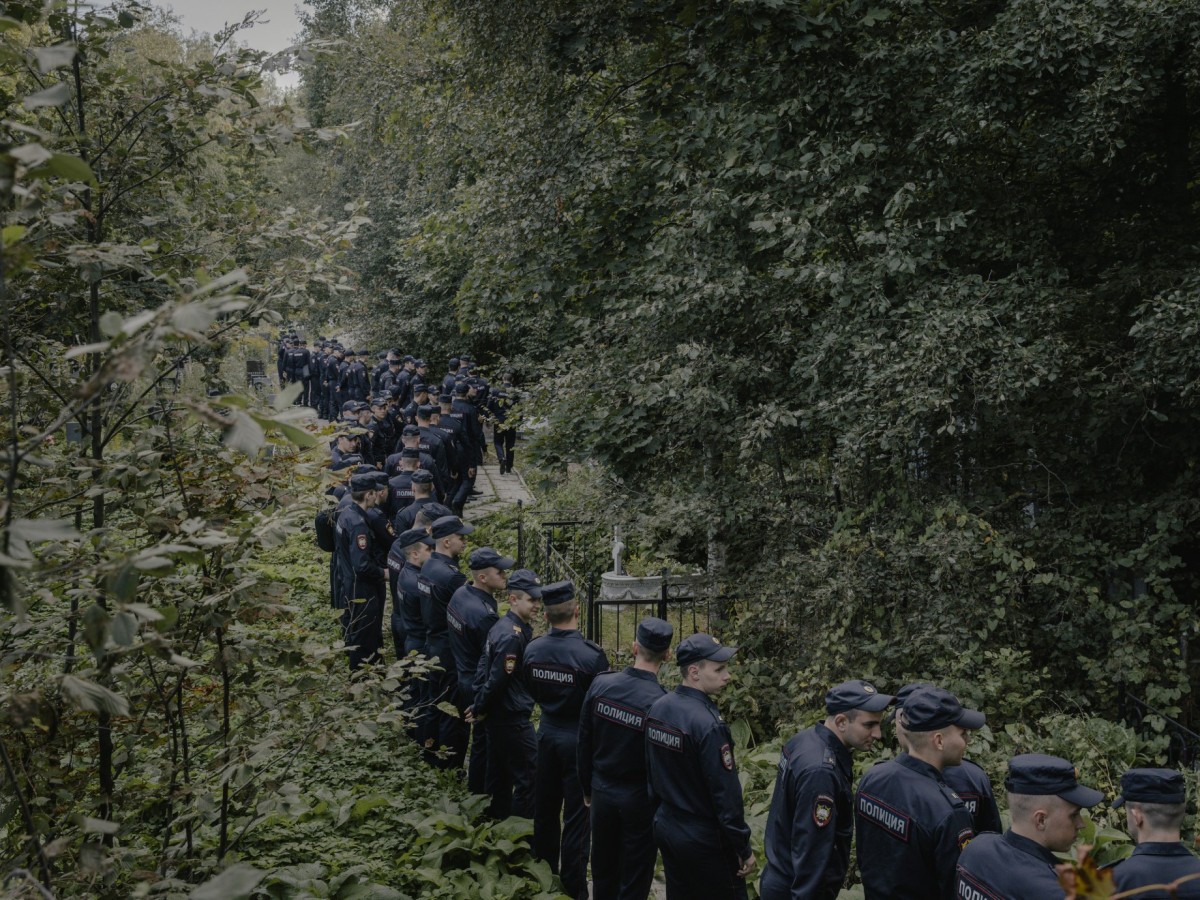
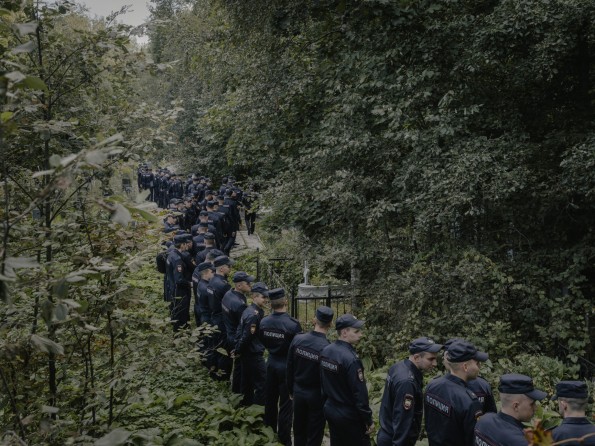
Russia guards its secrets. Hundreds of police officers and National Guard troops surround the Porokhovskoye Cemetery in St. Petersburg, where Yevgeny V. Prigozhin, the Wagner military boss turned mutineer, was buried six days after his plane fell from the sky, and two months after his brief uprising against Putin’s conduct of the war.
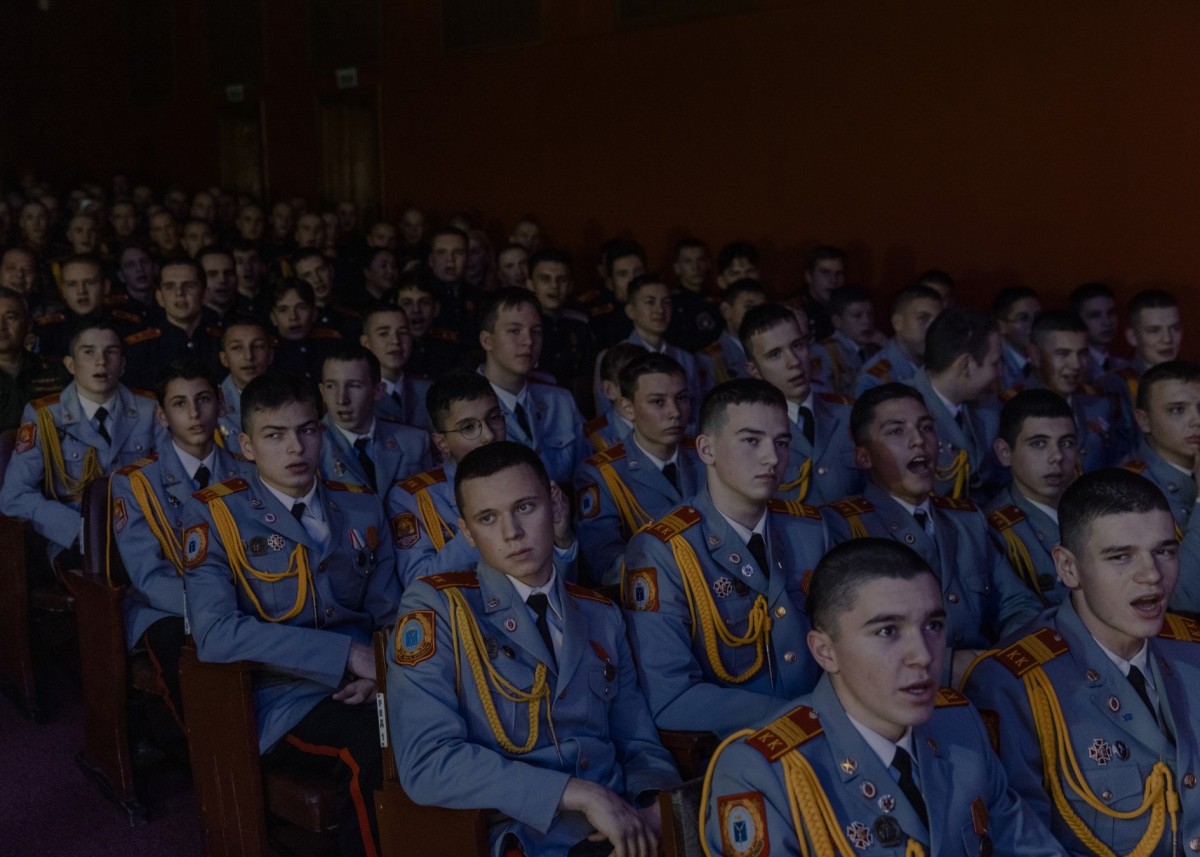
The way Putin’s wars enthuse and entrance young Russians trained in blinkered devotion to their country’s greatness, and the justness of its struggles, is captured in the expressions of these young cadets at a patriotic concert in the House of Officers in Samara.
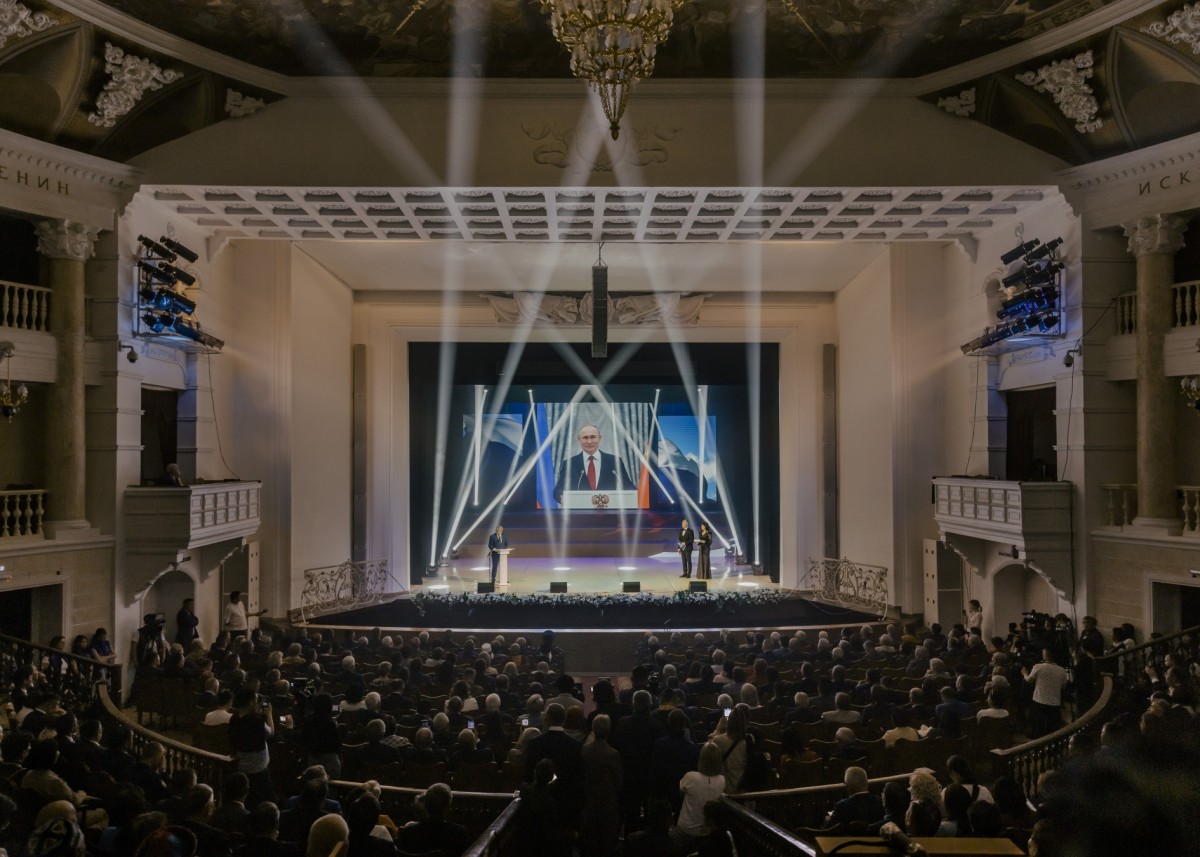
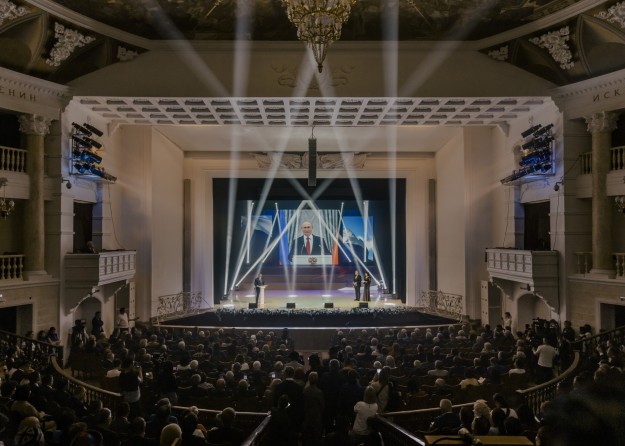
Here, on the centenary of the remote Russian Republic of Buryatia, where the war has had a devastating impact, a crowd at the Ulan-Ude Opera House honored Putin, framed by laser lights. “Today, the role of conquerors of Nazism is played again by a new generation,” the governor declared, as medals were pinned on heroes. In this region, close to the Mongolian border, recruits are paid about $2,500 a month, a huge sum in a region where a monthly salary of $500 is more typical.
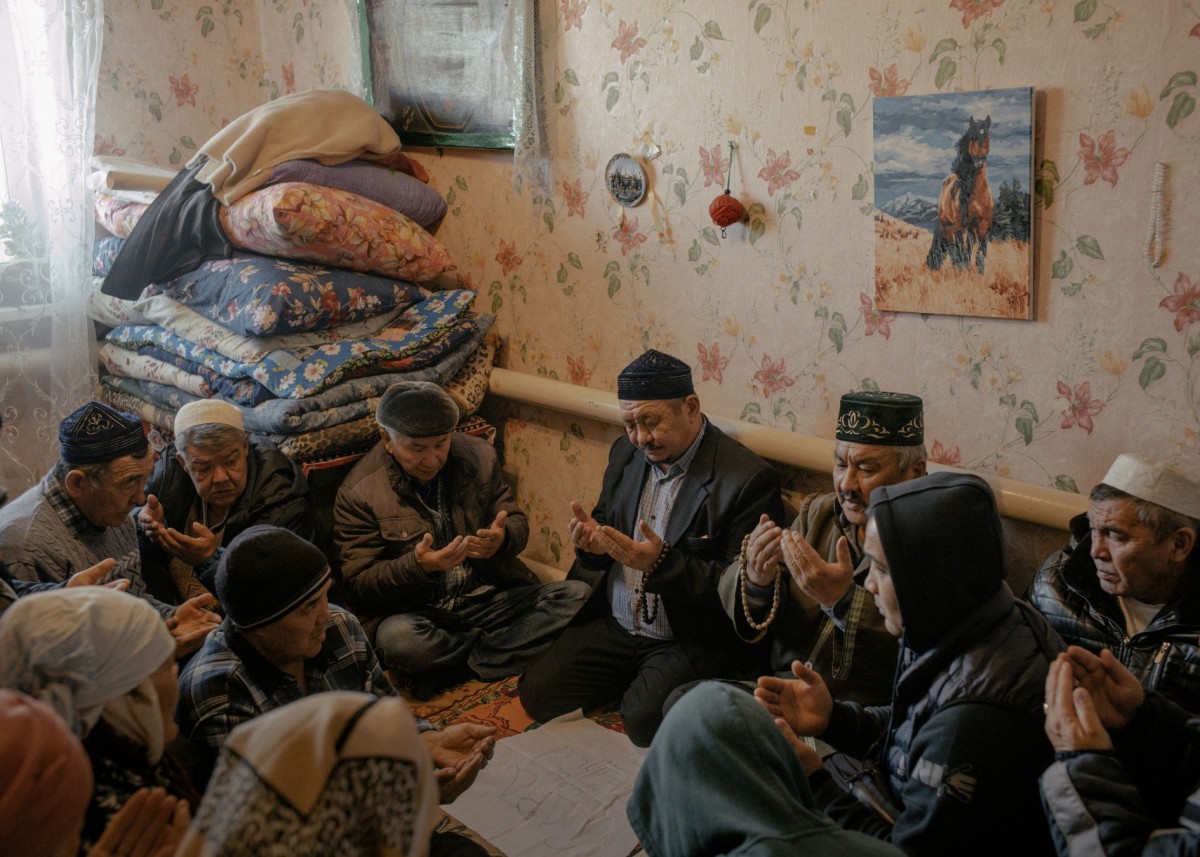
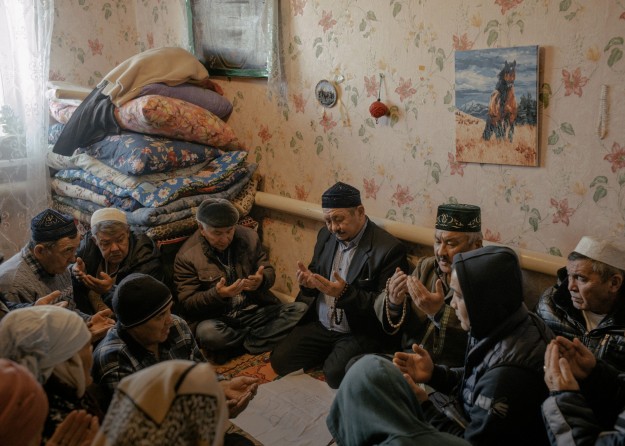
If recruitment billboards overwhelmingly portray white Russian military heroes, the reality of Russia’s Ukraine war is of suffering and loss among minorities in poor villages, recruited at all ages and dying anonymously. Here, family and friends gather in Ovsyanka, a former collective farm in southwest Russian, to mourn Tunguz Kadyrov, 49, a Muslim and ethnic Kazakh killed after a few months in Ukraine.
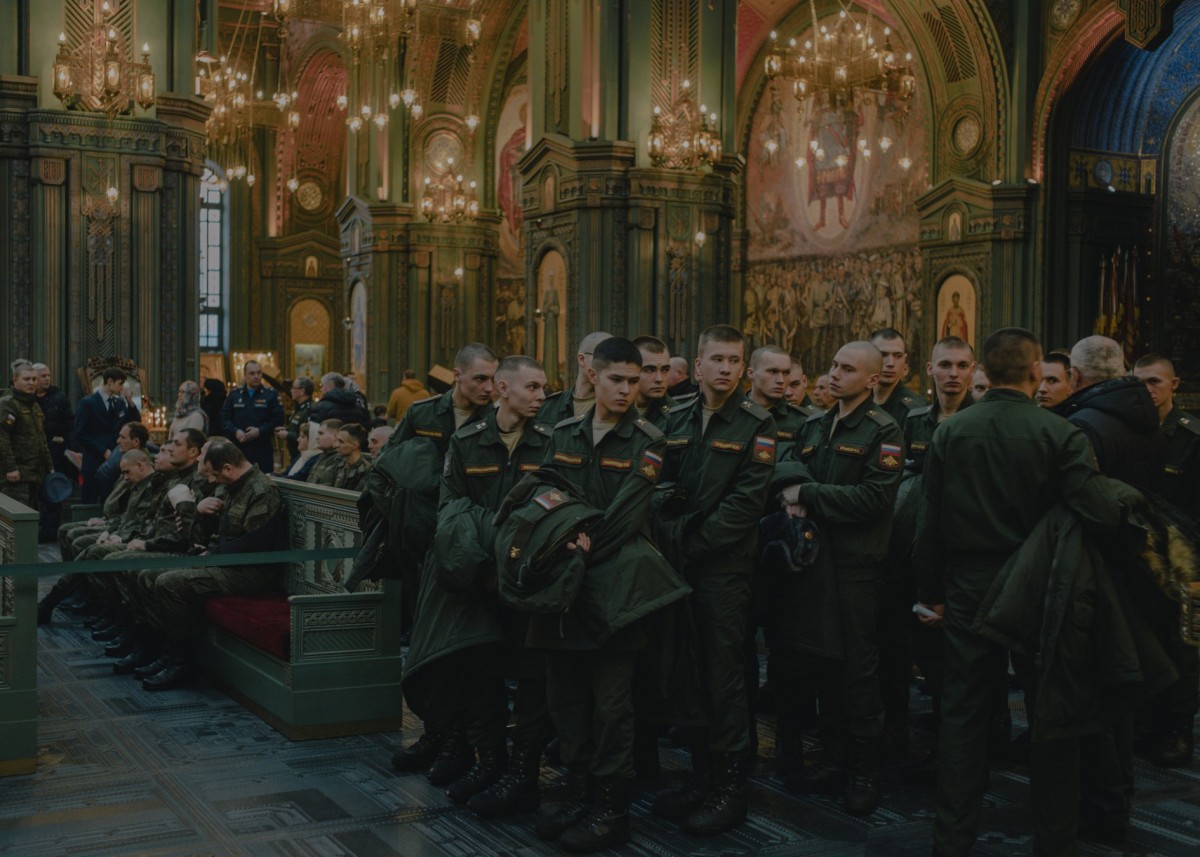
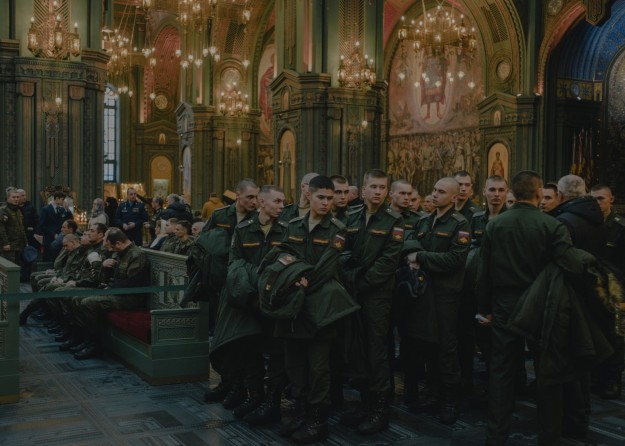
Church and State have fused in Russia’s war in Ukraine, portrayed as a holy struggle against Western moral decadence and resurgent fascism. Here, conscripts injured in Ukraine gather at the Cathedral of the Russian Armed Forces to be told their wounds are part of a civilizational battle, just as in the “Great Patriotic War” against Nazism.
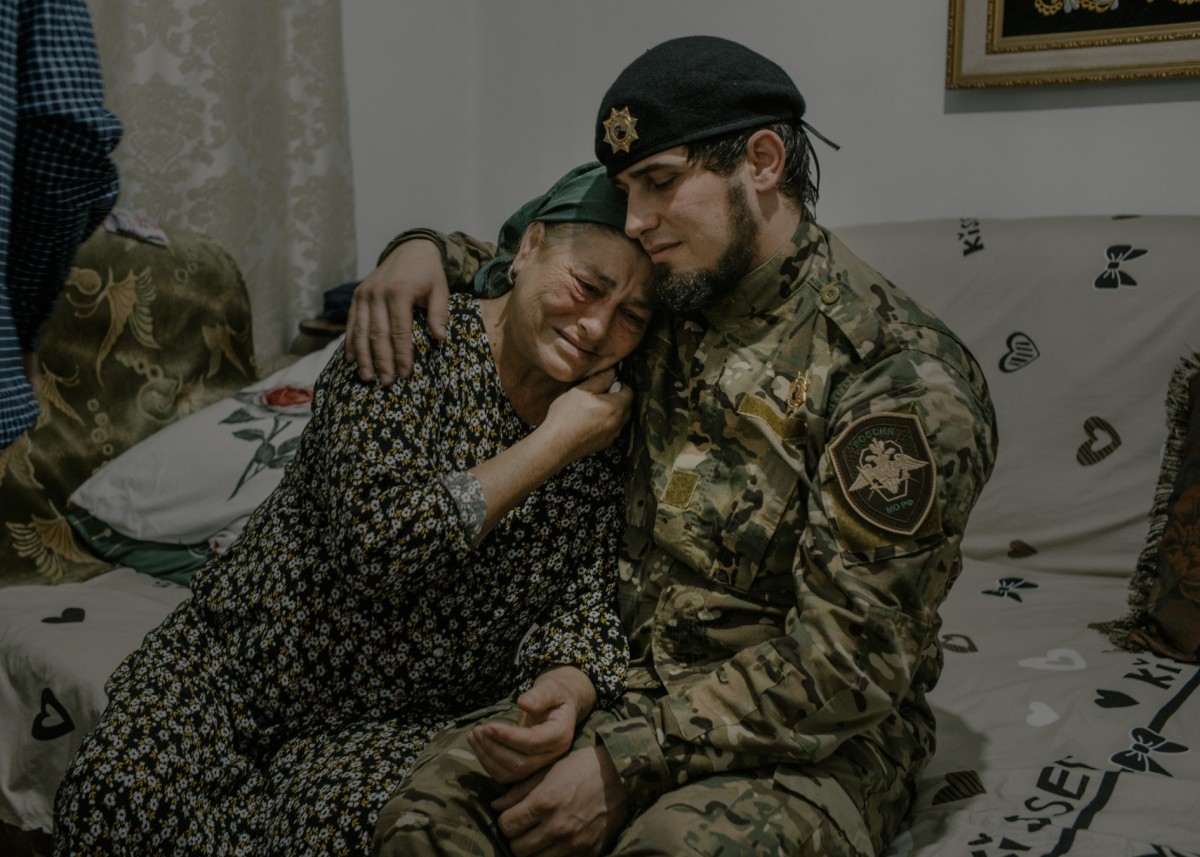
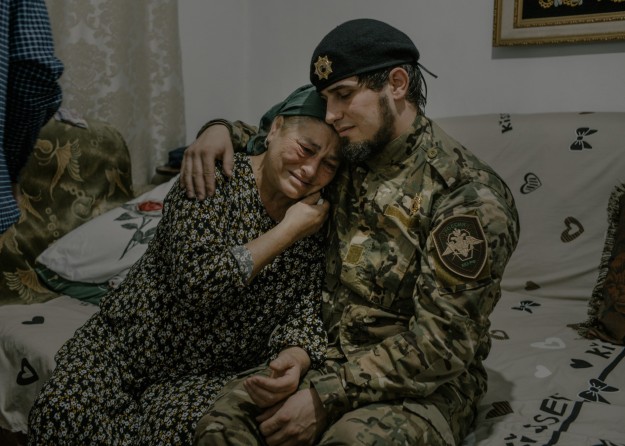
War in Chechnya helped propel Putin to power in 2000, and he learned the lesson that wars unite Russians in the simplistic myths of nationalism. Here, Turpal Akhmurazev, born during that war, comforts his mother as he departs from Chechnya to the front in the latest of Putin’s manipulative wars, in Ukraine.
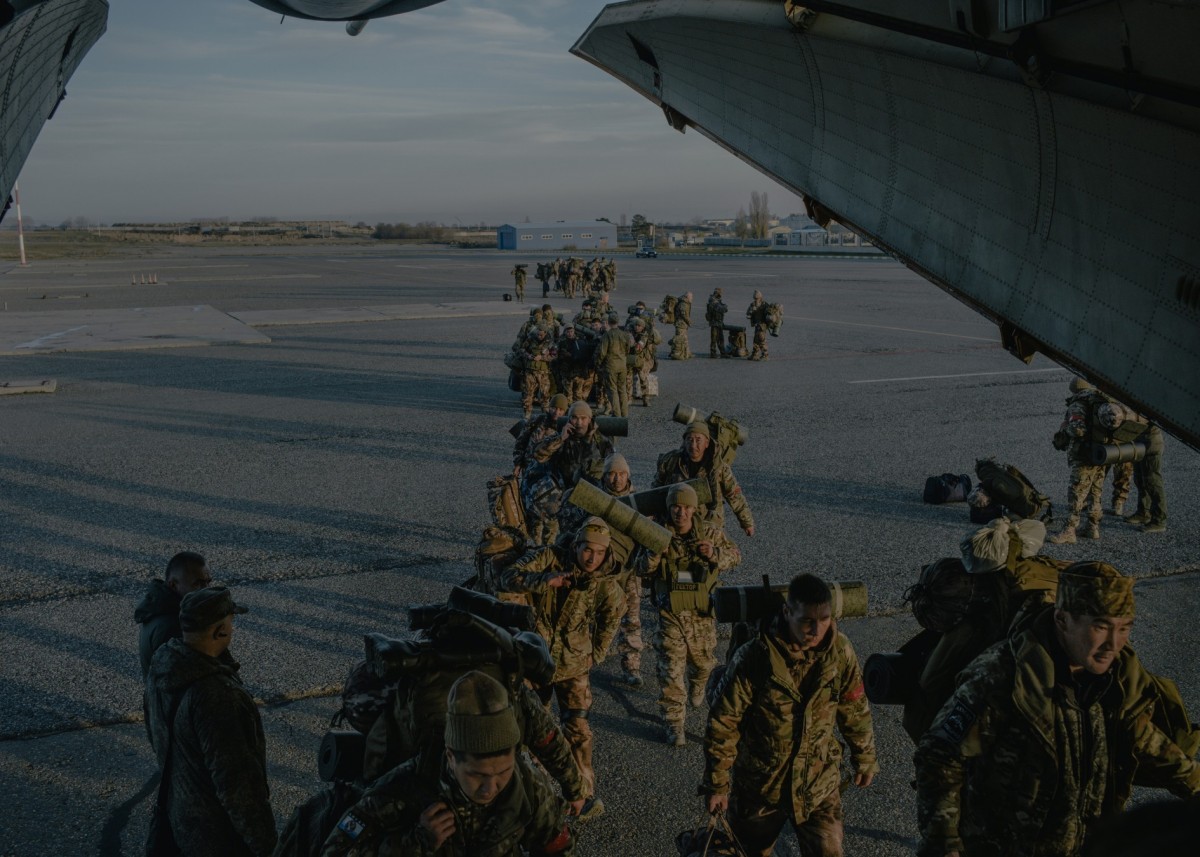
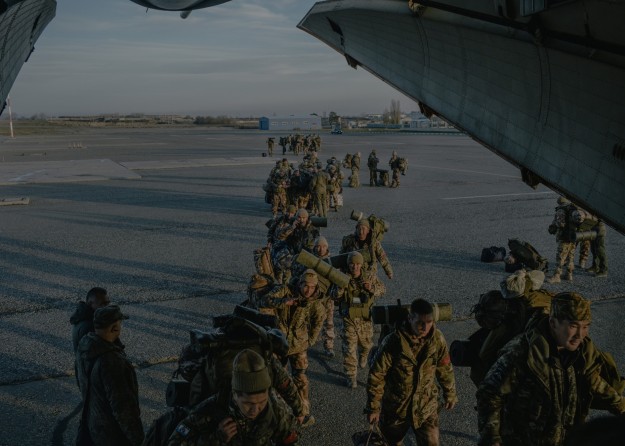
Volunteers from Chechnya, which a generation ago fought an unsuccessful war to secede from Russia, board an IL-76 transport plane in Grozny to fight in Ukraine, whose independence Putin refuses to accept. Monthly salaries of over $2,000 are a big draw. “The entire country is tangled in debt and money is the primary motivator,” said one former Wagner mercenary boarding the flight.
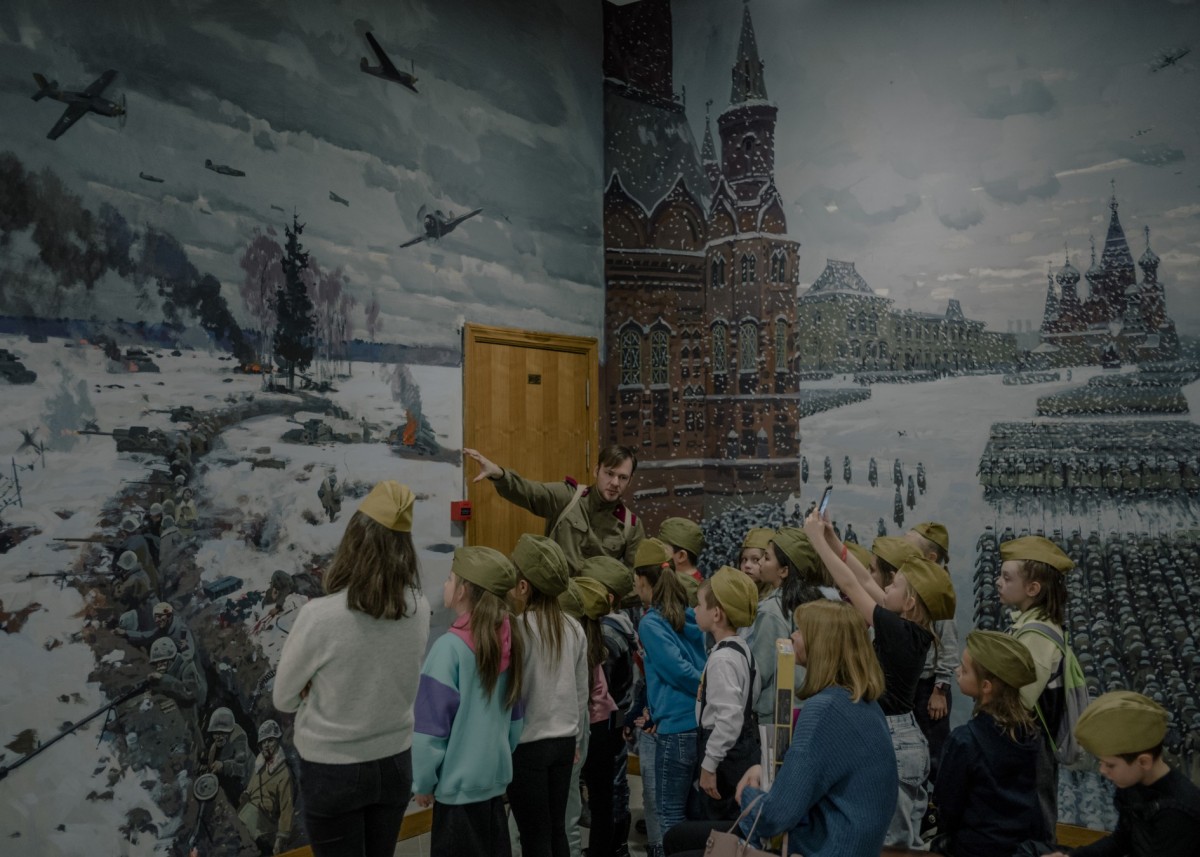
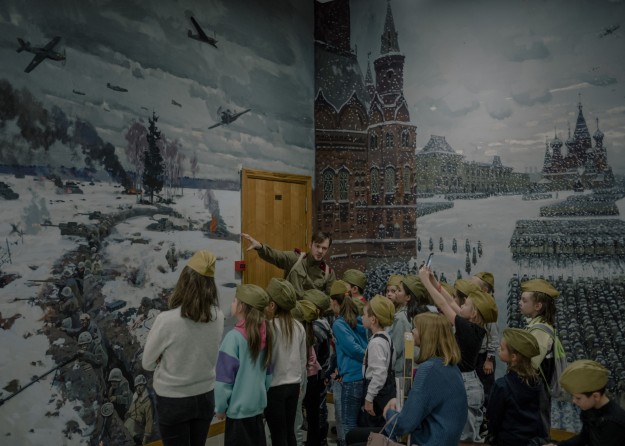
Patriotic dedication, easily morphed into aggressive nationalism, is instilled early in students at Moscow’s “Victory Museum.” Children are transfixed. A simple image tells a lot of the backdrop to Putin’s growing repression and exploitation of war for his own ends.
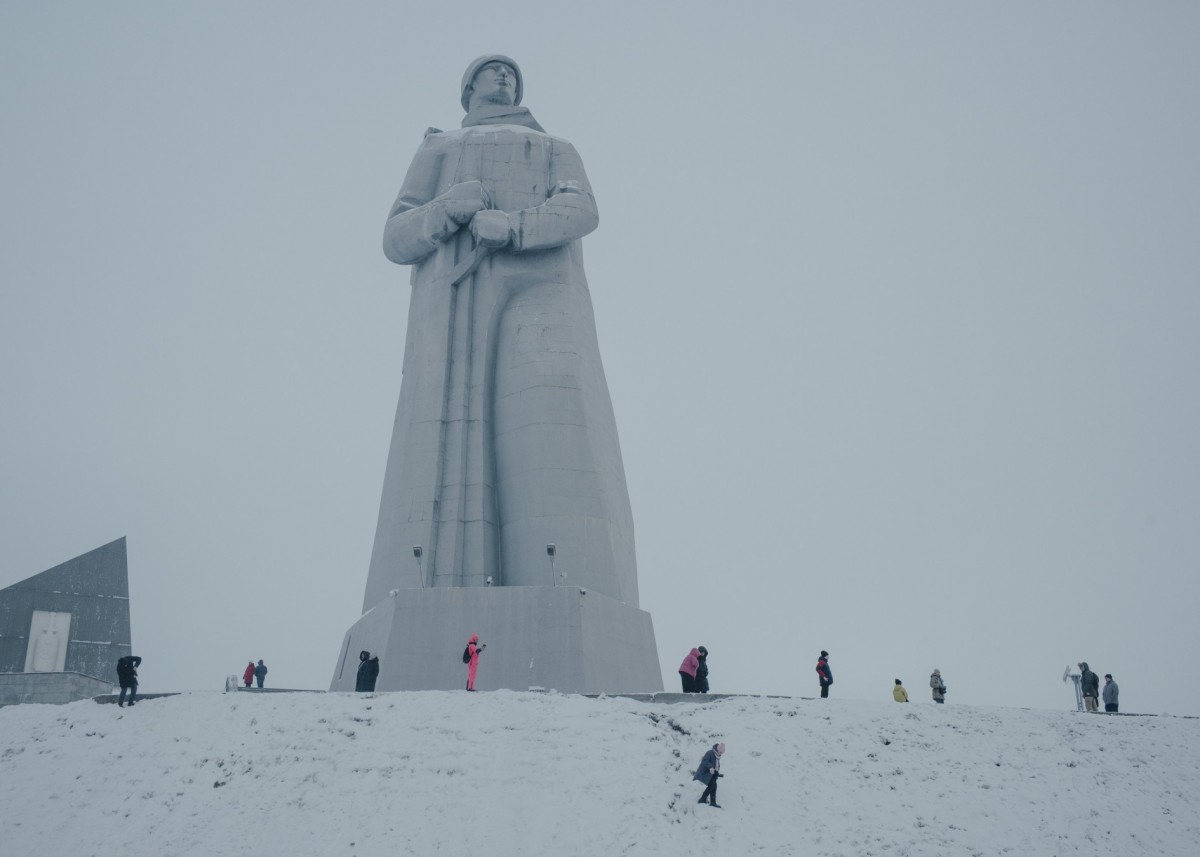
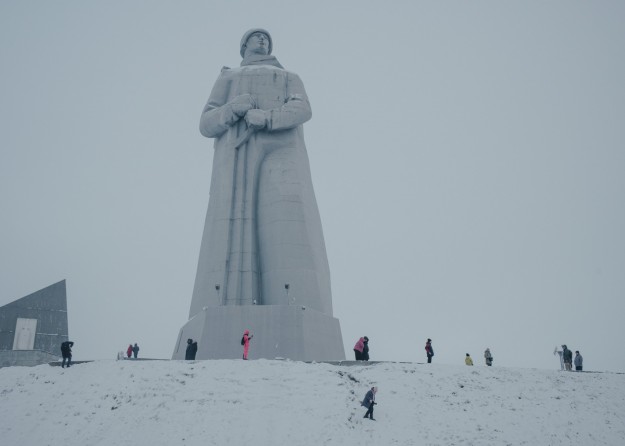
The Arctic front in World War II is commemorated by the so-called Alyosha Monument in Murmansk. The scene seems to encapsulate at once the patriotic ardor and the isolating fracture of Putin’s Russia, frozen in time almost a quarter-century into his rule.
Biography
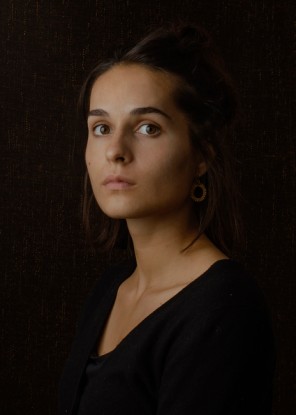
Born in Ulm, Germany, Nanna Heitmann bases herself in Moscow, where she covers current events, such as the invasion of Ukraine, while pursuing long-term projects that often focus on the way people respond to and interact with their environment.
Ms. Heitmann has documented the effects of climate change, such as catastrophic forest fires and melting permafrost in Siberia (As Frozen Lands Burn), as well as the peatlands of the Congo Basin, which serve as the world’s largest carbon reservoir (Beneath These Trees). She has been published by National Geographic, Time and M Le Magazine du Monde, among others, and contributes to The New York Times and The New Yorker. Her visual journalism has been recognized with numerous prizes, including the Olivier Rebbot Award for her work on Russia’s Covid experience, and a World Press Photo Award for her story on forest fires.
Ms. Heitmann became a Magnum nominee in 2019, joining on the strength of two bodies of personal work that both deal with issues of isolation — physical, social and spiritual. Weg vom Fenster (Gone From the Window), focused upon the inhabitants of Germany’s last operating coal mine. And for Hiding From Baba Yaga—a project whose title is inspired by the witch of Slavic folklore—Heitmann followed the world’s longest river from the Republic of Tuva northward through Siberia, photographing the lives of people living on the remote banks of the Yenisei River. Her gaze conveys the dignity and humanity of these people and allows the viewer to look at them with curiosity and empathy.
Ms. Heitmann became an associate of Magnum in 2021.