Finalist: Hannah Reyes Morales, contributor, The New York Times
Nominated Work
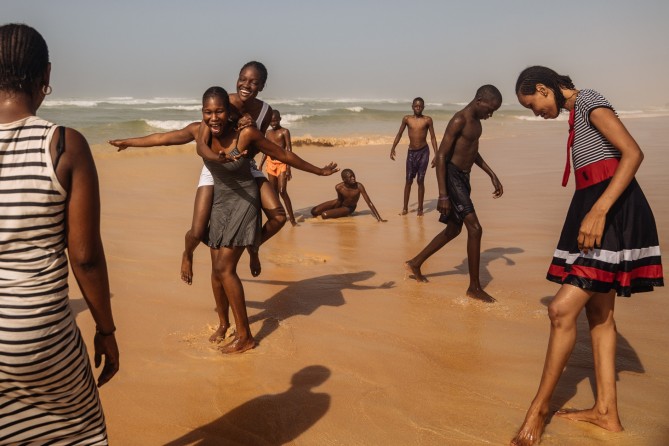
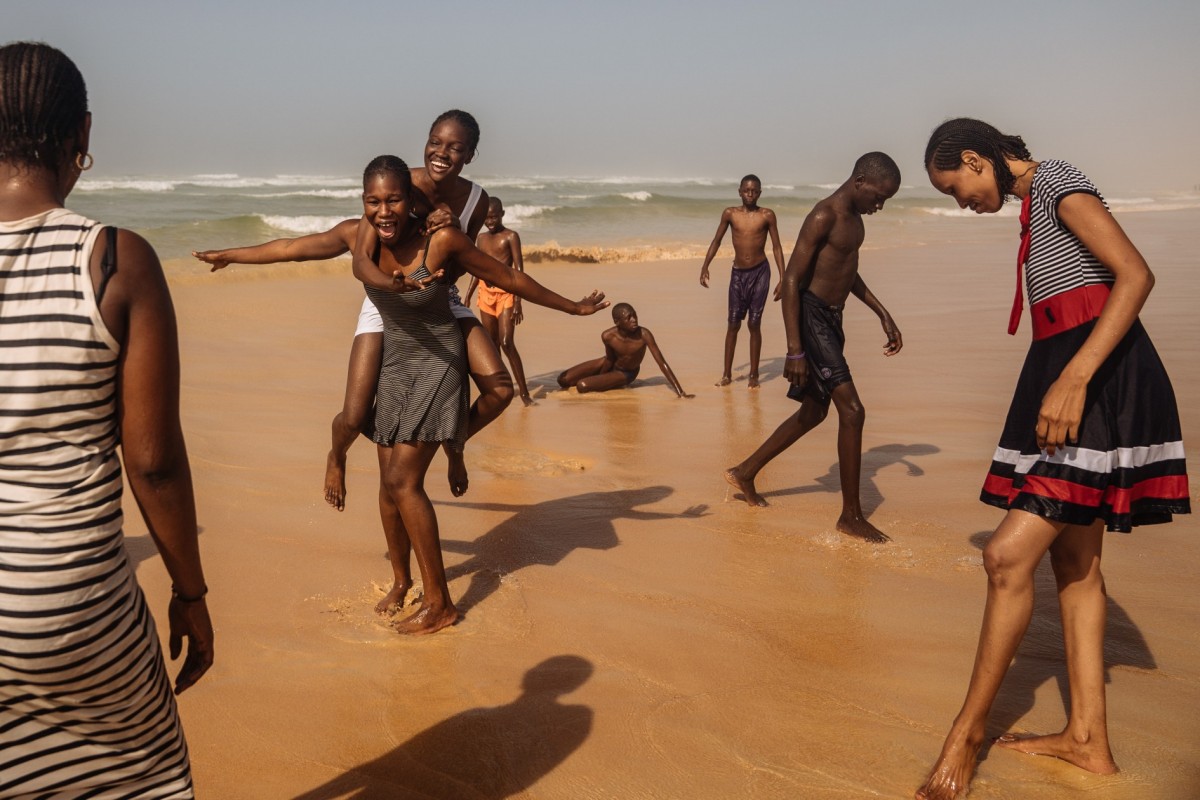
University students frolic on a beach in Senegal’s capital, Dakar, in March. By 2050, Africa will account for one-quarter of the world’s population and one-third of its young people, aged 15 to 24 — a “youthquake,” as some experts call it, with implications that are immense yet uncertain.
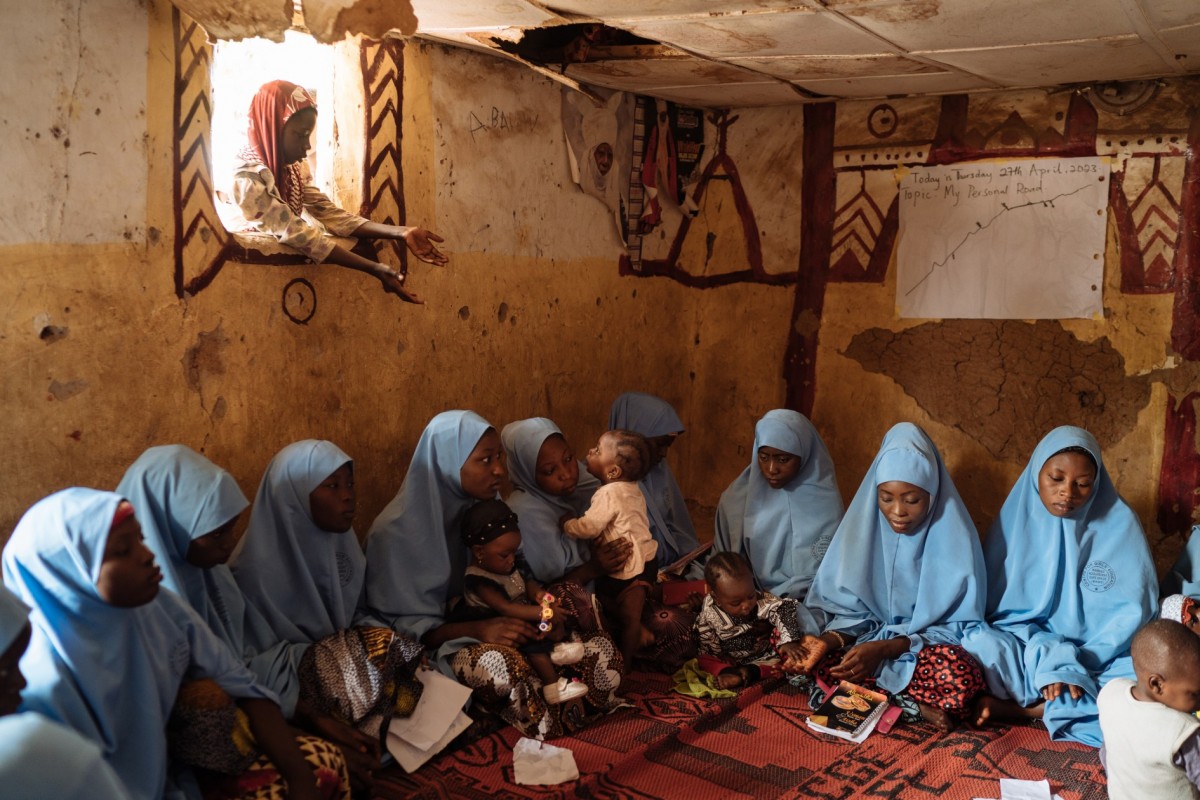
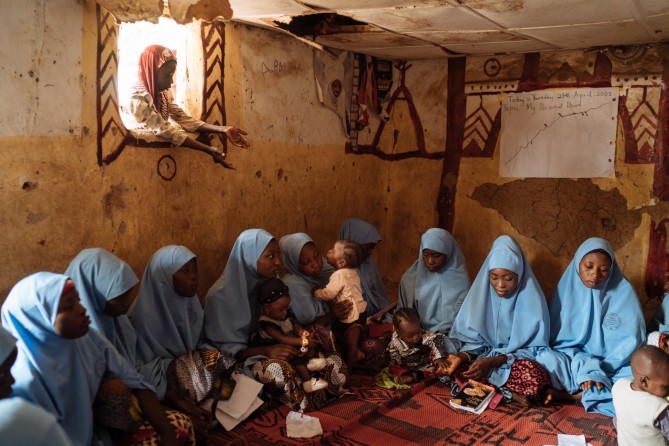
Teenage mothers in northern Nigeria attend class at the Center for Girls Education in Zaria, northern Nigeria. “My personal road,” reads a sheet on the wall. West Africa has the world’s highest birthrates — on average seven children per woman in places — fueling an enduring baby boom, which the UN says will nearly double Africa’s population, to 2.5 billion, by 2050. In Zaria, the American-funded program has helped 70,000 girls to stay in school and, ultimately, to have smaller families.
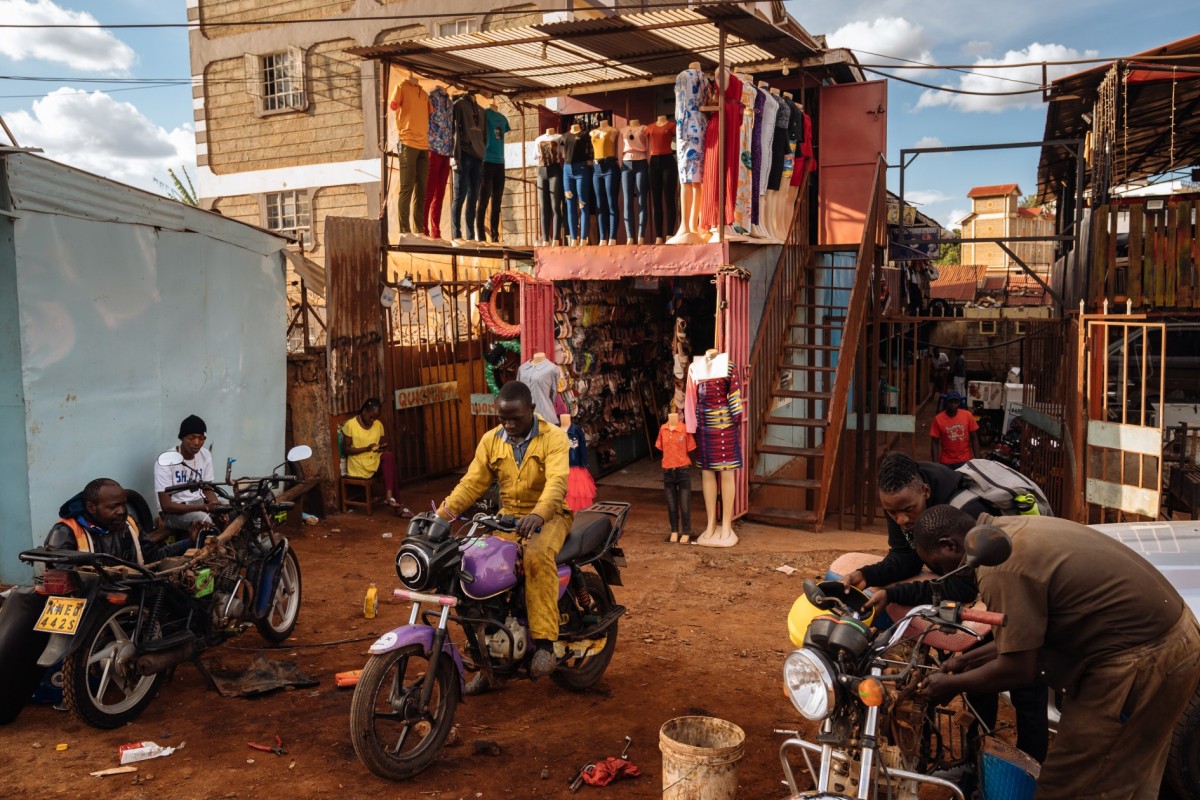
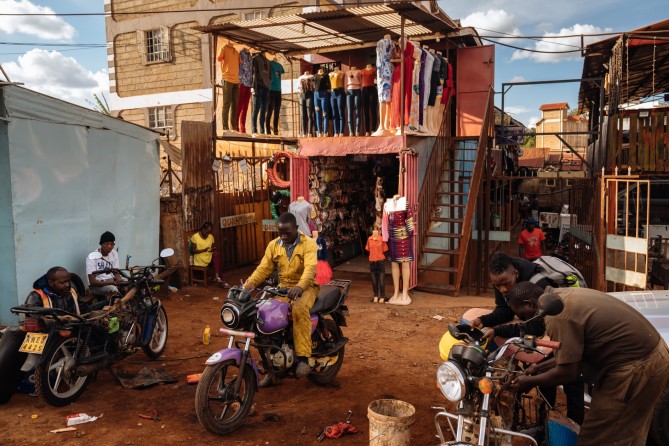
“Boda-boda” motorcycle taxis are a popular source of employment for frustrated youth in Kenya, where 90% of young people work in the informal sector. Within the next decade, Africa will have the world’s largest workforce, surpassing China and India. But fewer than 1 in 4 entrants to the jobs market get a formal job, the World Bank says.
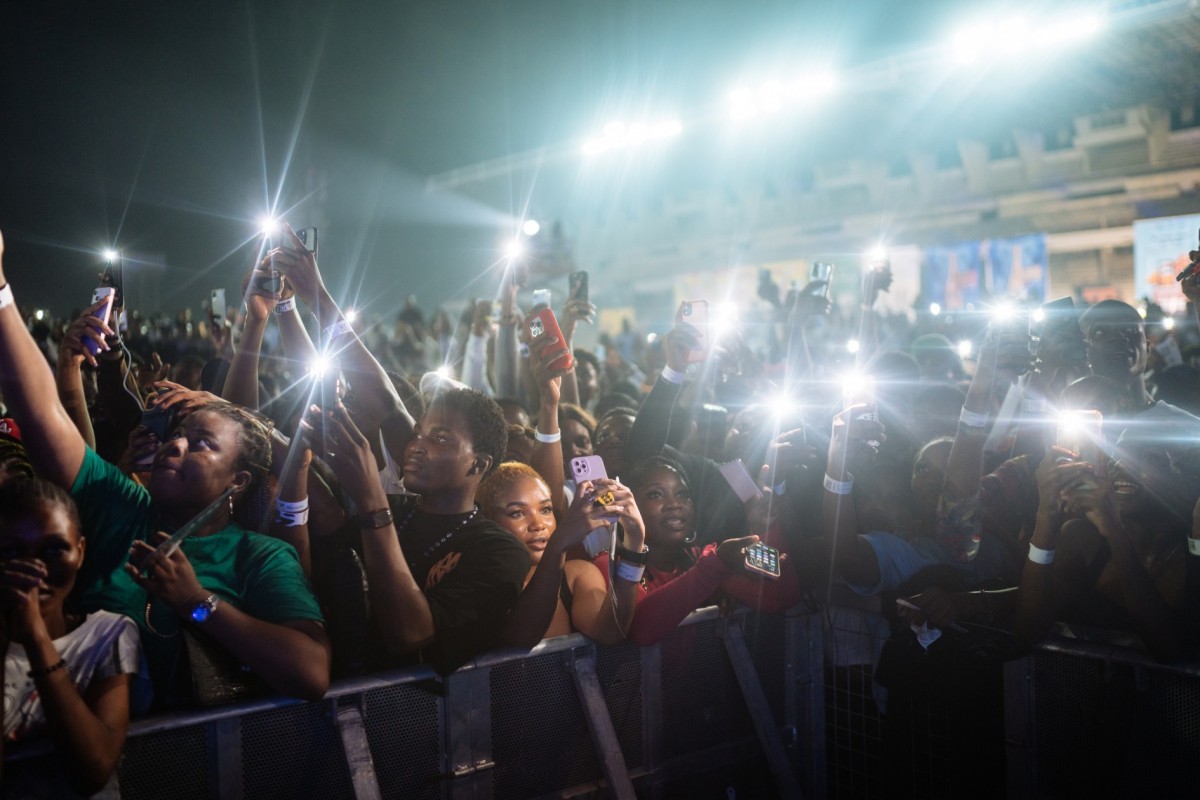
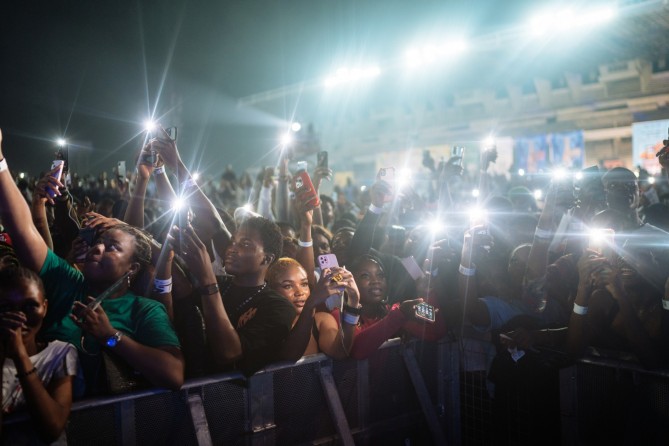
Afrobeats stormed the world of pop in 2023, with the genre’s biggest stars playing to packed stadiums in Europe and the United States, and amassing billions of plays on streaming services. But many also returned to their roots in Nigeria, where the singer Davido performed in Lagos in April.
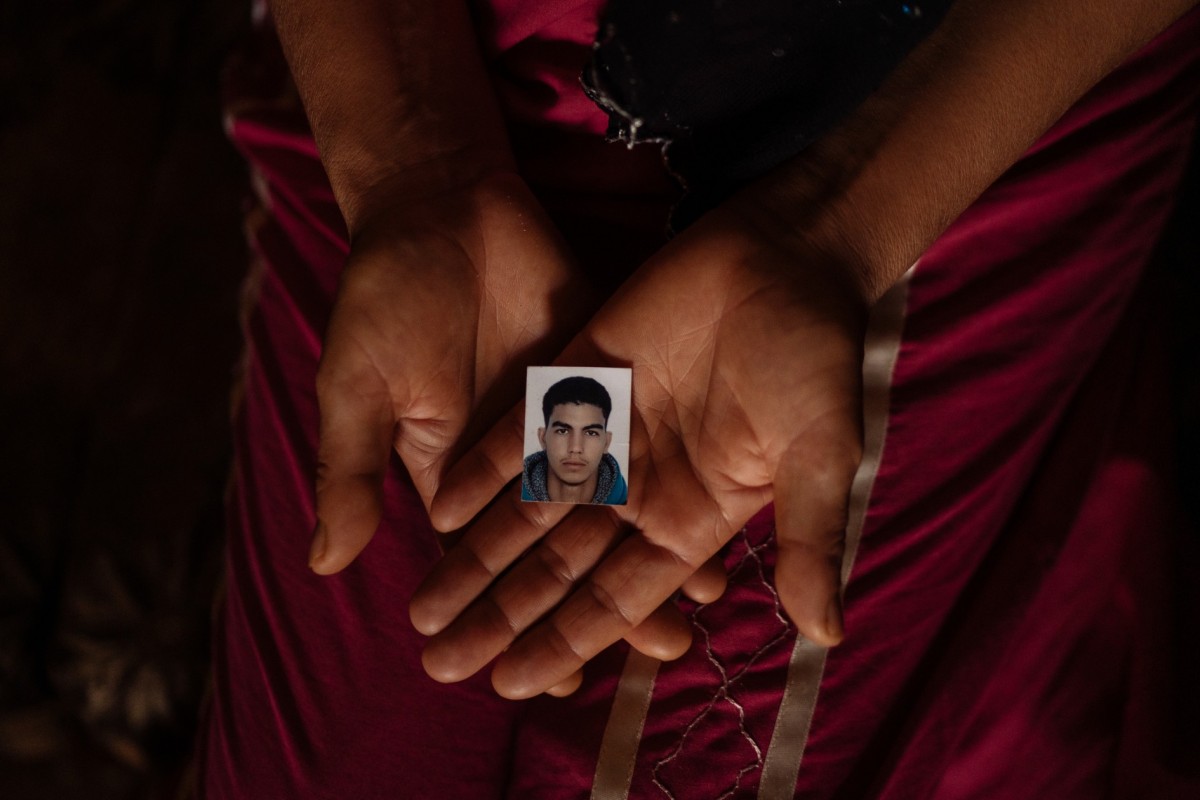
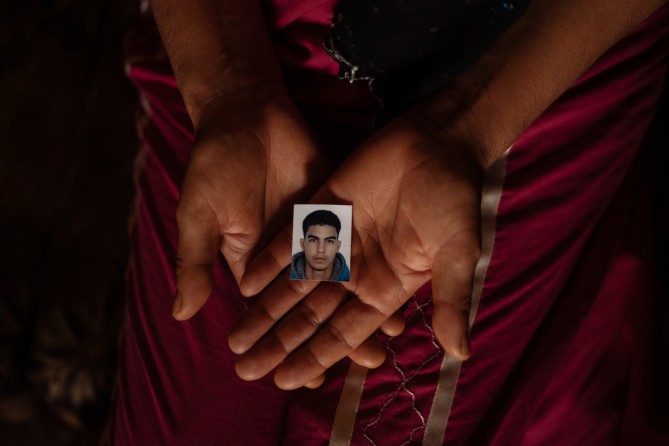
Nora Bouzidi holds a photo of her missing son, 20-year-old Ayoub Toussi — one of 51 migrants who boarded a boat in Morocco in 2022, hoping to reach Europe, then disappeared. Africa’s exploding population is fueling new waves of migration by frustrated youth taking desperate risks: at least 28,000 have died on the Mediterranean since 2014, the United Nations says.
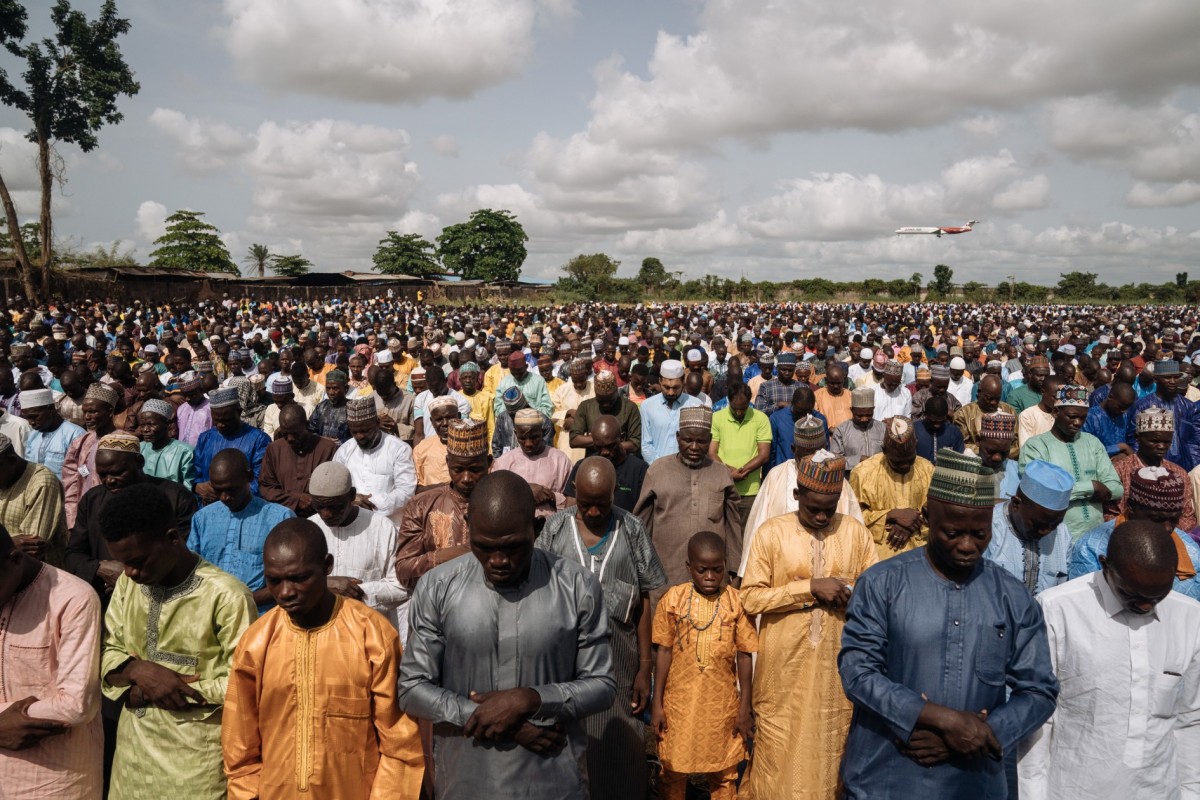
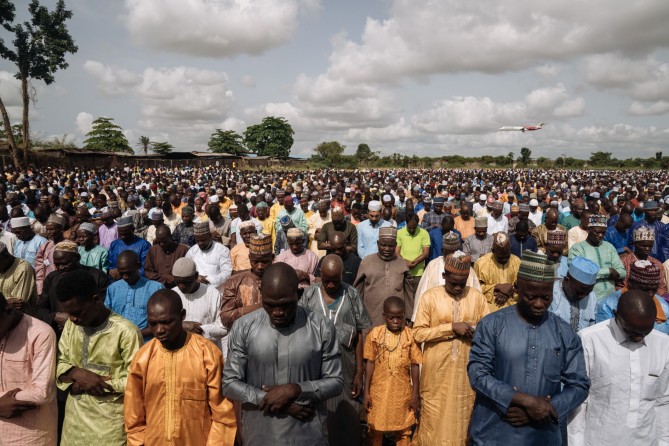
Worshipers flowed from the Ikeja central mosque onto open ground in the Nigerian capital, Lagos, during prayers to mark Eid al-Fitr, the end of Ramadan. In 1950, Africans accounted for 8% of the world’s population; by 2050 they will account for one-quarter of humanity, the United Nations says. The coming era will not only transform many African countries, experts say, but also radically reshape their relationship with the rest of the world.
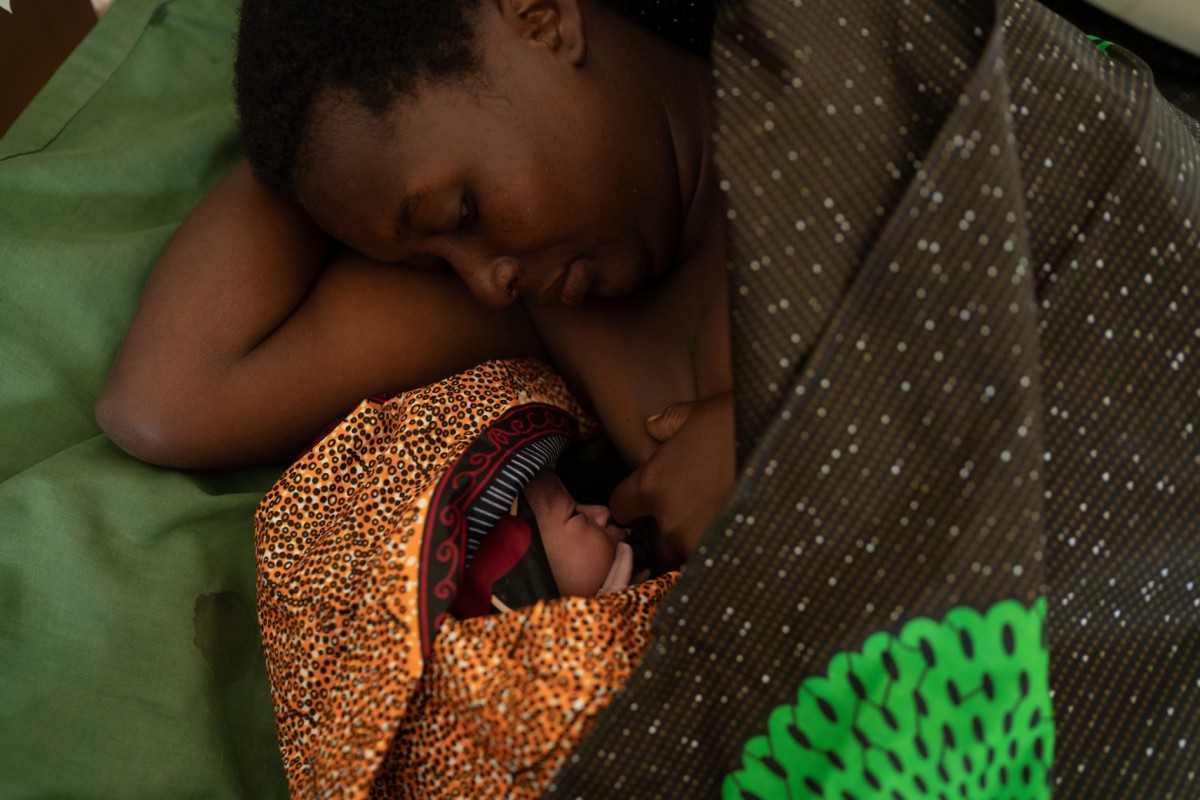
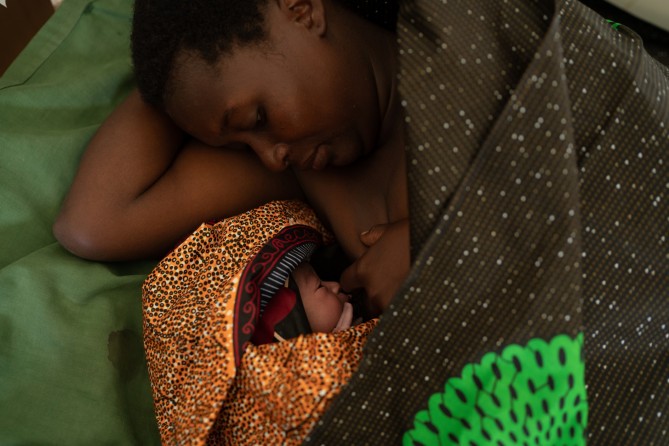
Joana Joaquim and her newborn son, Jorge, at a maternity clinic in Sofala, Mozambique, in August. As birthrates tumble in rich nations, stoking anxiety about their aging societies, Africa’s baby boom continues apace. By the 2040s, Africa will account for 2 out of every 5 births — the youngest, fastest-growing population on earth.
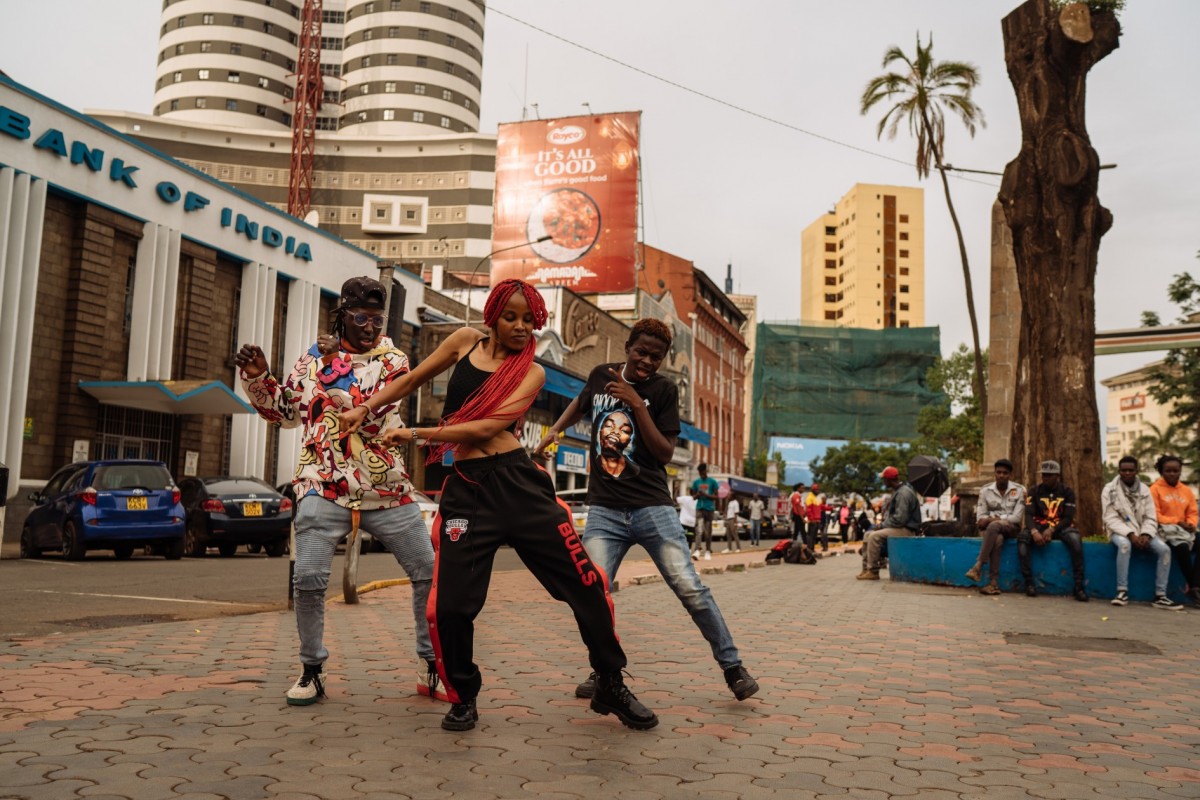
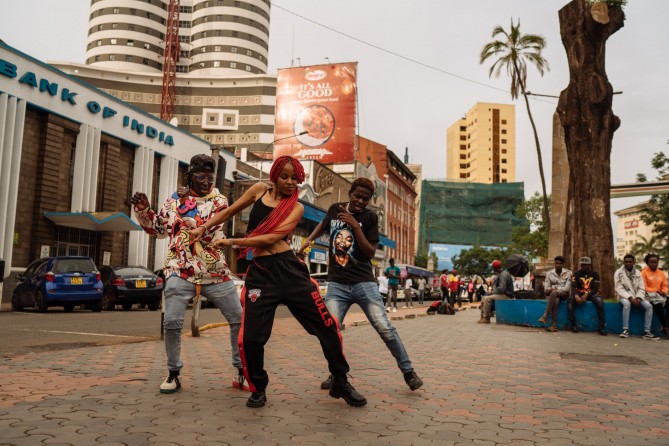
Young Kenyans making a dance video in downtown Nairobi. The median age on the African continent is 19, half that of China and the United States. Africa has always been a young continent — only two decades ago the median age was 17 — but never on such a scale.
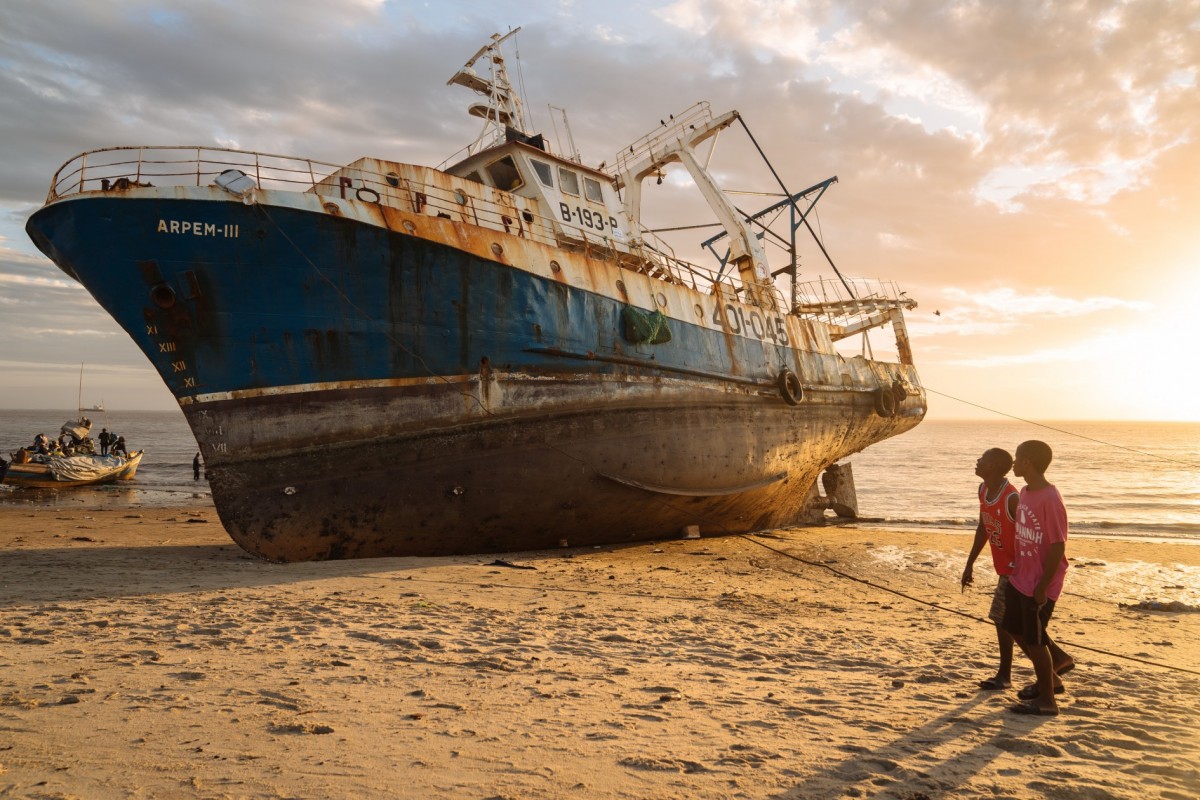
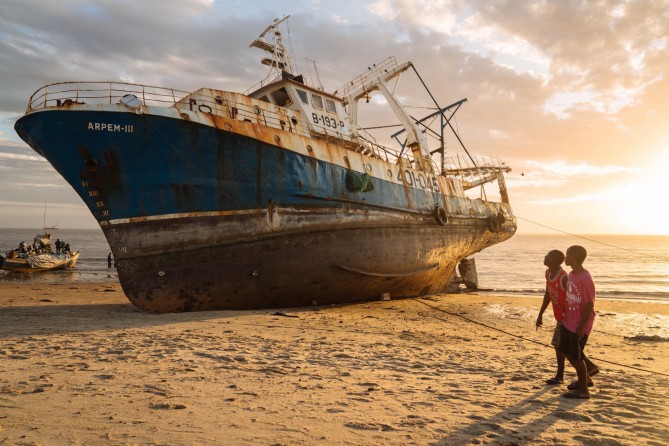
A boat that washed ashore during Cyclone Idai, one of the worst weather-related disasters to hit the Southern Hemisphere, in Beira, Mozambique. Although Africa produces a small proportion of global emissions, it suffers increasingly severe floods, droughts and manifestations of climate change — a pressing concern for an overwhelmingly young population that will have to live with those impacts for decades to come.
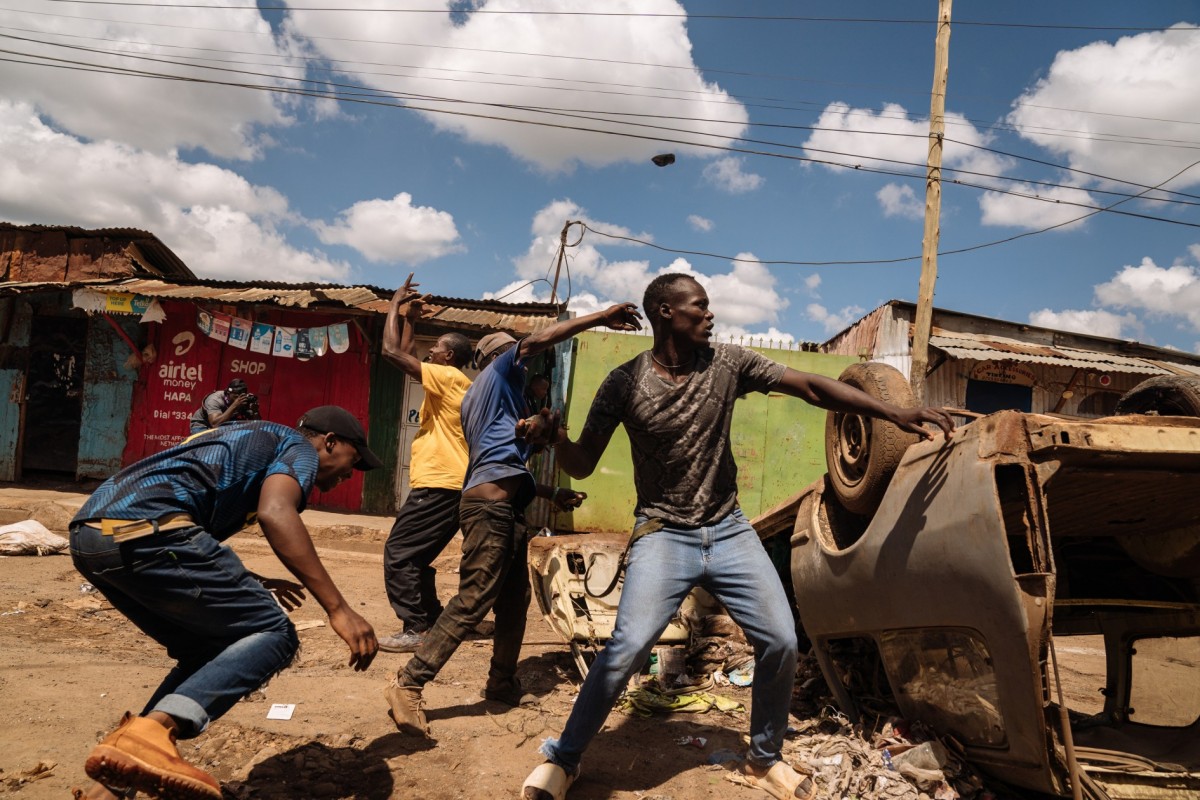
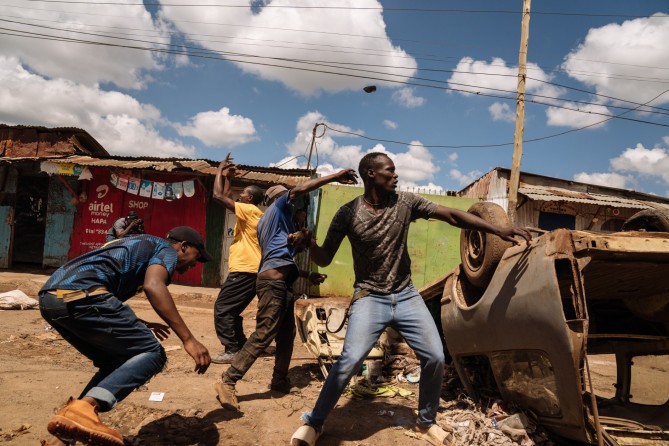
Demonstrators throwing rocks at police, who responded with tear gas and rubber bullets, during a protest over soaring food prices in the Kenyan capital, Nairobi, in March. Young Africans are increasingly frustrated with their weak democracies led by older, often autocratic leaders. A new age of protest is taking shape with unpredictable results. Although democracy is popular among youths, successive surveys have found, many openly supported the recent wave of military coups in West Africa.
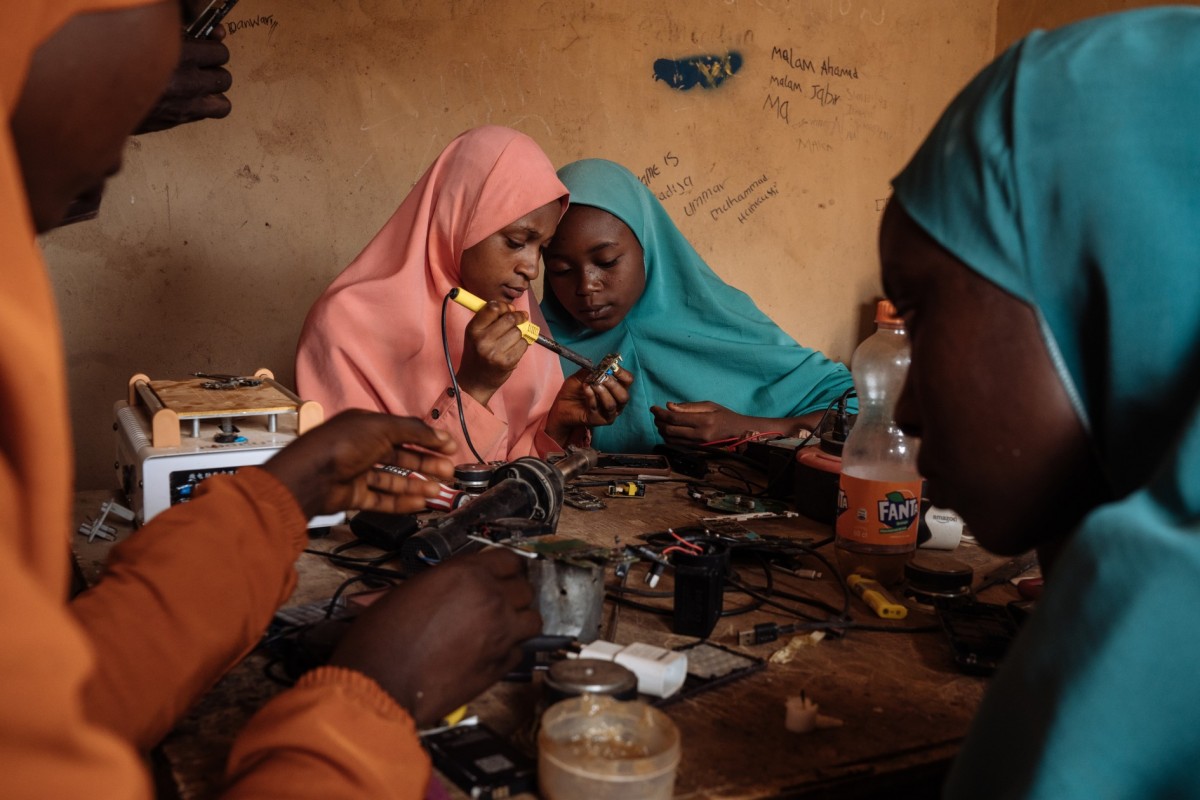
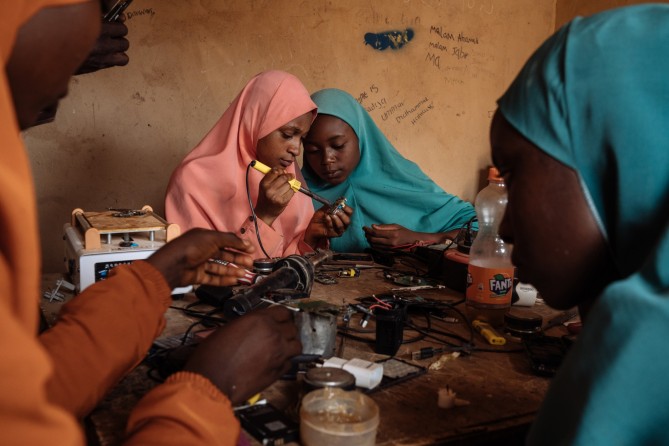
Teenage girls learning to fix electronics at a workshop in Zaria, northern Nigeria. While some African countries are poised to reap the benefits of the coming seismic demographic change, others risk being swamped by it. Nearly two-thirds of the 213 million people in Nigeria, Africa’s most populous country, live on less than $2 a day. Life expectancy in Nigeria is 53, nine years below the African average.
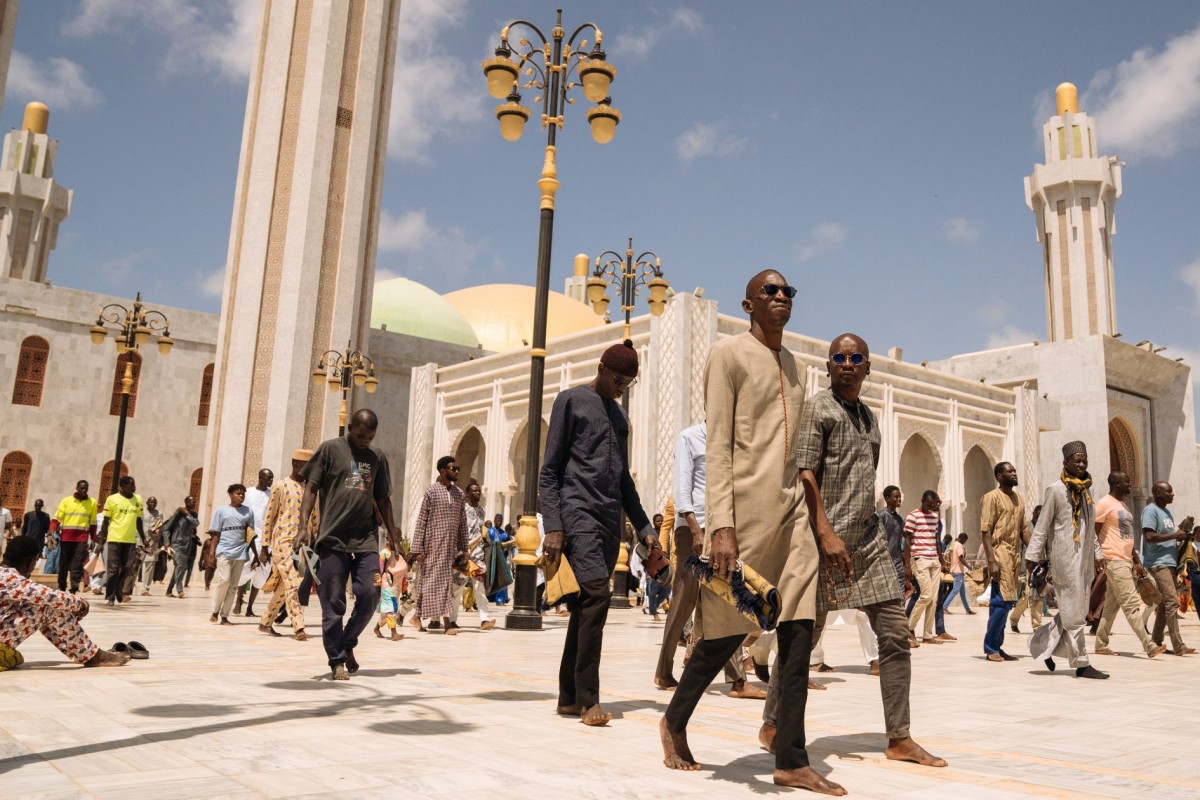
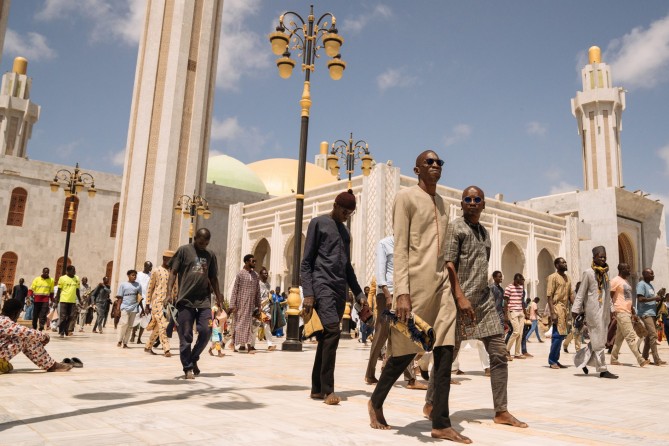
Young Muslims after Friday prayers at the Massalicoul Djinane mosque in Dakar, Senegal. Africa’s working-age population, aged 15 to 65, will likely hit one billion people in the coming decade.
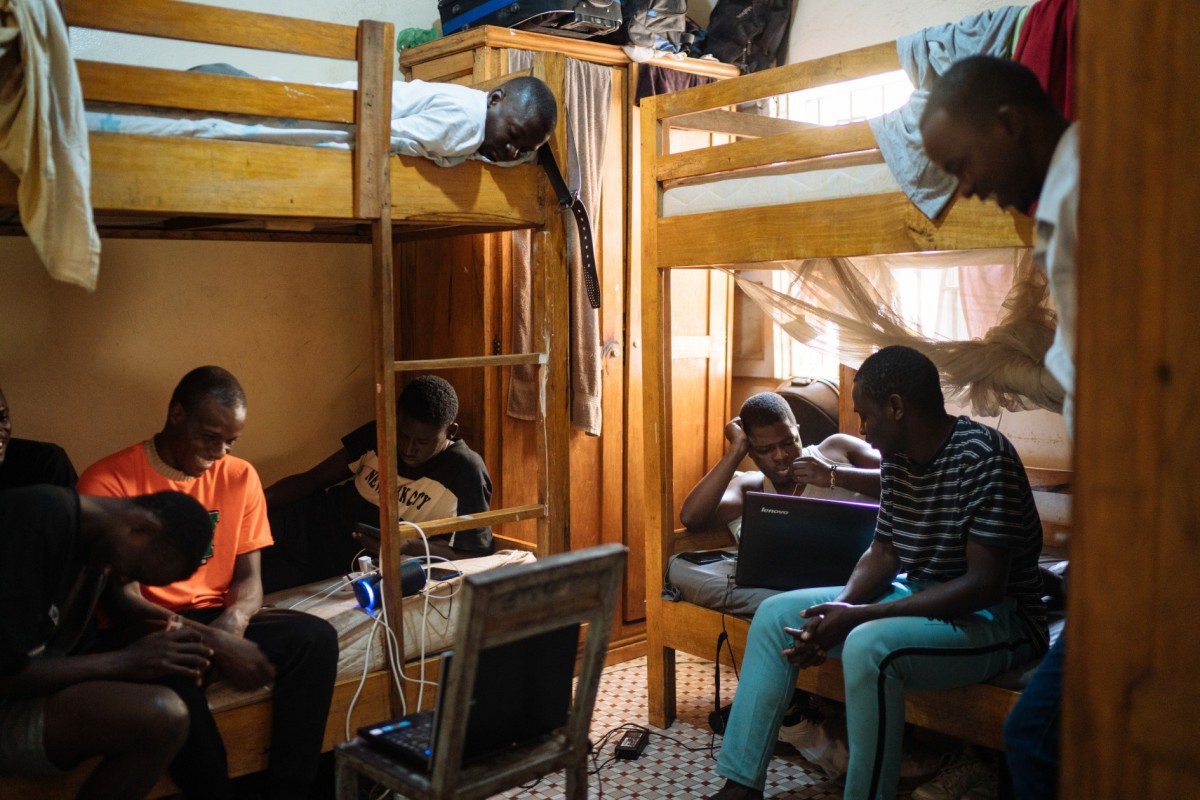
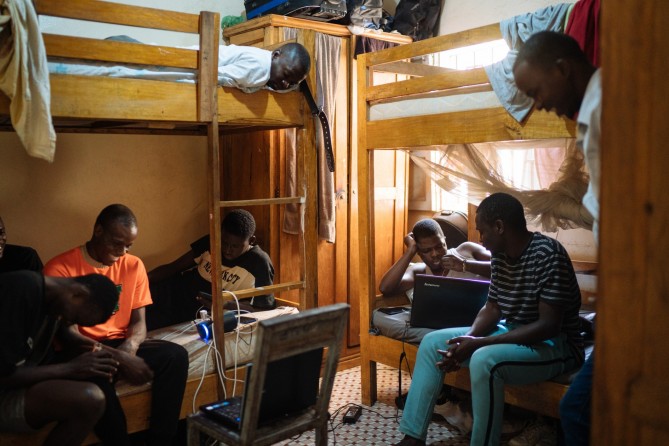
University students at their dormitory in the Senegal capital, Dakar. Young Africans are better educated and more connected than ever: 44% graduated from high school in 2020, up from 27% in 2000, and about 570 million people use the internet. But many struggle to find a job.
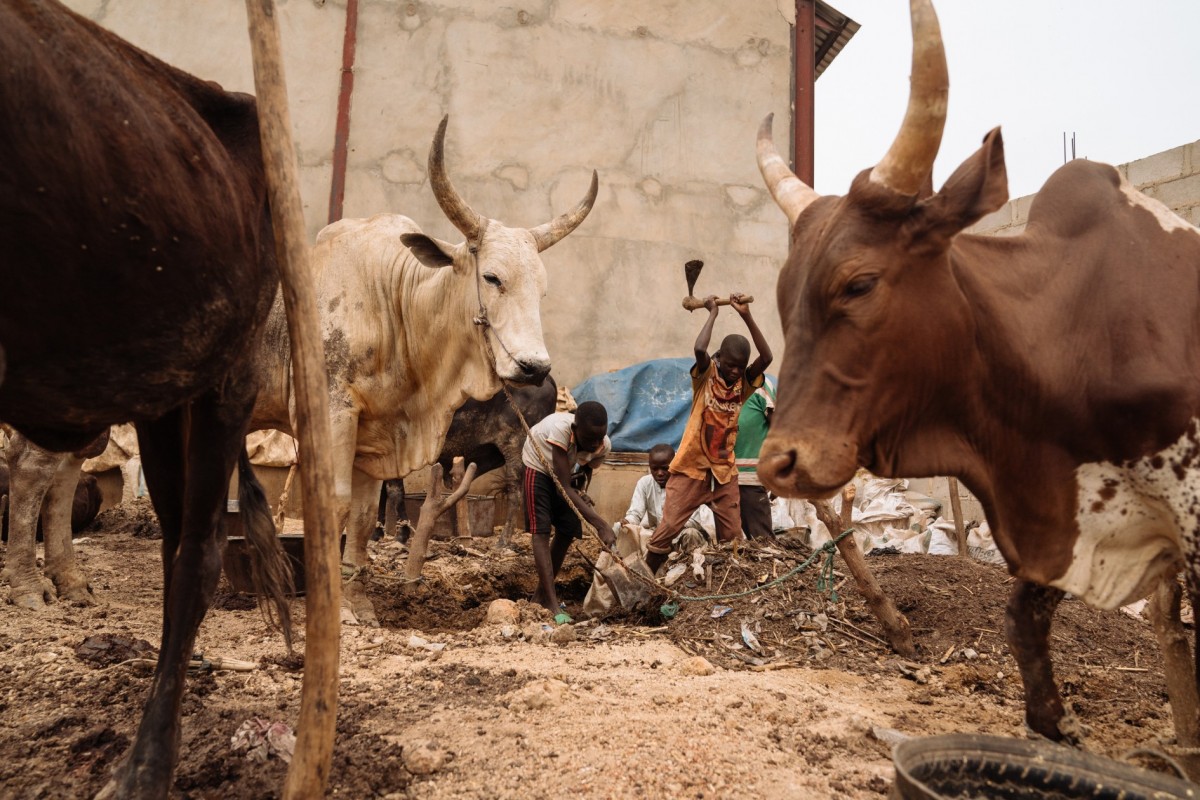
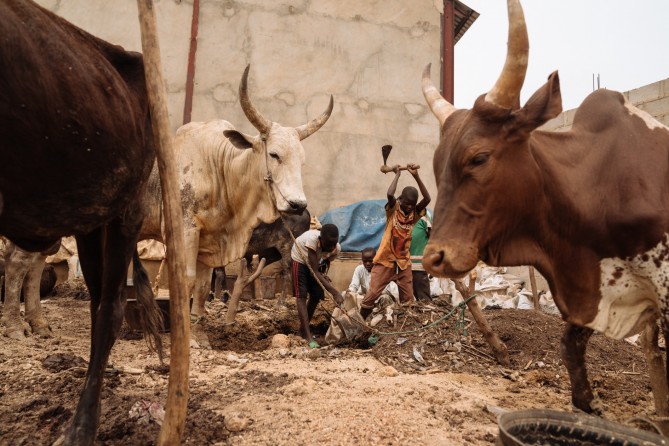
Young Nigerians work with a cattle herd in Kano. Nigeria, Africa’s most populous nation, is already deeply stressed: Nearly two-thirds of its 213 million people live on less than $2 a day; extremist violence and banditry are rife; and life expectancy is just 53, nine years below the African average.
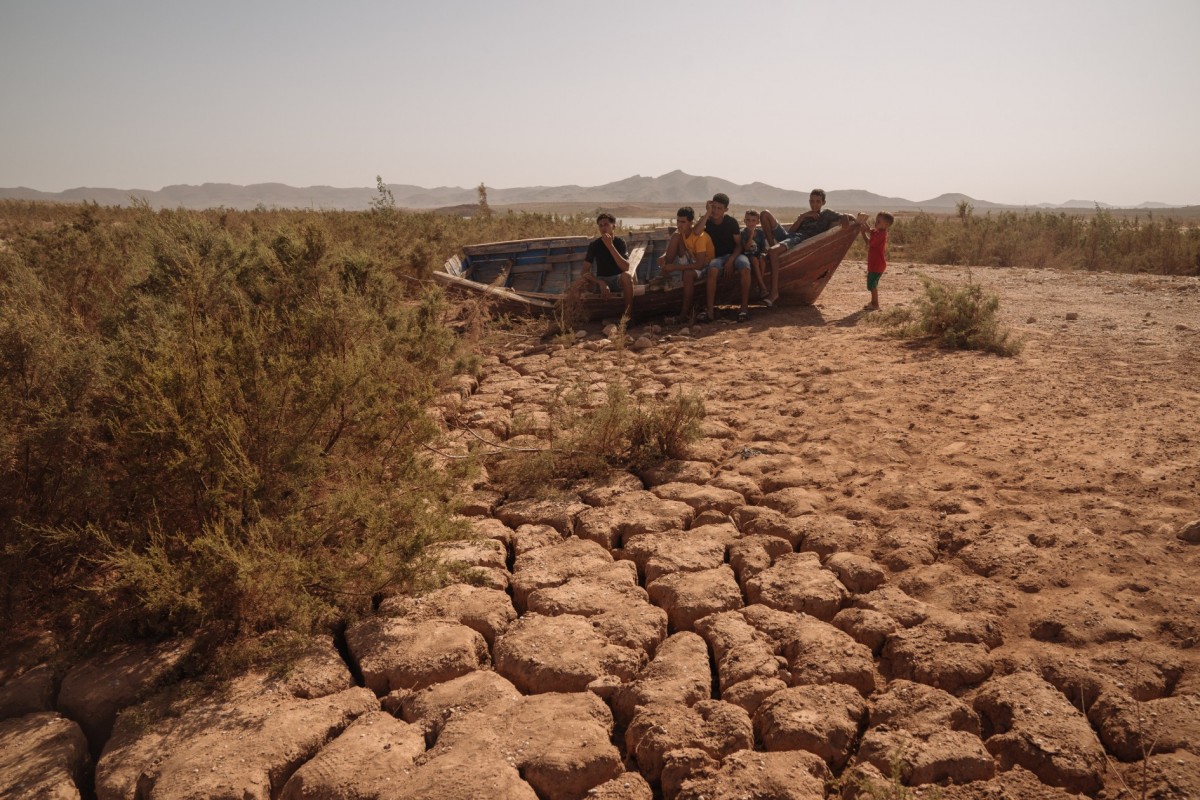
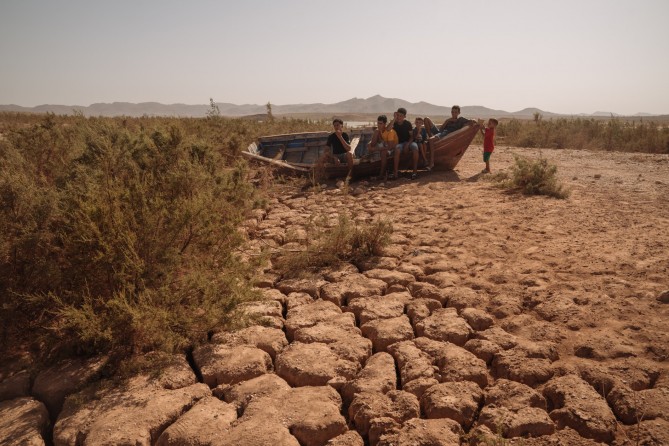
Parched by drought, a former fishing ground in Morocco’s Settat region makes an eerie playground of abandoned boats. Global warming has already devastated swaths of western and northern Africa, which have been hit by soaring temperatures and extended droughts.
Biography

Hannah Reyes Morales is a Filipina photographer who focuses on bringing historical memory and current events home, by looking at how they shape daily life.
Her long-term project Living Lullabies explores the role of lullabies in creating safer spaces for children and caregivers in challenging environments globally. Blending photography, audio, animation and performance from collaborators, the project illuminates critical issues facing women and children through the storytelling of families’ nighttime rituals.
Her work has been published in The New York Times, National Geographic Magazine and The Washington Post, among others.
She is the recipient of the Tim Hetherington Visionary Award and the ICP Infinity Award for Documentary Practice and Visual Journalism, and was named a cultural leader by the World Economic Forum ASEAN.
She was commissioned as the Nobel Peace Prize photographer in 2021. She is the recipient of a 2023 Pictures of the Year International Award, and a 2023 World Press Photo Award.
Ms. Reyes Morales is currently focusing on longer-term projects. She is a co-founder of Emerging Islands, a grassroots program connecting artists with scientists and coastal communities to tell island stories through art.
She is a National Geographic explorer and a 2022-2023 fellow at Columbia University’s Institute for Ideas and Imagination in Paris.