San Francisco Chronicle, by Deanne Fitzmaurice
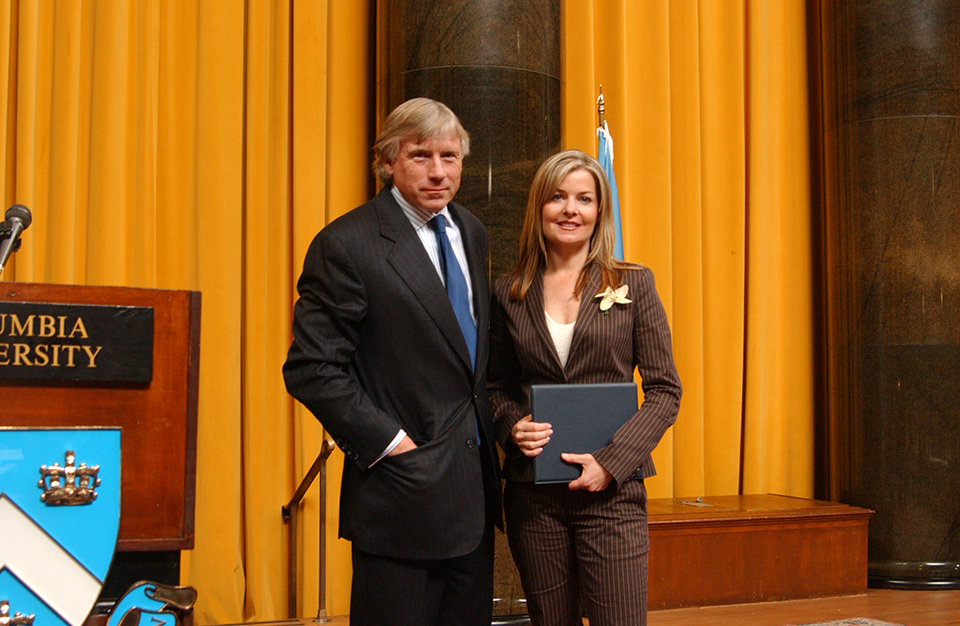
Columbia University President Lee C. Bollinger presents Deanne Fitzmaurice with the 2005 Pulitzer Prize in Feature Photography.
Winning Work
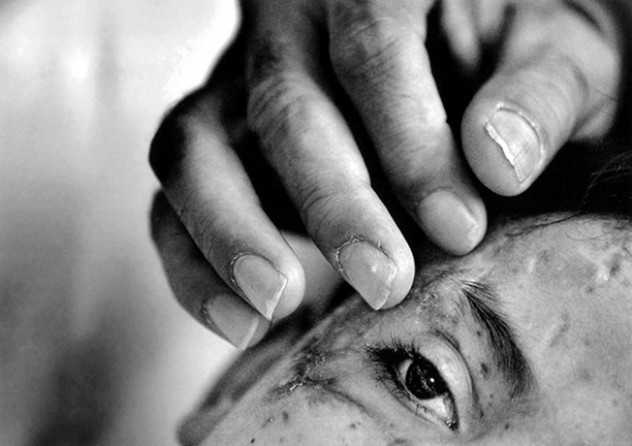
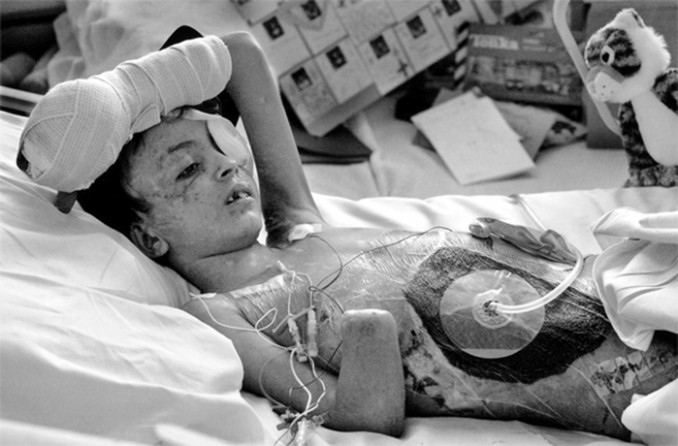
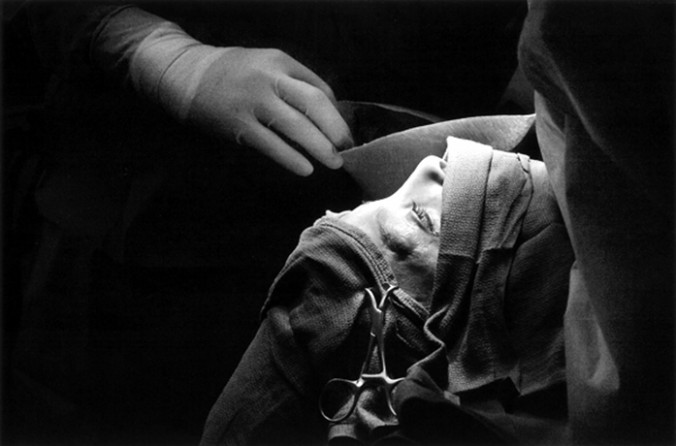
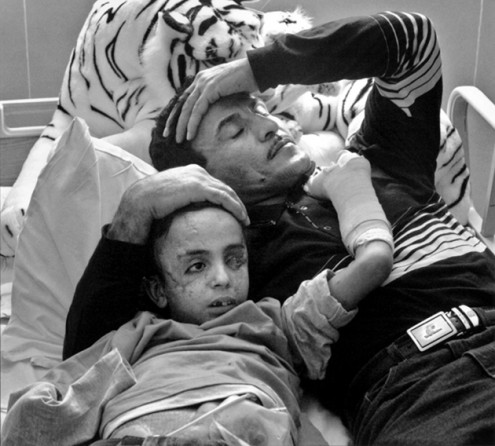
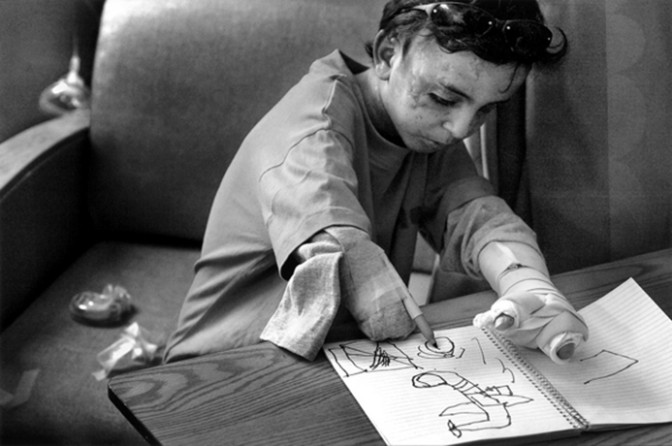
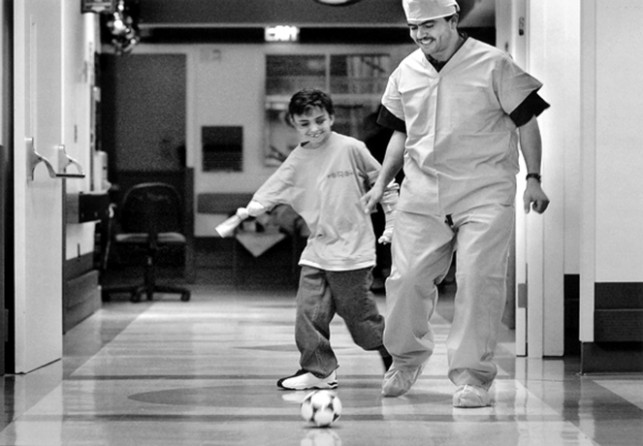
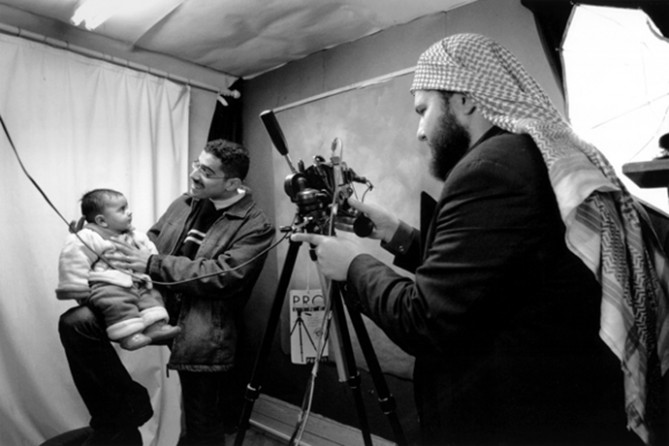
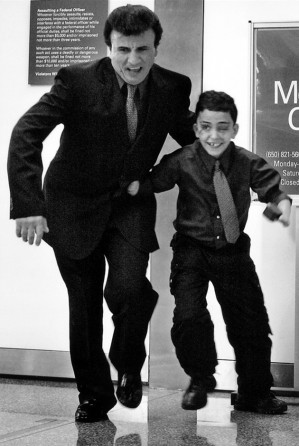
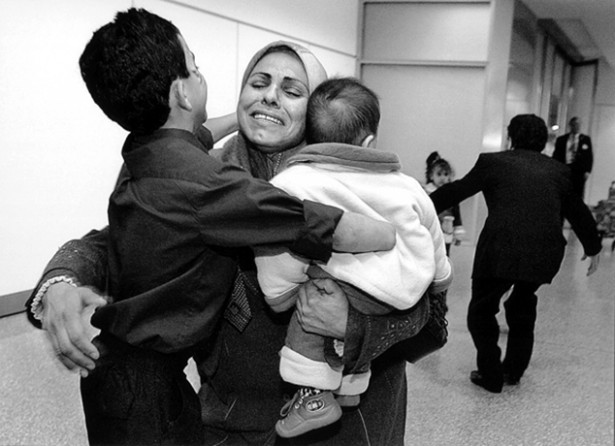
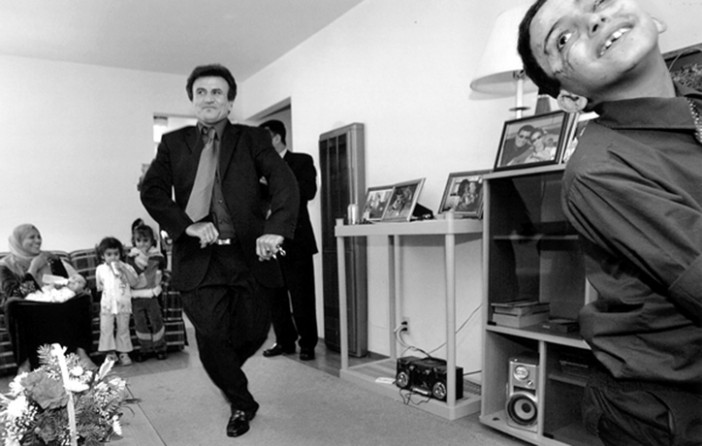
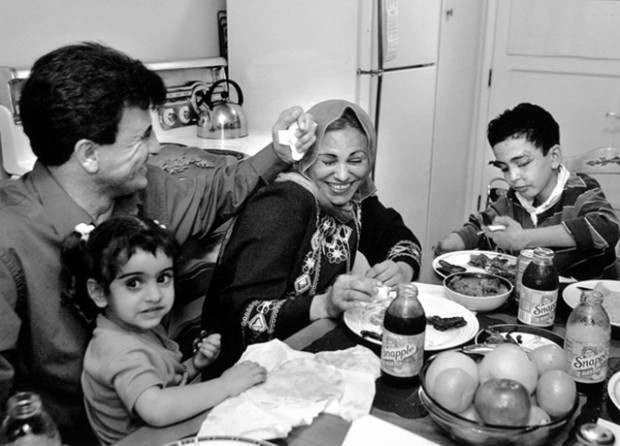
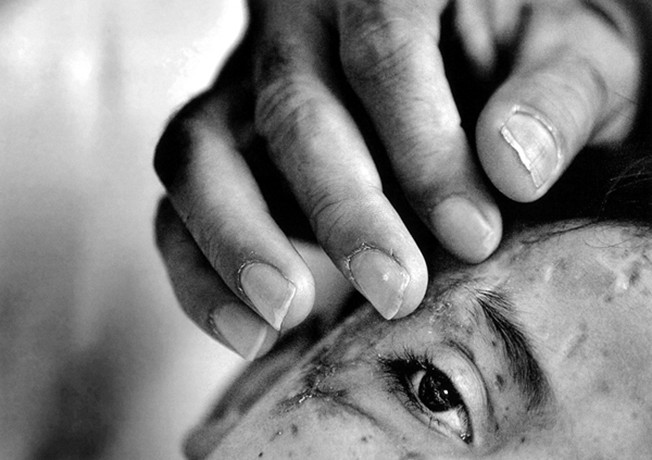
Saleh Khalaf, a 9-year-old Iraqi boy, was severely maimed by an explosion. His indomitable spirit -- which earned Saleh the nickname Lion Heart -- moved Air Force surgeons in Iraq to launch an international mercy mission to save him. Throughout the ordeal Saleh's father, Raheem, stayed at the boy's side, ready with a comforting touch like this.
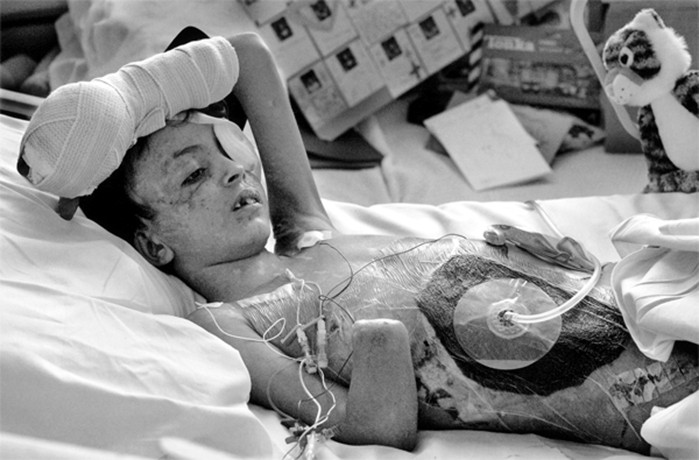
The mission to save Saleh brought him and his father to Children's Hospital Oakland, leaving his pregnant mother and two younger sisters behind in Iraq. The explosion had ripped open Saleh's abdomen, torn off his right hand and most fingers on his left, blown out his left eye and killed his older brother.
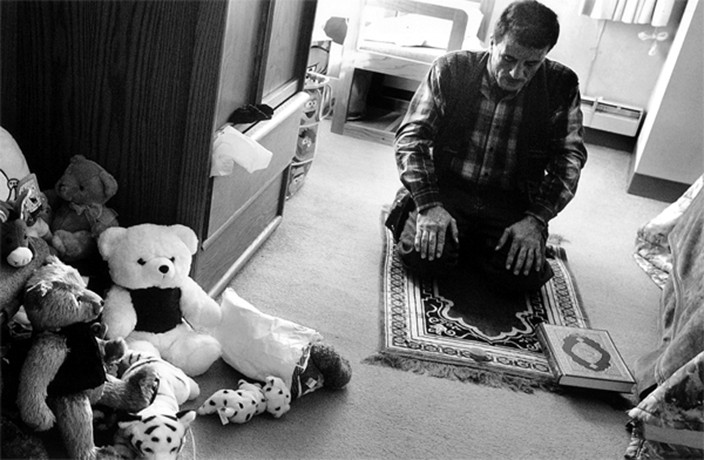
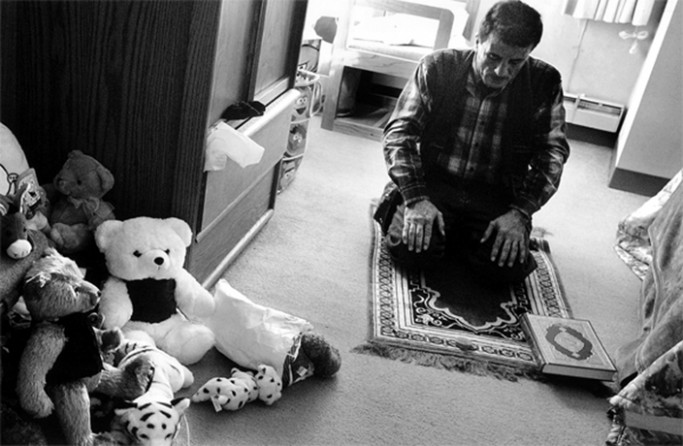
While Saleh was recovering, he and his father lived at the Children's Hospital Family House, where Raheem spread out his rug for daily prayers required of Muslims. Bay Area well-wishers sent Saleh toys and stuffed animals.
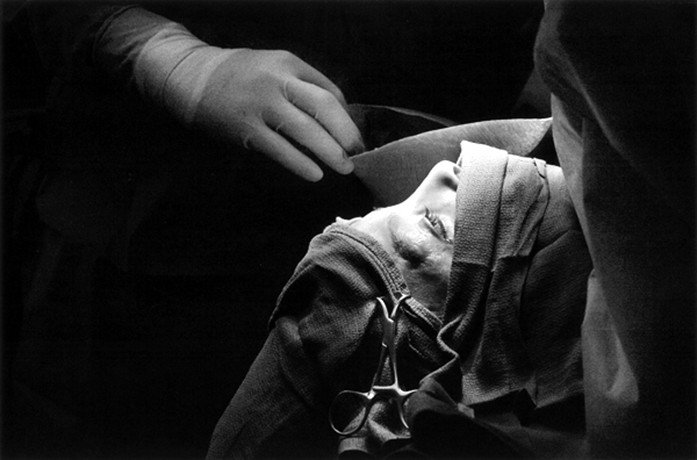
In the 10 months after the explosion, Saleh would undergo 32 surgeries. Here he awaits an operation to repair his left eyelid so that he can accommodate a prosthetic eye. In addition to the operations, Saleh would need months of rehabilitation and emotional therapy.
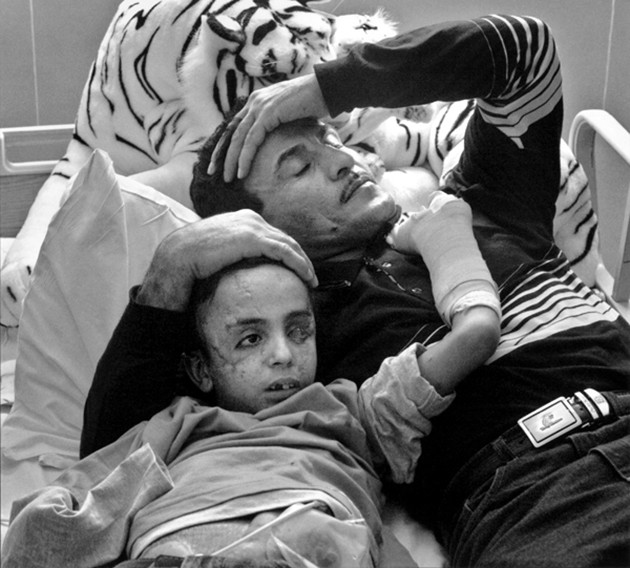
Raheem started most nights in bed with Saleh and then slipped off to a chair when Saleh fell asleep. He was still grieving the death of his oldest son, Dia, killed when Saleh was maimed. Two months after the incident, Raheem had not told Saleh his brother was dead.
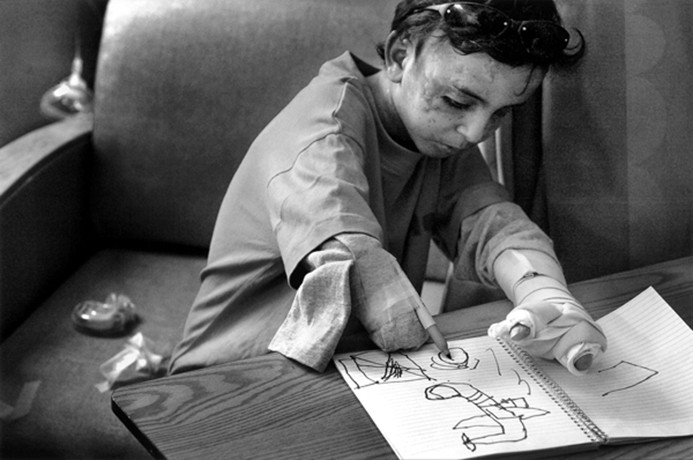
Though usually upbeat, Saleh was sensitive about his appearance. One afternoon, when he saw other children staring at him, Saleh became angry and upset. Nurses sought to soothe him by taping a felt tip pen to this arm so he could draw pictures. Saleh drew an airplane dropping bombs.
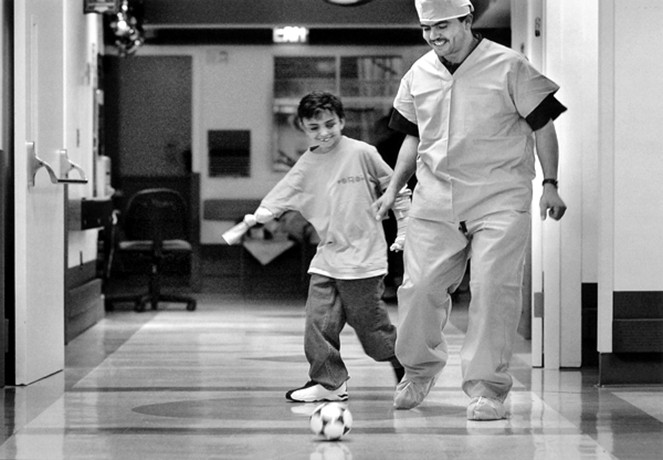
Saleh's recovery went better than anyone expected. One night at Children's Hospital, he and a custodian, Khaled Abdorabihe, played soccer in the hallway until a nurse caught them and sent Saleh back to bed.
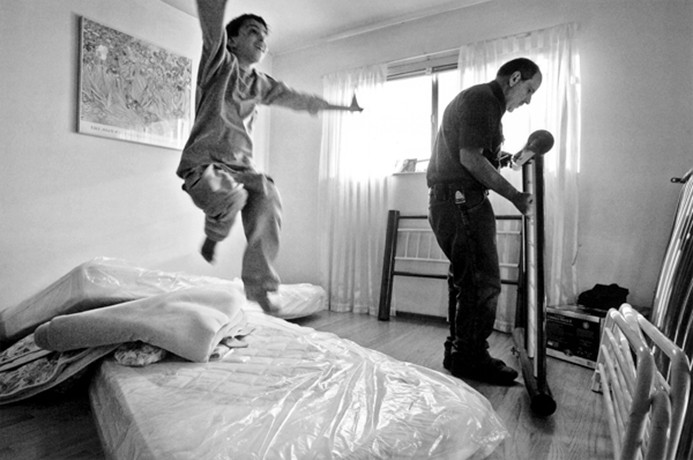
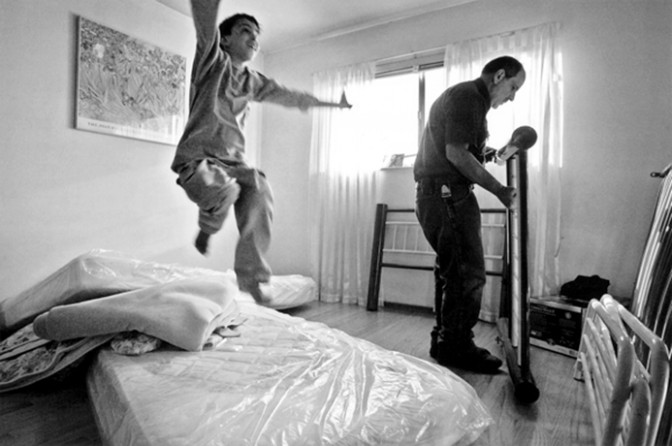
Months into Saleh's recovery, hospital officials reluctantly told Raheem that they would need the Family House for other patients. A Bay Area couple -- Leslie and Daniel Troutner -- came to the rescue, finding a place for Saleh and Raheem in Oakland. Saleh jumped for joy as Daniel assembled his new bed.
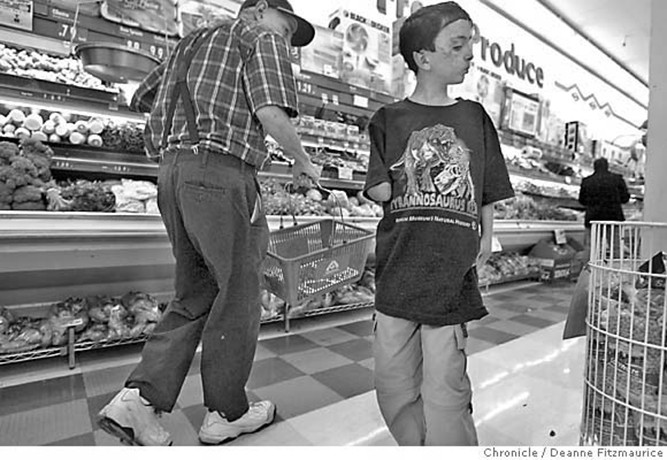
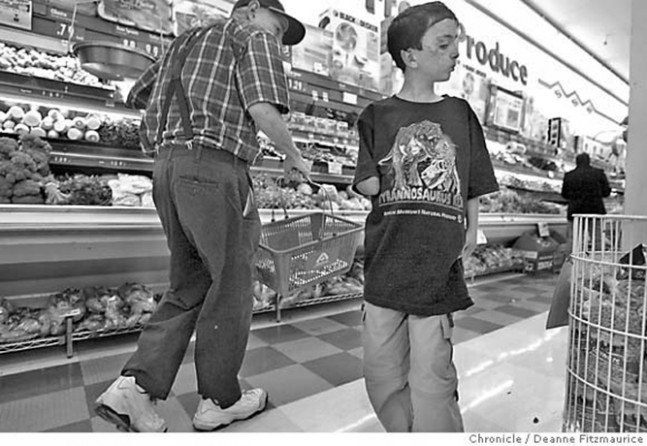
As he ventured more often outside the hospital, Saleh took to wearing sunglasses to hide his scars. On this trip to the grocery store, he forgot them and drew the stares of other customers.
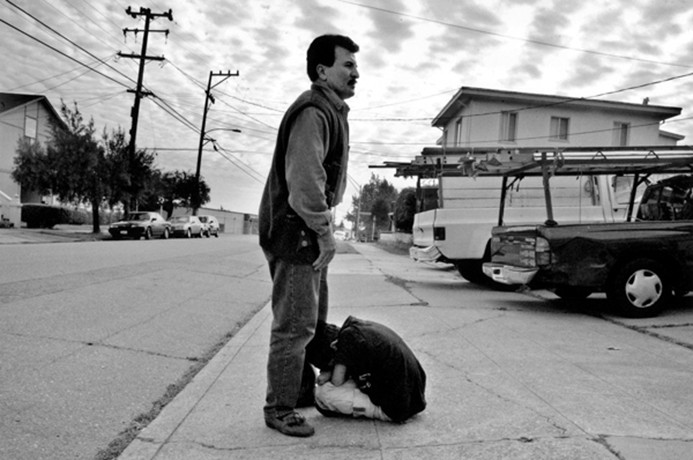
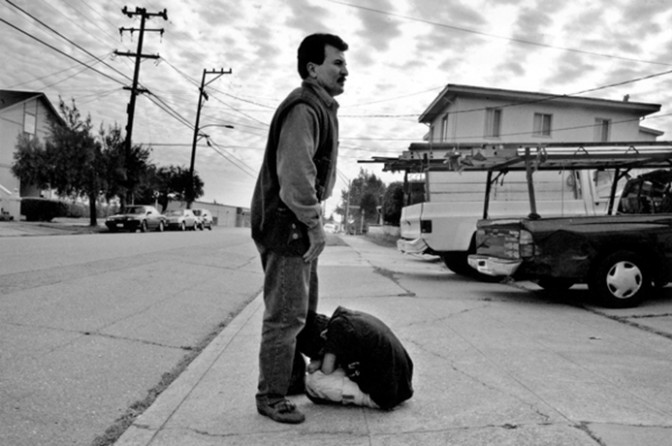
Upset by the stares of strangers, Saleh ran from the store. Raheem chased him down and tried to console him but it was too much for Saleh. In front of their apartment building, he fell to the ground sobbing as Raheem stood helplessly above him.
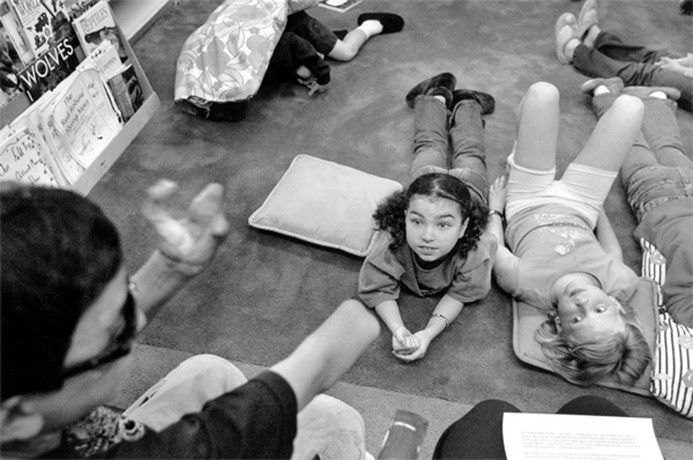
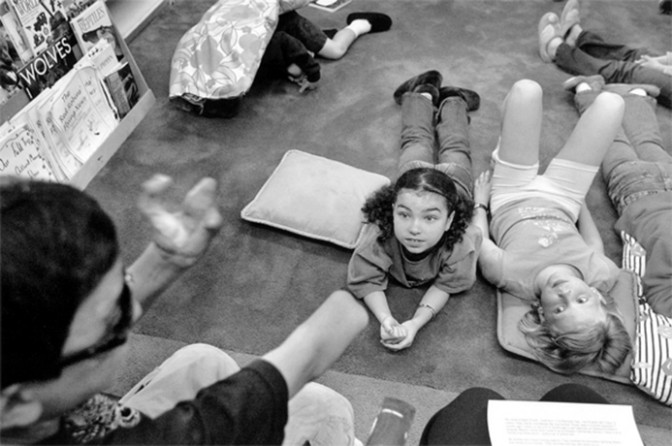
His major surgeries behind him, Saleh started taking classes at Park Day School. When it was his turn in the storyteller's chair, Saleh riveted the other children with tales of his life in Iraq. He talked about catching fish in the river near his house and how wild animals roamed the neighborhood.
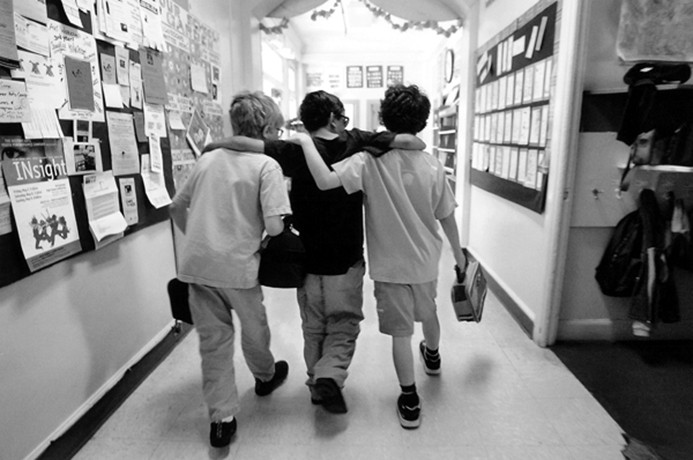
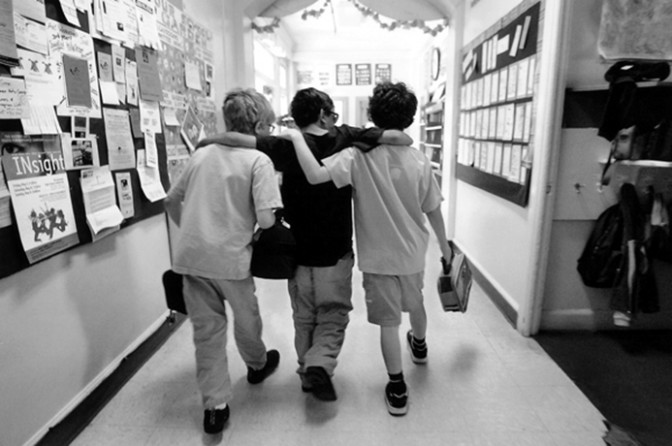
Saleh quickly made friends at Park, where he strolled through the hallway arm-in-arm with Owen Clark (right) and Austin Bisharat. Saleh was especially close to Austin, who is a Palestinian-American.
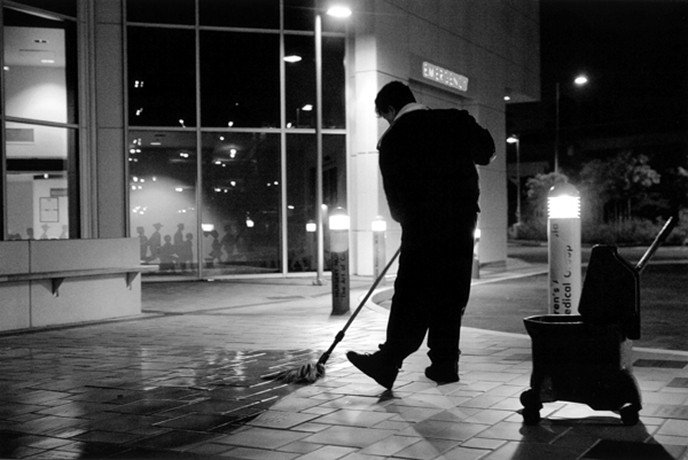
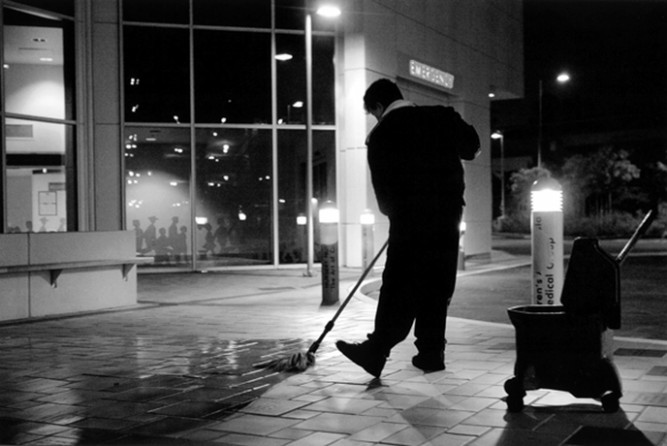
Now that he was living on his own, Raheem needed a job to support himself and Saleh. He found work as a custodian at the hospital that helped save his son's life. Raheem started his workday at 4 a.m.
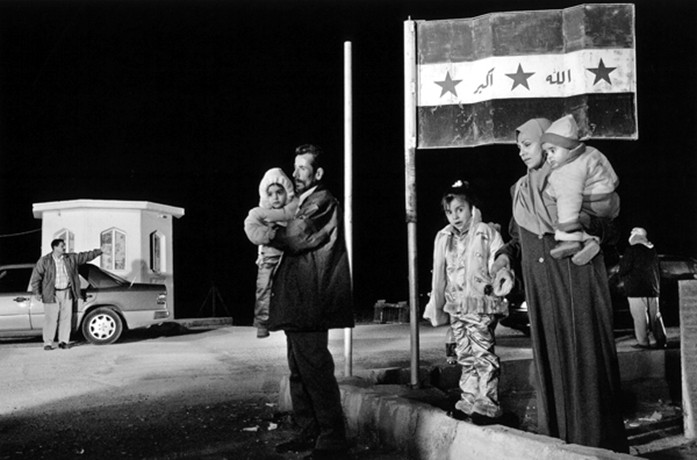
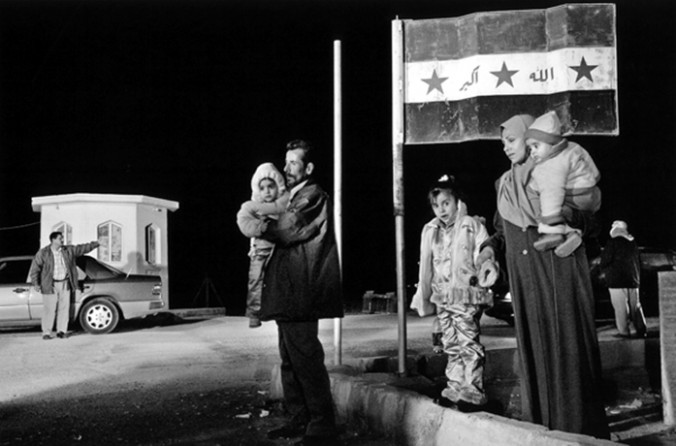
Nearly a year after arriving in the United States, Saleh and Raheem were granted asylum, as were the other members of their family -- mother Hadia, daughters Marwa and Zahra and new baby Ali. Hadia's brother-in-law, Kareem, helped them make the perilous journey out of Iraq. Here they are about to enter Jordan.
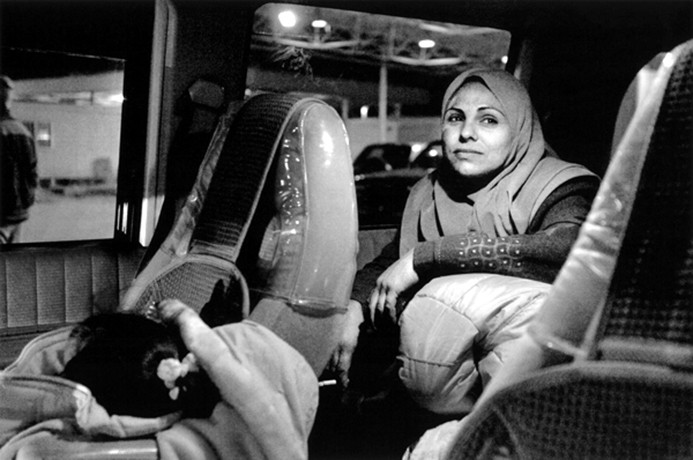
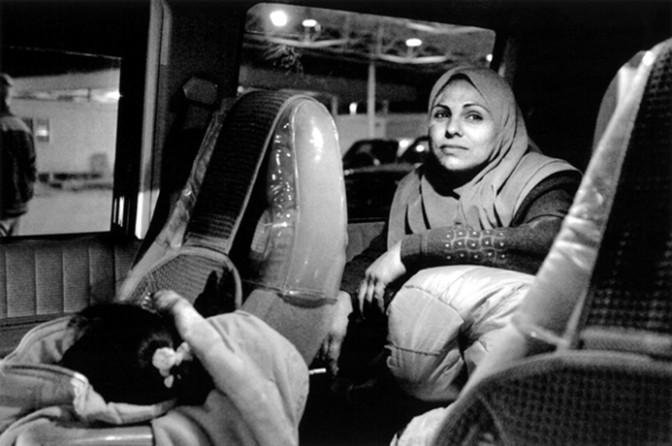
Relieved after crossing the border into the safety of Jordan, Hadia relaxed as Marwa slept in the front seat of a van. Now all that remained was to wait for visas and begin the journey to America, where Hadia and the children would be reunited with Saleh and Raheem.
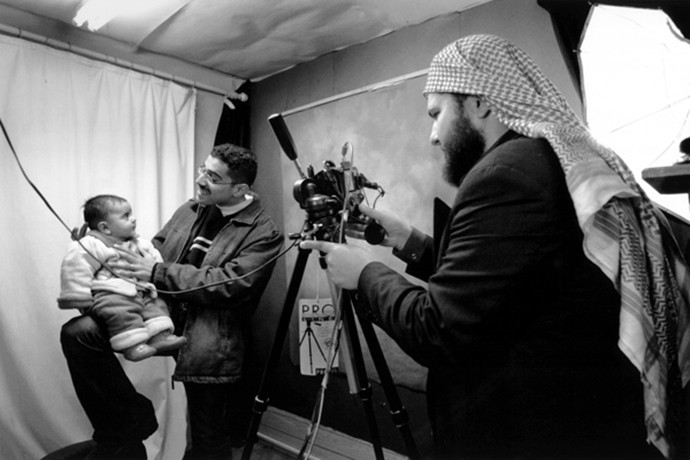
In Amman, Jordan, Hadia took her family to a portrait studio to get their passport photos. Ali the baby boy whom Raheem and Saleh would soon meet, was bounced on an assistant's knee in order to keep him awake for the picture.
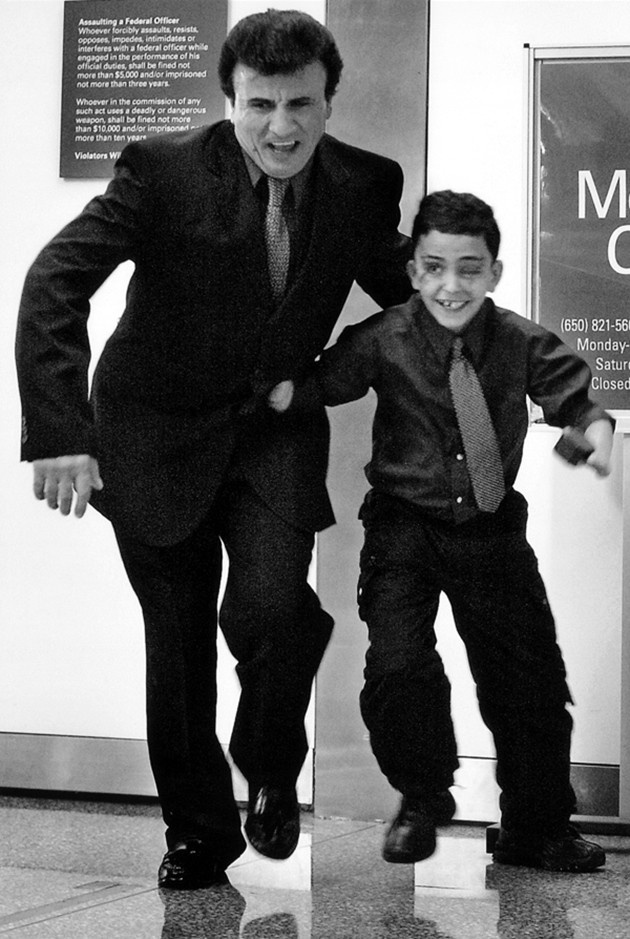
Saleh and Raheem caught sight of Hadia and the children at San Francisco International Airport for the first time in more than a year. "There she is!" Saleh squealed as he and his father raced toward the long-awaited reunion. In his hand, Saleh held tight to a ring he'd bought at Wal-Mart as a present for his mother.
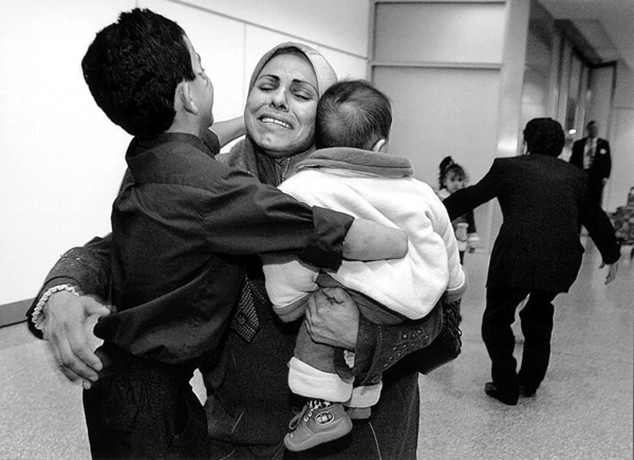
Saleh rushed to hug his mother and his new baby brother, Ali, at San Francisco International Airport. Hadia dropped to her knees and embraced the son she had last seen thinking he was dying. Behind, Raheem opened his arms to his daughters, Marwa and Zahra.
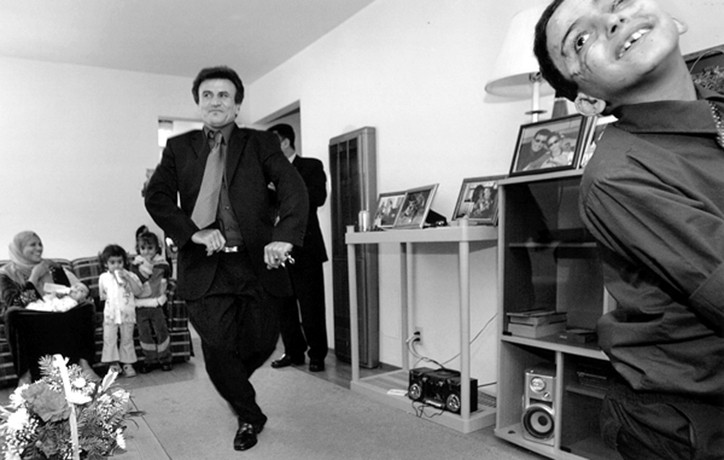
The apartment Raheem, Hadia and their children would share in Oakland was a far cry from the crumbling home with spotty electricity that they had shared in their small Iraqi village. On the evening of their arrival, Raheem and Saleh were so happy to have their family back that they danced for joy.
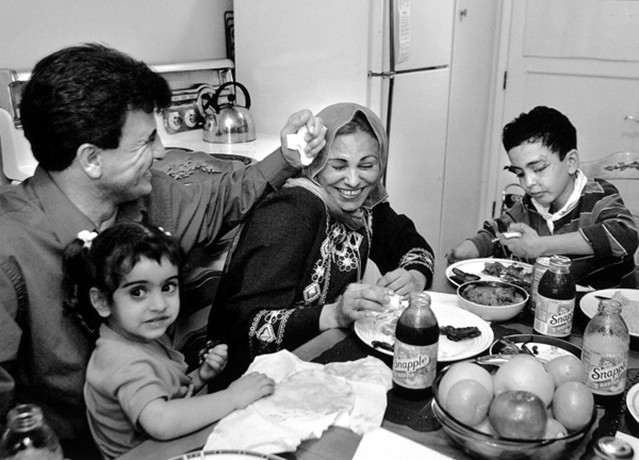
As they settled into their apartment in Oakland, Hadia prepared meals for the family. Raheem, with daughter Marwa in her rightful place at the center of daddy's universe, gave Hadia a playful nudge when she said he looked funny without his mustache.
Biography
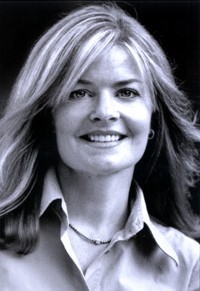
Deanne Fitzmaurice is an award-winning photographer who has worked at the San Francisco Chronicle for 16 years.
She has been published in Time, Newsweek, U.S. News & World Report, Sports Illustrated, ESPN the Magazine and People. She also has participated in Day in the Life book projects.
Her numerous awards include honors from the Society of Professional Journalists, National Press Photographers Association and the California Press Photographers Association. The Bay Area Press Photographers Association named her Photographer of the Year in 2002.
Fitzmaurice is a graduate of the Academy of Art College in San Francisco, where she earned a B.F.A. in photography.