For a distinguished example of feature photography in black and white or color, which may consist of a photograph or photographs, a sequence or an album, Seven thousand five hundred dollars ($7,500).

The New York Times, by Staff
For its photographs chronicling the pain and the perseverance of people enduring protracted conflict in Afghanistan and Pakistan.
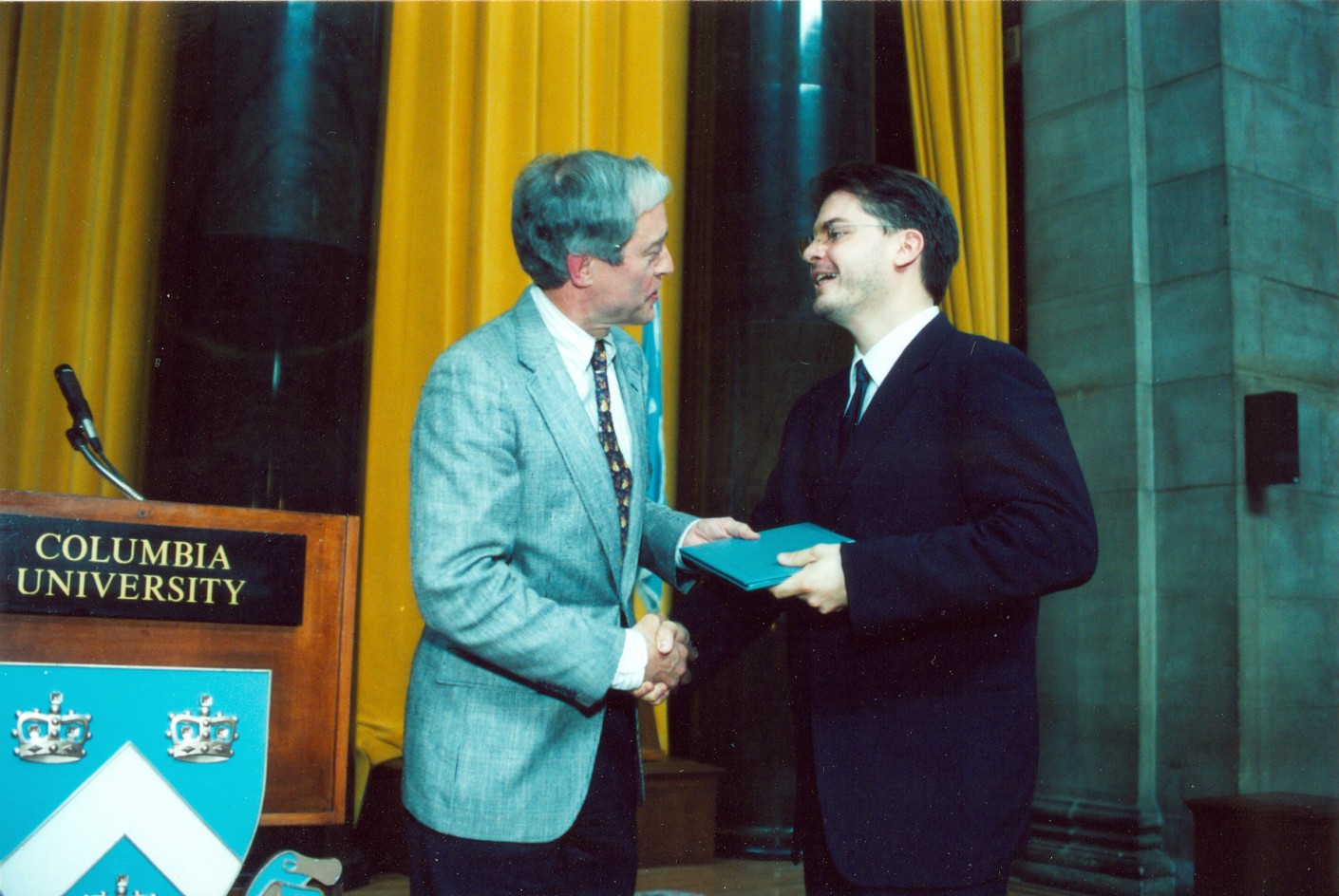
George Rupp and Vincent LaForet

Columbia University President George Rupp (left) presents Vincent LaForet, of The New York Times, with the 2002 Pulitzer Prize for Feature Photography.

Winning Work
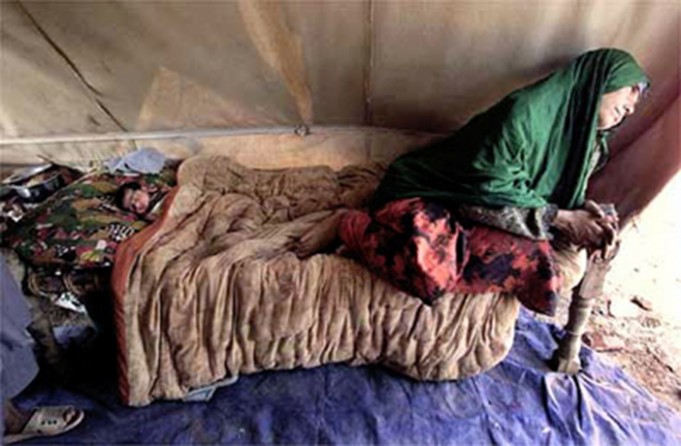
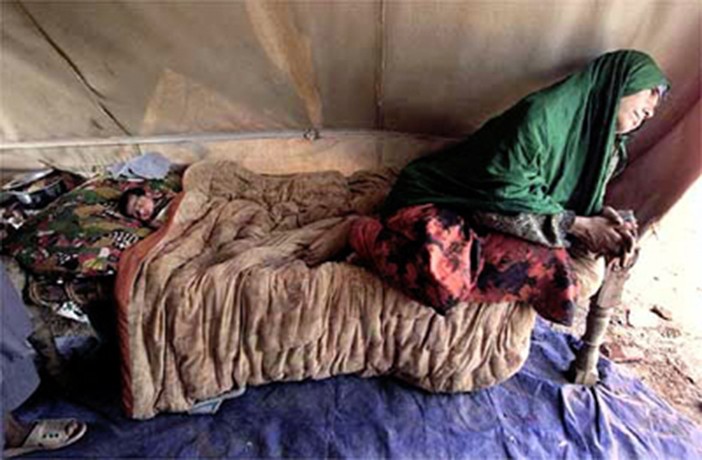
With her newborn daughter sleeping, at left, Malika, a refugee from a village near Jalalabad, Afghanistan, looked out of a tent in the New Shamshatoo Refugee Camp in Pakistan. (Ruth Fremson/The New York Times)
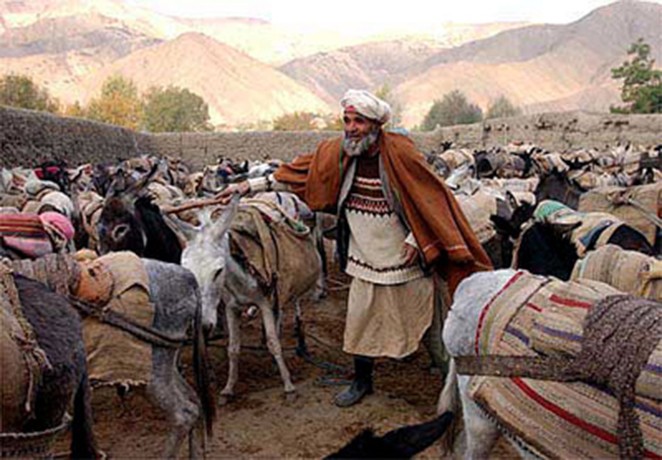
 
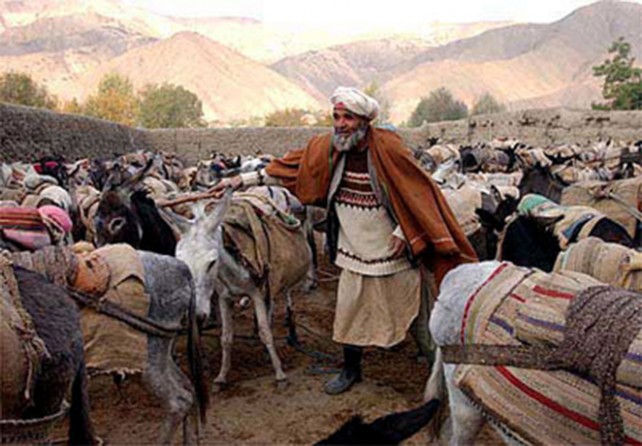
Smugglers try to slip through Taliban territory to supply Afghans on the rebel side with every conceivable need. But they say they are beaten or forced to pay bribes, or, like this man, 12 cents to leave a donkey in a park. (James Hill/The New York Times)
 
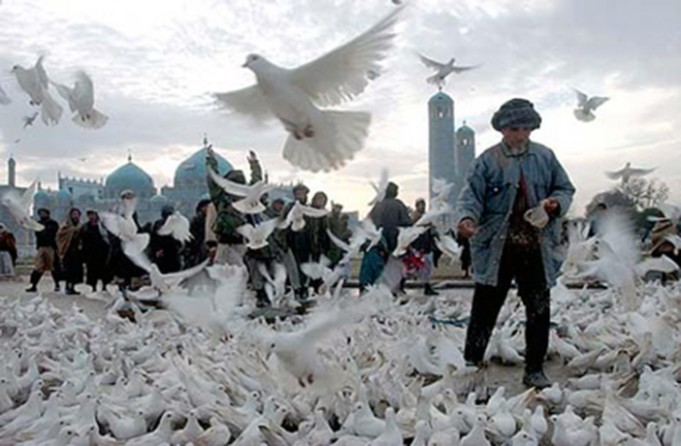
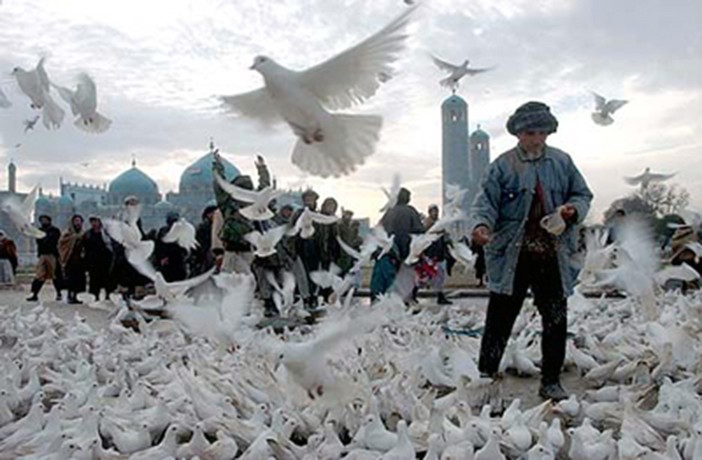
At the shrine of Azrat Ali in Mazar-i-Sharif, the mosque's mullah says the doves are the first to leave when fighting breaks out and the last to return. (James Hill/The New York Times)

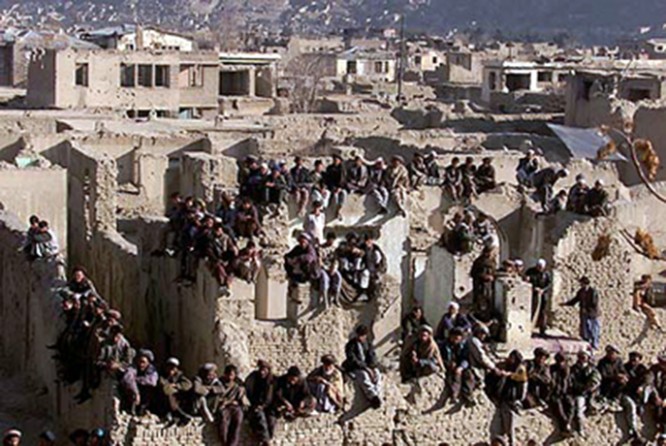
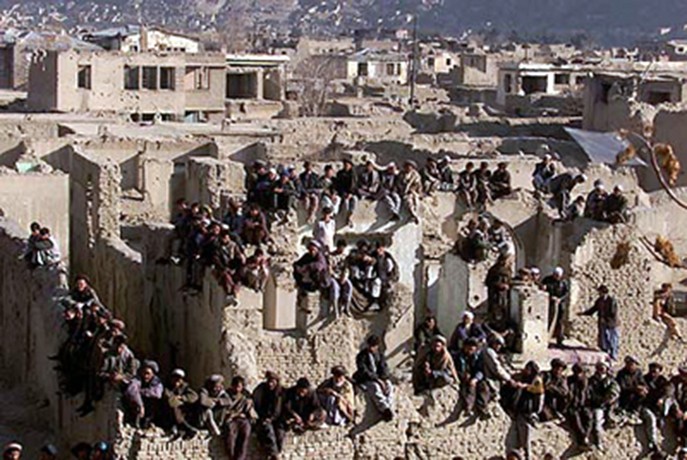
Dozens of tribal Hazara perched in the ruins of Kartasakhi town near Kabul to listed to the homecoming speech of Muhammad Karim Khalil, who fought against the Taliban in the north. The town was heavily damaged during infighting among anti-Taliban forces from 1993 to 1995, and the new coalition goverment faces similar strife. (Chang W. Lee/The New York Times)
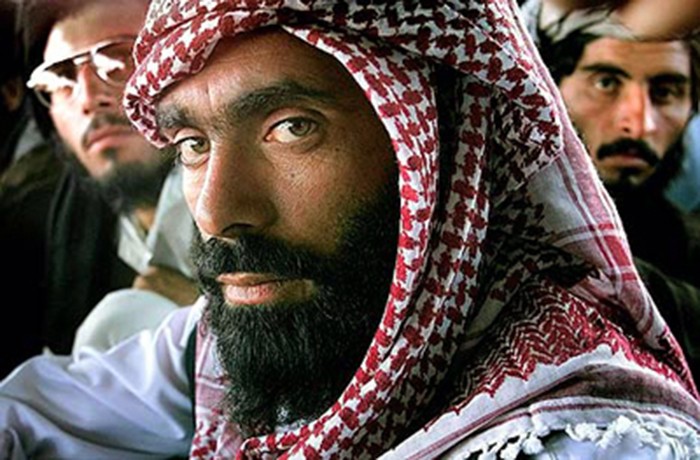
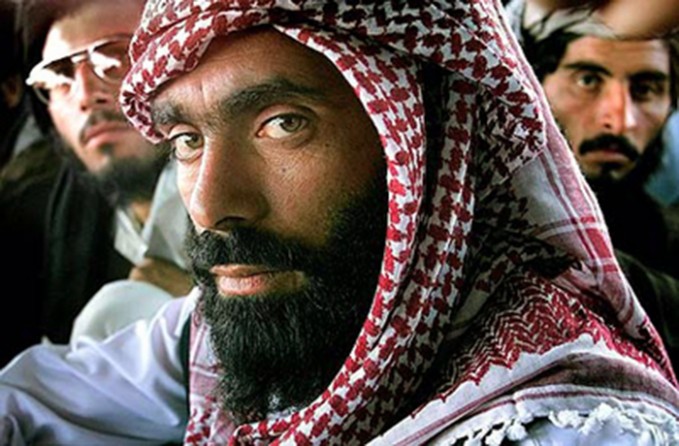
Pro-Taliban supporters listed to speeches given by religious leaders during an Anti-American rally on Oct. 2, 2001, in Quetta, Pakistan. (Vincent Laforet/The New York Times)
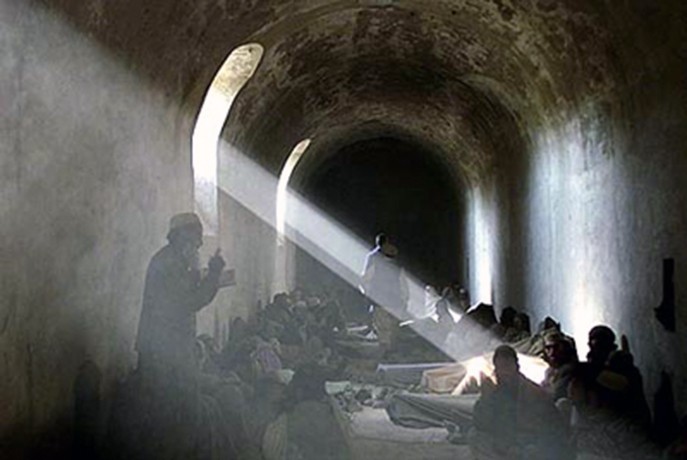
 

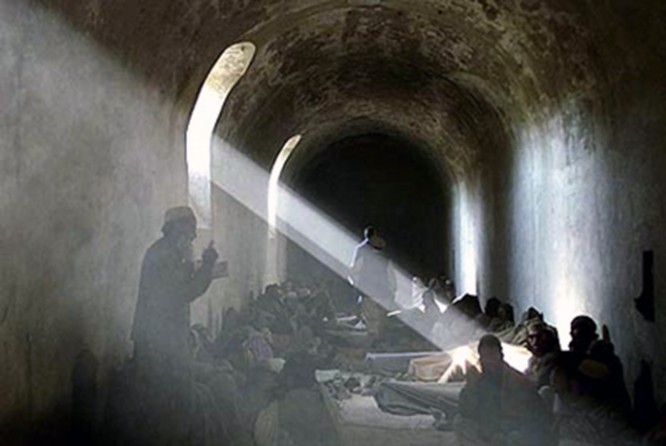
Light streams through the windows of a warehouse in the town of Khawai in Nangarhar province where 155 Taliban fighters are imprisoned. On the left, a man read from the Koran. (Stephen Crowley/The New York Times)
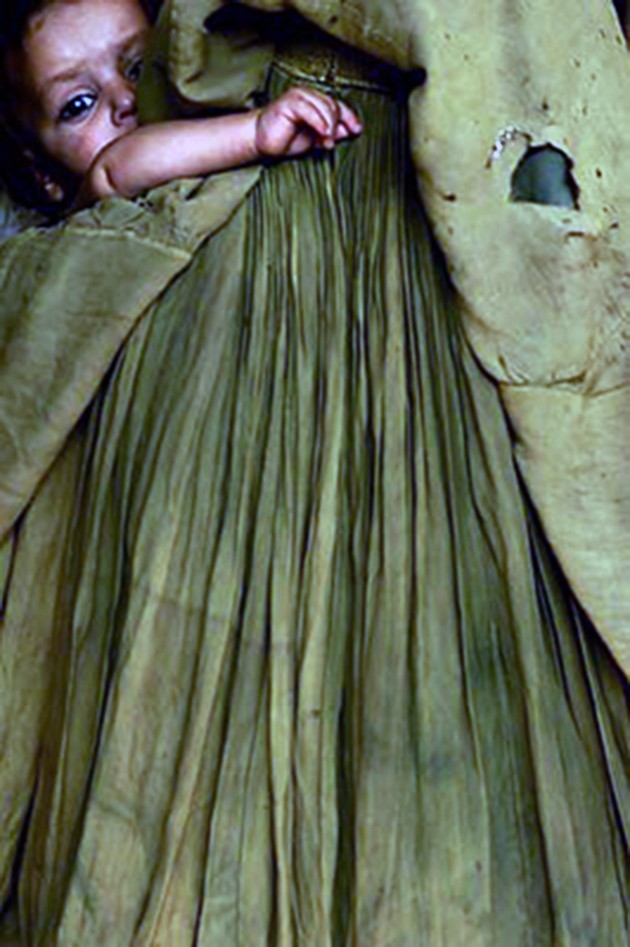
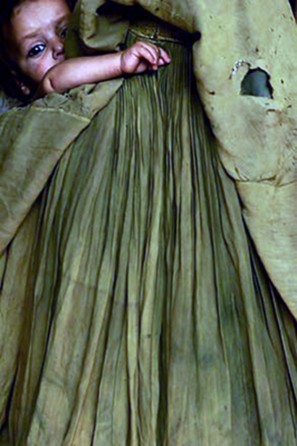
Jamillah, covered in a burqa, who fled the drought in Afghanistan with her family 10 months ago, is seen with her 10-month-old daughter Shabanah, at a clinic run by the relief organization Doctors Without Borders in the Jalozi refugee camp outside of Peshawar, Pakistan, in November 2001. (Stephen Crowley/The New York Times)

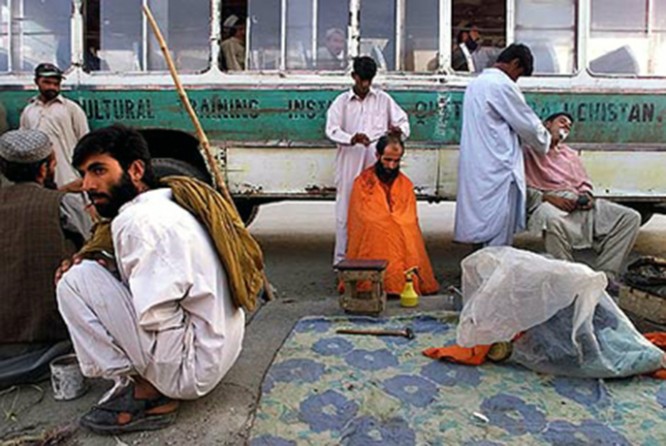
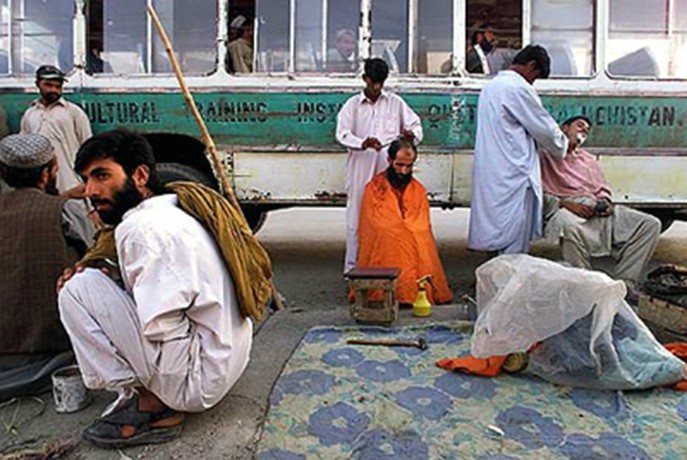
In the center of the commercial district of Quetta, both Pakistanis and Afghans, from a variety of tribes in the border region, mix together as they get haircuts from street barbers. (Vincent Laforet/The New York Times)
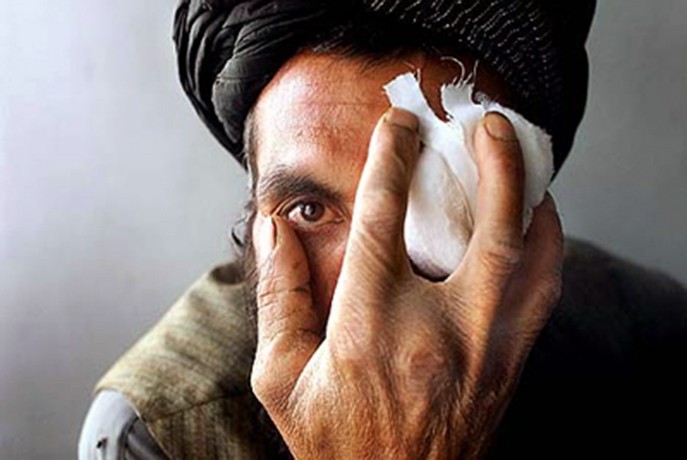
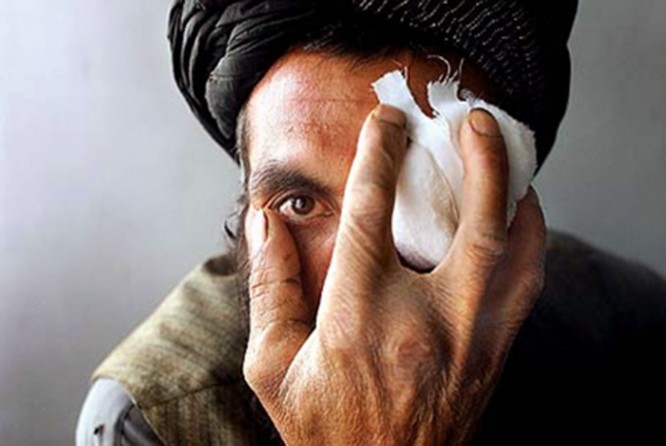
Fazal Muhammad, 42, who lost his son in a U.S. air attack on Kandahar in the previous week, is treated in Quetta, Pakistan, for an eye wound in October 2001. (Vincent Laforet/The New York Times)
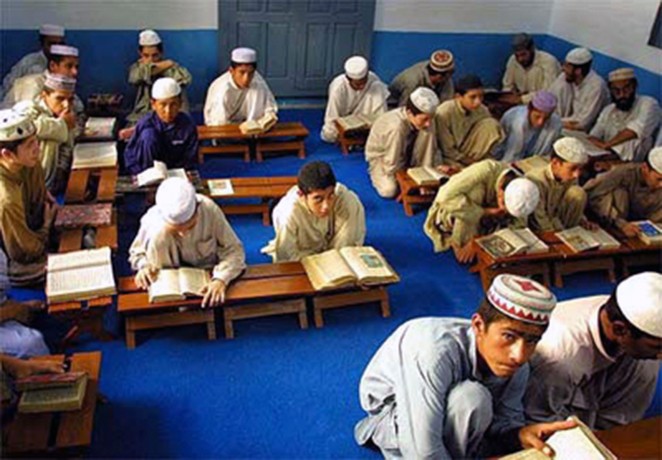
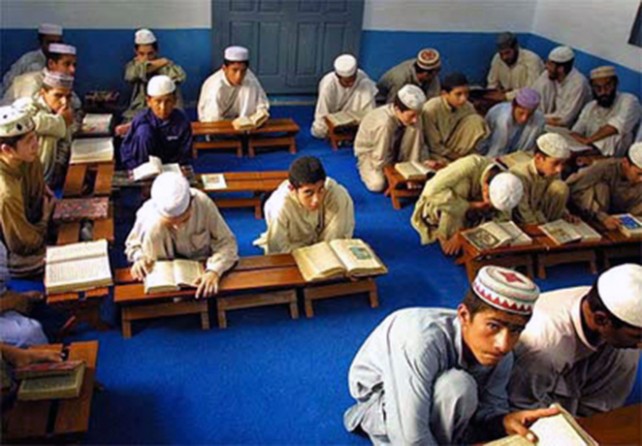
Taliban students of the Jamia Haqqania Madrassa study Islamic literature under supervision from their teachers in the Northwest Frontier province of Pakistan. (Vincent Laforet/The New York Times)
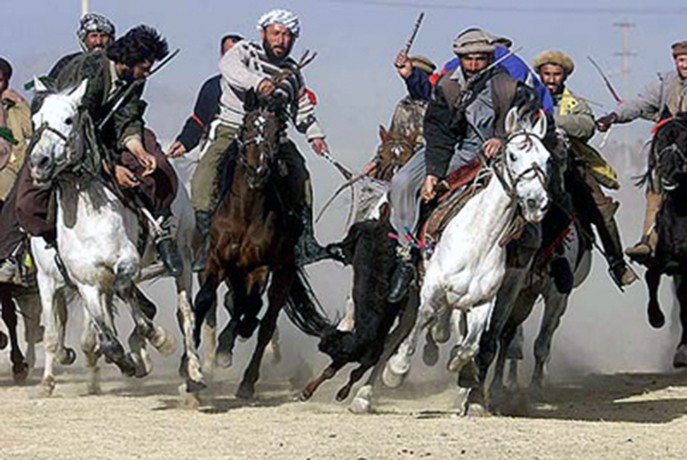
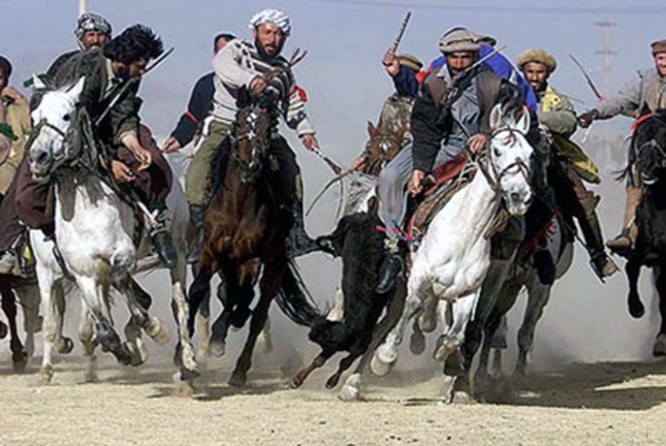
Buzkashy race to catch a small cow riding horses at Charman Babrak (Babrak's Field) in Shah Shahid town in Kabul, Afghanistan. (Chang W. Lee/The New York Times)
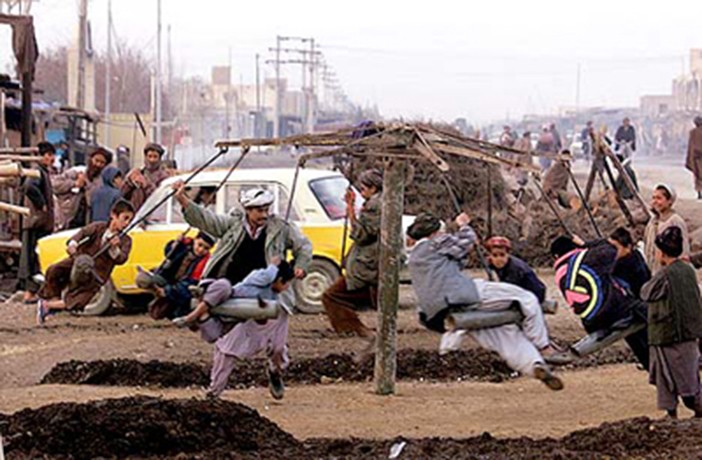
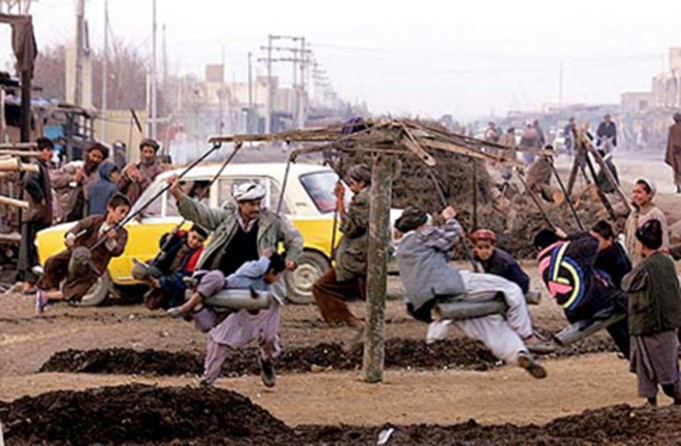
While relatives watched, Afghan children ride an improvised carousel that had been made from artillery shell casings in Mazar-i-Sharif, the northern city that fell to anti-Taliban forces in November 2001. Rides cost 5,000 Afghanis, or about 10 cents. (Chang W. Lee/The New York Times)

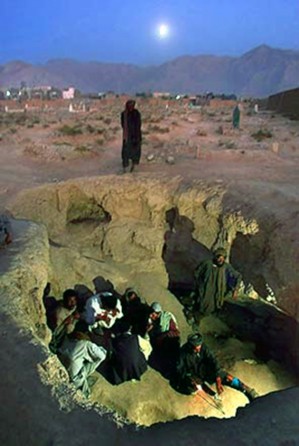
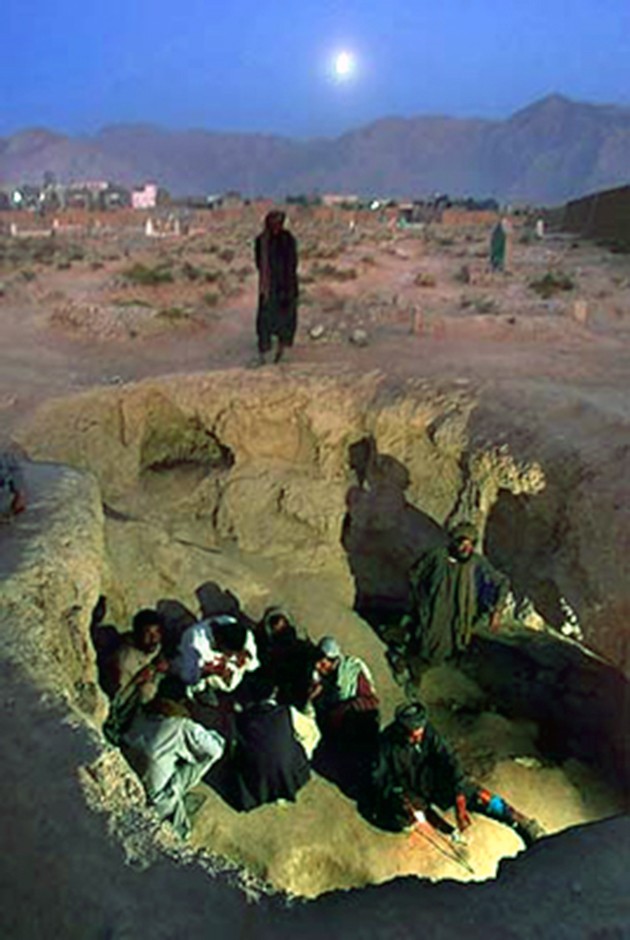
A group of opium addicts light up inside a cave in the middle of burial ground as the moon rises above the mountains of Quetta, Pakistan, in the Quetta Satellite Cemetery where dozens gather each night to forget their troubles in a haze of opium, marijuana, and heroin. (Vincent Laforet/The New York Times - September 30, 2001)
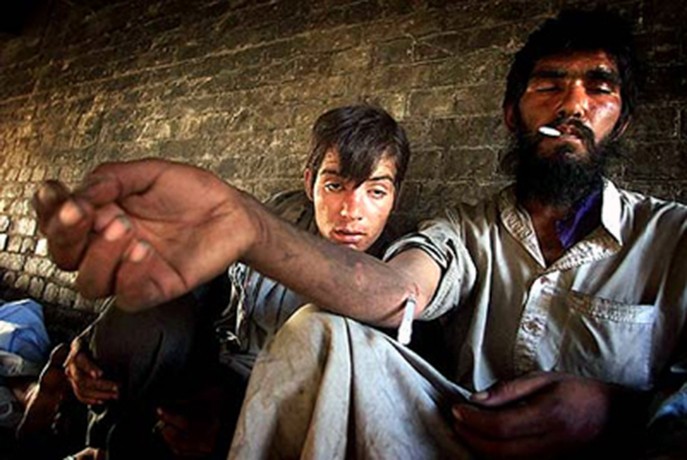
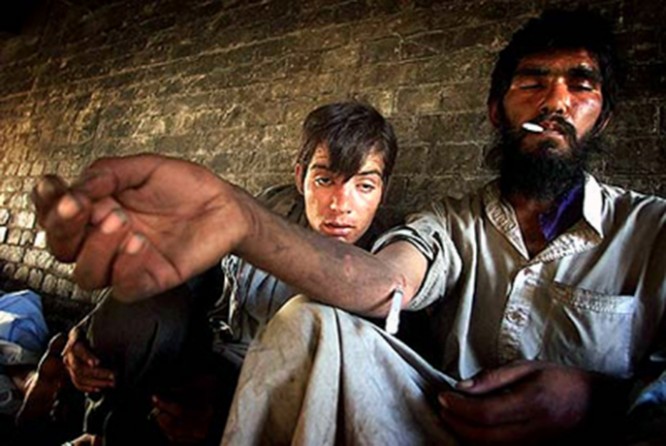
A young man struggles to keep his eyes open after inhaling opium as a heroin syringe hangs from his friend's arm underneath a bridge in downtown Quetta, Pakistan, where dozens congregate to inhale or inject a variety of drugs, including opium, marijuana, and heroin. Neither man was coherent enought to identify. (Vincent Laforet/The New York Times - September 30, 2001)
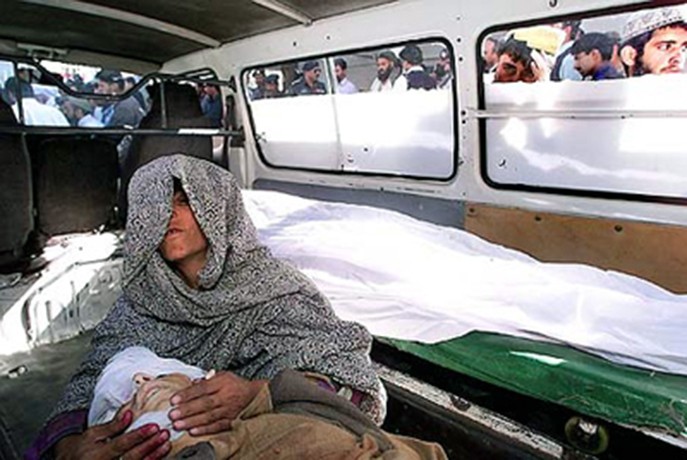
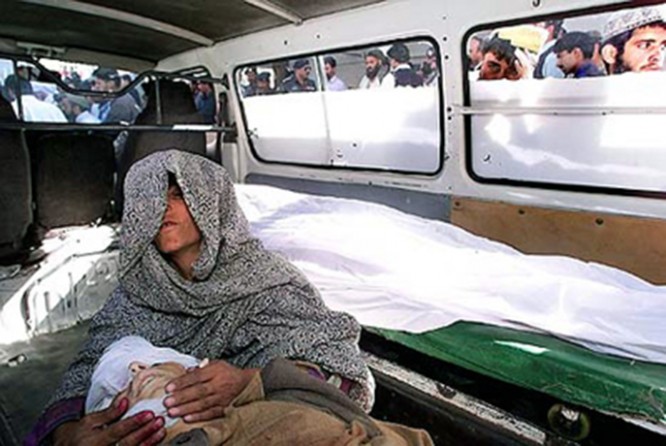
The mother of Hamid Ullah, 13, grives over his body in an ambulance after he was killed, with three others, in a demonstration in Kuchlak, Pakistan, against the American-led strikes on Afghanistan. (Vincent Laforet/The New York Times - October 9, 2001)
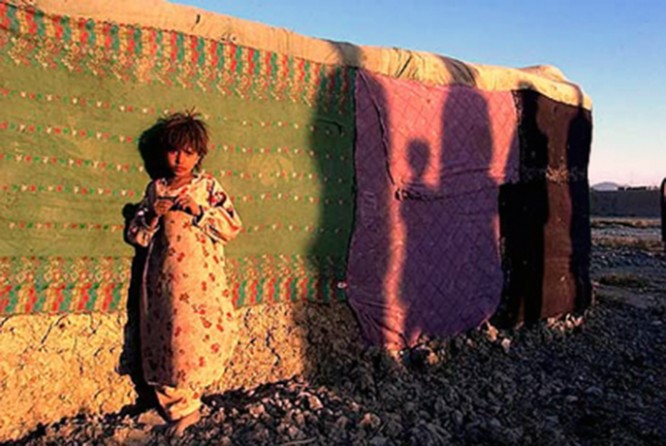
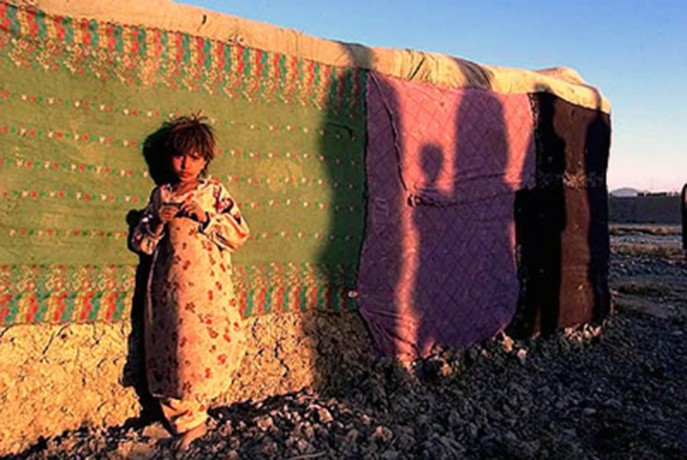
Afghan refugee Shafia Helmand stands in front of a tent lined by shadows of other refugees at the Punj Puti refugee camp in Quetta Pakistan. The camp is composed of refugees from Kandahar, Afghanistan. (Vincent Laforet/The New York Times - September 29, 2001)
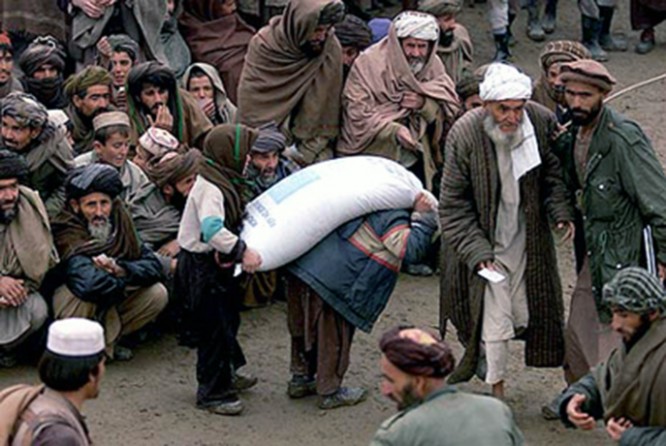
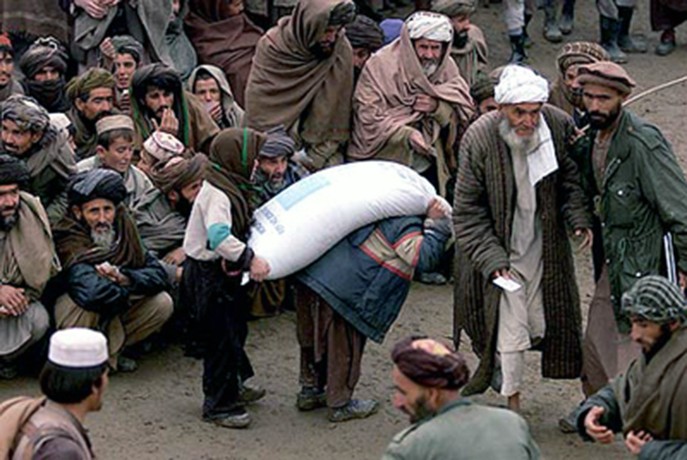
During the first food distribution for refugees after the first bombing of Kunduz, Naim, 8, helps Saidmazfar, 10, carrying a bag of wheat weighing over 100 pounds, as others wait for their turn at Bagh-i-Shirkat refugee camp. (Chang W. Lee/The New York Times - December 12, 2001)

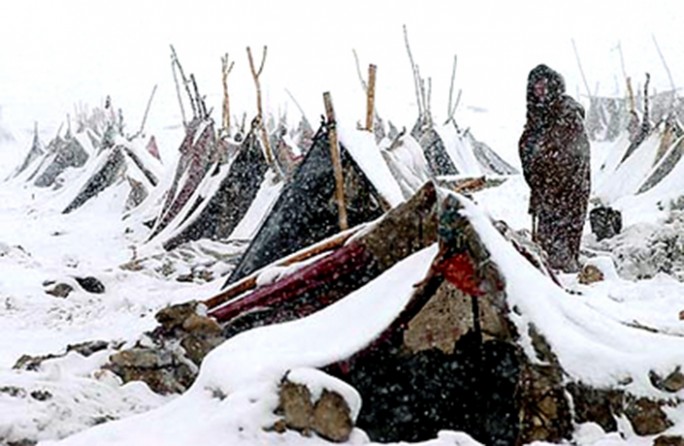
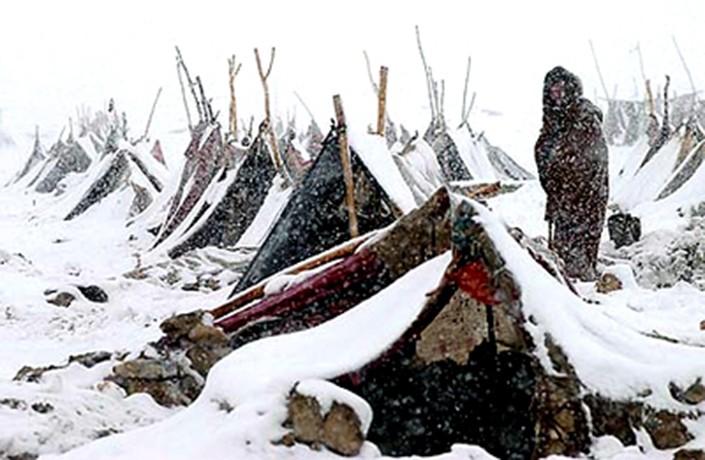
A refugee stands by his tent in a camp on the outskirts of Mazar-i-Sharif in northern Afghanistan as the first snow of the winter falls. The refugees fled from district of Sholgera and arrived in the last three months avoiding battles between Taliban and forces of the Northern Alliance. (James Hill/The New York Times - December 3, 2001)
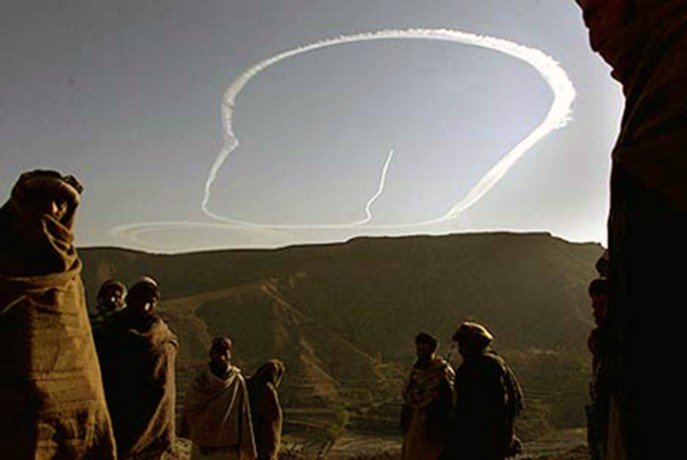
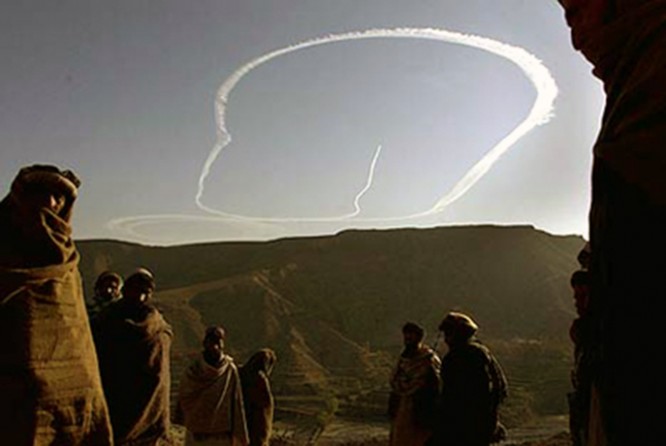
A US B-52 heads back to Tora Bora to continue a bombing run after cease-fire negotiations between Eastern Shura commanders and Taliban forces collapsed on Dec. 12, 2001. (Stephen Crowley/The New York Times - December 12, 2001)

Finalists

Nominated as finalists in Feature Photography in 2002:

J. Albert Diaz

For his diverse images portraying American life in the sprawl of south Florida's Broward County.

Mike Stocker, A. Enrique Valentin and Hilda M. Perez

For their compelling and explanatory images illustrating the devastating impact of AIDS in the Caribbean.

The Jury

Charles Zoeller(chair )

director, NewsPhoto Library

Thomas E. Callinan

editor

John Glenn

assistant managing editor, photo

Larry Price

assistant managing editor, photo

Martha Rial*

photographer

Winners in Feature Photography

Matt Rainey

For his emotional photographs that illustrate the care and recovery of two students critically burned in a dormitory fire at Seton Hall University.

Photo Staff

For its striking collection of photographs of the key players and events stemming from President Clinton's affair with Monica Lewinsky and the ensuing impeachment hearings.

Clarence Williams

For his powerful images documenting the plight of young children with parents addicted to alcohol and drugs.

2002 Prize Winners

Staff

For its comprehensive and insightful coverage, executed under the most difficult circumstances, of the terrorist attack on New York City, which recounted the day's events and their implications for the future.