For a distinguished and appropriately documented book on the history of the United States, Fifteen thousand dollars ($15,000).

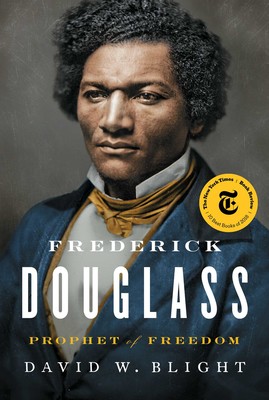
Frederick Douglass: Prophet of Freedom, by David W. Blight (Simon & Schuster)

A breathtaking history that demonstrates the scope of Frederick Douglass’ influence through deep research on his writings, his intellectual evolution and his relationships.

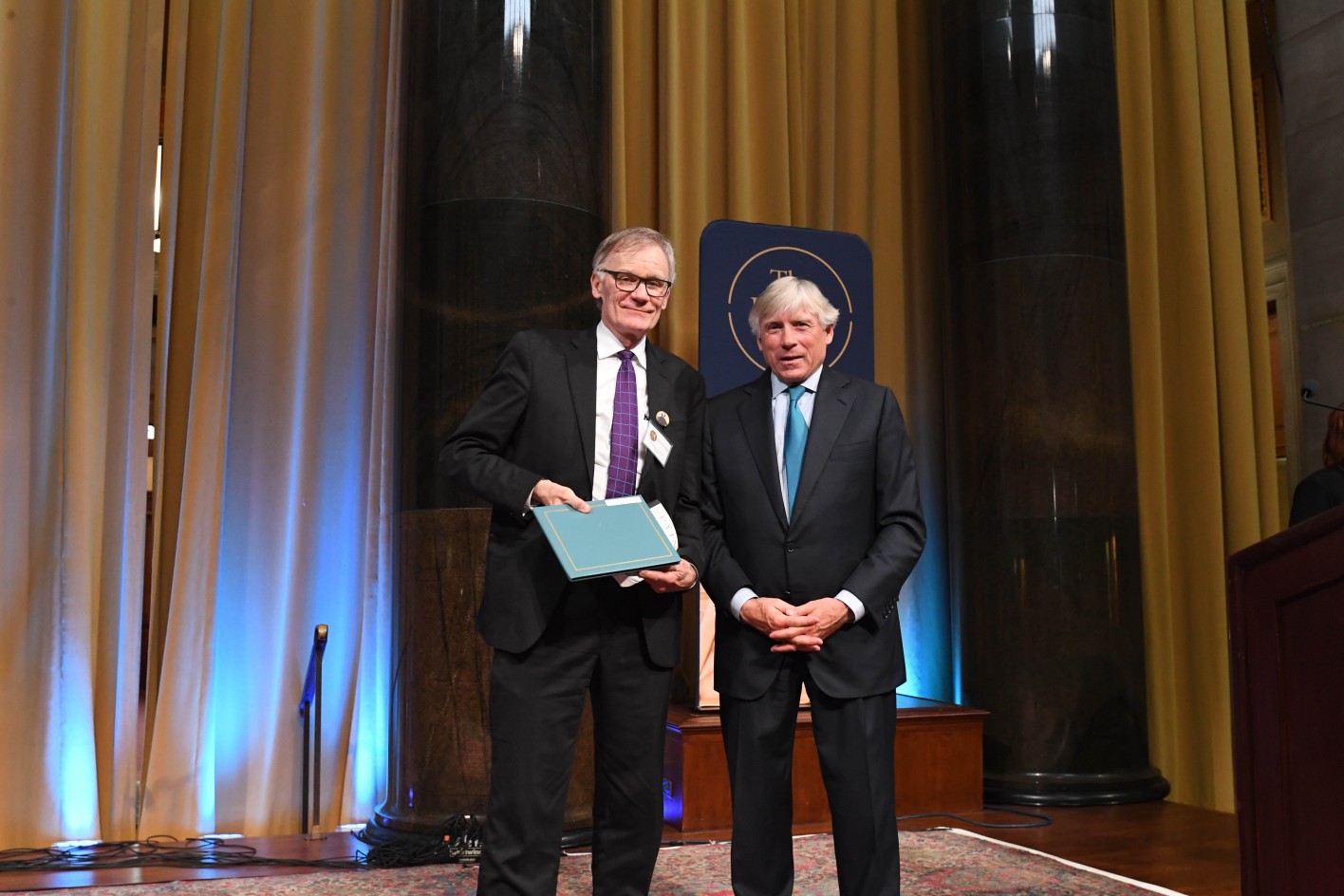
David W. Blight accepts the 2019 Pulitzer Prize for History from Columbia University President Lee Bollinger. (Eileen Barroso/Columbia University)

Winning Work

Frederick Douglass: Prophet of Freedom

The definitive, dramatic biography of the most important African American of the nineteenth century: Frederick Douglass, the escaped slave who became the greatest orator of his day and one of the leading abolitionists and writers of the era.

As a young man Frederick Douglass (1818–1895) escaped from slavery in Baltimore, Maryland. He was fortunate to have been taught to read by his slave owner mistress, and he would go on to become one of the major literary figures of his time. He wrote three versions of his autobiography over the course of his lifetime and published his own newspaper. His very existence gave the lie to slave owners: with dignity and great intelligence he bore witness to the brutality of slavery.

Initially mentored by William Lloyd Garrison, Douglass spoke widely, often to large crowds, using his own story to condemn slavery. He broke with Garrison to become a political abolitionist, a Republican, and eventually a Lincoln supporter. By the Civil War and during Reconstruction, Douglass became the most famed and widely travelled orator in the nation. He denounced the premature end of Reconstruction and the emerging Jim Crow era. In his unique and eloquent voice, written and spoken, Douglass was a fierce critic of the United States as well as a radical patriot. He sometimes argued politically with younger African Americans, but he never forsook either the Republican Party or the cause of black civil and political rights.

In this remarkable biography, David Blight has drawn on new information held in a private collection that few other historian have consulted, as well as recently discovered issues of Douglass’s newspapers. Blight tells the fascinating story of Douglass’s two marriages and his complex extended family. Douglass was not only an astonishing man of words, but a thinker steeped in Biblical story and theology. There has not been a major biography of Douglass in a quarter century. David Blight’s Frederick Douglass affords this important American the distinguished biography he deserves.

-- from the publisher
Biography

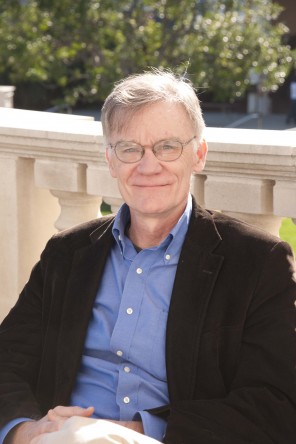
David W. Blight is Class of 1954 Professor of American History and Director of the Gilder Lehrman Center for the Study of Slavery, Resistance, and Abolition at Yale University. He is the author or editor of a dozen books, including American Oracle: The Civil War in the Civil Rights Era; and Race and Reunion: The Civil War in American Memory; and annotated editions of Douglass’s first two autobiographies. He has worked on Douglass much of his professional life, and been awarded the Bancroft Prize, the Abraham Lincoln Prize, and the Frederick Douglass Prize, among others.

Finalists

Nominated as finalists in History in 2019:

Victoria Johnson

A beautiful restoration of the world of botanist and surgeon Dr. David Hosack whose forward-looking views embodied early American ambitions in transatlantic scientific discourse.

W. Fitzhugh Brundage

A morally engaging investigation of torture that measures American ideals of democracy and equality against a dark, uncomfortable reality.

The Jury

Annette Gordon-Reed(Chair)*

Charles Warren Professor of American Legal History; Professor of History, Faculty of Arts and Sciences

Tiya Miles

Professor of History and Radcliffe Alumnae Professor

Marcus Rediker

Distinguished Professor of History

Winners in History

Jack E. Davis

An important environmental history of the Gulf of Mexico that brings crucial attention to Earth’s 10th-largest body of water, one of the planet’s most diverse and productive marine ecosystems.

Heather Ann Thompson

For a narrative history that sets high standards for scholarly judgment and tenacity of inquiry in seeking the truth about the 1971 Attica prison riots.

T.J. Stiles

A rich and surprising new telling of the journey of the iconic American soldier whose death turns out not to have been the main point of his life. (Moved by the Board from the Biography category.)

Elizabeth A. Fenn

An engrossing, original narrative showing the Mandans, a Native American tribe in the Dakotas, as a people with a history.

2019 Prize Winners