For distinguished fiction published during the year by an American author, preferably dealing with American life, Fifteen thousand dollars ($15,000).

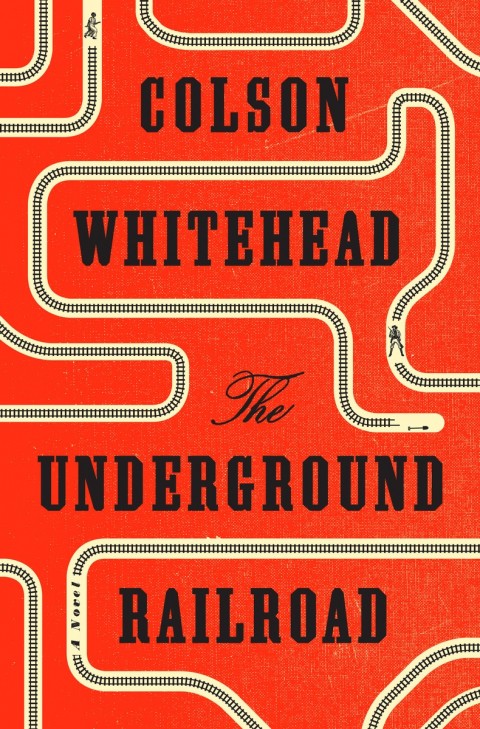
The Underground Railroad, by Colson Whitehead (Doubleday)

For a smart melding of realism and allegory that combines the violence of slavery and the drama of escape in a myth that speaks to contemporary America.

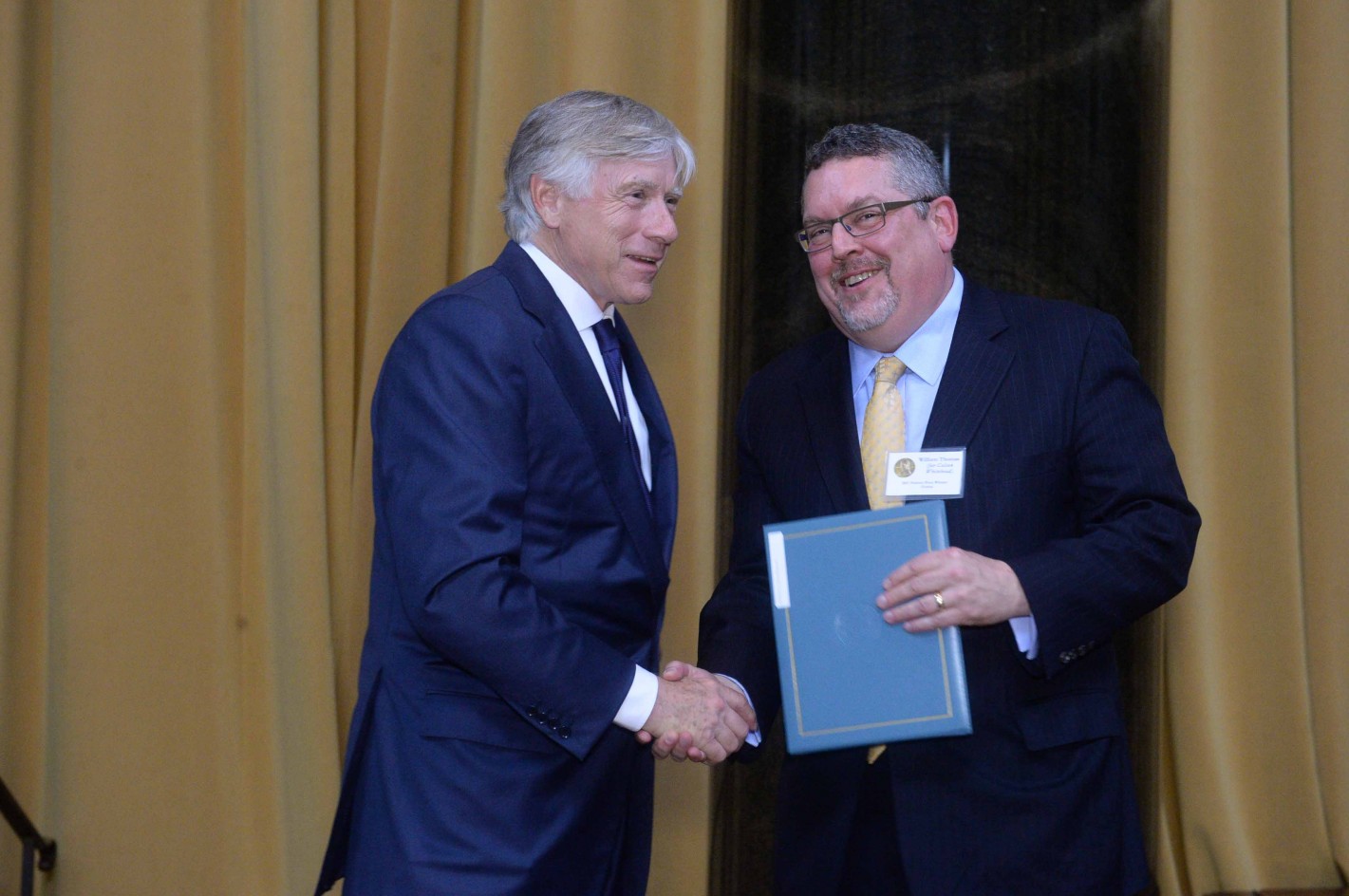
On behalf of Colson Whitehead, Doubleday Editor-in-Chief William Thomas accepts the 2017 Pulitzer Prize in Fiction for The Underground Railroad from Columbia University President Lee C. Bollinger.

Winning Work

The Underground Railroad

Cora is a slave on a cotton plantation in Georgia. Life is hell for all the slaves, but especially bad for Cora; an outcast even among her fellow Africans, she is coming into womanhood—where even greater pain awaits. When Caesar, a recent arrival from Virginia, tells her about the Underground Railroad, they decide to take a terrifying risk and escape. Matters do not go as planned—Cora kills a young white boy who tries to capture her. Though they manage to find a station and head north, they are being hunted.

In Whitehead’s ingenious conception, the Underground Railroad is no mere metaphor—engineers and conductors operate a secret network of tracks and tunnels beneath the Southern soil. Cora and Caesar’s first stop is South Carolina, in a city that initially seems like a haven. But the city’s placid surface masks an insidious scheme designed for its black denizens. And even worse: Ridgeway, the relentless slave catcher, is close on their heels. Forced to flee again, Cora embarks on a harrowing flight, state by state, seeking true freedom.

Like the protagonist of Gulliver’s Travels, Cora encounters different worlds at each stage of her journey—hers is an odyssey through time as well as space. As Whitehead brilliantly re-creates the unique terrors for black people in the pre–Civil War era, his narrative seamlessly weaves the saga of America from the brutal importation of Africans to the unfulfilled promises of the present day. The Underground Railroad is at once a kinetic adventure tale of one woman’s ferocious will to escape the horrors of bondage and a shattering, powerful meditation on the history we all share.

-- from the publisher
 

Biography

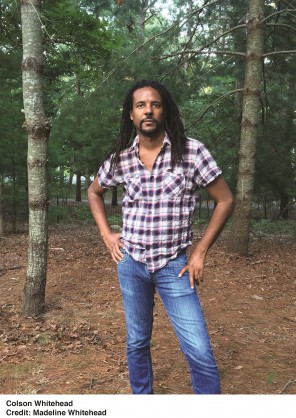
Colson Whitehead is the New York Times bestselling author of The Noble Hustle, Zone One, Sag Harbor, The Intuitionist, John Henry Days, Apex Hides the Hurt, and one collection of essays, The Colossus of New York. A Pulitzer Prize finalist and a recipient of MacArthur and Guggenheim fellowships, he lives in New York City.

Finalists

Nominated as finalists in Fiction in 2017:

Adam Haslett

For the quiet and compassionate saga of a family whose world is shaped by mental illness and the challenges and joys of caring for each other.

C. E. Morgan

For a daring novel that explores race, the burden of history and other themes of American life on a vast and imaginative canvas.

The Jury

Eric Banks(Chair)

Director

Lan Samantha Chang

Director and May Brodbeck Professor of Liberal Arts and Sciences

Mary Ann Gwinn*

Book Editor

Winners in Fiction

Viet Thanh Nguyen

A layered immigrant tale told in the wry, confessional voice of a "man of two minds" -- and two countries, Vietnam and the United States.

Anthony Doerr

An imaginative and intricate novel inspired by the horrors of World War II and written in short, elegant chapters that explore human nature and the contradictory power of technology.

Donna Tartt

A beautifully written coming-of-age novel with exquisitely drawn characters that follows a grieving boy's entanglement with a small famous painting that has eluded destruction, a book that stimulates the mind and touches the heart.

Adam Johnson

An exquisitely crafted novel that carries the reader on an adventuresome journey into the depths of totalitarian North Korea and into the most intimate spaces of the human heart.

2017 Prize Winners

C. J. Chivers

For showing, through an artful accumulation of fact and detail, that a Marine’s postwar descent into violence reflected neither the actions of a simple criminal nor a stereotypical case of PTSD.

Peggy Noonan

For rising to the moment with beautifully rendered columns that connected readers to the shared virtues of Americans during one of the nation’s most divisive political campaigns.

Hilton Als

For bold and original reviews that strove to put stage dramas within a real-world cultural context, particularly the shifting landscape of gender, sexuality and race.

Art Cullen

For editorials fueled by tenacious reporting, impressive expertise and engaging writing that successfully challenged powerful corporate agricultural interests in Iowa.