Finalist: Tyler Hicks of The New York Times
Nominated Work
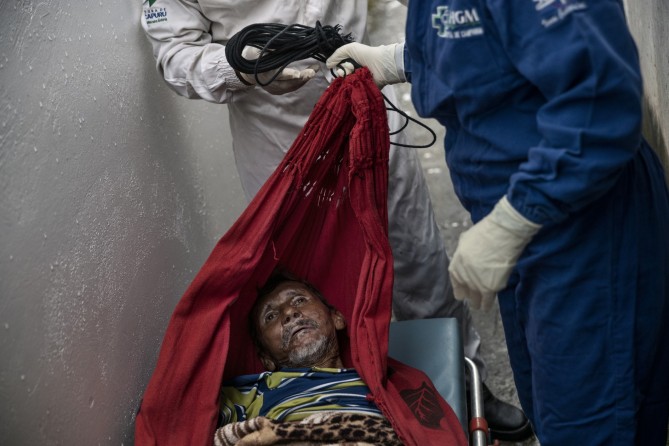
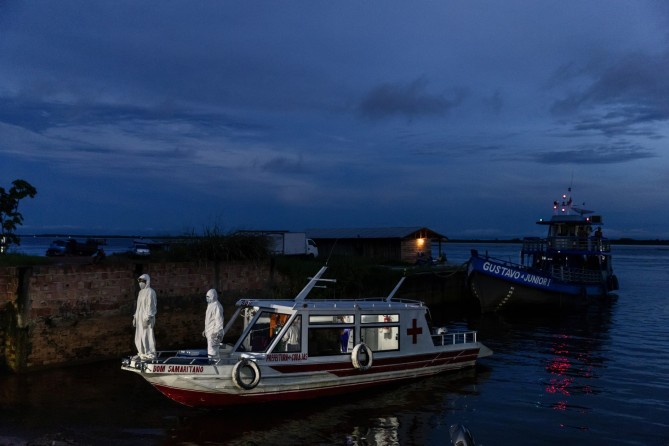
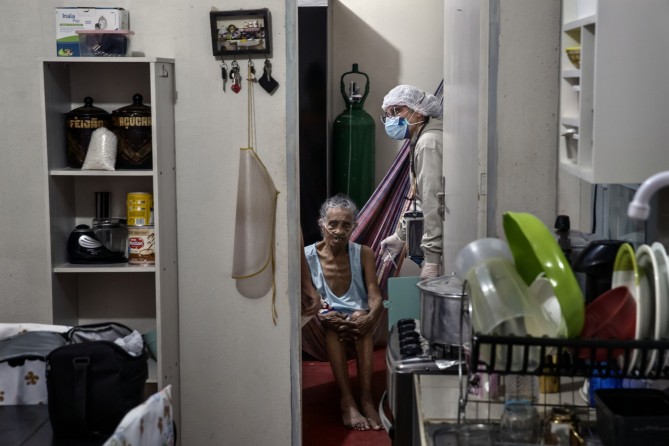
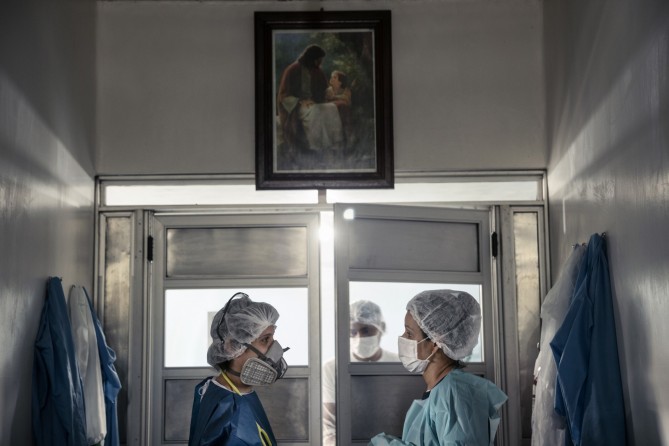
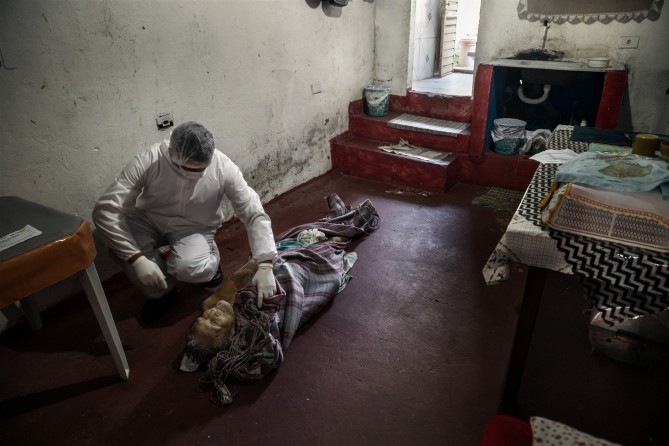
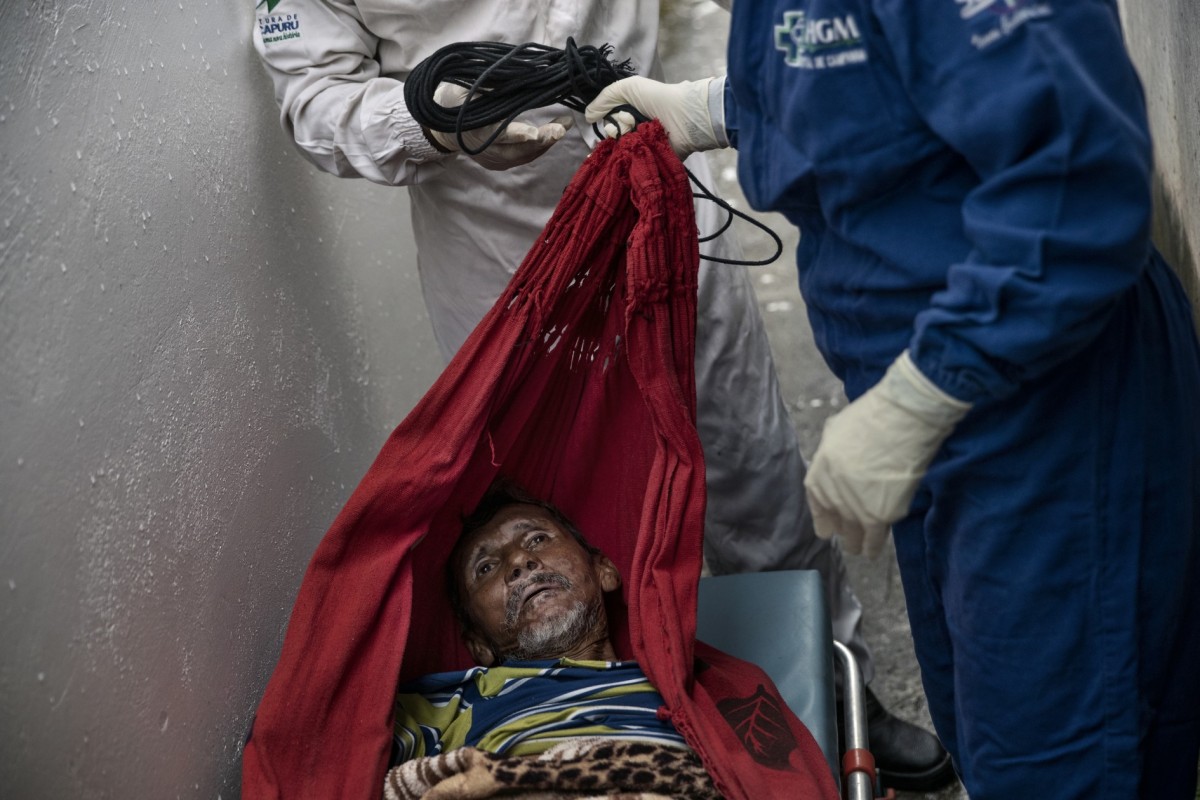
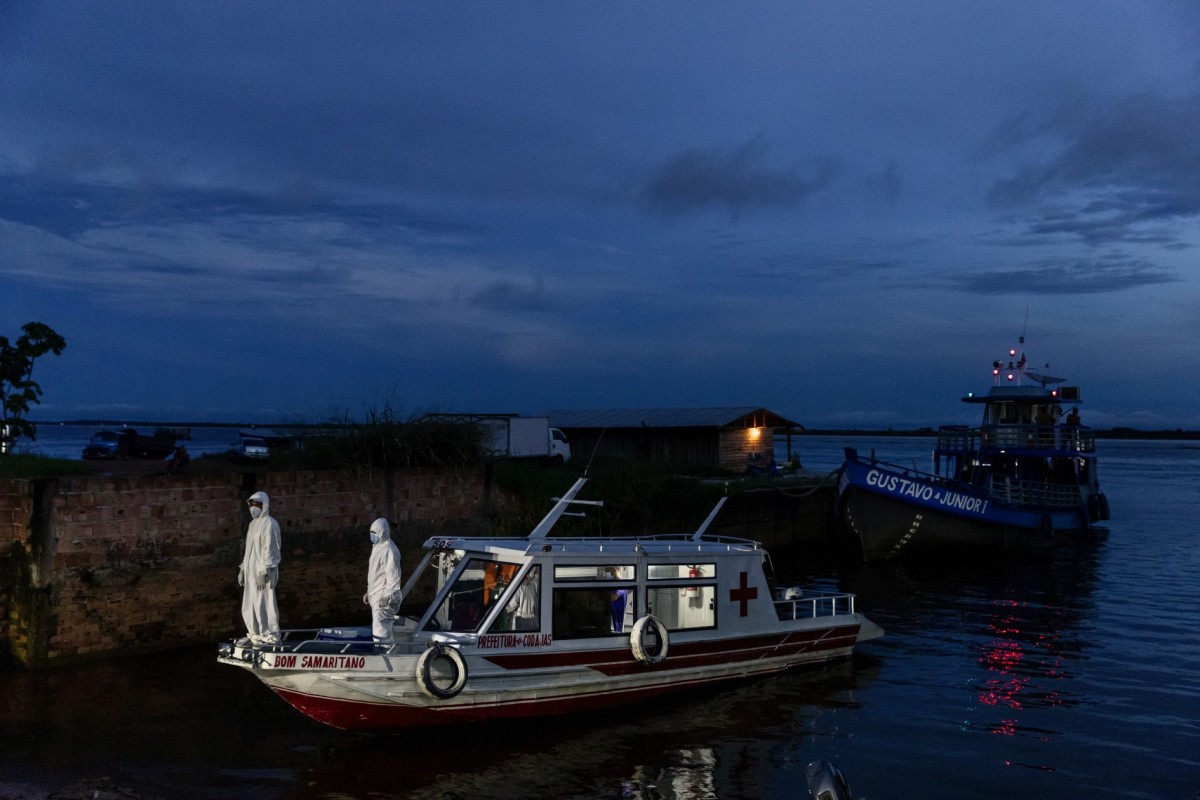
Health workers arrive at the home of José de Almeida Rocha, 62, to take him to hospital on the Amazon River. Brazil was battered by the pandemic, with the second-highest death toll in the world. The Amazon region has been hit particularly hard. Even in remote towns, people were as likely to get sick as in New York City. (July 25, 2020)
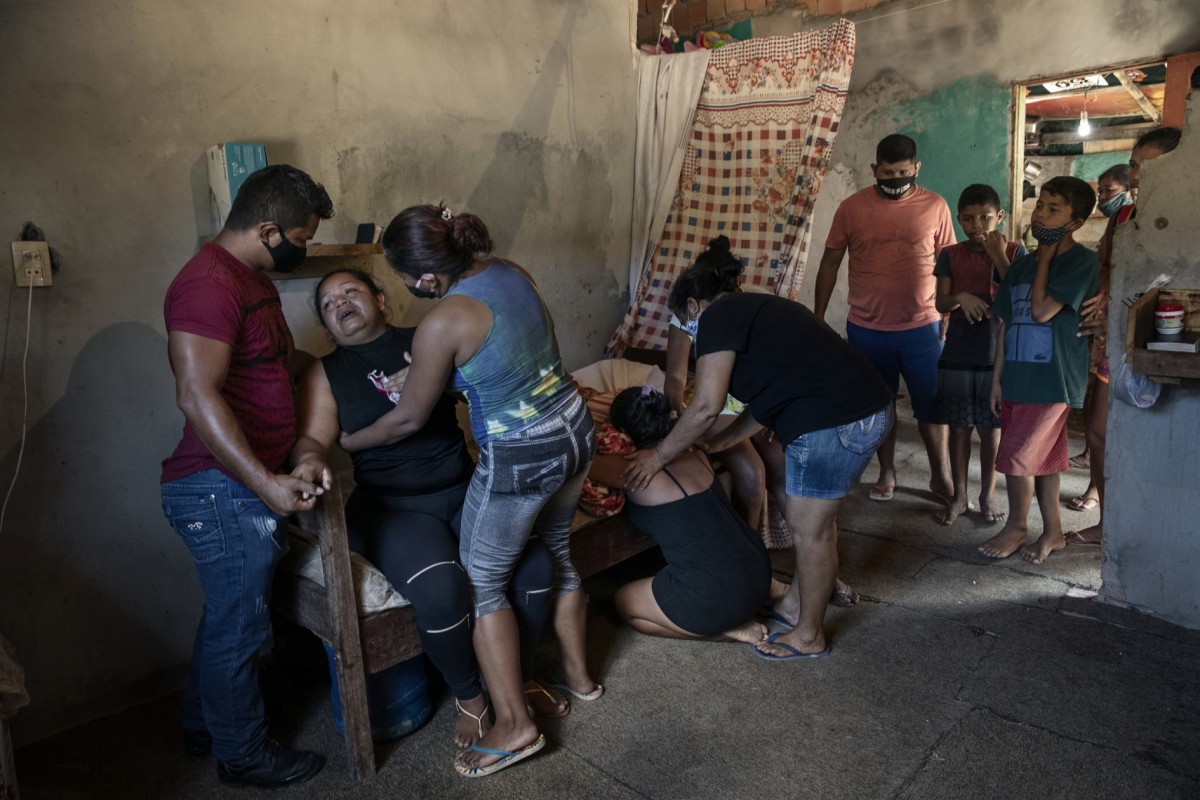
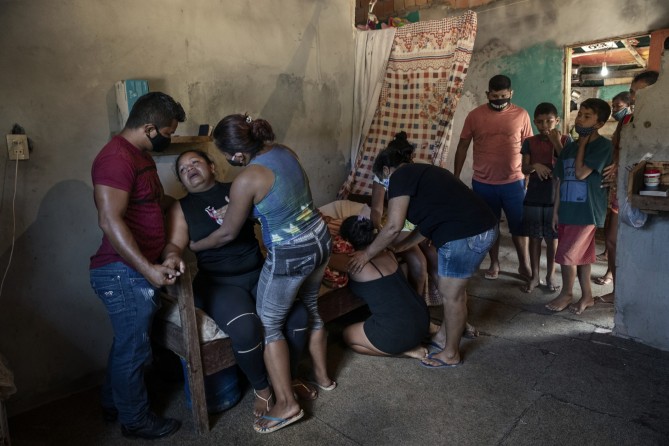
Elen Ferreira do Nascimento sobbing following the death of her mother, Gertrude Ferreira dos Santos, 54. The Amazon River sustains an estimated 28 million people in South America. But when the virus arrived, the river was also the carrier of disease, spreading with dugout canoes, fishing dinghies and ferries moving goods for hundreds of miles, packed with passengers sleeping in hammocks, side by side, for days at a time. (July 25, 2020)
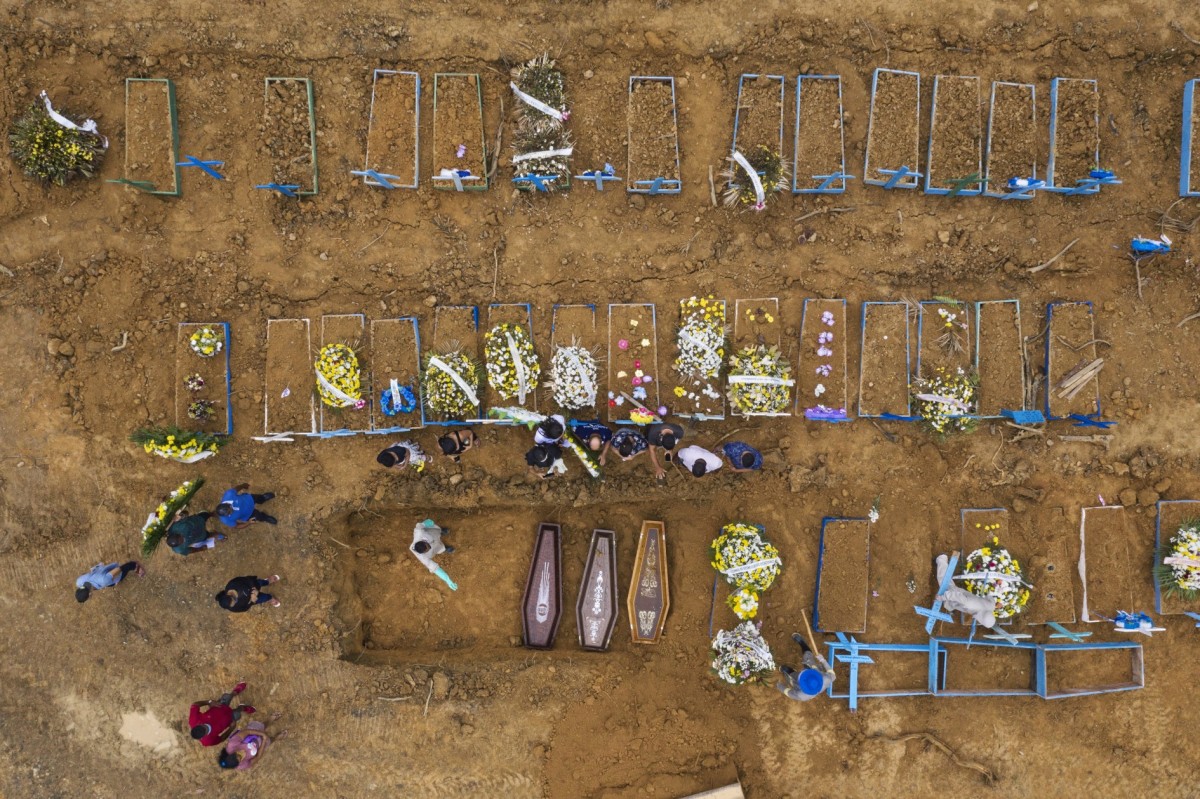
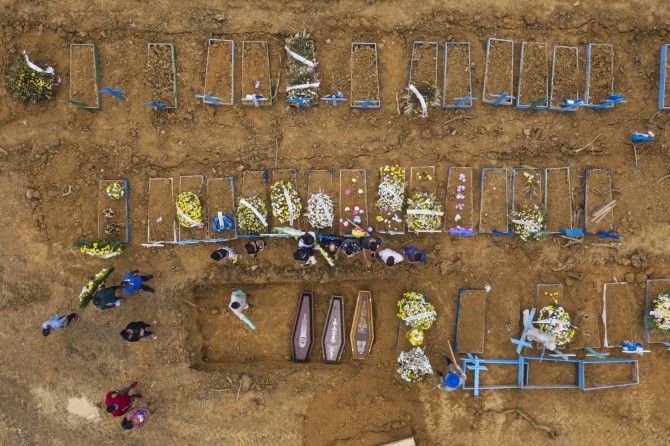
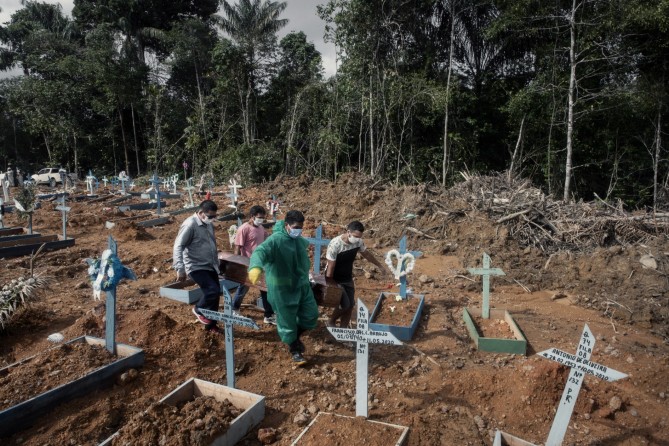
Newly laid graves at a cemetery in Manaus, Brazil. At times in Manaus, the biggest city on the river, every Covid ward was full and 100 people were dying a day, pushing the city to cut new burial grounds out of thick forest. (December 9, 2020)
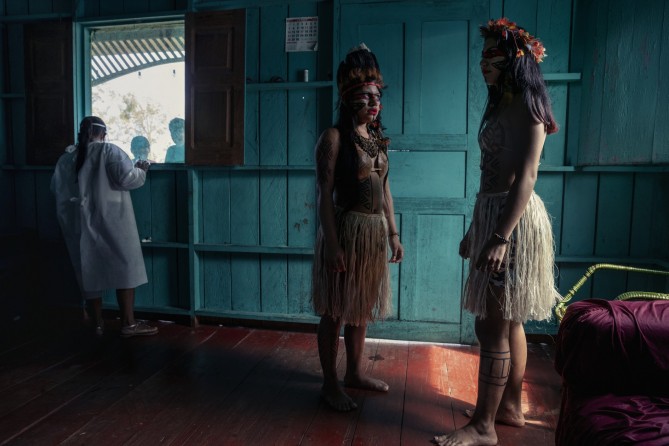
The virus exacted an especially high toll on Indigenous people along the Amazon. In the riverside hamlet of São José da Fortaleza, Chief Iakonero Apurinã said that nearly every resident had fallen ill. (July 25, 2020)
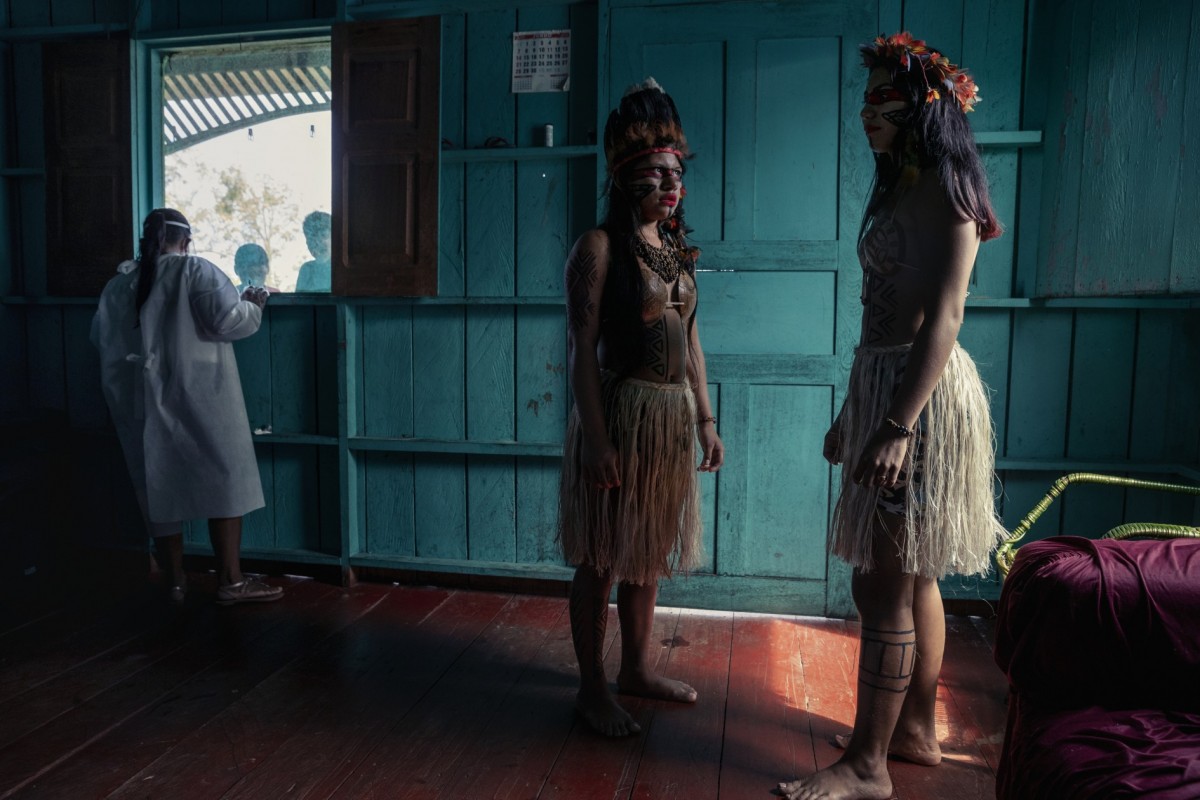
The virus exacted an especially high toll on Indigenous people along the Amazon. In the riverside hamlet of São José da Fortaleza, Chief Iakonero Apurinã said that nearly every resident had fallen ill. (July 25, 2020)
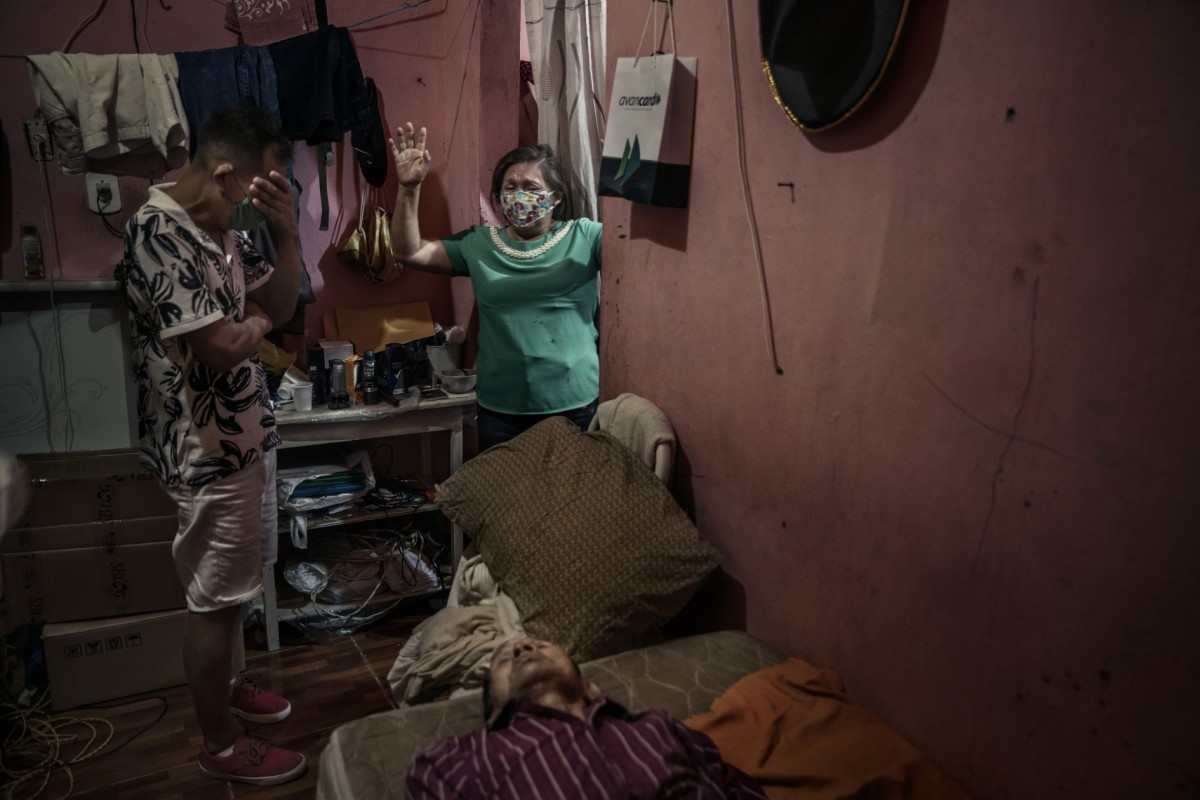
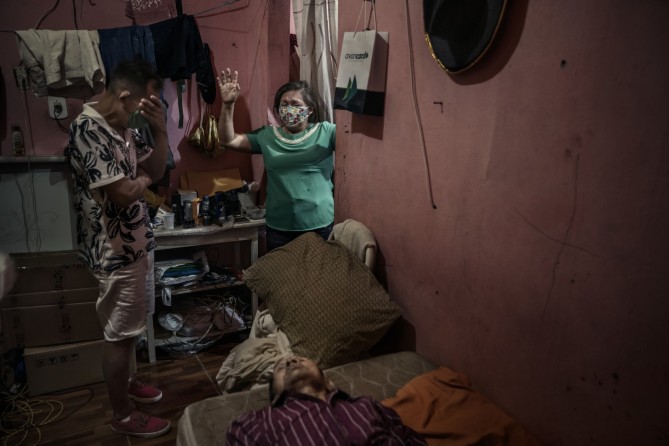
Belarmino Marques, 88, died in Manaus after falling sick with symptoms consistent with Covid-19. Many living along the river were afraid of dying alone in a hospital, and chose to stay home when they became sick. Marques was among them. (July 25, 2020)
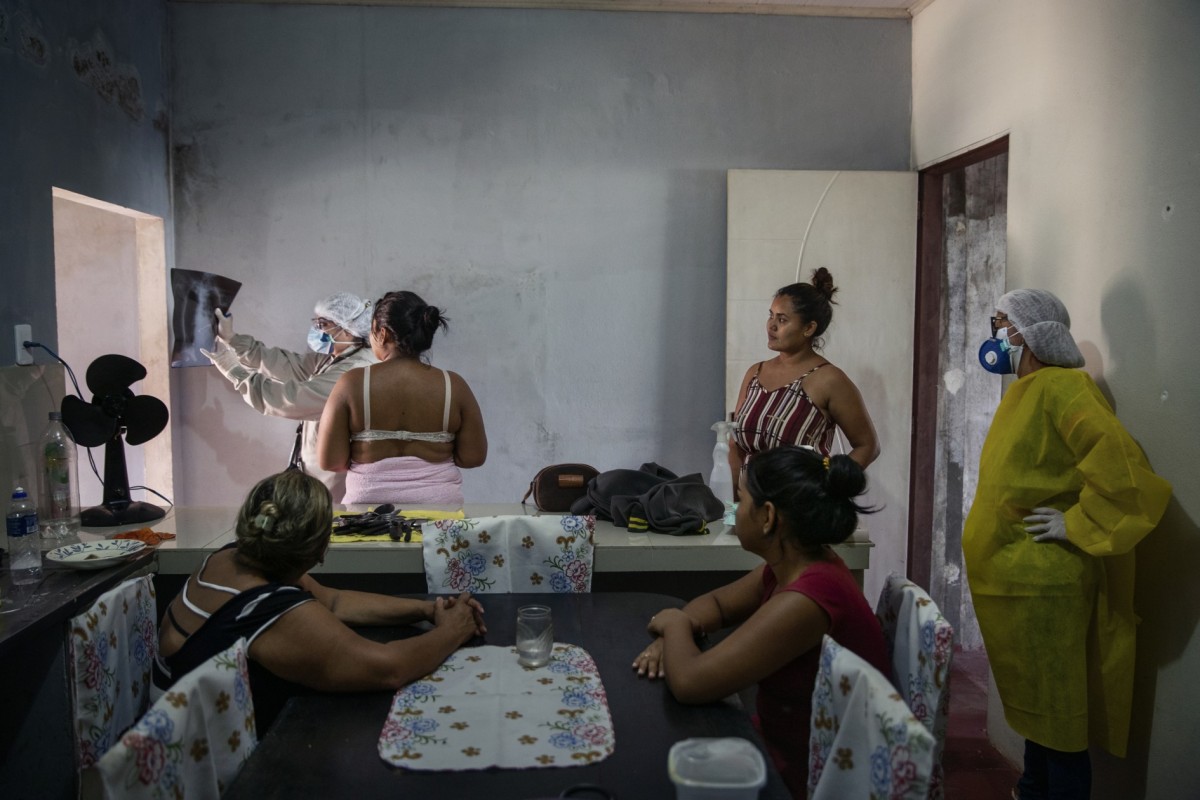
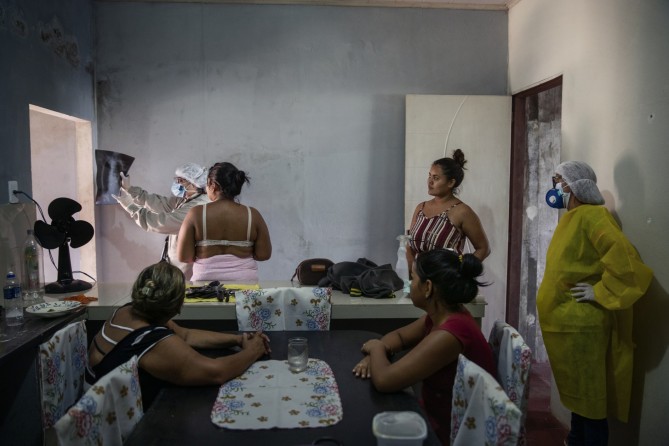
A family in Manacapuru gathered to hear the assessment of a traveling doctor. (July 25, 2020)
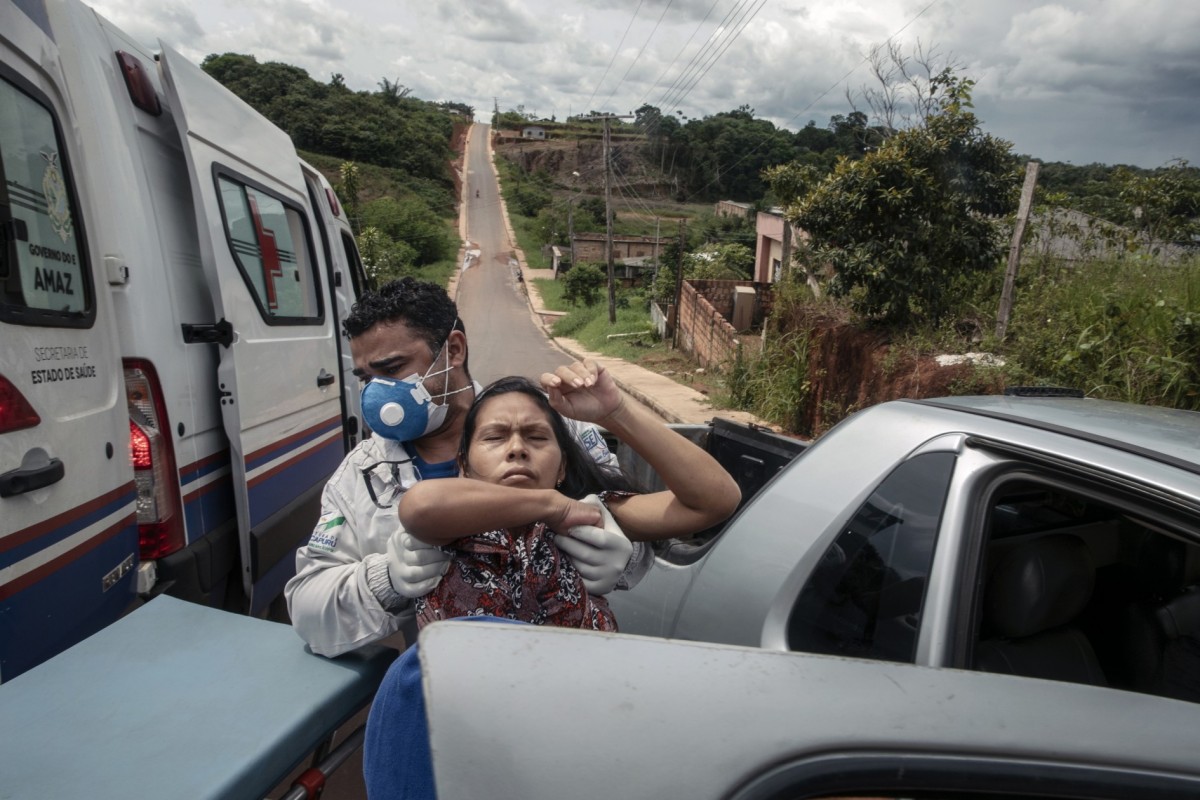
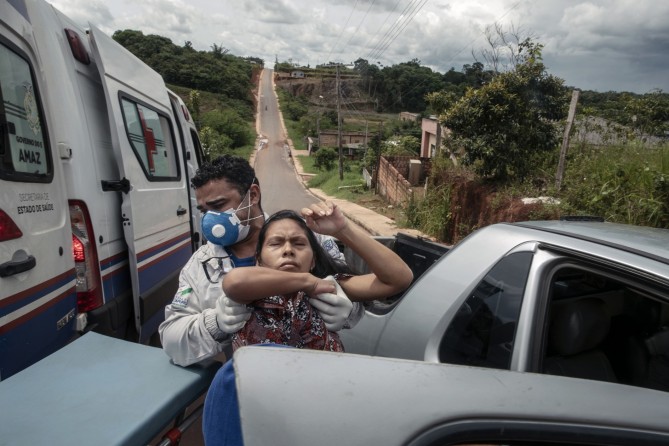
In Manacapuru, Sandra Machado Dutra, 36, gasped in the truck as her husband raced her toward an ambulance headed to meet them. “The Lord is my shepherd,” he said over and over. “I shall not want.” They were lucky: A health worker transferred her to the ambulance, and she survived. (July 25, 2020)
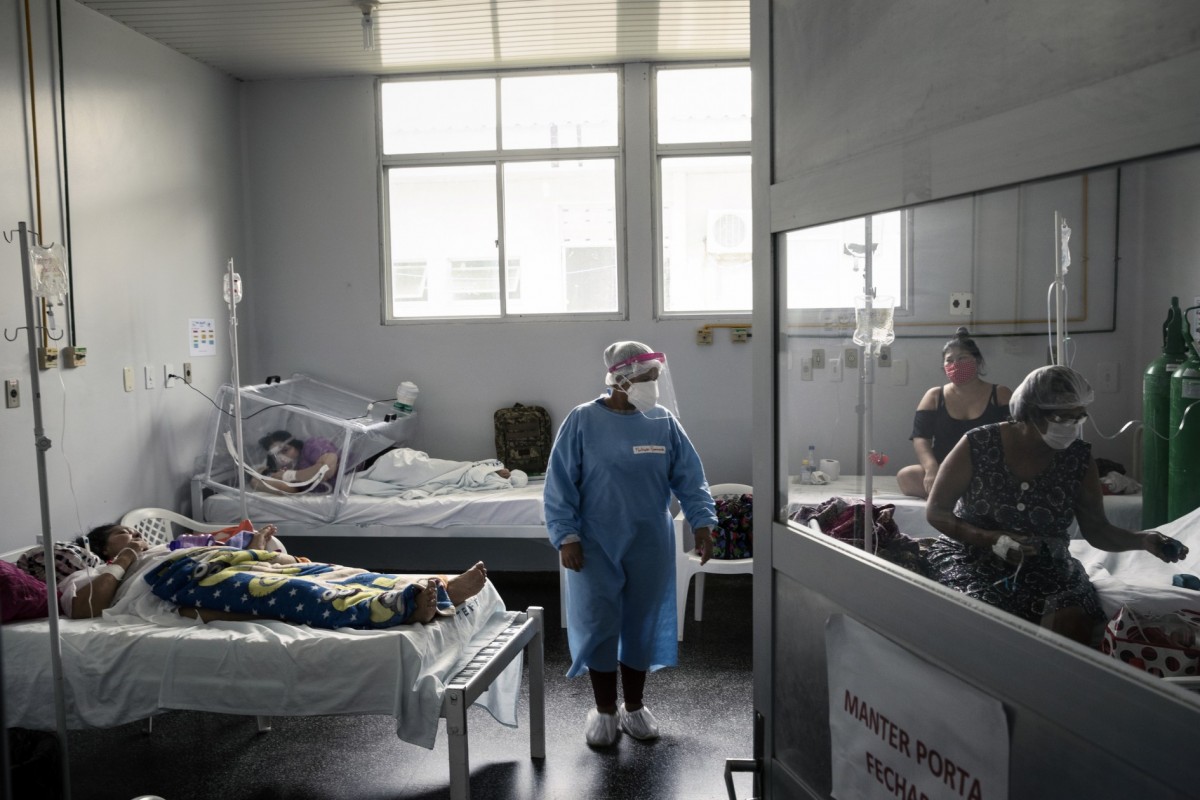
In Tefé, a city of 60,000 people nearly 400 miles from the regional capital of Manaus, the virus arrived with gale force. At the small public hospital, patients crowds the wards, and doctors did what they could with just two respirators, no intensive care unit, many sick colleagues — and no one to replace them. (July 25, 2020)
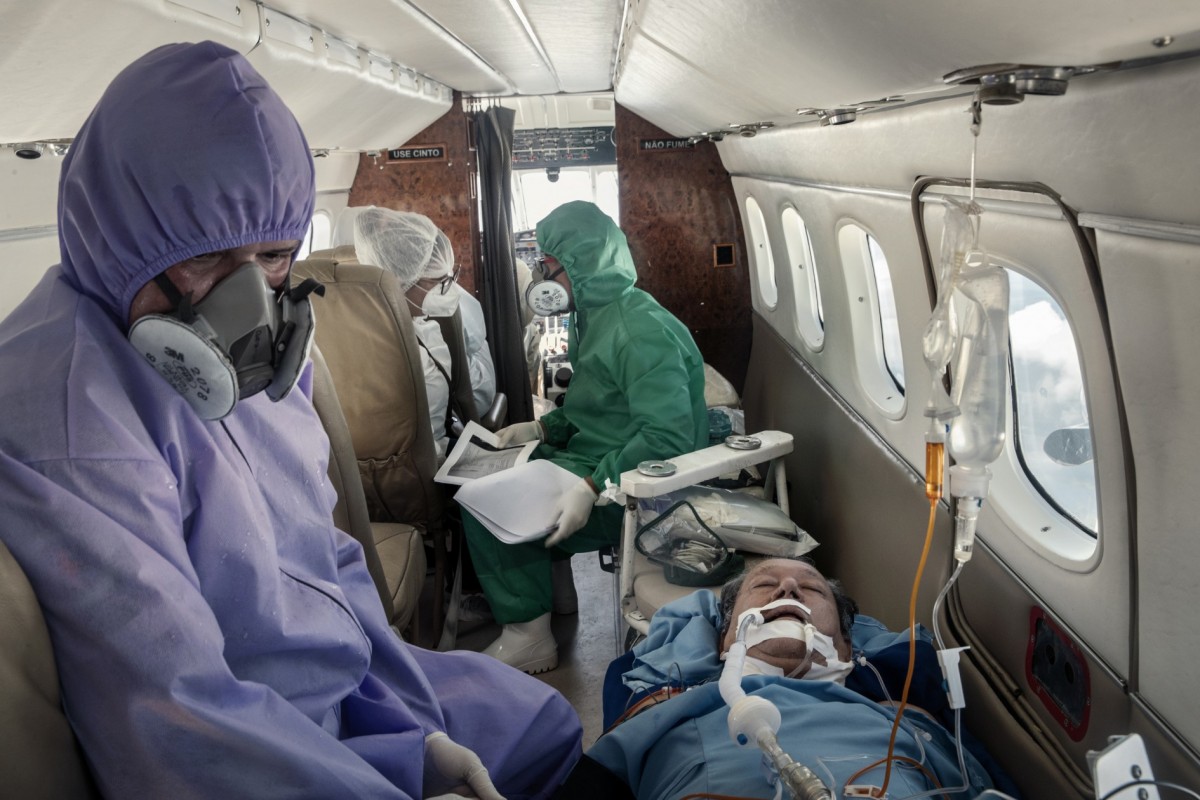
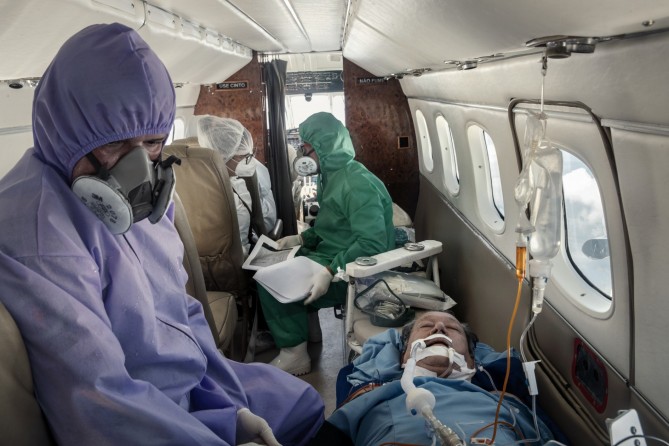
Dr. Daniel Sérgio Siqueira and a nurse, Walci Frank, exhausted after weeks of constant work, loaded a Covid-19 patient onto a medevac plane. The patient, Felicindo Delgado, 68, was a furniture maker and father. As the plane rose, his oxygen levels began to fall. He died a few days later. (July 25, 2020)
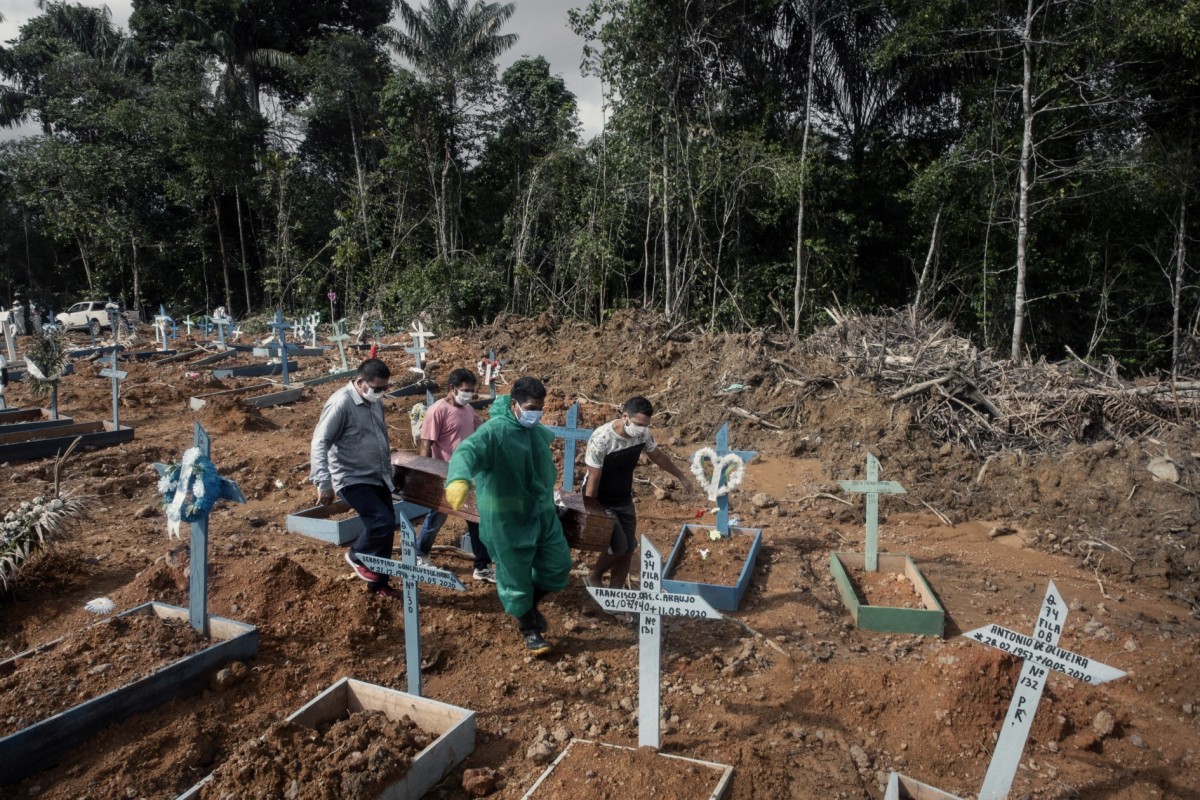
The funeral of João Ricardo da Silva, 58, who died at home in Manaus, Brazil. His death certificate stated that one of the causes of his death, among other complications, was coronavirus. (July 25, 2020)
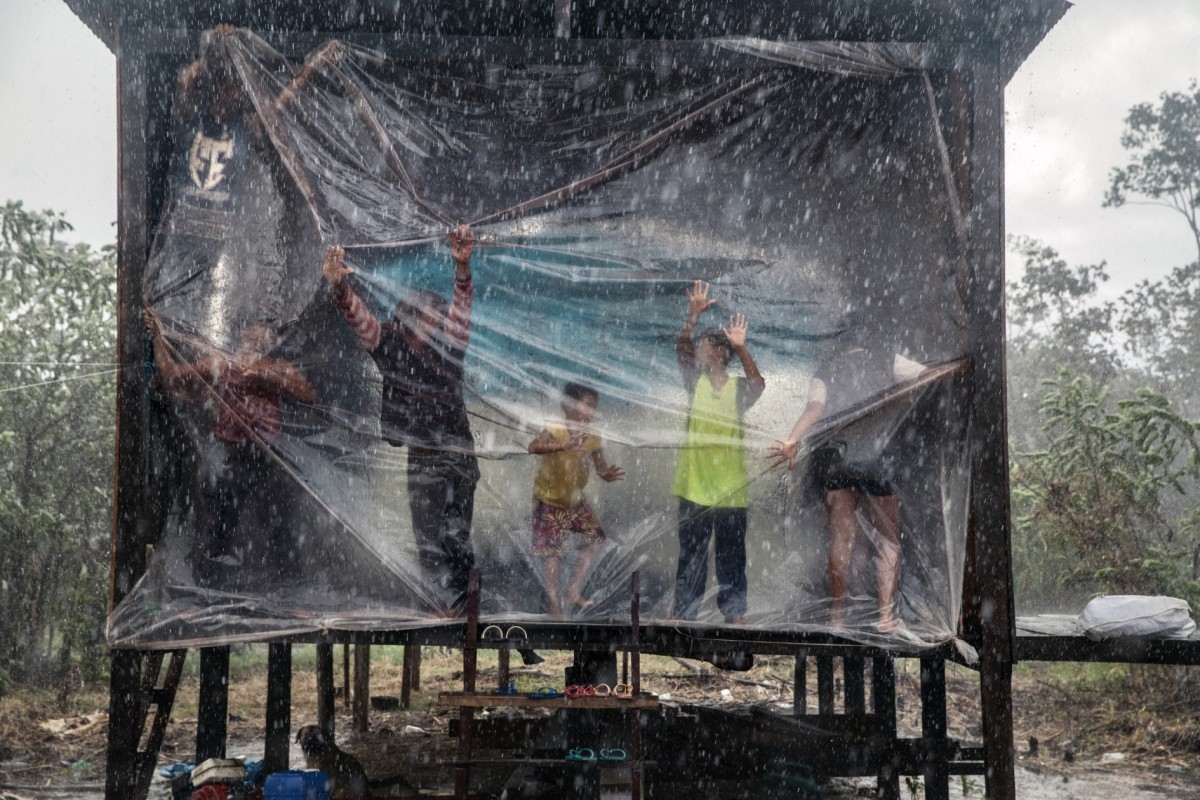
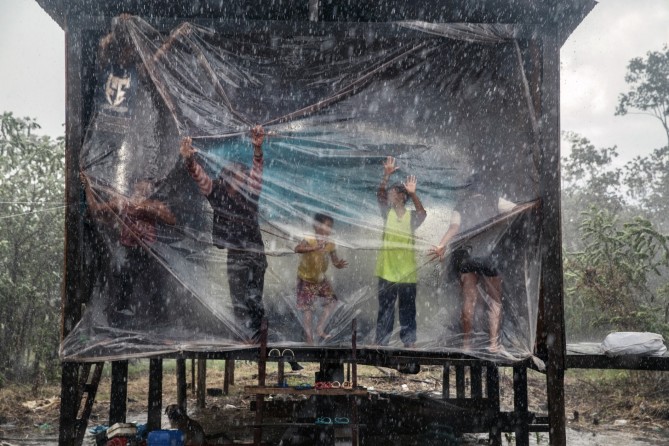
A family on the Rio Solimões, a tributary of the Amazon River, using plastic sheeting to shield themselves from severe rain. The virus hit during the rainy season, swelling waterways and forcing people to shelter inside. (July 25, 2020)
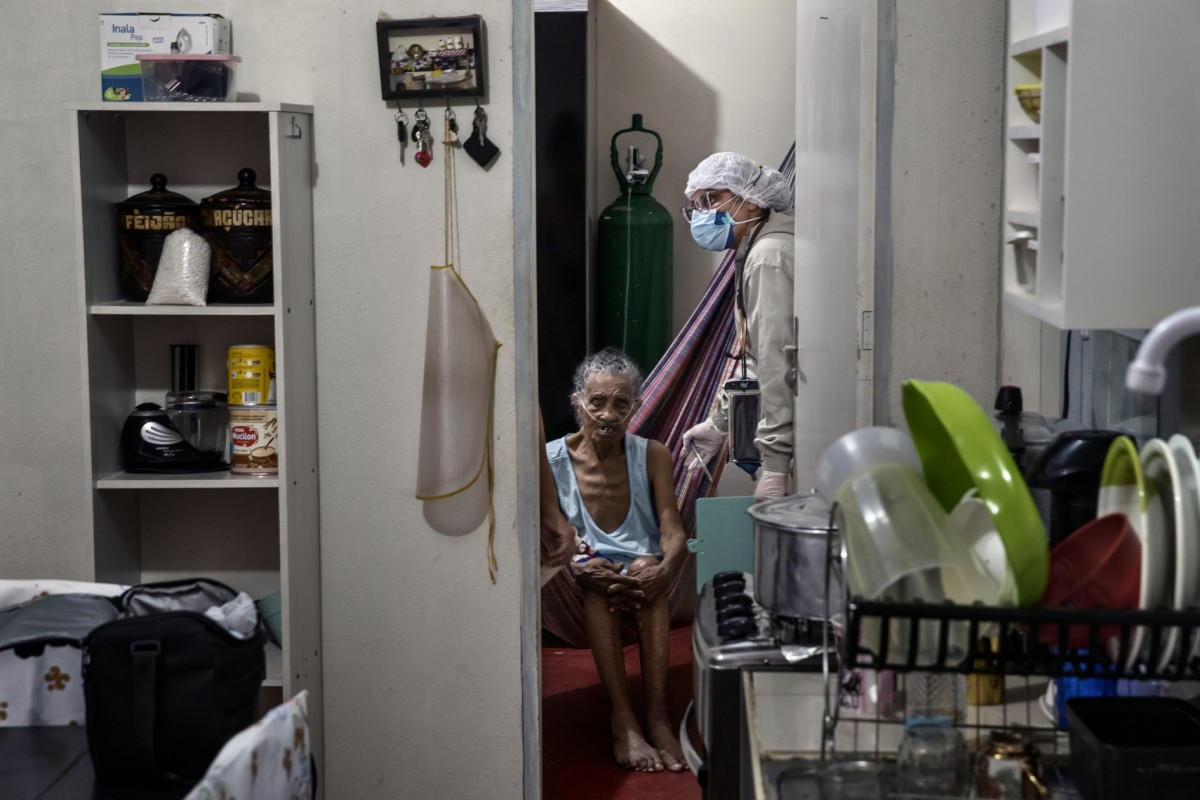
A traveling doctor monitoring the health of a 95-year-old patient who tested positive for the coronavirus. (July 25, 2020)
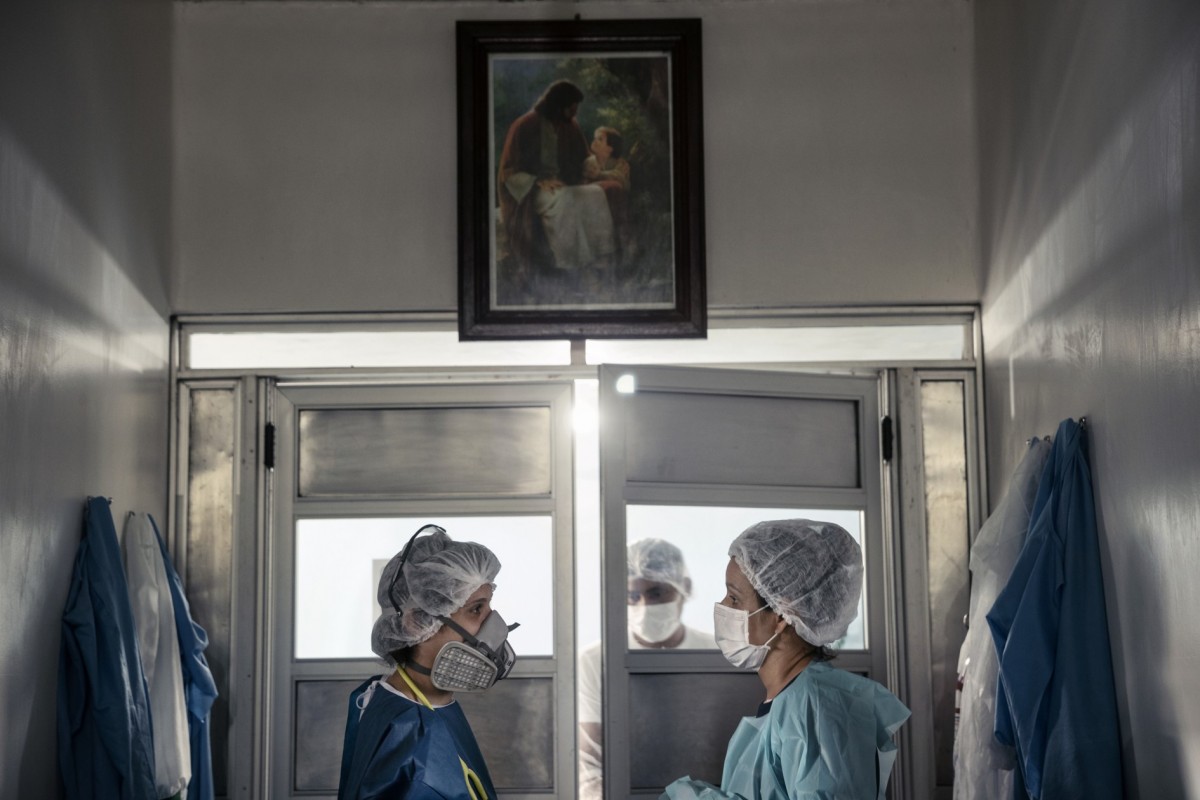
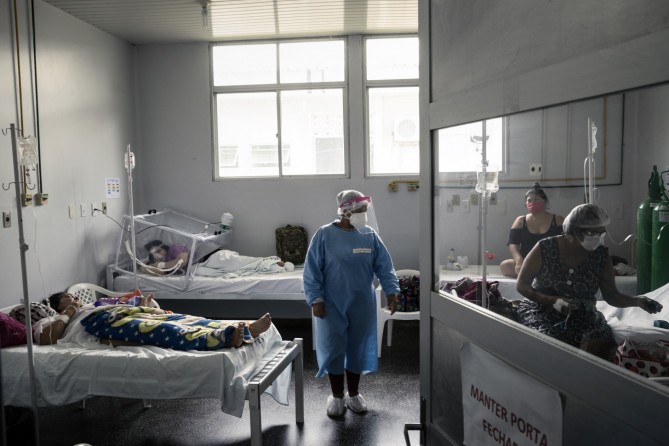
The Covid wing of a hospital in Tefé, a remote municipality where many people fell ill. (July 25, 2020)
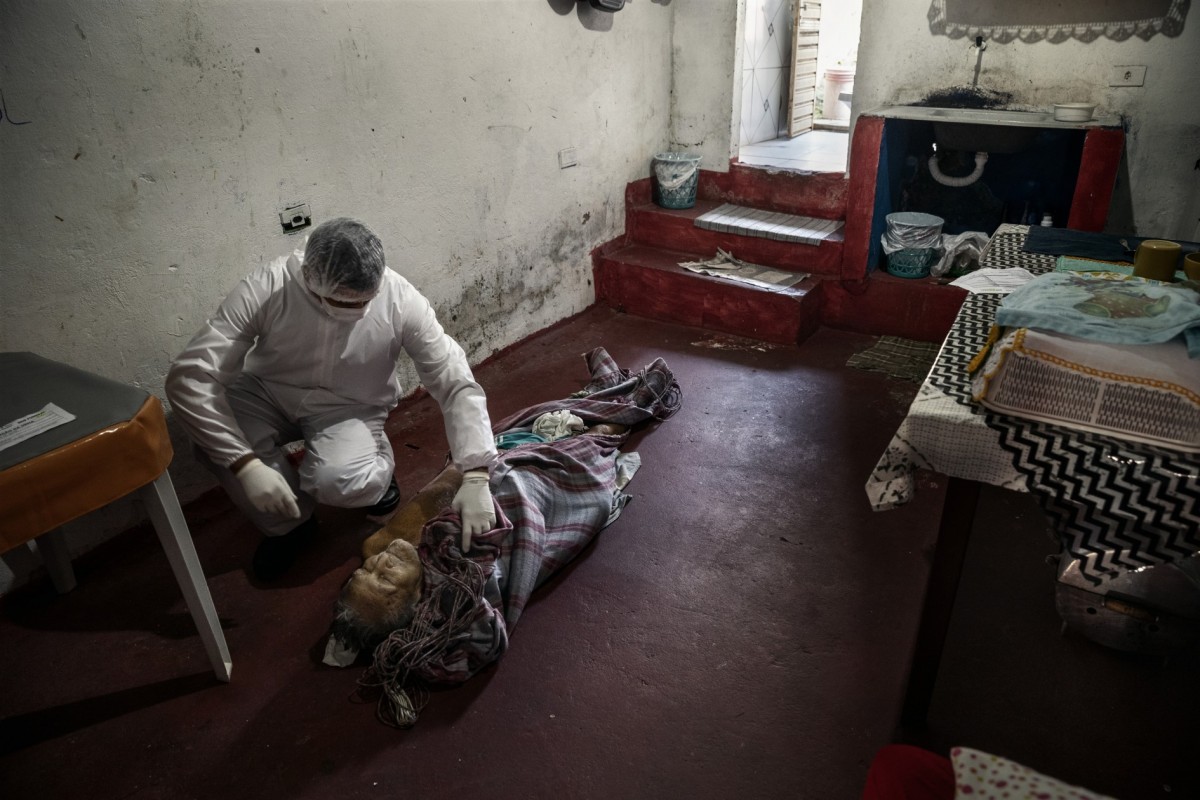
Health care workers tending to the body of Gauldino da Silva, 77, in Manaus. With thousands of people dying at home, untested, the virus’s true toll in the Amazon region may never be known. (July 25, 2020)
Biography
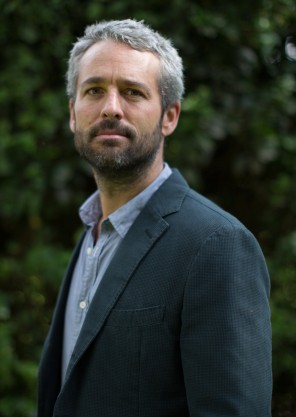
Tyler Hicks is a staff photographer for The New York Times. Based in Kenya for almost a decade, he covers foreign news for the newspaper with an emphasis on conflict and war.
Mr. Hicks was present during the deadly attack by terrorists on the Westgate shopping center in Nairobi on Sept. 21, 2013. As injured victims tried to escape, Mr. Hicks entered the mall and followed Kenyan army and police as they searched for al Shabab militants. For this work, he was awarded the 2014 Pulitzer Prize for Breaking News Photography as well as the Robert Capa Gold Medal, awarded by the Overseas Press Club of America. In 2016, he received another Pulitzer Prize for his coverage of the European migrant crisis, sharing it with Mauricio Lima, Sergey Ponomarev and Daniel Etter “for photographs that captured the resolve of refugees, the perils of their journeys and the struggle of host countries to take them in.”
Mr. Hicks was named the newspaper photographer of the year by the Missouri School of Journalism’s Pictures of the Year International in 2007. In 2010, his photographs from the wars in Iraq and Afghanistan, along with the war correspondence of his colleagues Dexter Filkins and C.J. Chivers, were selected by New York University as being among the Top Ten Works of Journalism of the Decade. Mr. Hicks received a George Polk Award for Foreign Reporting in 2011.
Mr. Hicks was previously a freelance photographer based in Africa and the Balkans and worked for newspapers in North Carolina and Ohio. He has worked in Syria, Libya, Afghanistan, Pakistan, India, Iraq, Russia, Bosnia, Lebanon, Israel, Gaza, Chechnya and many countries in Africa, including South Sudan during the 2011 referendum.
Mr. Hicks was reported missing on March 16, 2011, while covering the revolution in Libya for The New York Times, along with three Times colleagues, Anthony Shadid, Lynsey Addario and Stephen Farrell. They were six days after being captured by pro-Qaddafi forces.
On Feb. 16, 2012, Anthony Shadid suffered a fatal asthma attack while covering civil unrest in Syria with Mr. Hicks. Mr. Hicks assisted in carrying Mr. Shadid’s body across the border into Turkey.
Mr. Hicks was born in São Paulo, Brazil, and graduated in 1992 with a B.A. in journalism from Boston University. He returned to Boston University in 2011 to deliver the commencement address at the College of Communication.
He is married and has two sons.