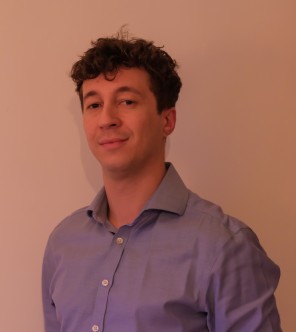
Finalist: Paul Carsten, David Lewis, Reade Levinson and Libby George of Reuters

For their reporting of Nigeria’s campaign of lethal violence carried out by the military over a decade in which they forced thousands of women to undergo abortions after being freed from sexual captivity by Boko Haram rebels and also slaughtered dozens of their living children.

Nominated Work

Biography

Paul Carsten is a correspondent for Reuters News, now in London. He covered Nigeria for more than five years. Before that, he reported on China's technology sector from Beijing, after a stint covering southeast Asia from Bangkok.
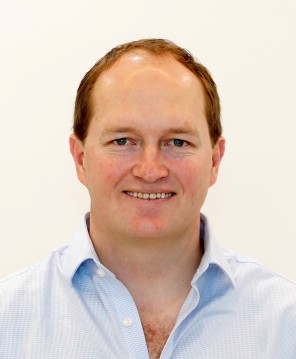
Currently Africa Special Correspondent, David Lewis has worked as a journalist in Africa for over 20 years. He started as a freelancer in Tanzania, where he worked for a handful of local and foreign outlets, before moving to Democratic Republic of Congo in 2004 to work as the Reuters stringer covering the end of a regional war and Congo’s first elections in 40 years. After a couple more years freelancing for various text and TV outlets across Africa, David worked in the Reuters West and Central Africa office in Dakar for seven years. He currently leads enterprise reporting in Africa, working with teams on longer-term projects.

Reade Levinson is a Visual Investigations Reporter for Reuters, which she joined in June 2016. She has written about stolen grain, Burmese generals, a 200-year-old pub, and the trade in human body parts. Previously, she reported on U.S. immigration and policing from New York. Levinson’s work with her colleagues was a finalist for the Goldsmith Prize in 2021 and won a Gerald Loeb Award in 2018. She grew up in California and lives in London with her boyfriend and dog.
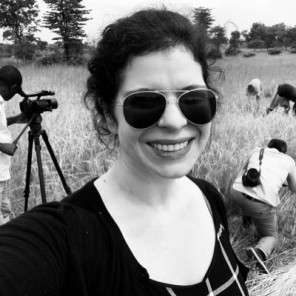
Libby George is a senior correspondent with Reuters, based until recently in Lagos, Nigeria, where she was acting bureau chief for seven months in 2021. She has been a professional journalist for nearly 20 years, starting her career covering politics in Washington, D.C. After completing a master’s degree at the London School of Economics in 2008, she began covering commodities – primarily oil – and joined Reuters in 2014. She now lives in London with her husband and two young children.
 

Winners

Prize Winner in International Reporting in 2023:

Staff of The New York Times

For their unflinching coverage of Russia’s invasion of Ukraine, including an eight-month investigation into Ukrainian deaths in the town of Bucha and the Russian unit responsible for the killings. International Reporting

Finalists

Nominated as finalists in International Reporting in 2023:

Yaroslav Trofimov and James Marson of The Wall Street Journal

For prescient on-the-ground reporting from the shifting front lines of the war in Ukraine that presaged the Russian assault on Kyiv and chronicled the tenacious resistance of Ukrainian soldiers and civilians amidst so much devastation.

The Jury

Julia Preston(Chair)

Contributing Writer, The Marshall Project

José de Córdoba

Senior Writer/Latin American Correspondent, The Wall Street Journal

Barton Gellman*

Staff Writer, The Atlantic

Michael W. Hudson

Senior Editor, International Consortium of Investigative Journalists

Swati G. Sharma

Editor-in-Chief, Vox

Winners in International Reporting

Megha Rajagopalan, Alison Killing and Christo Buschek of BuzzFeed News

For a series of clear and compelling stories that used satellite imagery and architectural expertise, as well as interviews with two dozen former prisoners, to identify a vast new infrastructure built by the Chinese government for the mass detention of Muslims. (Moved by the Board from the Explanatory Reporting category, where it was also entered and nominated.)

2023 Prize Winners

Kyle Whitmire of AL.com, Birmingham

For measured and persuasive columns that document how Alabama's Confederate heritage still colors the present with racism and exclusion, told through tours of its first capital, its mansions and monuments–and through the history that has been omitted.

Staff of The Wall Street Journal

For sharp accountability reporting on financial conflicts of interest among officials at 50 federal agencies, revealing those who bought and sold stocks they regulated and other ethical violations by individuals charged with safeguarding the public’s interest.