For a distinguished volume of original verse by an American author, Ten thousand dollars ($10,000).

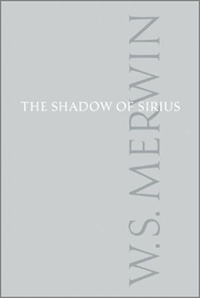
The Shadow of Sirius, by W.S. Merwin (Copper Canyon Press)

A collection of luminous, often tender poems that focus on the profound power of memory.
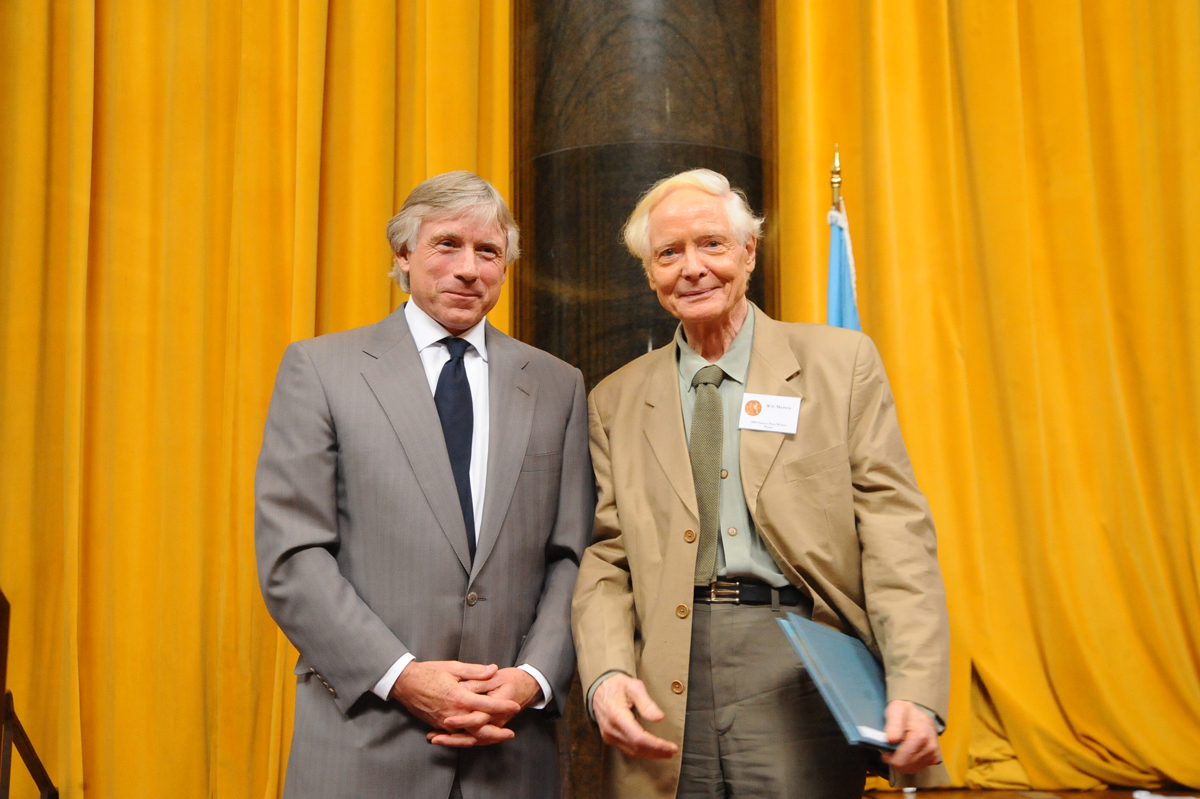
Lee Bollinger and W.S. Merwin

Lee C. Bollinger, President of Columbia University (left), presents the 2009 Poetry prize to W.S. Merwin.

Winning Work

The Shadow of Sirius

The nuanced mysteries of light, darkness, temporality, and eternity interweave throughout Merwin's newest collection of poems. "I have only what I remember," he admits, and his memories are focused and profound - well-cultivated loves, the distinct qualities of autumnal light, memories of Pennsylvania miners, a conversation with a boyhood teacher, and "our long evenings and astonishment." From the universe's chiaroscuro shadows, Merwin once again calls upon the language of surprise to illuminate existence. He is writing at the peak of his powers.

—from the publisher
Biography

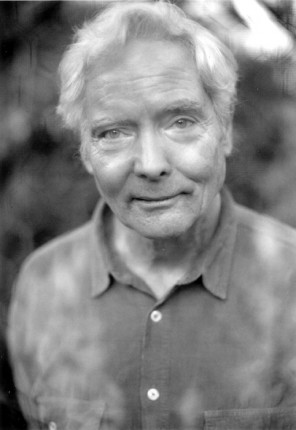
W.S. Merwin was born in New York City and grew up in Union City, New Jersey, and Scranton, Pennsylvania. His father was a Presbyterian minister. He attended Princeton University, where he studied with John Berryman and R.P. Blackmur. Merwin spent a postgraduate year at Princeton studying Romance languages, an interest that would lead eventually to his much-admired work as translator of Latin, Spanish, and French poetry. After leaving Princeton, Merwin traveled to France, Spain, and England. He settled in Majorca in 1950 as a tutor to Robert Graves's son. Graves, with his interest in mythology, would become a primary influence on young Merwin.

Merwin's first book of poems won the Yale Series of Younger Poets Award for 1952, selected by W.H. Auden, who remarked in his introduction on the young poet's technical virtuosity. That volume, A Mask for Janus, is formal, neoclassical in style. For the next decade Merwin would regularly publish collections of intensely wrought, brightly imagistic poems.

Finalists

Nominated as finalists in Poetry in 2009:

Frank Bidart

A book of lyric poems that evinces compassion for the human condition as it explores the constraints that limit the possibility of people changing the course of their lives.

Ruth Stone

A collection of poems that give rich drama to ordinary experience, deepening our sense of what it means to be human.

The Jury

Anne Winters(chair )

poet and professor of English

Carl Dennis*

professor and writer in residence

James Baker Hall

professor of English emeritus, University of Kentucky and poet laureate of Kentucky 2000-2001

Winners in Poetry

2009 Prize Winners

Staff

For its swift and sweeping coverage of a sex scandal that resulted in the resignation of Gov. Eliot Spitzer, breaking the story on its Web site and then developing it with authoritative, rapid-fire reports.

David Barstow

For his tenacious reporting that revealed how some retired generals, working as radio and television analysts, had been co-opted by the Pentagon to make its case for the war in Iraq, and how many of them also had undisclosed ties to companies that benefited from policies they defended.