For a distinguished example of breaking news photography in black and white or color, which may consist of a photograph or photographs, a sequence or an album, in print or online or both, Ten thousand dollars ($10,000).

The Miami Herald, by Patrick Farrell
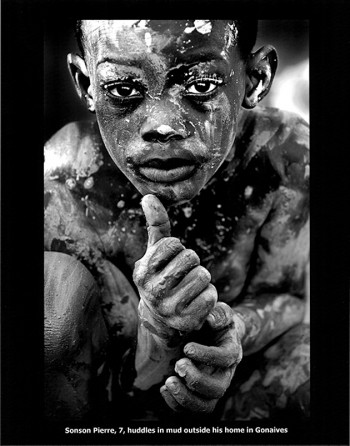
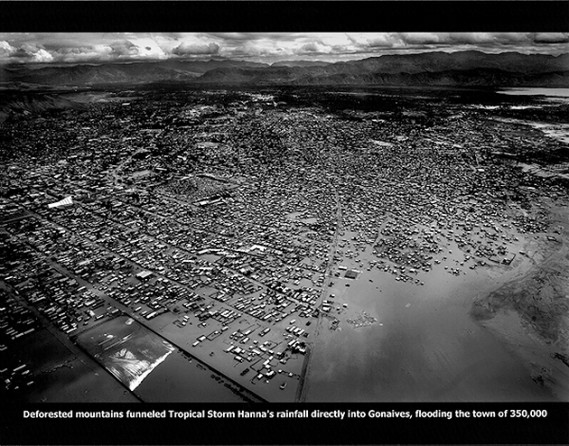
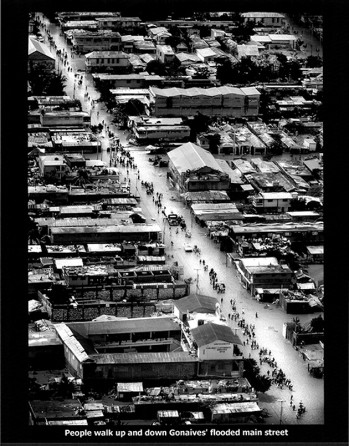
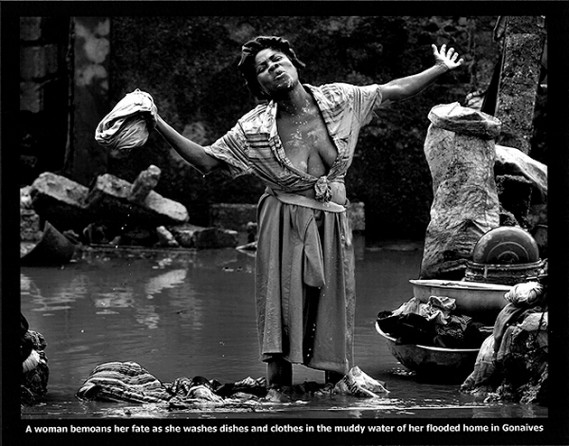
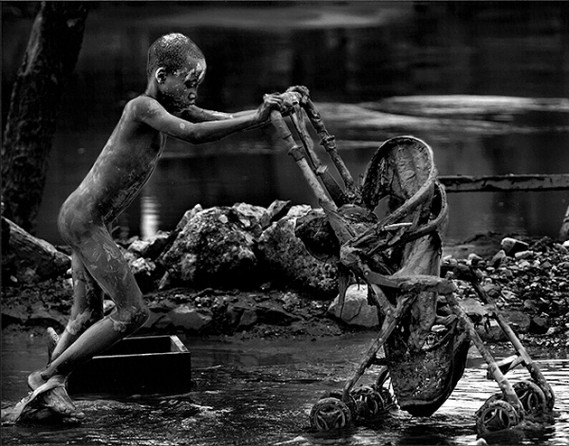
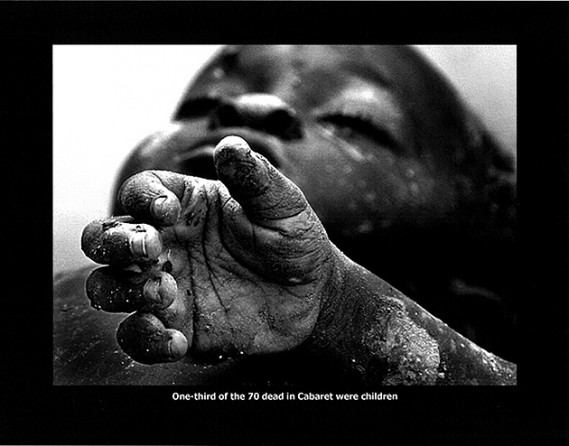
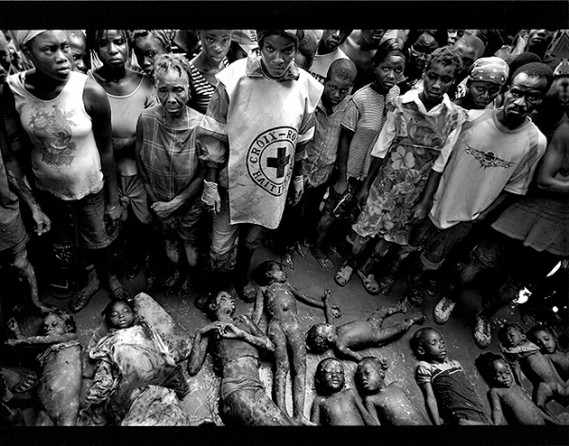
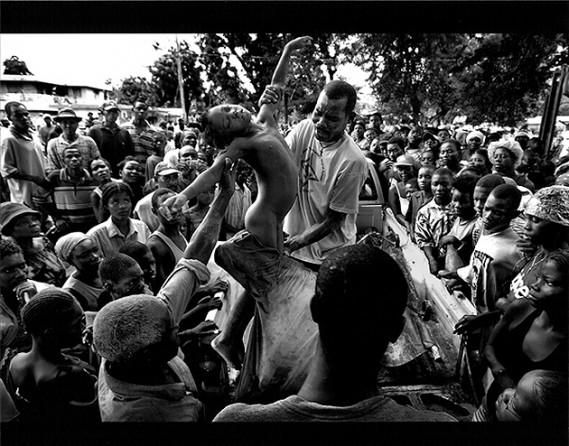
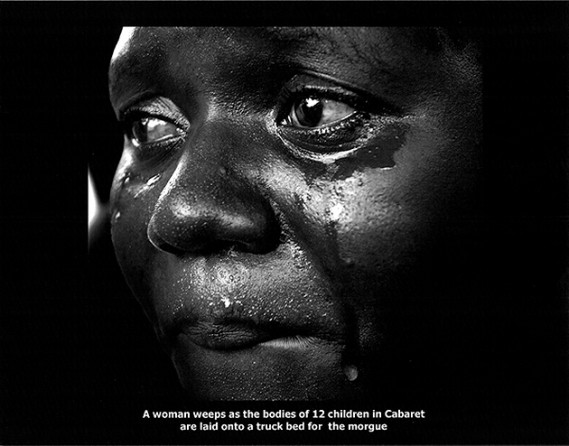
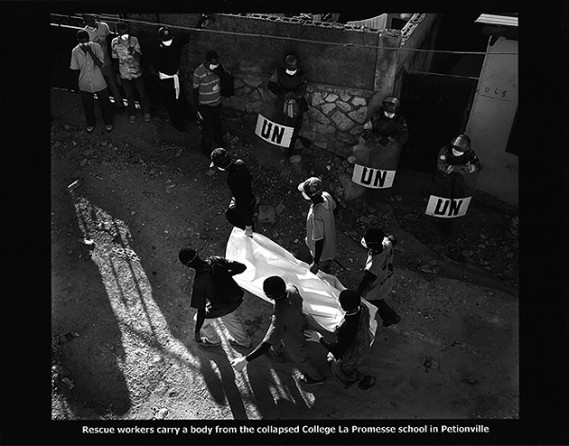
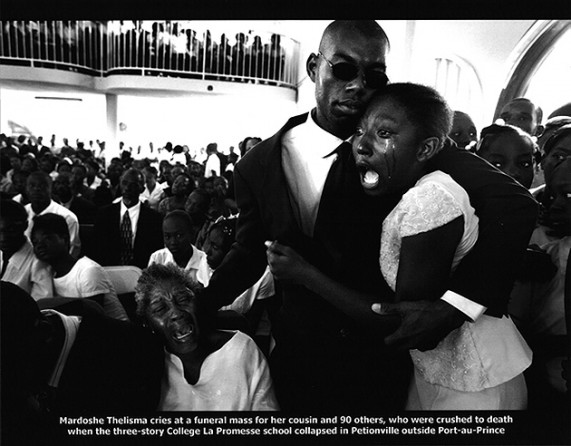
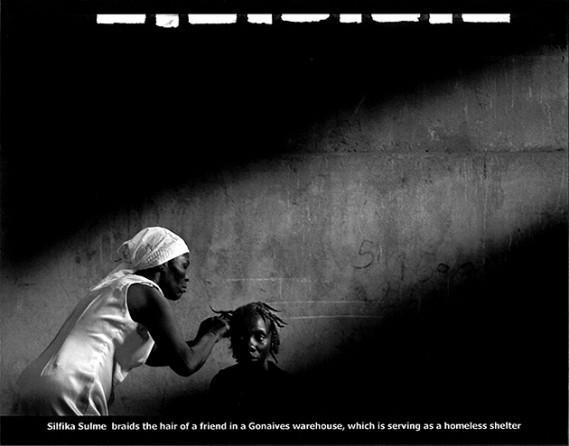
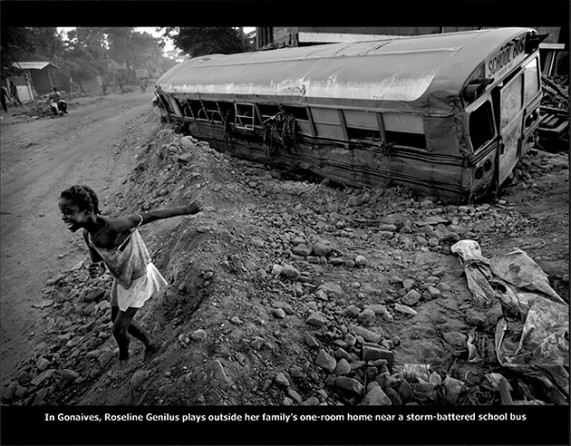
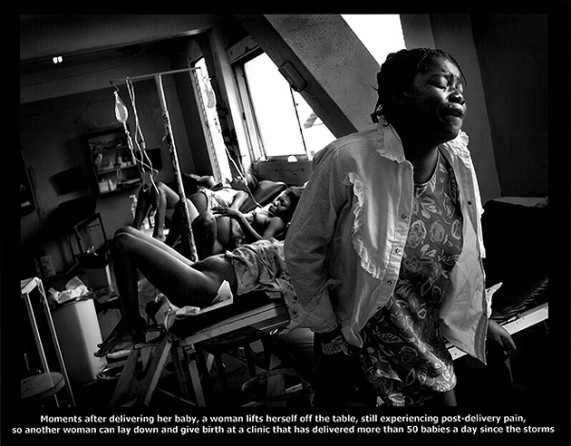
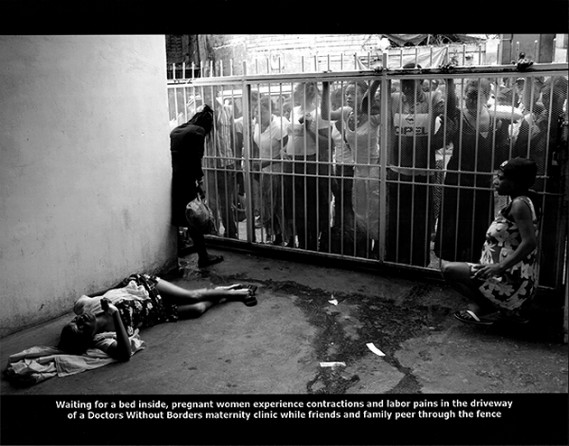
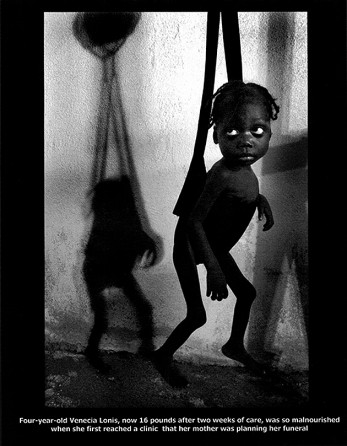
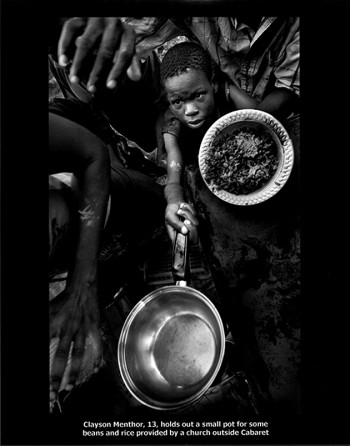
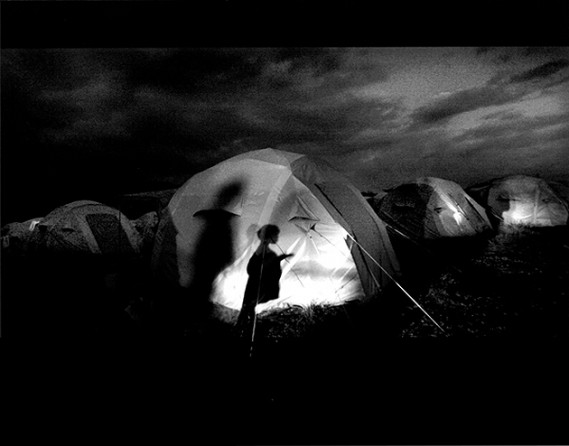
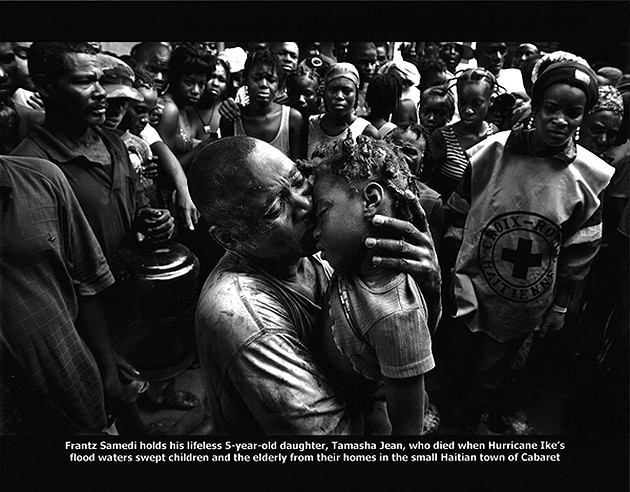
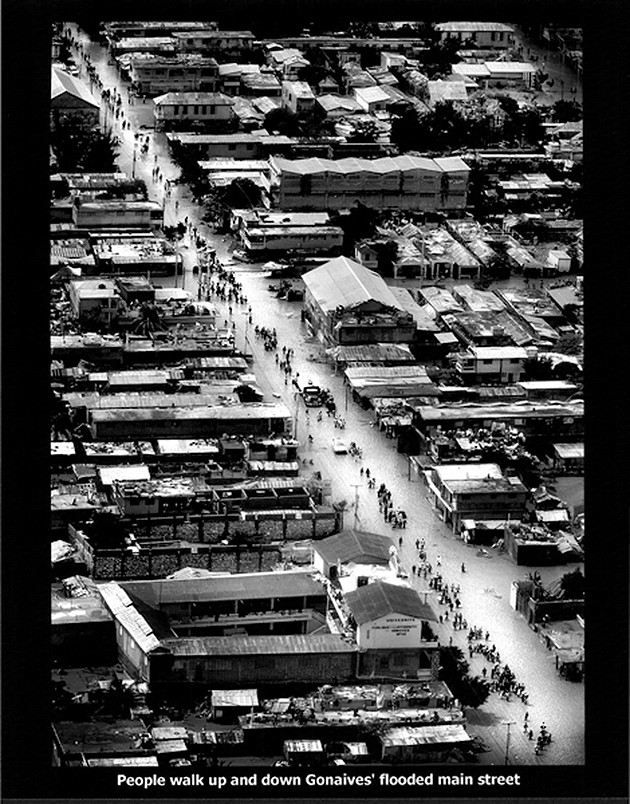
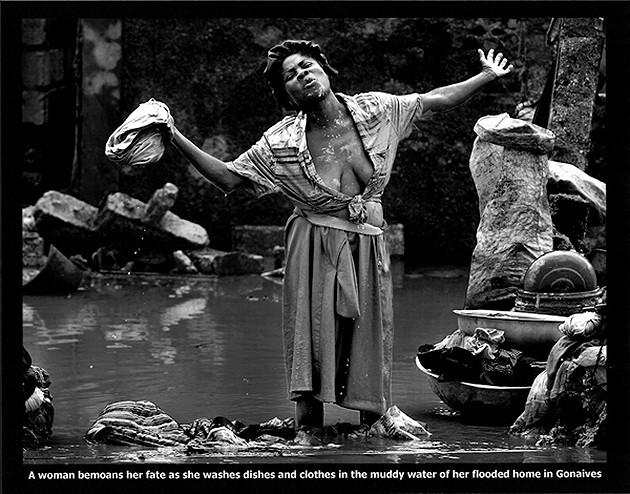
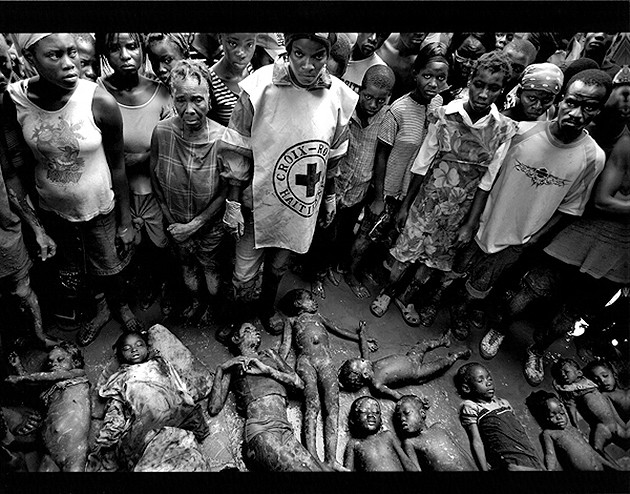
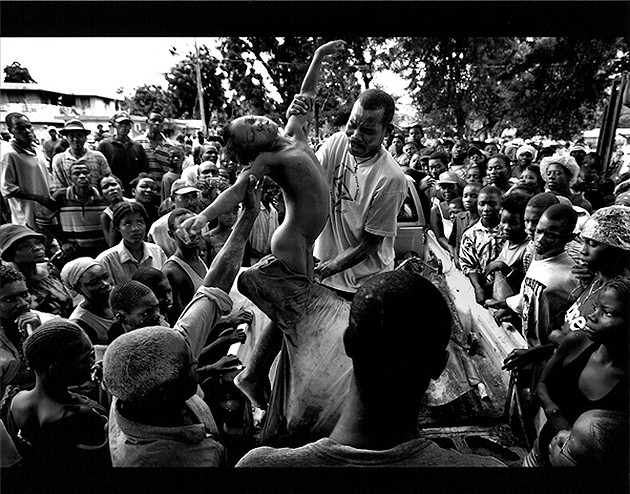
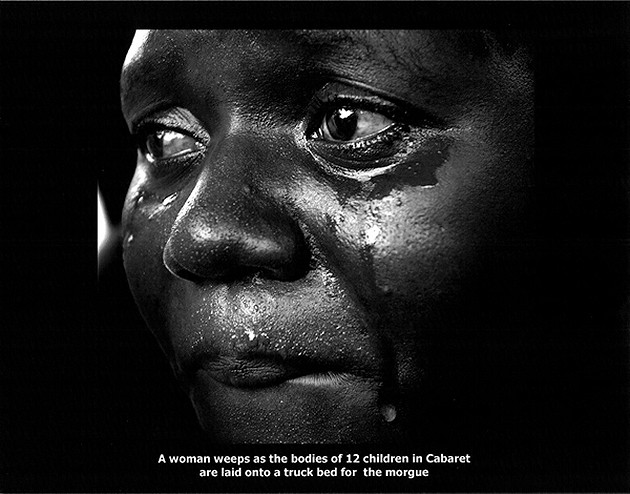
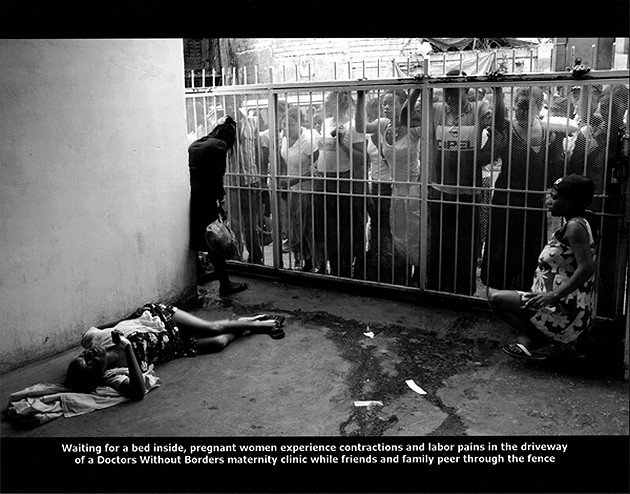
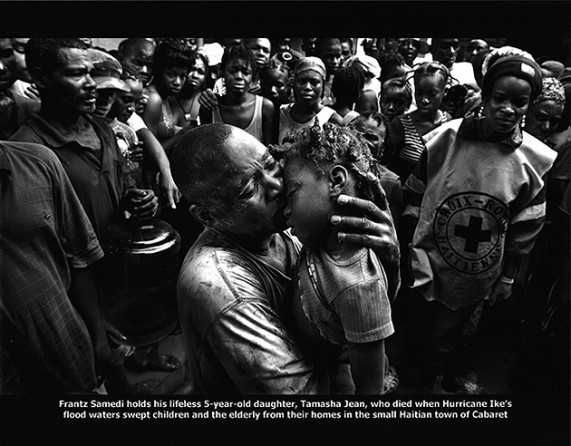
For his provocative, impeccably composed images of despair after Hurricane Ike and other lethal storms caused a humanitarian disaster in Haiti.
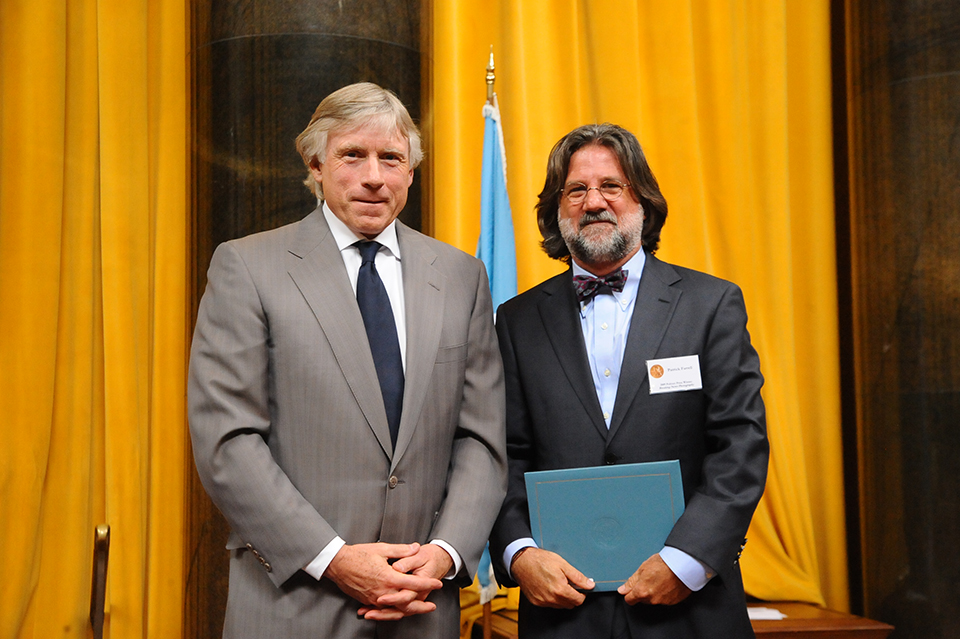
Lee Bollinger and Patrick Farrell

Lee C. Bollinger, President of Columbia University (left), presents the 2009 Breaking News Photography prize to Patrick Farrell of The Miami Herald.


Winning Work
September 8, 2008
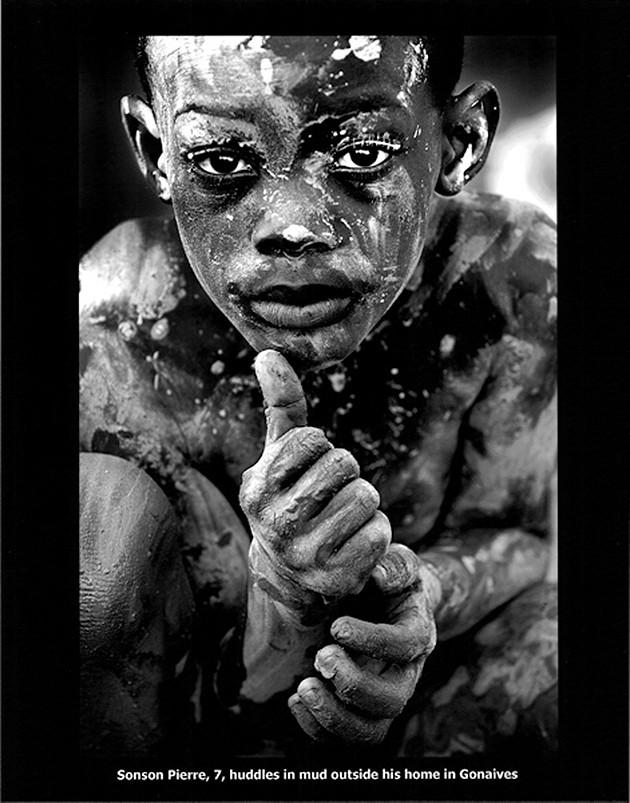
September 5, 2008
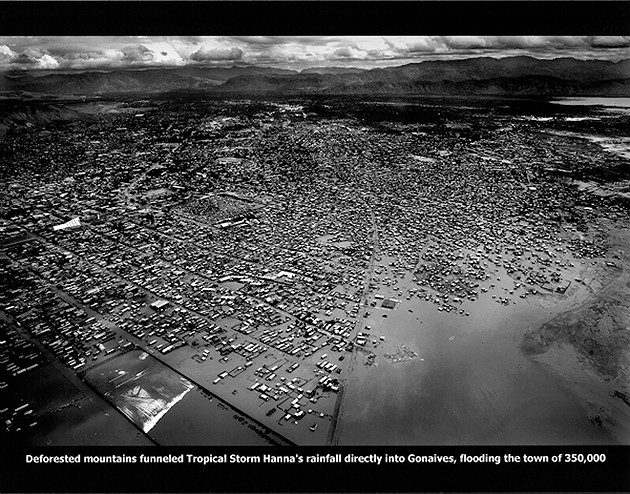
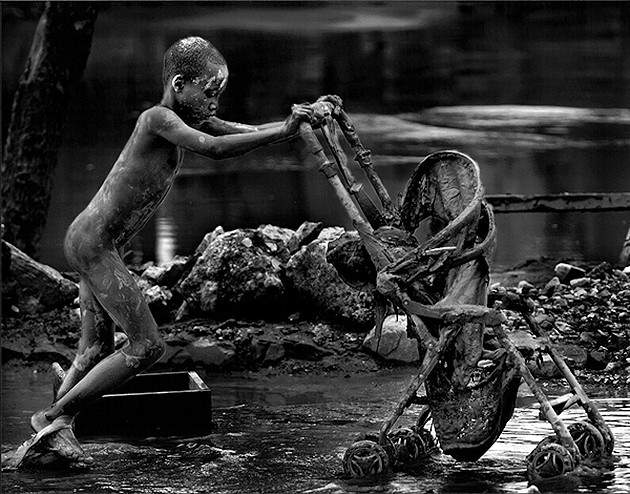
A young boy struggles to rescue a stroller from the wreck of his family’s home after Tropical Storm Hanna struck Gonaives.  September 5, 2008
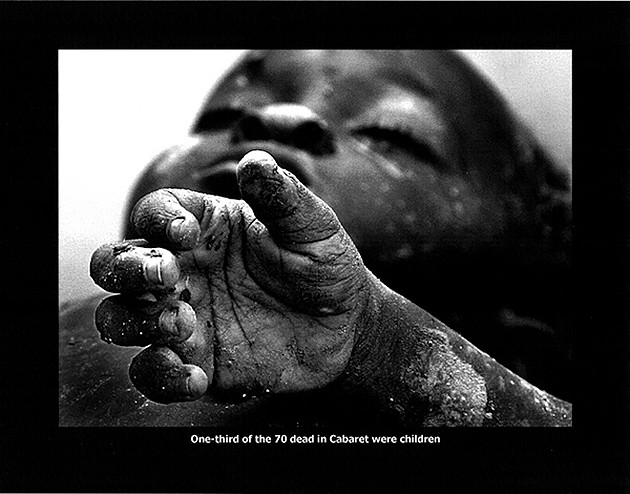
September 8, 2008
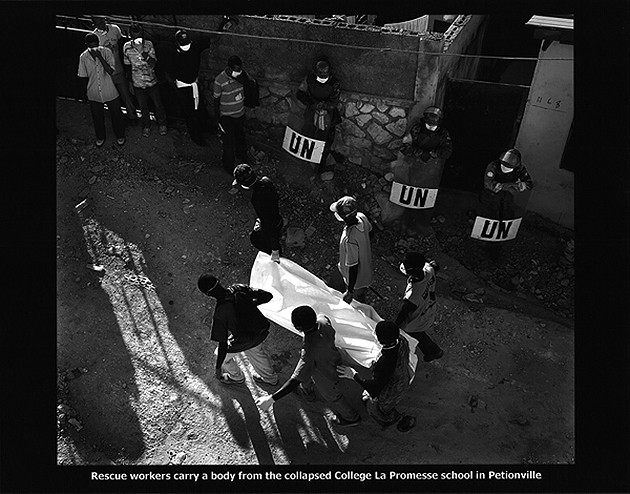
November 12, 2008
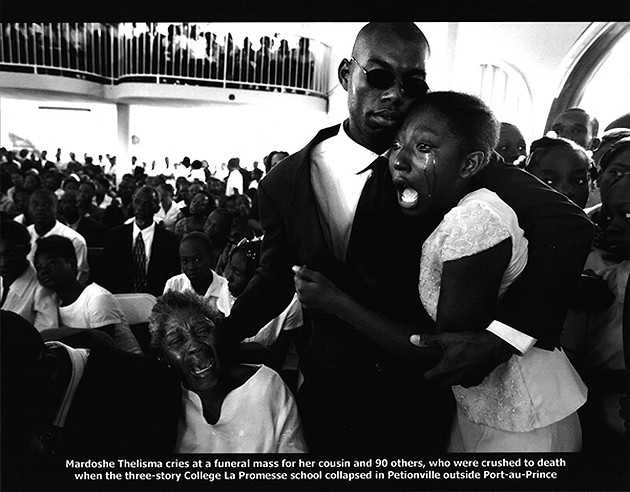
November 15, 2008
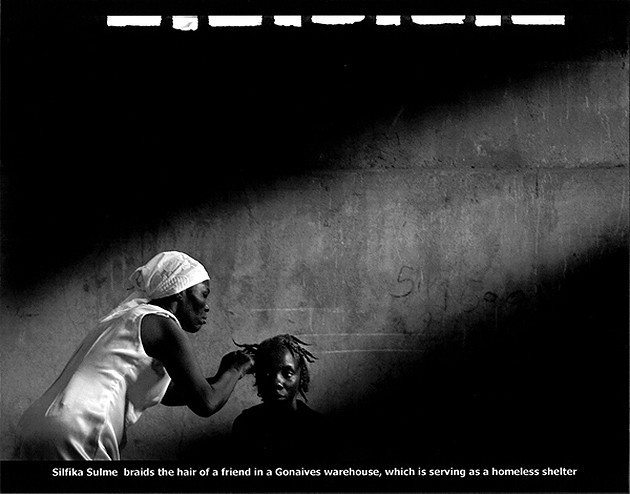
November 2, 2008
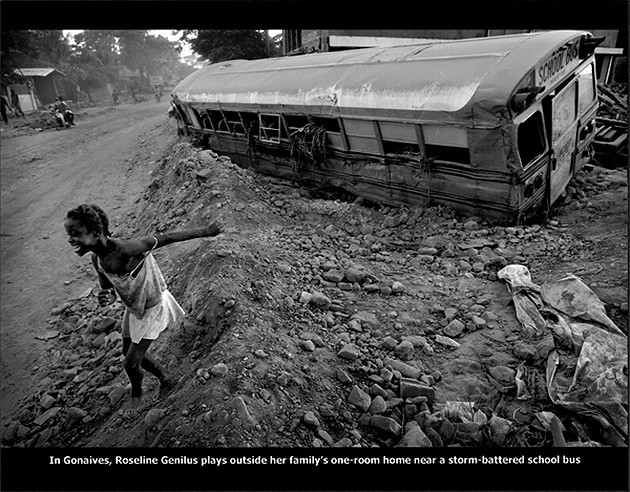
November 2, 2008
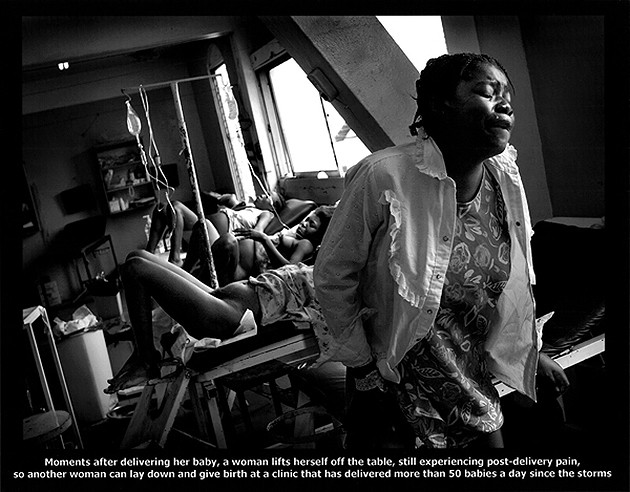
December 9, 2008
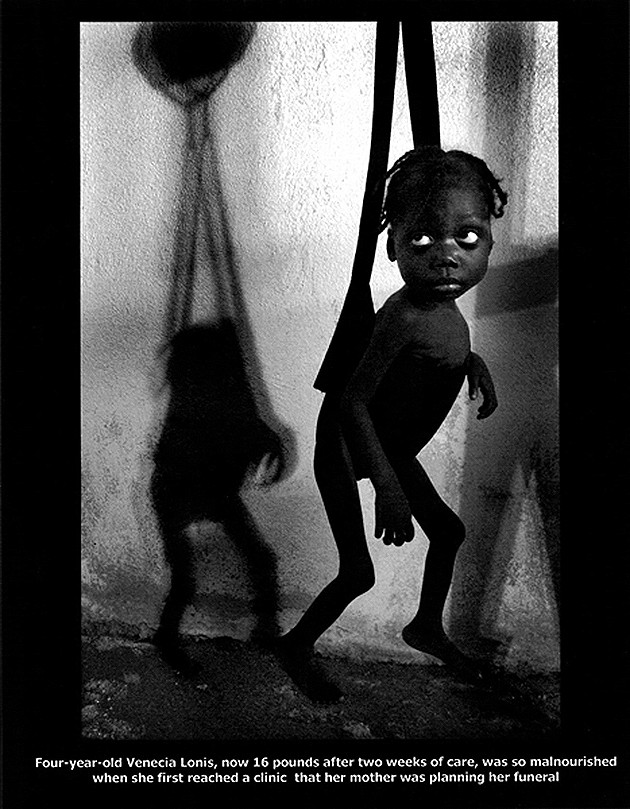
November 25, 2008
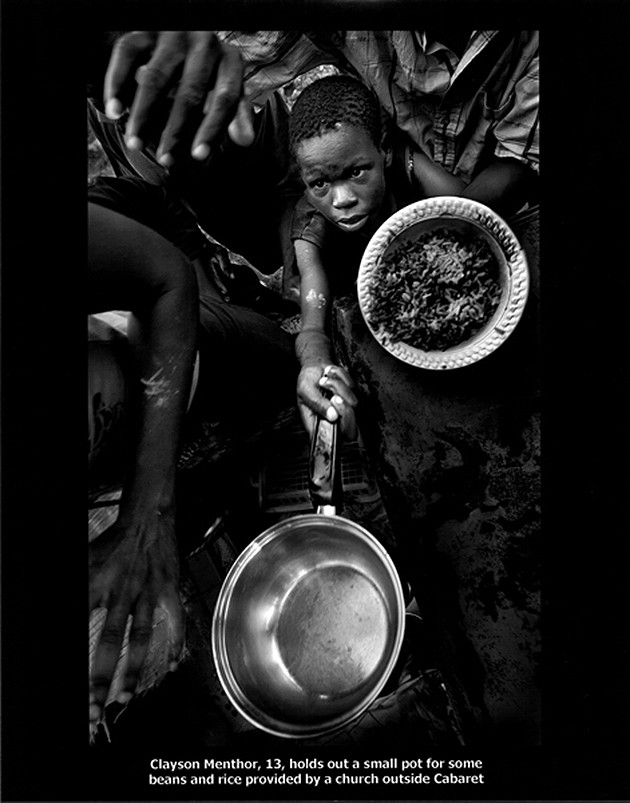
September 10, 2008
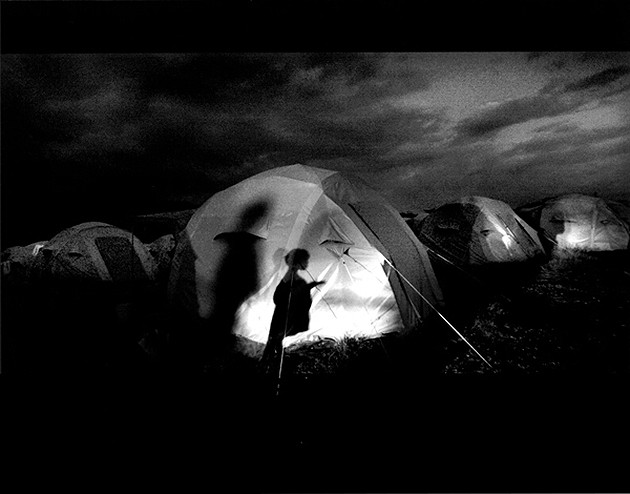
November 2, 2008

Biography
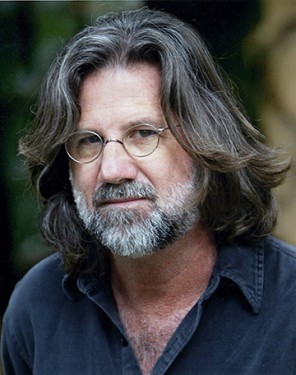
Patrick Farrell, 49, has been a staff photographer for The Miami Herald since 1987. His assignments have taken him to Turkey, Haiti, Cuba and throughout Central and South America, as well as the Caribbean.

He was part of the Miami Herald staff that won the 1993 Pulitzer Prize for Public Service for the coverage of Hurricane Andrew’s devastation in South Florida.

He graduated in 1981 with a bachelor of arts degree in television and film production from the University of Miami. A native of Miami, he grew up in a family of 12 children and discovered photography at age 13, when he destroyed a bathroom in his parents’ home by turning it into a darkroom. (His five sisters still haven’t quite forgiven him.)

Farrell started his career working for several small community papers in Florida. He has twice been named the National Press Photographers Association’s Region 6 Newspaper Photographer of the Year (in 1992 and 1993). He also was named Southern Photographer of the Year in 1989 and again in 1993 at the Southern Short Course in Photography, the country’s longest-running photojournalism seminar.

In 2008, the Herald repeatedly sent Farrell to Haiti, which bore the brunt of the year’s Atlantic Hurricane Season. He was there the night Hurricane Ike - the fourth storm to hit Haiti in a month - reflooded the overwhelmed country, swallowing homes and lives. In all, more than 800 Haitians died and more than 1 million were left homeless by the unrelenting series of storms.


Finalists

Nominated as finalists in Breaking News Photography in 2009:

Carolyn Cole

For her valorous on-the-spot coverage of political violence in Kenya, capturing the terror as rebellion and reprisals jolted the nation.

Staff

For its haunting chronicle of death, destruction, heartbreak and renewal when an earthquake devastated Sichuan, China.

The Jury

Dan Habib(chair )

former photo editor, Concord Monitor , and filmmaker-in-residence, University of New Hampshire

Naomi Halperin

photo editor

Karen Magnuson

editor and vice president/news

Michelle McNally

assistant managing editor, photography

Zach Ryall

internet managing editor

Winners in Breaking News Photography

Adrees Latif

For his dramatic photograph of a Japanese videographer, sprawled on the pavement, fatally wounded during a street demonstration in Myanmar.

Oded Balilty

For his powerful photograph of a lone Jewish woman defying Israeli security forces as they remove illegal settlers in the West Bank.

Staff

For its vivid photographs depicting the chaos and pain after Hurricane Katrina engulfed New Orleans.

Staff

For its stunning series of photographs of bloody yearlong combat inside Iraqi cities.

2009 Prize Winners

W.S. Merwin

A collection of luminous, often tender poems that focus on the profound power of memory.

Staff

For its swift and sweeping coverage of a sex scandal that resulted in the resignation of Gov. Eliot Spitzer, breaking the story on its Web site and then developing it with authoritative, rapid-fire reports.

David Barstow

For his tenacious reporting that revealed how some retired generals, working as radio and television analysts, had been co-opted by the Pentagon to make its case for the war in Iraq, and how many of them also had undisclosed ties to companies that benefited from policies they defended.