Associated Press, by Photo Staff
For its portfolio of images following the embassy bombings in Kenya and Tanzania that illustrates both the horror and the humanity triggered by the event.
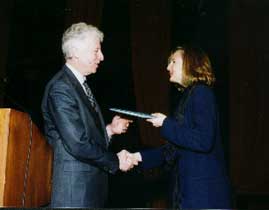
Columbia University Provost Jonathan R. Cole presents Sally Stapleton, of the Associated Press with the Pulitzer Prize for Spot News Photography.
Winning Work
Close
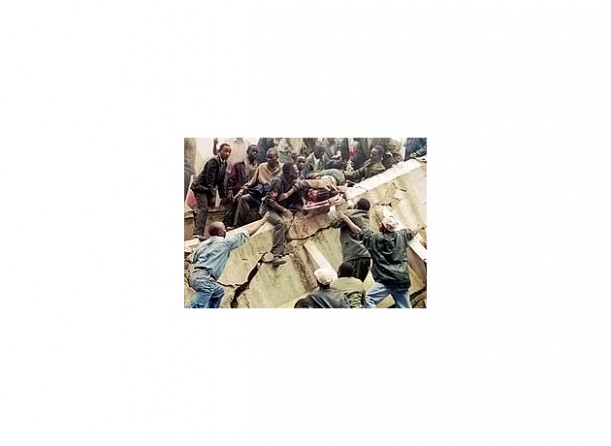
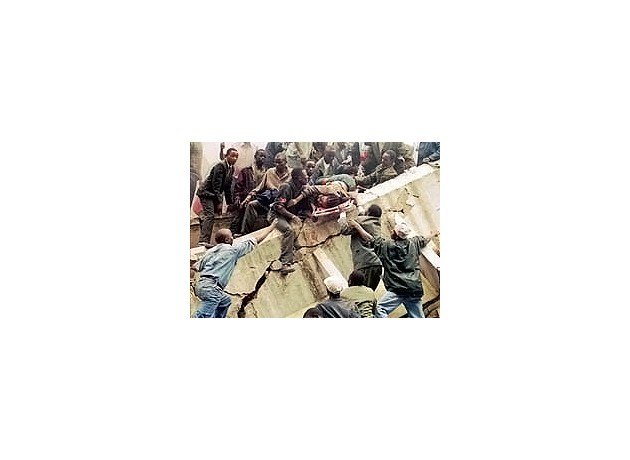
NAIROBI, Kenya, Aug. 7, 1998 -- Rescue workers hoist a woman, rescued from the U.S. Embassy, over the rubble of a collapsed building next to the embassy. (Khalil Senosi/Associated Press)
Close
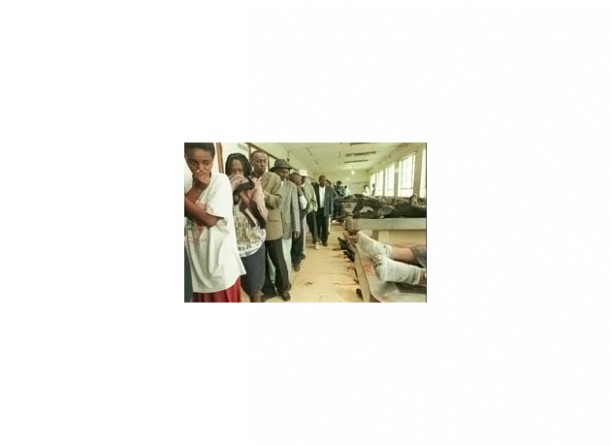
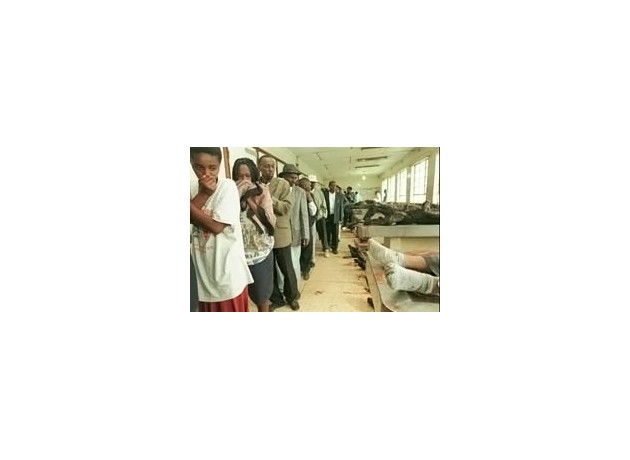
NAIROBI, Kenya, Aug. 8, 1998 -- Kenyans walk through the Nairobi city morgue to identify relatives and friends the day after the bombing. (Jean-Marc Bouju/Associated Press)
Close
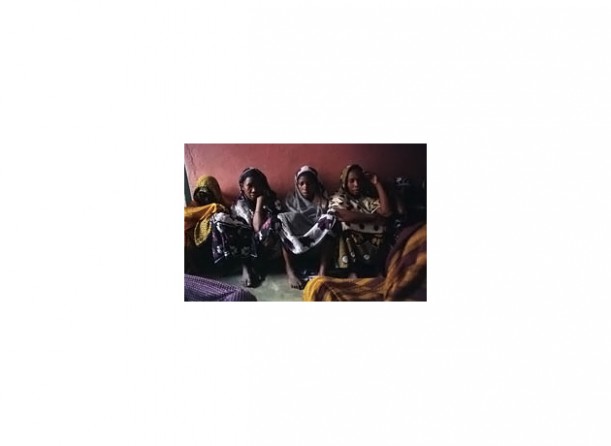
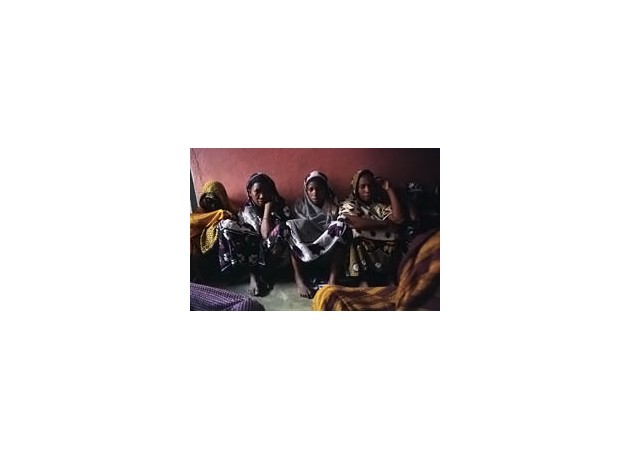
DAR ES SALAAM, Tanzania, Aug. 10, 1998 -- On the day of his burial, female family members say Muslim prayers for Bakari Nyumbu, a U.S. Embassy guard who was killed in the Aug. 7 bombing at the embassy. (Brennan Linsley/Associated Press)
Close
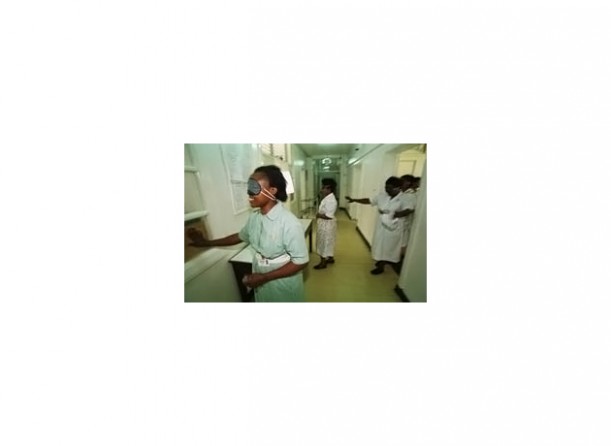
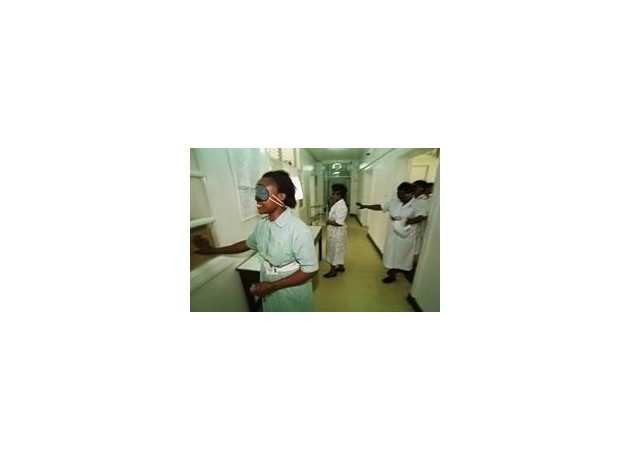
NAIROBI, Kenya, Oct. 29, 1998 -- Nurses at a Nairobi Hospital walk in a hallway blindfolded as they experience what it feels like to be blind as part of a training session to learn about the particular needs of a blind mother like Catherine Bwire, blinded in the Aug. 7 bombing of the U.S. Embassy. (Jean-Marc Bouju/Associated Press)
Close
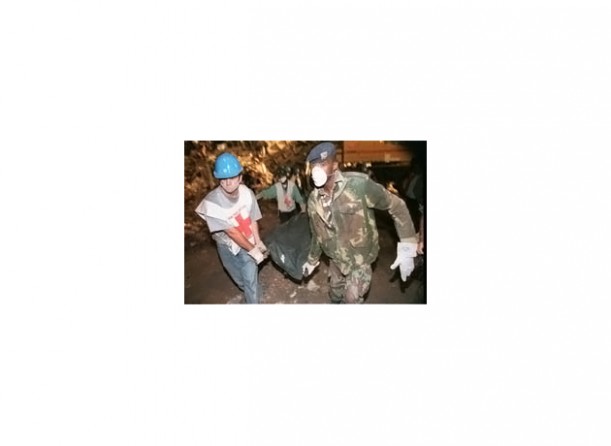
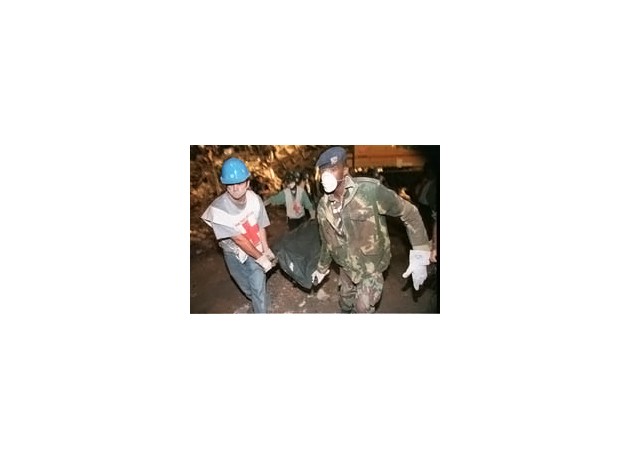
NAIROBI, Kenya, Aug. 11, 1998 -- Members of the Red Cross and Kenyan military remove a body from the collapsed building next to the U.S. Embassy. (Sayyid Azim/Associated Press)
Close
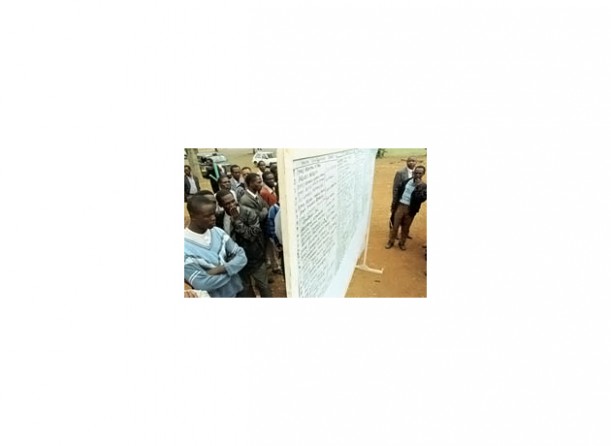
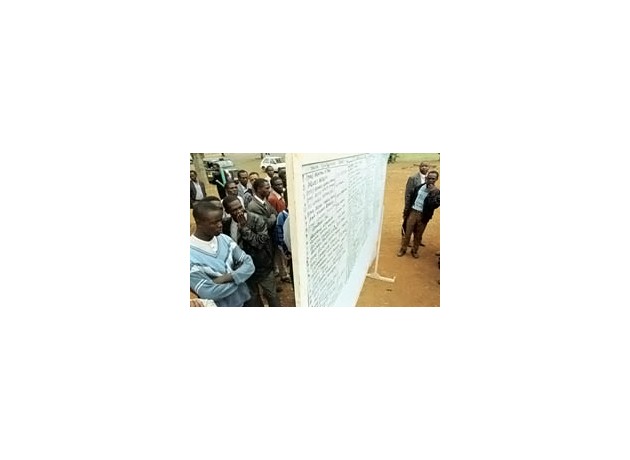
NAIROBI, Kenya, Aug. 13, 1998 -- Kenyans scan the list of bombing fatalities posted in Uhuru Park. (Jean-Marc Bouju/Associated Press)
Close
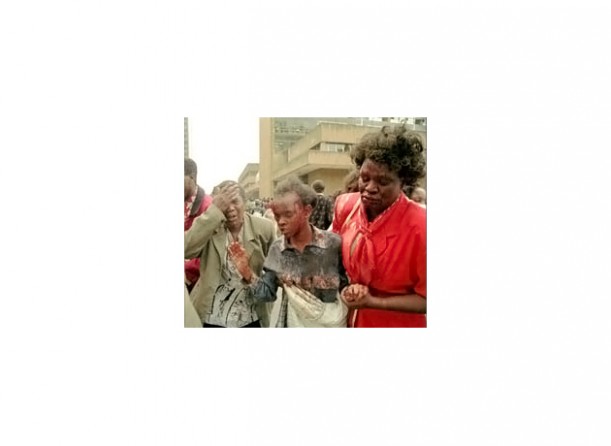
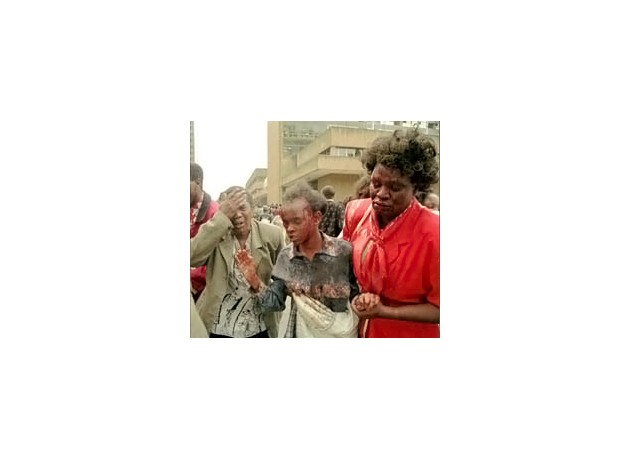
NAIROBI, Kenya, Aug. 7, 1998 -- The injured are helped to an ambulance after the explosion at the U.S. Embassy. (Sayyid Azim/Associated Press)
Close
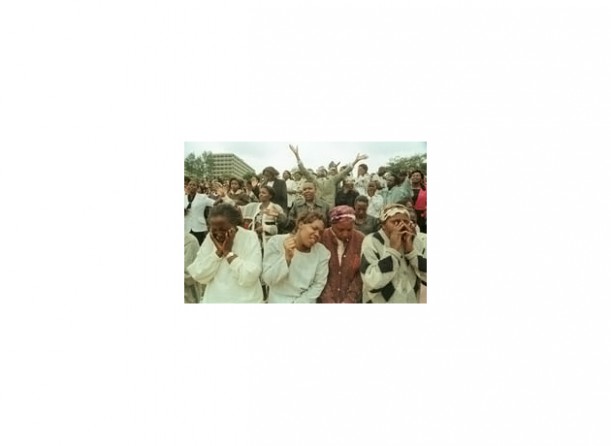
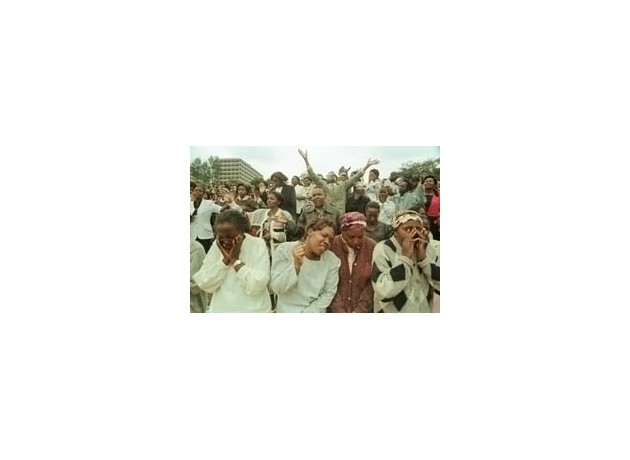
NAIROBI, Kenya, Aug. 9, 1998 -- Thousands of Kenyans mourn and pray at Uhuru Park for the victims of the Aug. 7 bombing. (Sayyid Azim/Associated Press)
Close
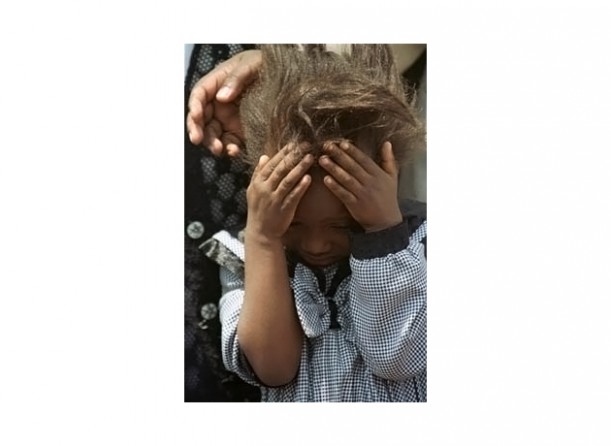
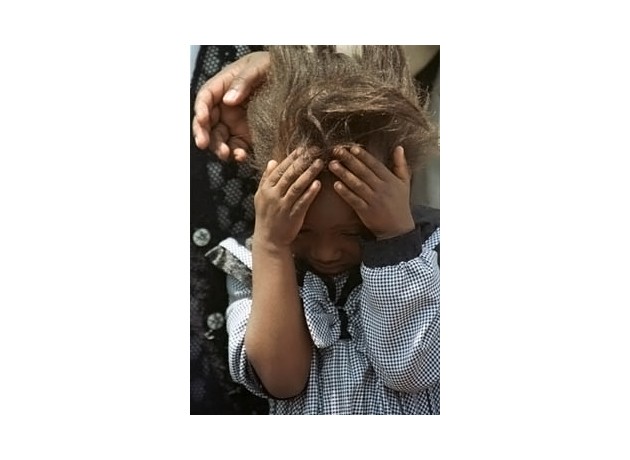
NAIROBI, Kenya, Aug. 15, 1998 -- Shirley Wambui, 5, weeps during the burial of her aunt Alice Ndutu Gachiri in the Nairobi Langata cemetery. Gachiri died Aug. 7 in the building next to the U.S. Embassy destroyed by a car bomb. (Jean-Marc Bouju/Associated Press)
Close
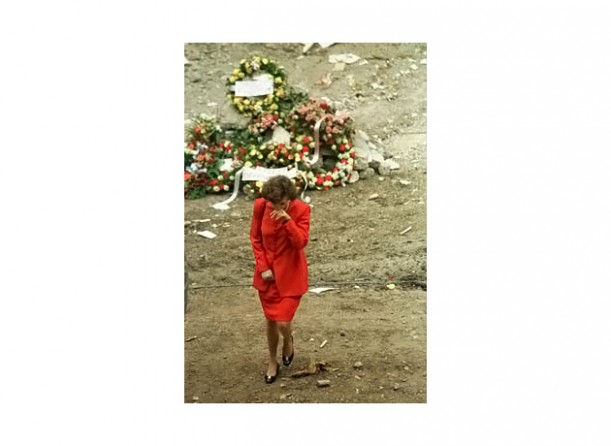
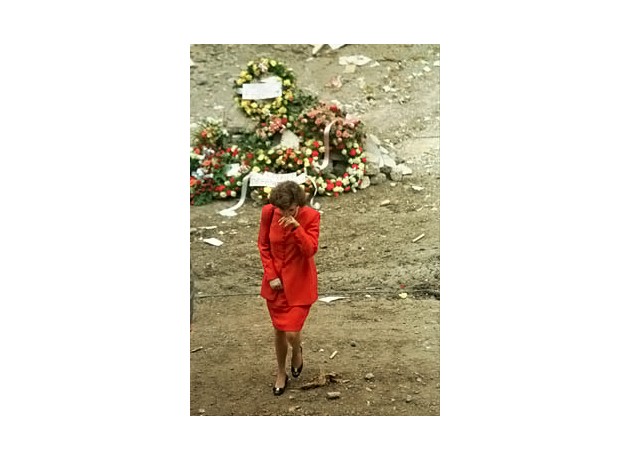
NAIROBI, Kenya, Aug. 12, 1998 -- U.S. Ambassador to Kenya Prudence Bushnell grieves after laying a wreath at the site of the U.S. Embassy bombing. (John McConnico/Associated Press)
Close
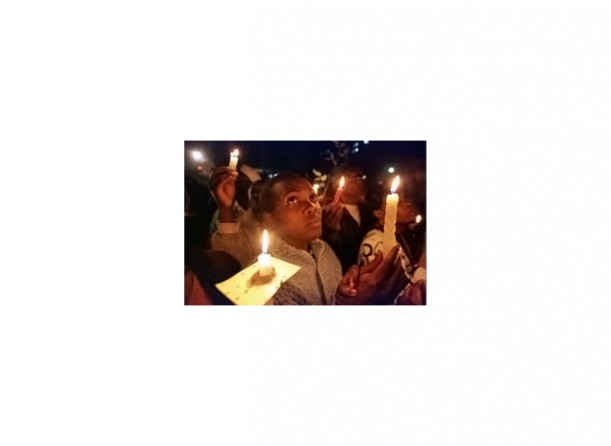
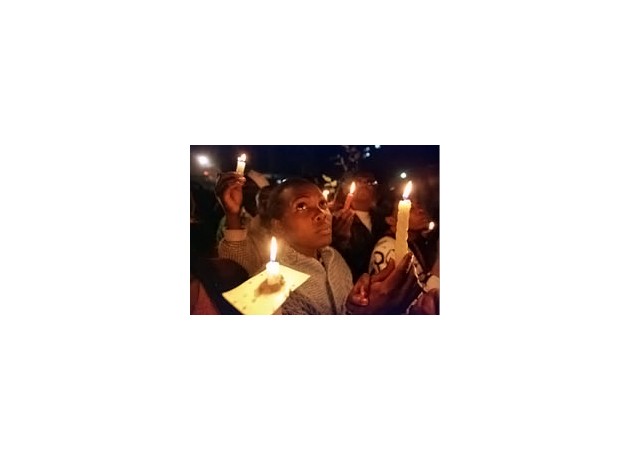
NAIROBI, Kenya, Aug. 10, 1998 -- Young Kenyans join in a peace vigil in Central Nairobi near the American Embassy and the Ufundi House which were both devastated by the Aug. 7 bombing. (John McConnico/Associated Press)
Close
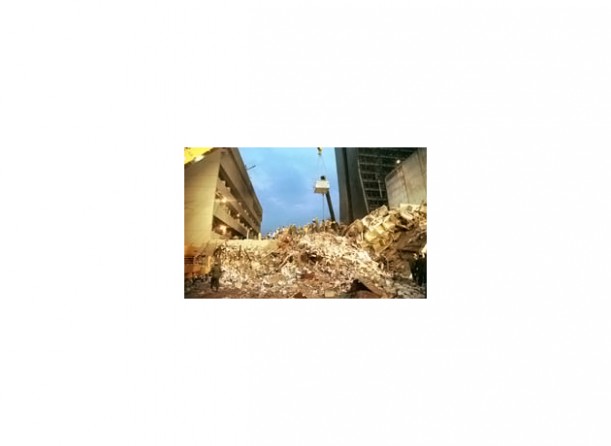
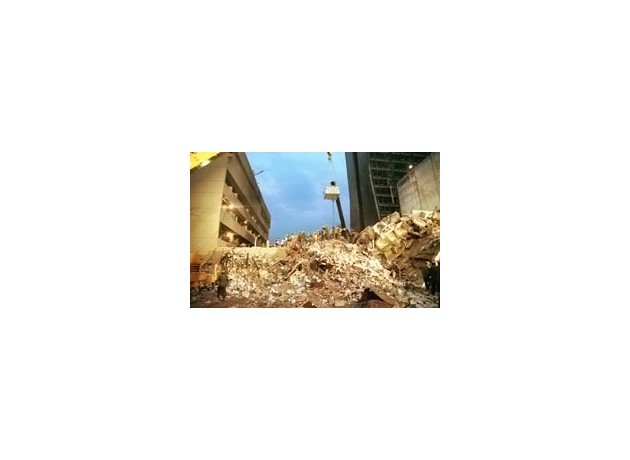
NAIROBI, Kenya, Aug. 11, 1998 -- Teams from Israel, the United States and France work with Kenyan rescuers to recover bodies trapped under the building adjacent to the U.S. embassy, left, which collapsed in the Aug. 7 explosion. (Sayyid Azim/Associated Press)
Close
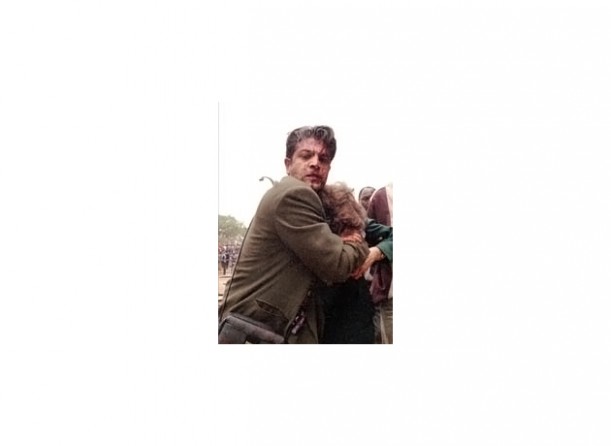
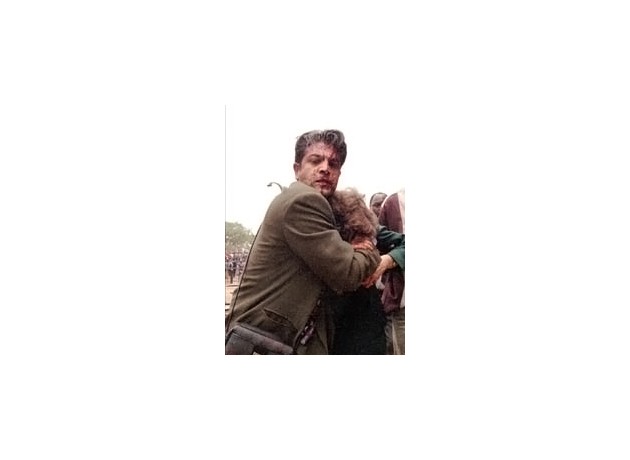
NAIROBI, Kenya, Aug. 7, 1998 -- U.S. Ambassador Prudence Bushnell, right, is helped to safety by an unidentified man with blood on his face following an explosion at the embassy. (Sayyid Azim/Associated Press)
Close
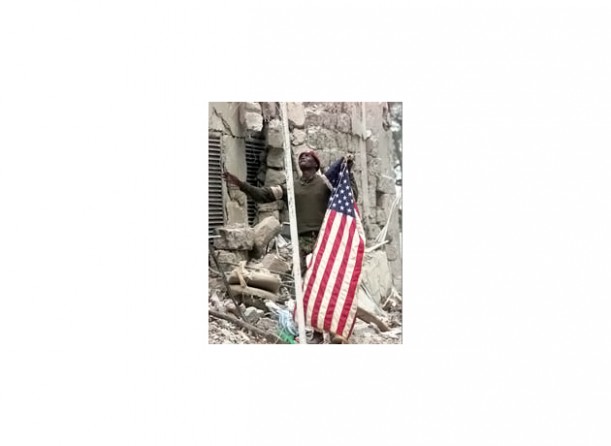
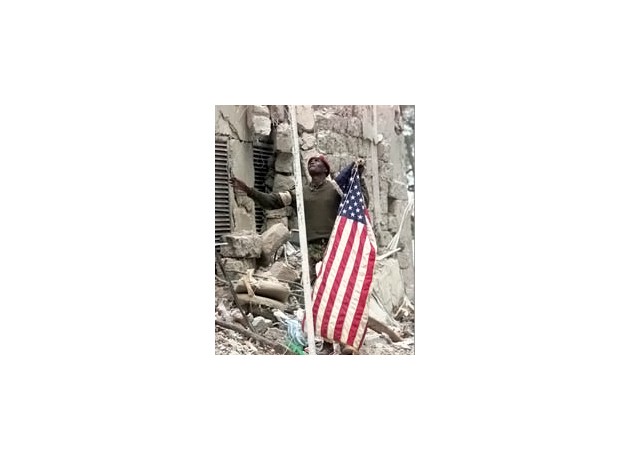
NAIROBI, Kenya, Aug. 12, 1998 -- A Kenyan soldier prepares to raise the U.S. flag outside Ufundi House, where a short ceremony was held to remember the victims of the Aug. 7 bombing. (Dave Caulkin/Associated Press)
Close
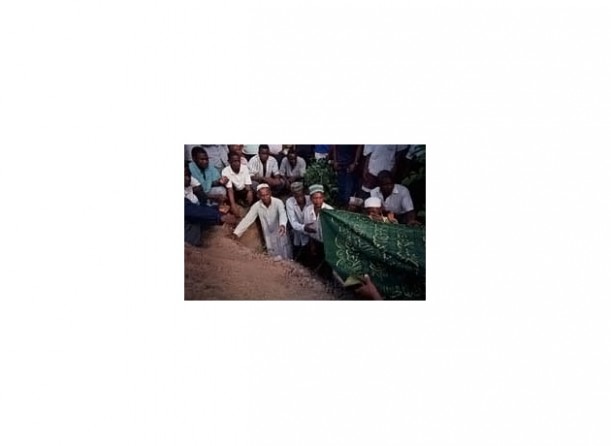
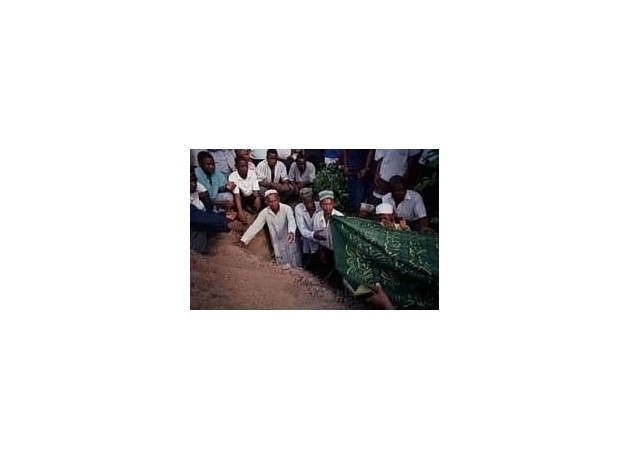
DAR ES SALAAM, Tanzania, Aug. 10, 1998 -- The coffin containing the body of U.S. Embassy guard Bakari Nyumbu, who was killed in the Aug. 7 bombing, is passed into a grave beneath a blanket inscibed with Koranic writing during a traditional Muslim burial ceremony. (Brennan Linsley/Associated Press)
Close
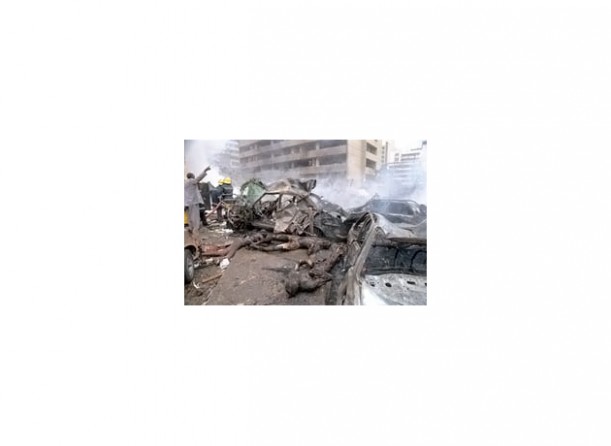
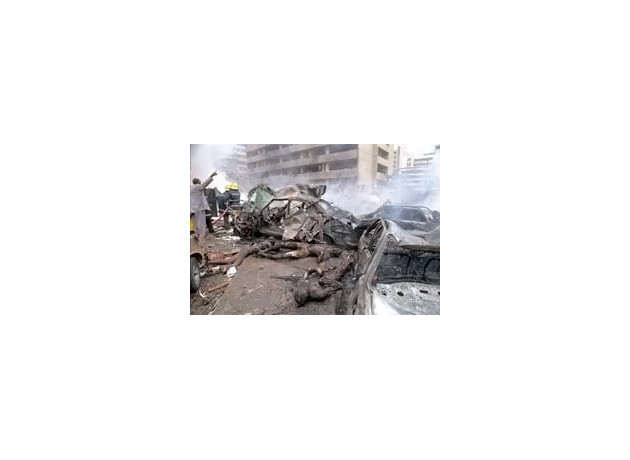
NAIROBI, Kenya, Aug. 7, 1998 -- Burned bodies lie beside damaged cars outside the U.S. Embassy, seen in the background, after the bombing. (Sayyid Azim/Associated Press)
Close
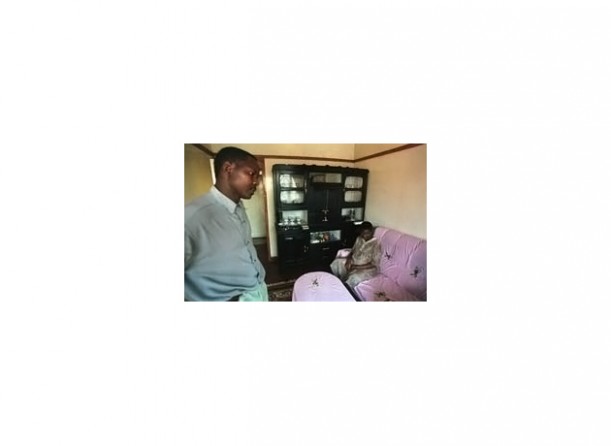
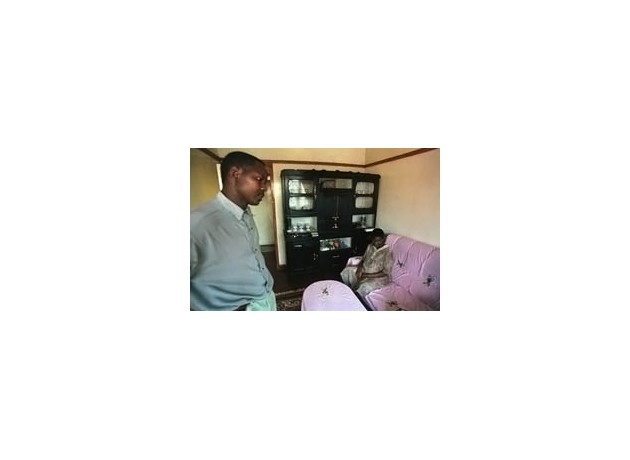
NAIROBI, Kenya, Oct. 8, 1998 -- Catherinje Bwire, 25, sits in her home with her husband Henri Lukhoba. Bwire was pregnant when she was blinded in the Aug. 7 bombing of the U.S. Embassy. She gave birth to her daughter Jean Bahati Lukhoba on Oct. 27. (Jean-Marc Bouju/Associated Press)
Close
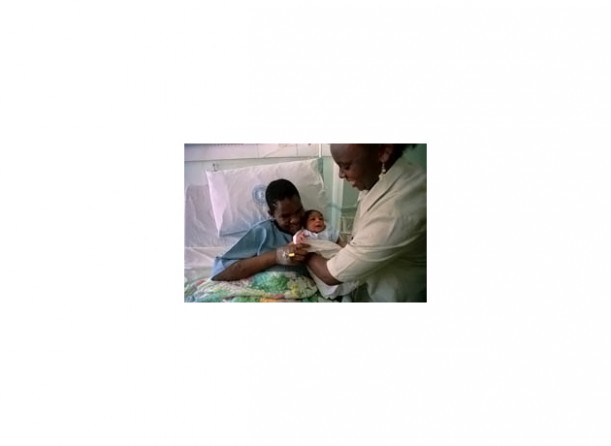
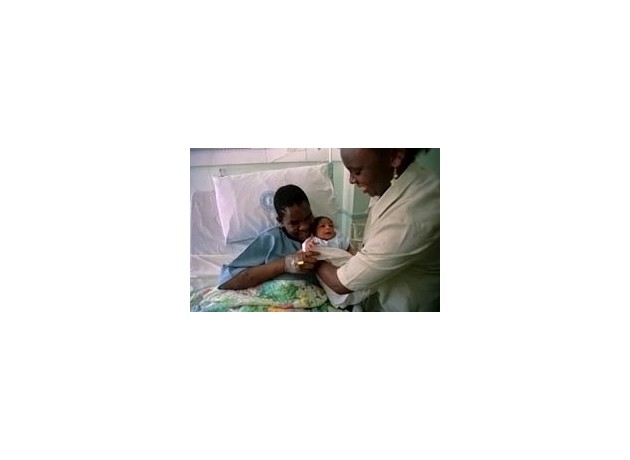
NAIROBI, Kenya, Oct. 28, 1998 -- Catherine Bwire is handed her daughter Jean Bahati Lukhoba, for the first time from social worker Pauline Ngatia, at Nairobi Hospital. Bwire had to wait 24 hours after her ceasarian delivery to hold her child. (Jean-Marc Bouj/Associated Press)
Close
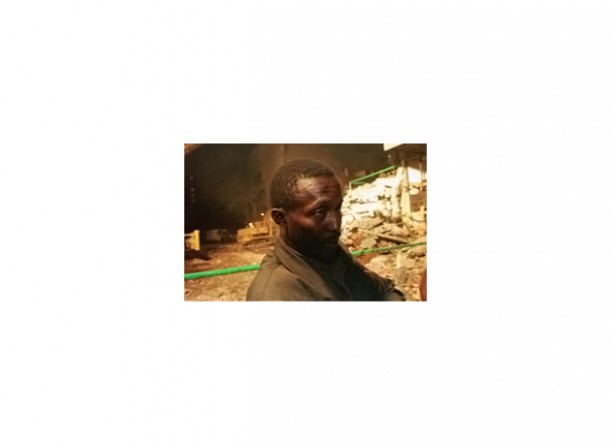
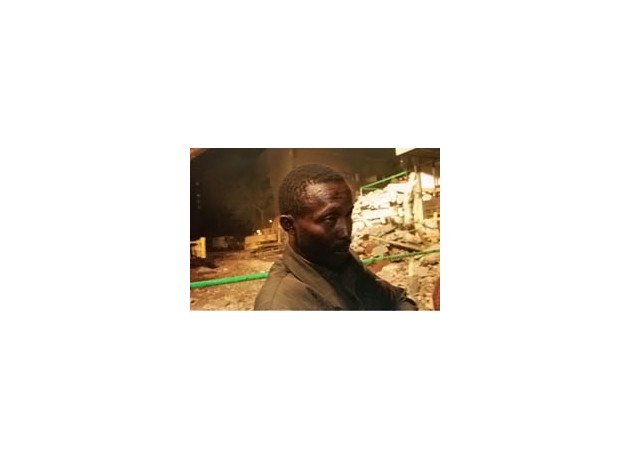
NAIROBI, Kenya, Aug. 12, 1998 -- Lawrence Irungu waits by the collapsed building near the U.S. Embassy, hours before the dead body of his wife Rose Wanjiku was found. Rescuers found Wanjiku's body after she fought for days to stay alive in the rubble. Irungu said at the time of the picture that he was "hoping that she's still alive." (Jean-Marc Bouju/Associated Press)
Close
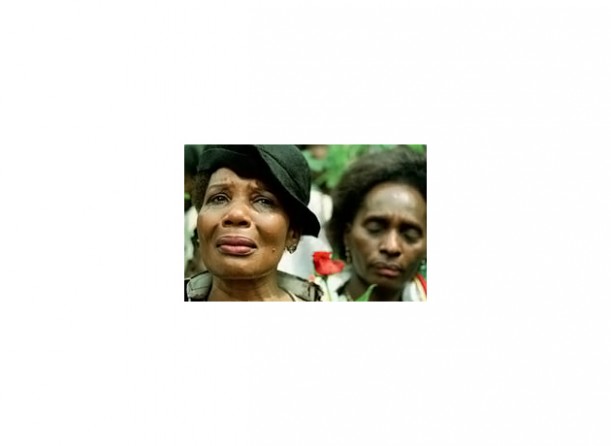
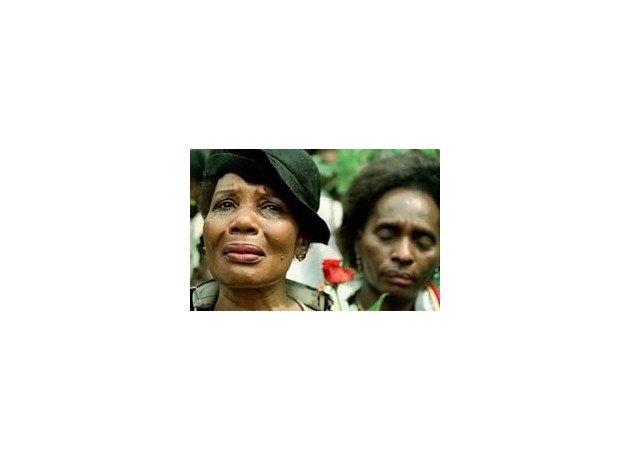
NAIROBI, Kenya, Aug. 14, 1998 -- An unidentified Kenyan woman weeps during a memorial service for victims on the site of the U.S. embassy bombing. (Jean-Marc Bouju/Associated Press)
Finalists
Nominated as finalists in Spot News Photography in 1999:
Mike Stocker
For his consistently powerful photographs of the devastation caused by Hurricane Mitch on Central America.
Photo Staff
For its coverage of a community recoiling then recovering from a brutal shooting spree at a local high school.
The Jury
The Jury
Toren A. Beasley(chair )
director of photography
Vincent Alabiso
vice president/executive photo editor
Jeannine Guttman
executive editor and vice president
Margaret O'Connor
photo editor
William Snyder*
photo editor
Winners in Spot News Photography
Martha Rial
For her life-affirming portraits of survivors of the conflicts in Rwanda and Burundi.
Annie Wells
For her dramatic photograph of a local firefighter rescuing a teenager from raging floodwaters.
Charles Porter IV
For his haunting photographs, taken after the Oklahoma City bombing and distributed by the Associated Press, showing a one-year-old victim handed to and then cradled by a local fireman.
Carol Guzy
For her series of photographs illustrating the crisis in Haiti and its aftermath.
1999 Prize Winners
Duke Ellington
Bestowed posthumously, commemorating the centennial year of his birth, in recognition of his musical genius, which evoked aesthetically the principles of democracy through the medium of jazz and thus made an indelible contribution to art and culture.
Chuck Philips and Michael A. Hiltzik
For their stories on corruption in the entertainment industry, including a charity sham sponsored by the National Academy of Recording Arts and Sciences, illegal detoxification programs for wealthy celebrities, and a resurgence of radio payola.
Staff
For its clear and detailed coverage of a shooting rampage in which a state lottery worker killed four supervisors then himself.