Critics don’t need to report? Think again
Plenty of tough on-the-ground reporting equipped me to become an architecture critic.
Plenty of tough on-the-ground reporting equipped me to become an architecture critic.
Please join us for a video tour of a century of prize-winning journalism, books, plays and drama.
A Pulitzer Prize juror measures the parallel lives of Samuel Johnson and Benjamin Franklin.
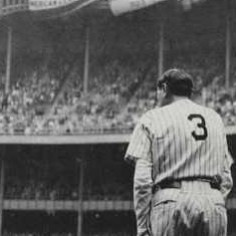
With the baseball season opening all around the country, we share a baseball photograph that won the Pulitzer Prize.
In a project on the African-American experience, reporter Shirley J. Scott wrote: 'As an adult Negro, you live in two worlds: the white world where you make your living; the black world where you make your friends.’
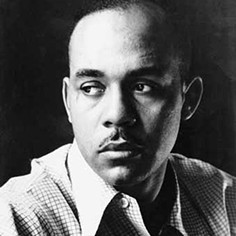
Ralph Ellison’s Invisible Man became a classic of American literature. While many critics recognized its quality when it came out in 1952, a Pulitzer Fiction juror went out of his way to trash the book.
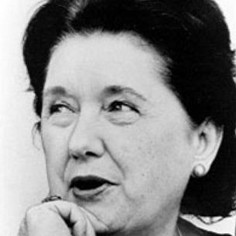
Hazel Brannon Smith’s views on civil rights evolved, and she paid a price for expressing them in her Mississippi weekly.
As arguments on marriage equality in Vermont gathered momentum, David Moats wrote a series of quiet, well-reasoned editorials that helped The Rutland Herald’s readers consider this issue.
After touching a nerve, a columnist gives his critics another earful.
The former librarian of the Poynter Institute, a Pulitzer centennial partner, has created a vast online archive of Pulitzer Prize-winning work on Social Justice and Equality.