Finalist: Mary F. Calvert, freelance photographer
Nominated Work
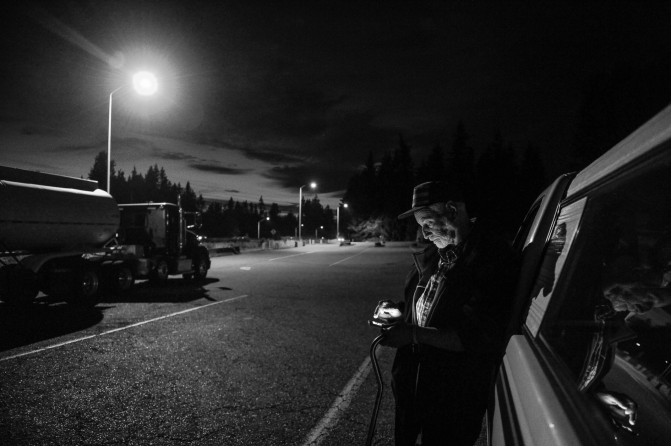
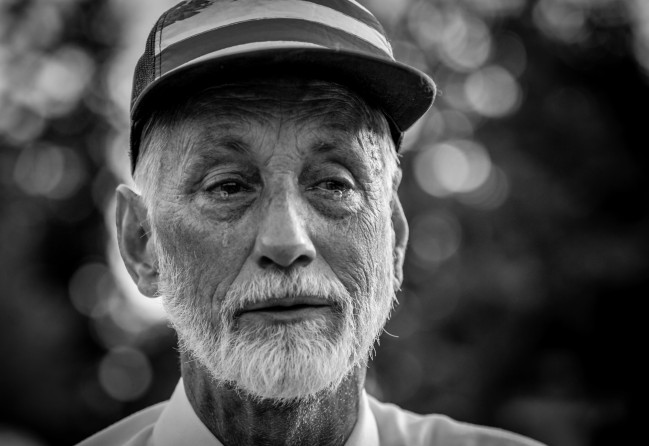
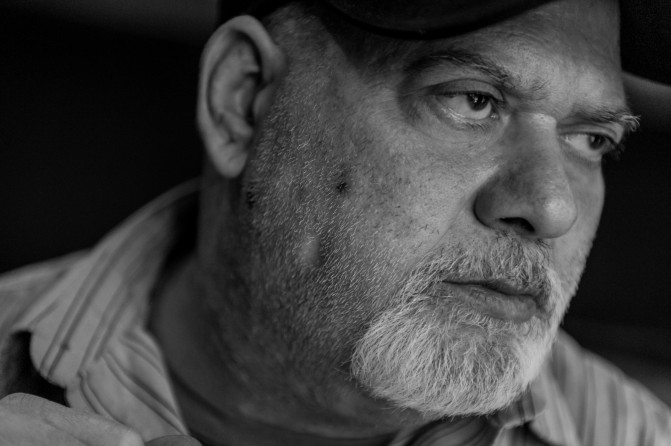
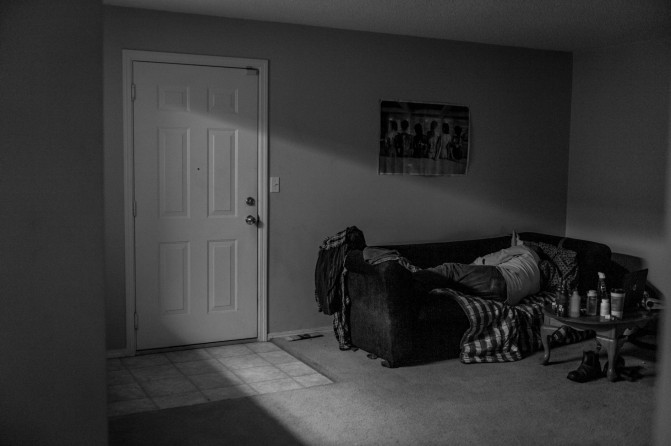
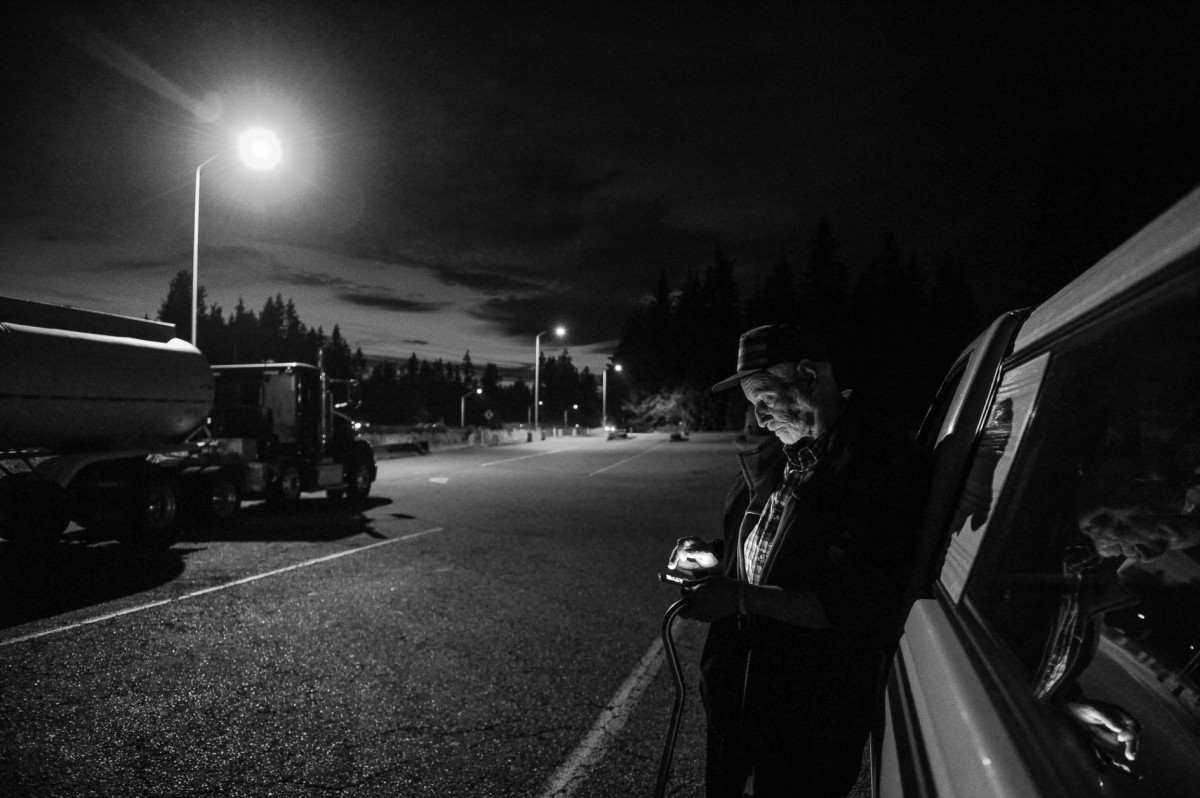
Jack Williams, 71, spends the night at a highway rest stop in Everett, WA. He hasn’t had a decent nights rest in over 50 years. “If you report this, no one will believe you,” an Air Force drill sergeant told Jack Williams in boot camp, back in 1966. It was 2 a.m. in the sergeant’s office, Mr. Williams recalled. The sergeant had just choked Mr. Williams, who was 18, until he passed out, he said, and then had raped him over a desk while dozens of other recruits slept in the next room. He reported the rape immediately but was threatened by his command to be thrown out of the military for being a homosexual. The rapes left him with damaged kidneys and a torn rectum. “My PTSD has been so bad for all these years. … All those years I have not been able to sleep in a normal way like normal people do. I have to carry extra clothes with me because I soil myself… I feel that the government should have to bear the expense of repairing me even though I am old.” (December 31, 2019)
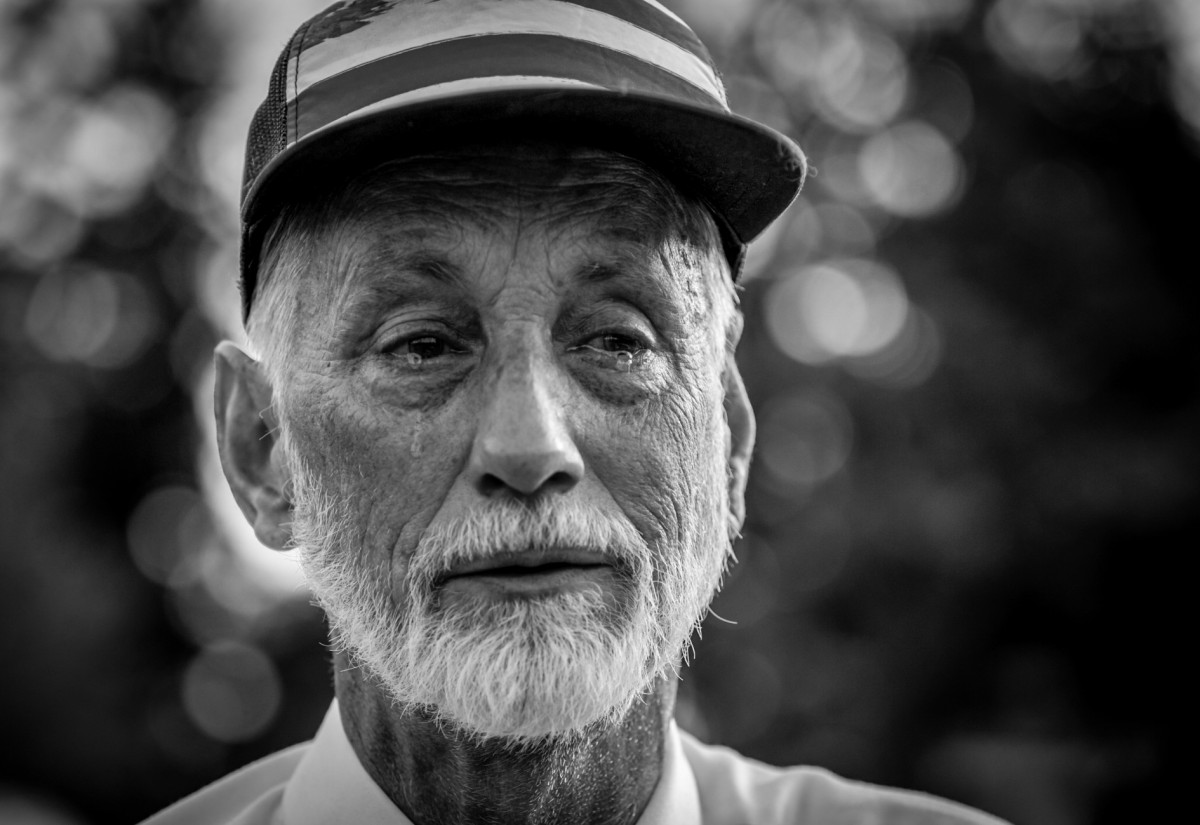
When Jack Williams, 71, was repeatedly raped by his Air Force drill sergeant, the military had no response and prevention program, as it does today, and there were no protections for troops who reported assaults. Homosexuality was not just forbidden in the ranks, it was seen as a national security threat. “If you came forward and said you were raped, people would have thought you were a queer or a child molester — you were treated like it was your fault,” said Mr. Williams, who now lives in Everett, Wash. "People say, well how could you admit such a thing back in 1966? Because I knew this had to have been happening to other people. I couldn't un-ring the bell of what had happened to me but I knew this assistant drill instructor and probably others were doing this to other people,” he said. The injuries to his back, neck and prostate plague him to this day. (December 31, 2019)
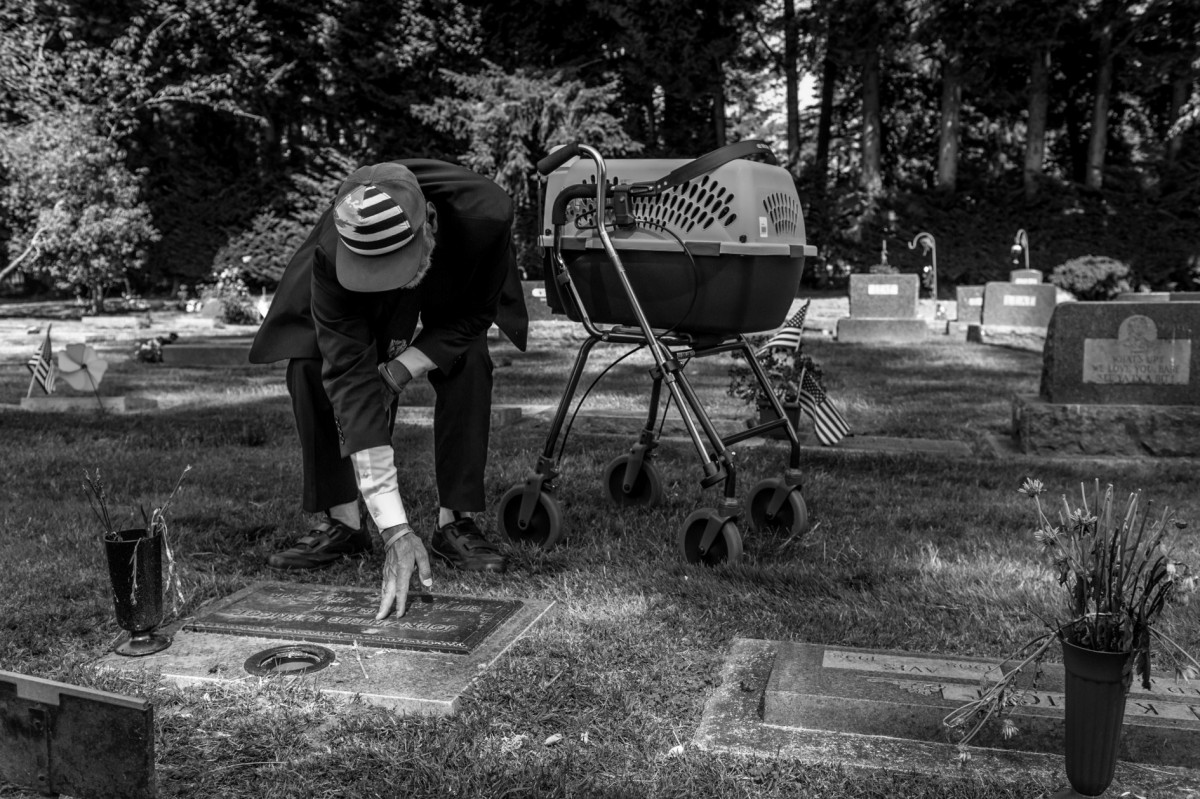
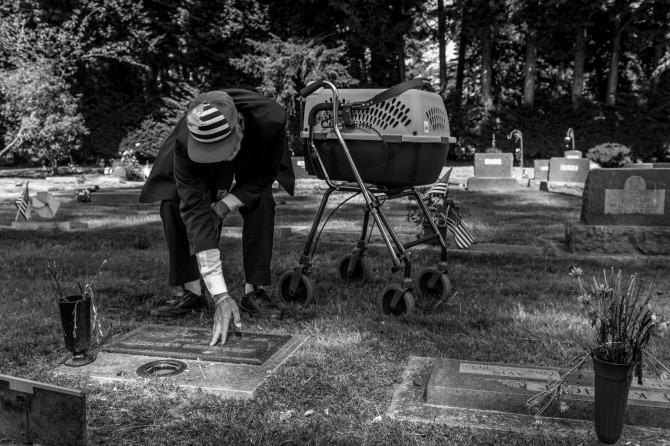
Jack Williams visits the grave of a fellow veteran, with his service dog, “Little Buddy,” in a carrier. Today, veterans like Mr. Williams are coming forward in growing numbers to demand that the Department of Veterans Affairs provide treatment and compensation for the harm done to them. Some 61,000 veterans, including Mr. Williams, are now formally recognized by the department as having been sexually traumatized during their service, and the number of claims filed each year has surged by 70 percent since 2010. A monthly check is poor compensation, though, for decades spent in limbo. “I had a future, I wanted to serve my country, and I was good at what I did,” Mr. Williams said. “That was all taken away from me.” (September 10, 2019)
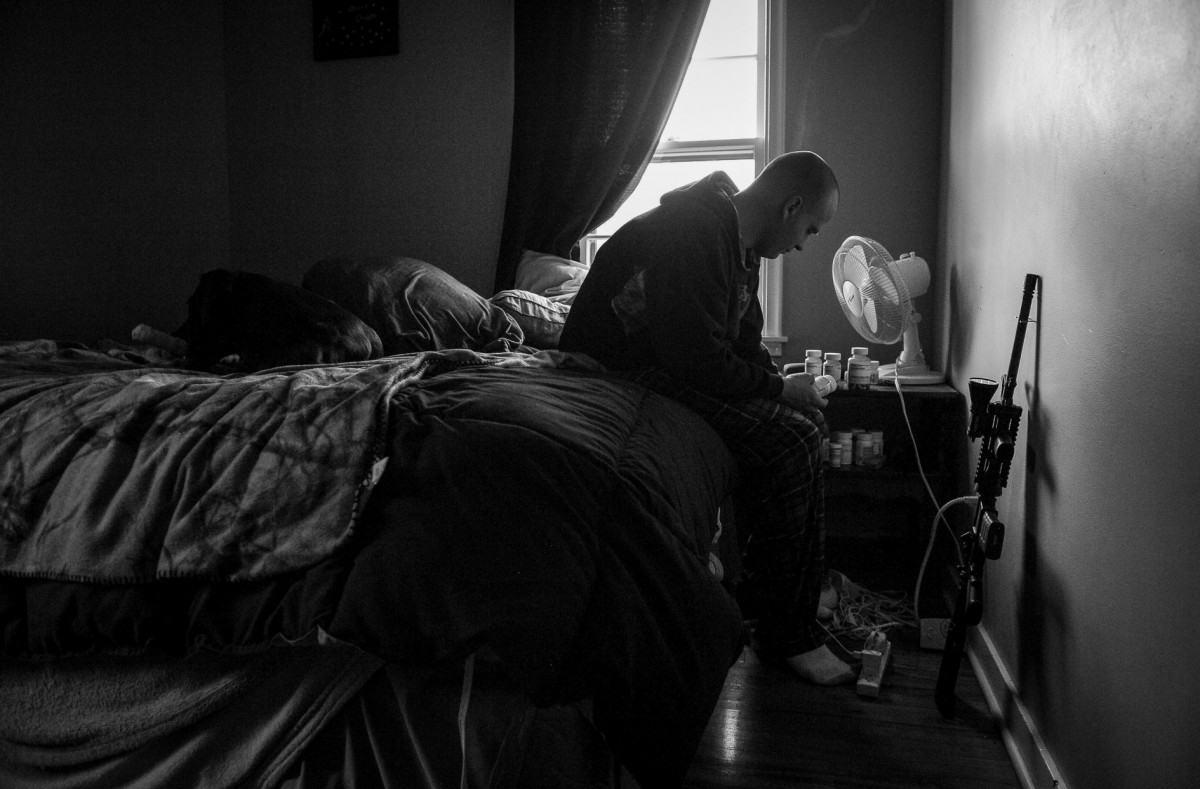
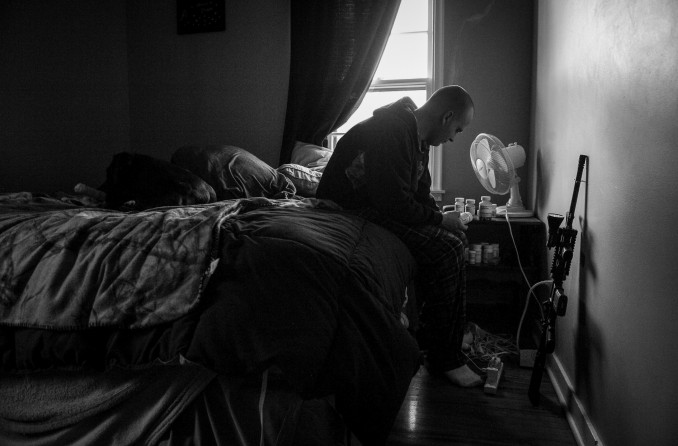
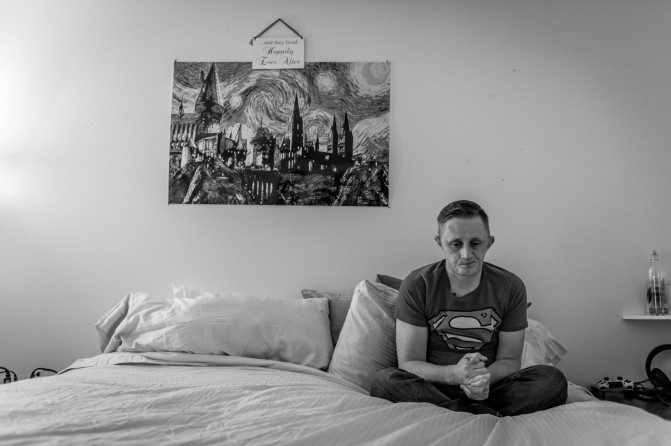
Unable to work and on a cocktail of drugs prescribed by doctors from the Department of Veterans Affairs, Ethan Hanson sleeps with several weapons next to the bed that he shares with his wife in Austin, MN. Mr. Hanson was one of a group of Marine recruits who were sexually assaulted in the showers during boot camp at Camp Pendleton, Calif. Like many of the sexual assaults on servicemen, it was a hazing exercise, meant to humiliate and intimidate young troops. It happened to Mr. Hanson after an exhausting morning running the obstacle course. The platoon was showering when a drill instructor marched into the steamy room, angry that he had heard talking. He ordered the 60 naked recruits to pack themselves into a tight line against the wall, genitals pressed up against backsides. After holding them in that position for several minutes, he ordered them to run to the other side of the room and line up again, then back to the first side. “It was back and forth for more than an hour,” Mr. Hanson said. He joined a handful of recruits who reported the incident and the drill instructor was removed five days later. After that, the men were harassed and retaliated against by their colleagues. Hanson's nightmares and panic attacks began immediately and he found himself too traumatized to do his job and eventually separated from the Marine Corps. (September 10, 2019)
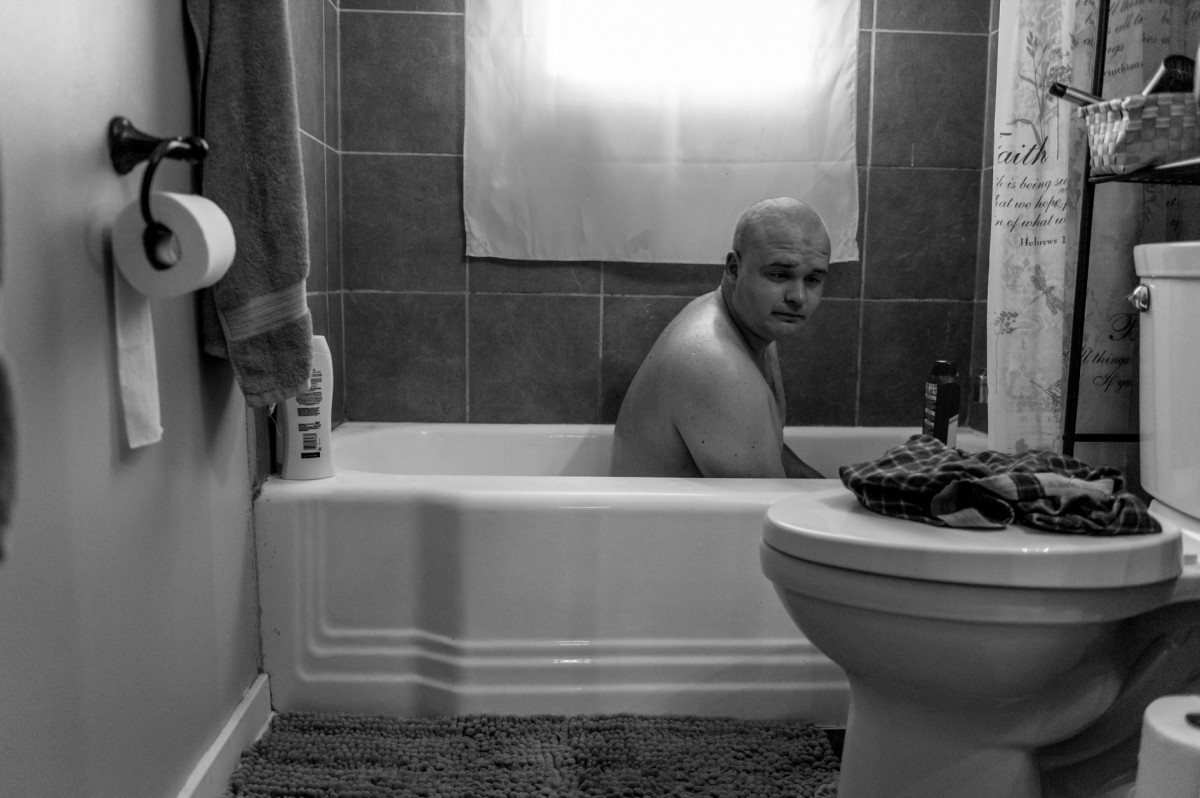
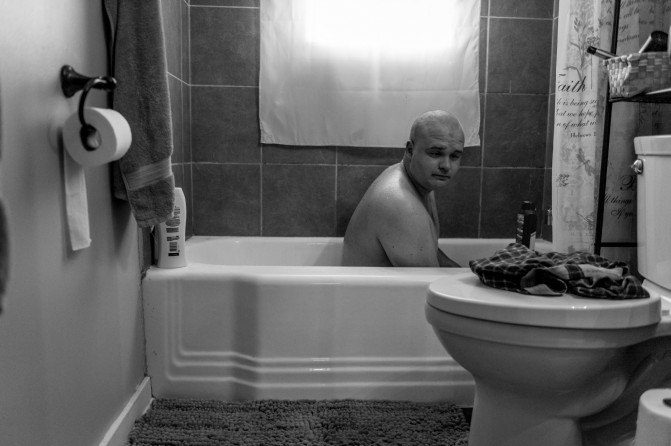
Ethan Hanson has avoided taking showers since he left the U.S. Marine Corps in 2014. Instead, he runs an inch and a half of warm water in a bathtub, and then rinses quickly with a plastic cup, with each splash evoking a painful moan. “Well, prior to this incident, I would take showers, said Mr. Hanson. I found them to be most efficient. When I do come into contact with steam, hot water anything that makes my skin slippery, it's back to being in that shower again. I'm feeling my genitals on other people, which honestly makes me want to vomit up every bit of bile I have, feeling other people's genitals on myself. I don't blame those who had their genitals on me. In fact, I love those guys because they went through such a hard time with me,” he said. (December 31, 2019)
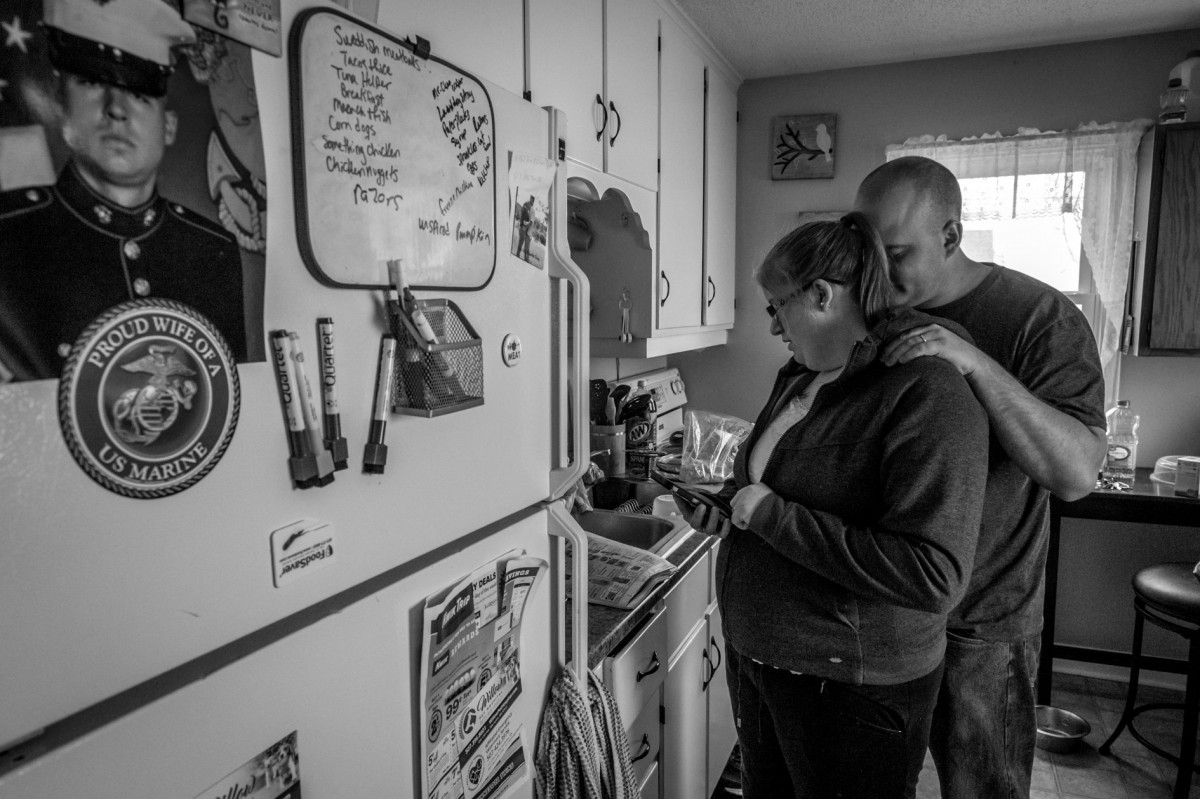
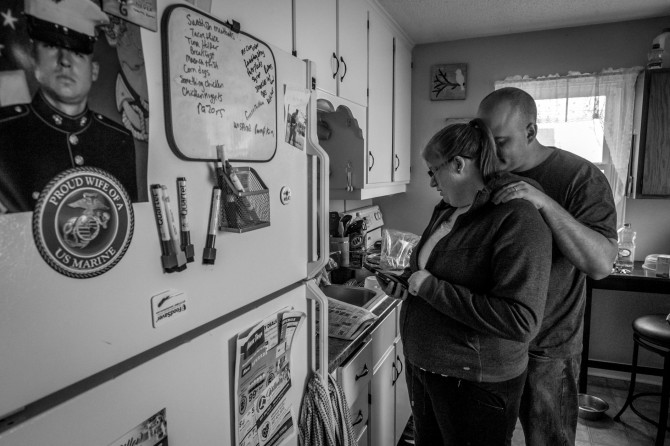
Katie Hanson is hugged by her husband Ethan in the kitchen of their home in Austin, MN. His official U.S. Marine Corps photograph hangs on the refrigerator. “When he came home, we didn't really know what to expect. And we were happy he was home and I think in a way he was too, she said. We waited and waited for him to come home. Just like you wait for anything, you, you build it up in your mind and he comes home. So we were happy. He was home. But at the same time, you knew there was a long road ahead of you and so did he. He felt out of place and not sure what to do and everything was just not normal for him. Oh, it seems such a long time ago. As time went on you adjusted to the person he is now. I mean there's glimpses of him now and then, you know, his personality. As far as I know, he is a different person. I don't know if he lost the happiness or joy for life."
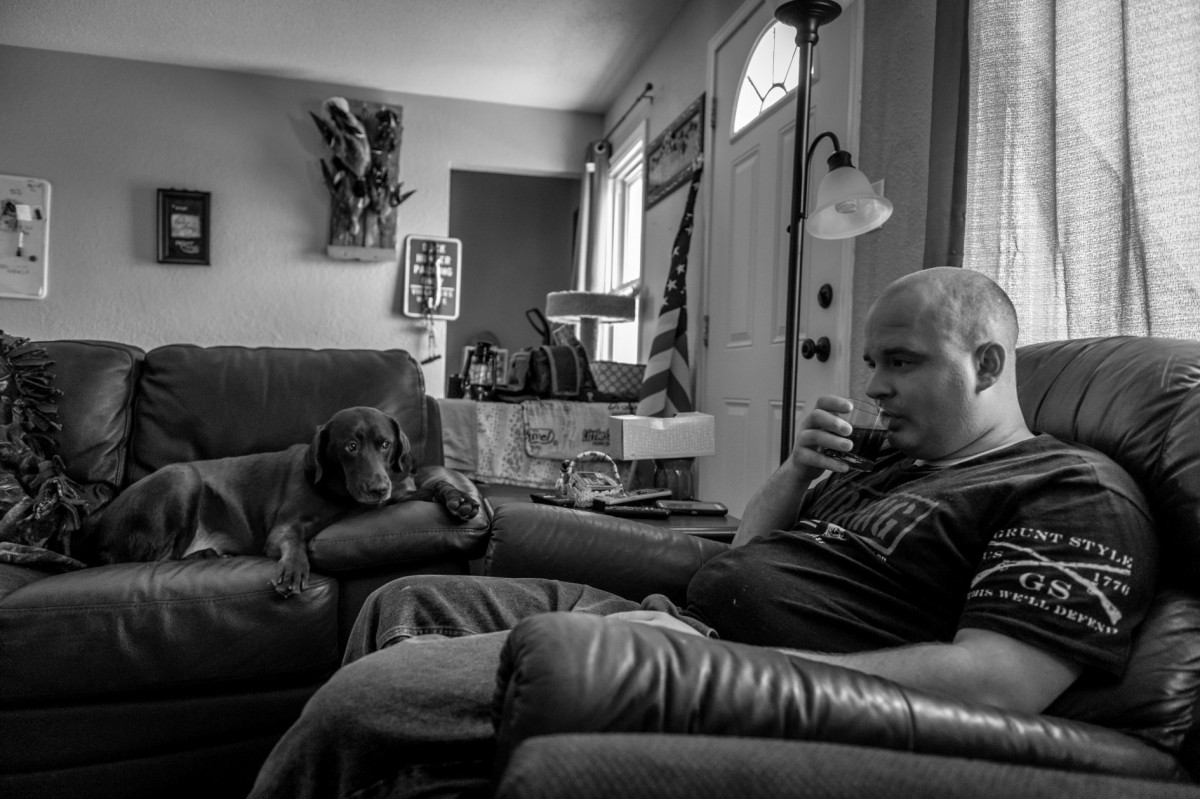
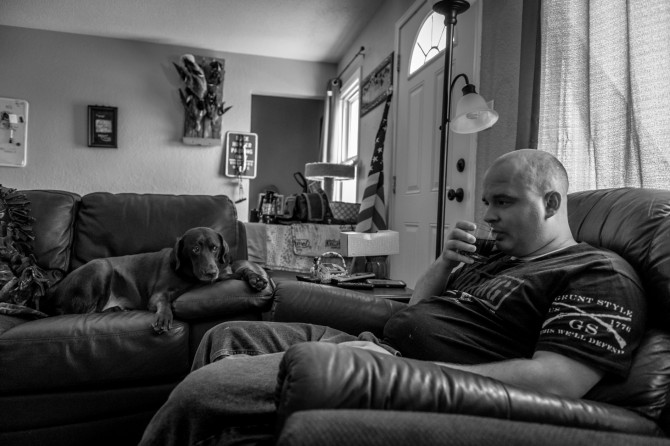
Under the watchful eye of his service dog, former U.S. Marine Ethan Hanson spends his day drinking whiskey and watching television at home in Austin, MN. He is left to confront not just the trauma of what happened to him in the U.S. Marine Corps, but the shame of being rejected by the organization he had dreamed of joining and the disillusionment of being betrayed by the brotherhood he had committed to serve. Mr. Hanson bounced around to a few jobs, but kept having panic attacks around water. He’s been to inpatient therapy twice, but found little relief and receives a small disability check from the Department of Veterans Affairs. “I don’t’ think there is moving on,” he said. “I have regular nightmares, hallucinations. I gave therapy my best effort, but it didn’t help.” (September 10, 2019)
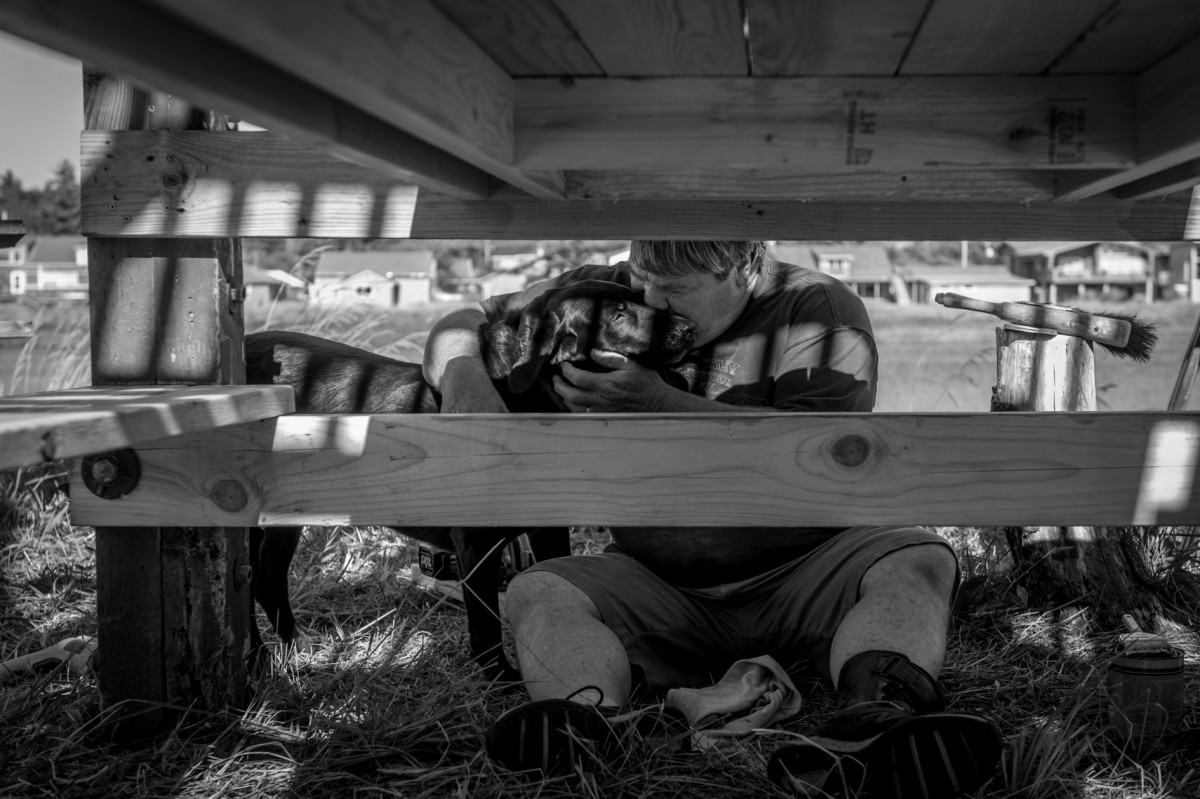
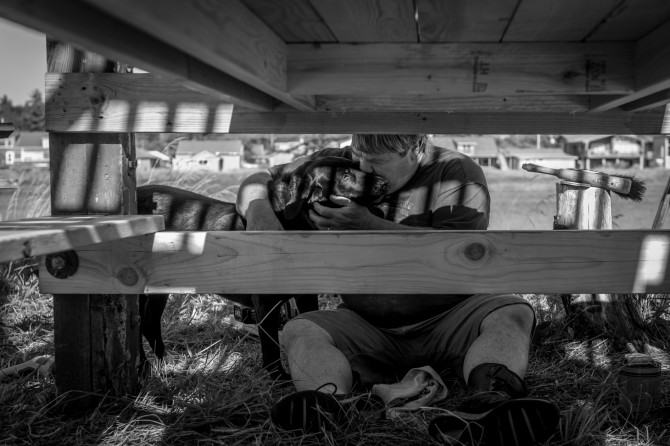
Bill Minnix, 64, takes a break from building a picnic table to embrace “Elsa,” his service dog in Pacific City, OR. A few weeks after he joined the U.S. Air Force in 1973, Minnix went AWOL after being raped four times. Military records show he was gone 27 days in all. Military sexual assault victims are required to report criminal behavior up the chain of command so Minnix was forced to report his repeated sexual assaults to one of his rapists. "One of the hardest things for me to attempt to sort out, or even a comprehended is when I had the courage to tell the Air Force at the brig that I had been sexually assaulted, I had to answer to my own rapists," he said. Six months later he was given an other-than-honorable discharge status from his military service. Minnix was too ashamed to tell his family why he was kicked out of the U.S. Air Force and they were too ashamed to ask. What would people at church say? What would the neighbors think? He didn’t speak a word to anyone about having been raped, he said — not for the next 40 years. His parents never spoke to him again. They died not knowing the truth. "These rapes really screwed me up for the longest time, said Bill. I went into the Air Force one person and came out a different person. I feel that my manhood was taken away. It affected my marriages, my relationships. It affected my friendships, I couldn't keep a friend. But I didn't realize during all these years that it was because of my rapes and in 2013, I remember taking my car to a cliff and I wanted to end it.” (September 10, 2019)
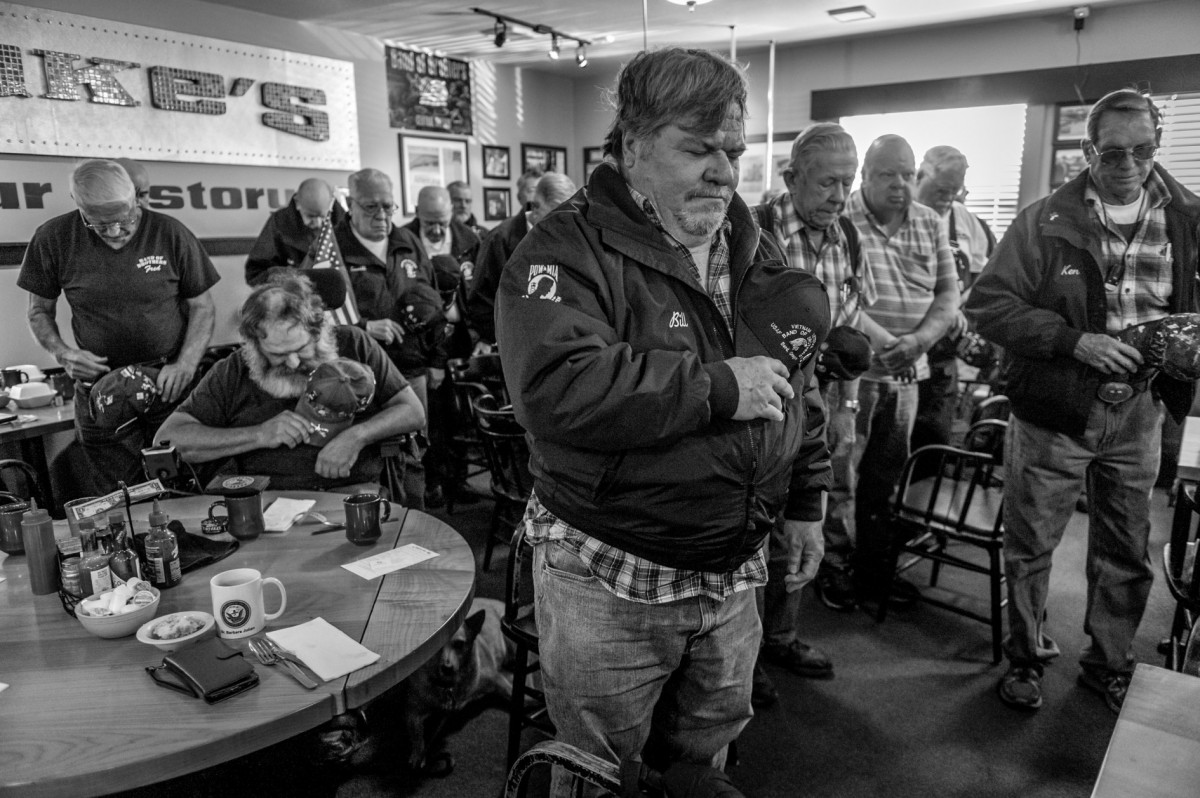
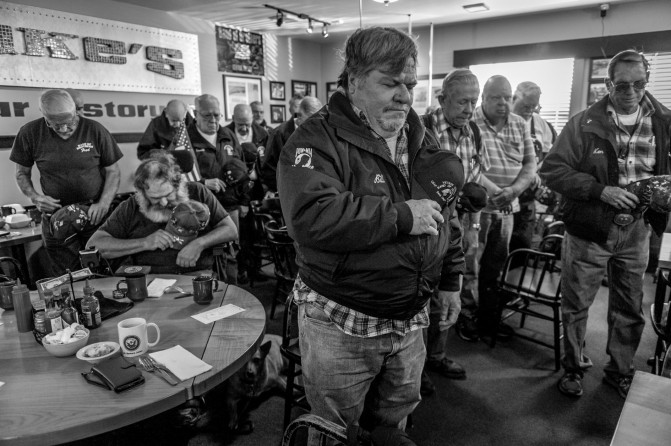
Bill Minnix stands with fellow veterans and recites the Pledge of Allegiance before brunch and after participating in the Veterans Day Parade. He spent most of his adult life in what he calls “a black box,” shut off from the world by anger and shame. He burned through jobs and two marriages, drinking to numb his own loathing. For decades he did not feel worthy to even call himself a veteran. In recent years, through counseling provided by the Department of Veterans Affairs, Mr. Minnix has been able to come to terms with what happened. (September 10, 2019)
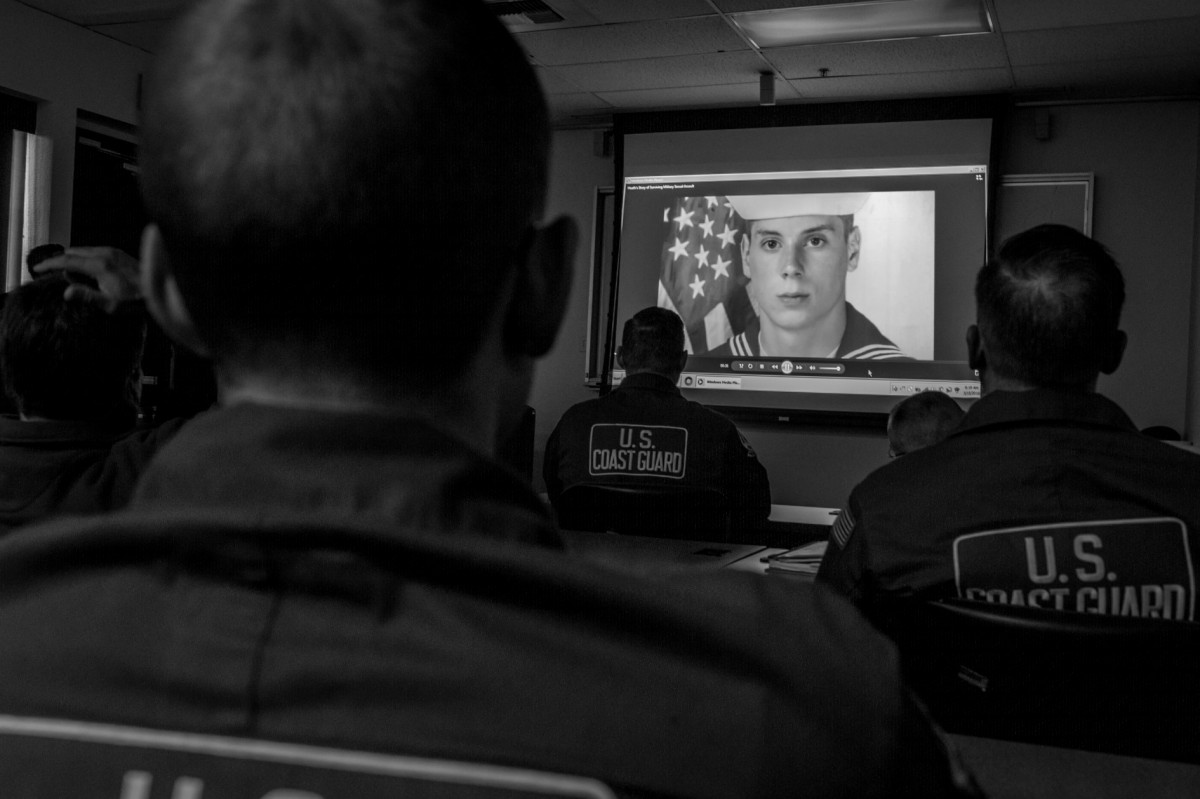
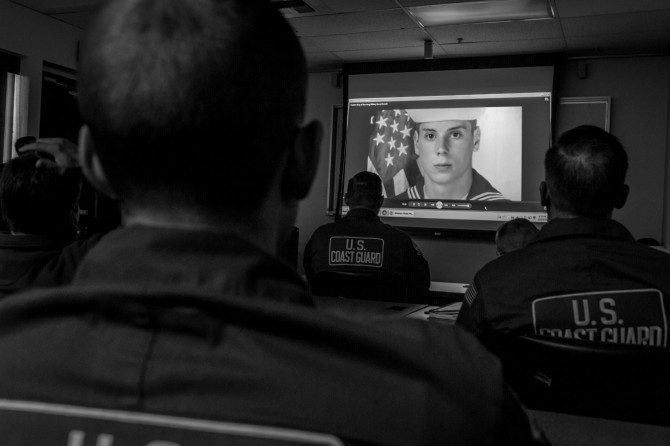
A video about Heath Phillips, 48, and the sexual assaults he endured while serving in the U.S. Navy was shown to troops at a U.S. Coast Guard station in Novato, Calif., in 2018. Mr. Phillips appeared at the base as part of the Coast Guard’s Sexual Assault Prevention, Response and Recovery Program. Phillips was a skinny, baby-faced, 17-year-old in the U.S. Navy when he was terrorized and sexually assaulted by fellow sailors on his ship. “Were you drinking?” Mr. Phillips recalls him saying. “Do you know that you can get in trouble for underage drinking?” He was sent back to his bunk in the bowels of the ship where he slept just a few feet from the attackers. For months, he said, they beat and raped him repeatedly. When he could not withstand the assaults anymore, he tried to hang himself and then went AWOL to avoid shipping out with his assailants. He was so desperate to get out of the Navy he took a less than honorable discharge. (September 10, 2019)
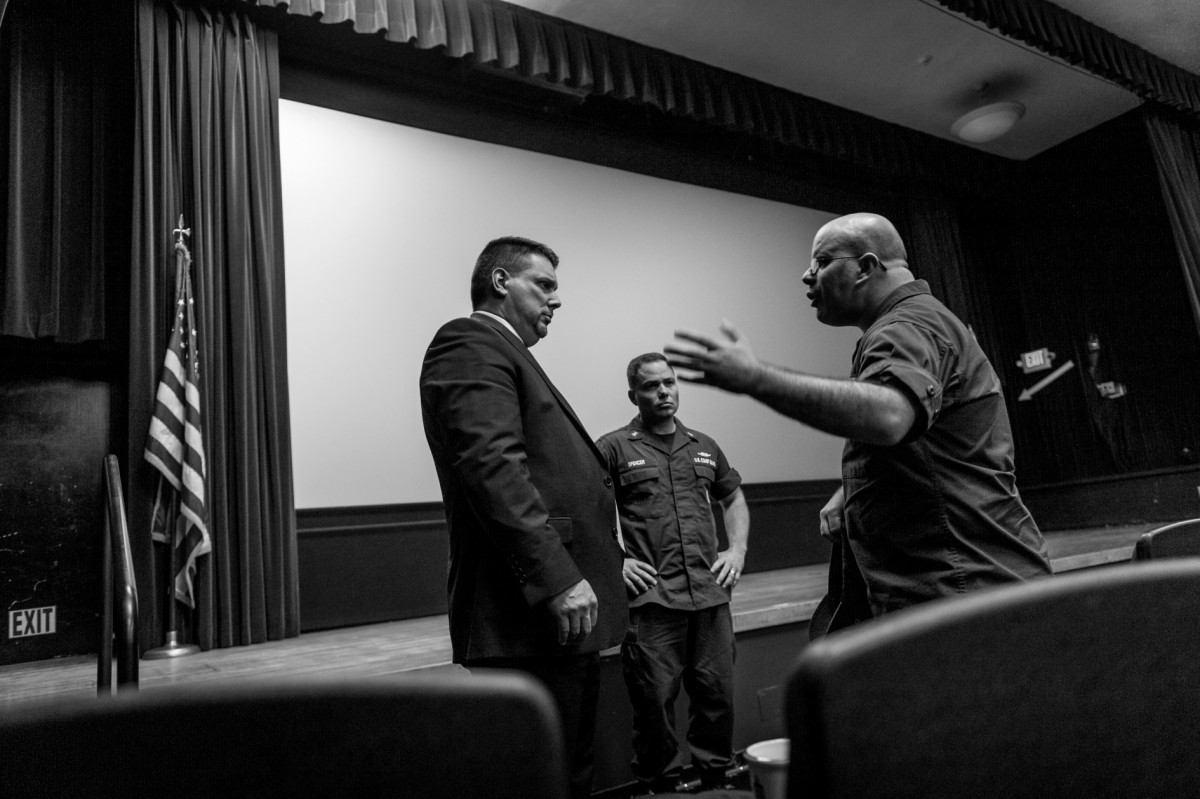
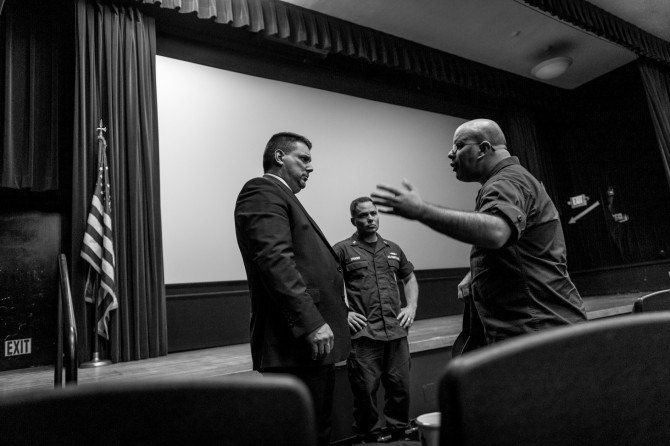
After speaking to troops at U.S. Coast Guard Training Center Petaluma about his sexual assaults in the U.S. Navy, Heath Phillips listens to a Coast Guardsman who revealed his own experience of military sexual trauma. Phillips received counseling in 2009, became a vocal member of advocacy groups and met with lawmakers. A congressional investigation supported his account. And he started telling his story at military bases — something that petrified him at first, but that he now sees as a vital part of healing. “I got my military career cut short, and that’s not right,” he said after addressing the soldiers at Fort Hood. “But I still love the military. By speaking out, I am serving in a different way.” Heath received some good news in May 2019. After filing four different claims with the Department of Veterans Affairs, his military discharge was upgraded to “honorable.” (September 10, 2019)
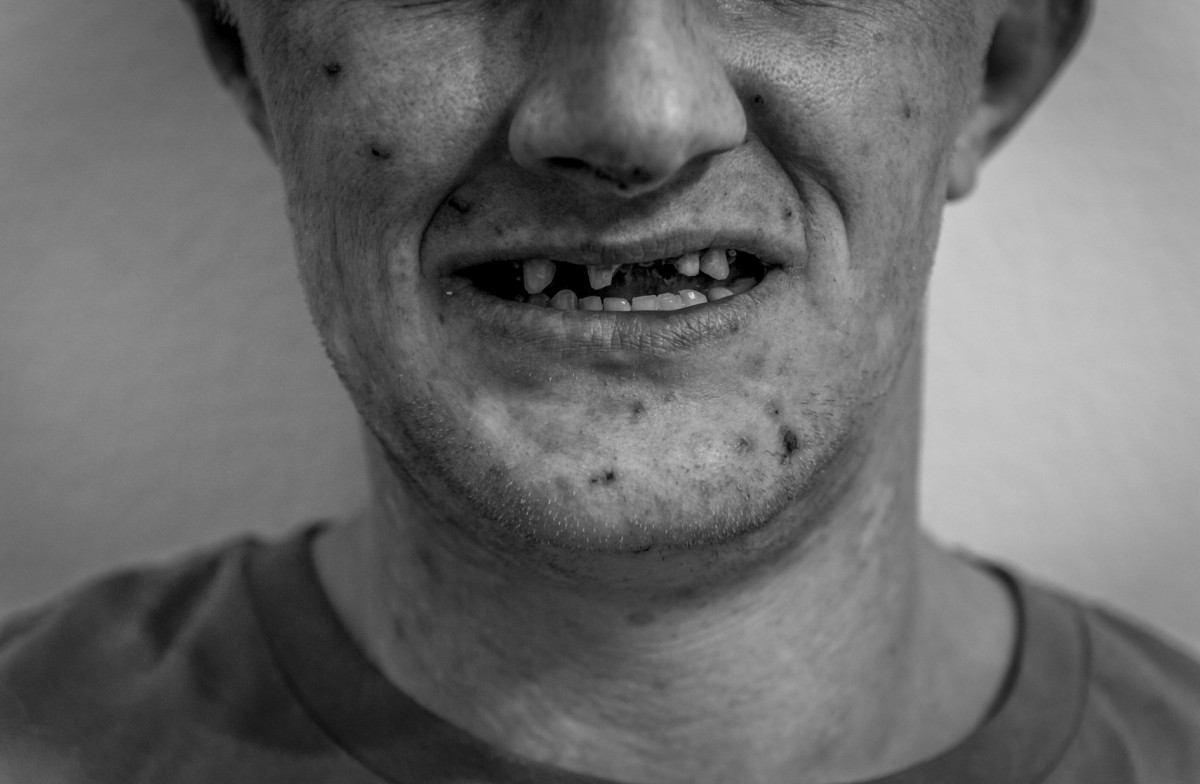
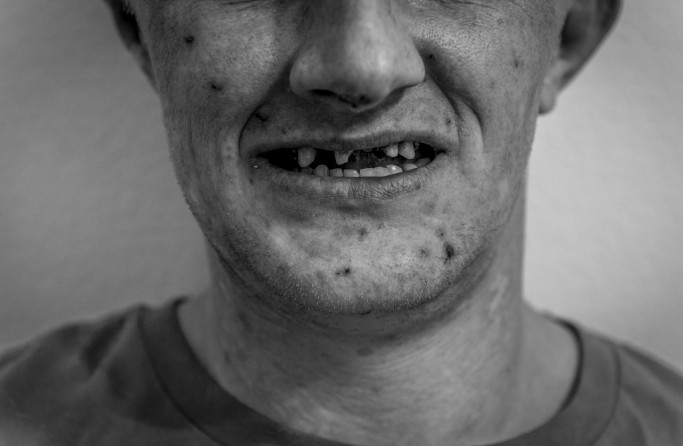
Paul Lloyd, 30, joined the Army National Guard at 17. When he was raped in the shower one night after everyone else had gone to bed, he told no one. He spent fourteen days in the hospital with internal bleeding and a torn rectum. When doctors asked him what had happened, Mr. Lloyd said he simply shrugged. “I felt like I couldn’t say anything,” he said. “I would look like a total failure — to my family, to my platoon, to myself.” It took him five years to tell his family what had happened. Lloyd has trouble sleeping and grinds his teeth at night. "Since the attack, I have not sought regular dental care. Not just because of financial hardship. It is difficult to have someone in my personal space hovering over me. Especially if I am going to be under anesthesia. I have had many dental issues that I have resolved myself, usually by extracting my own teeth," he says. (September 10, 2019)
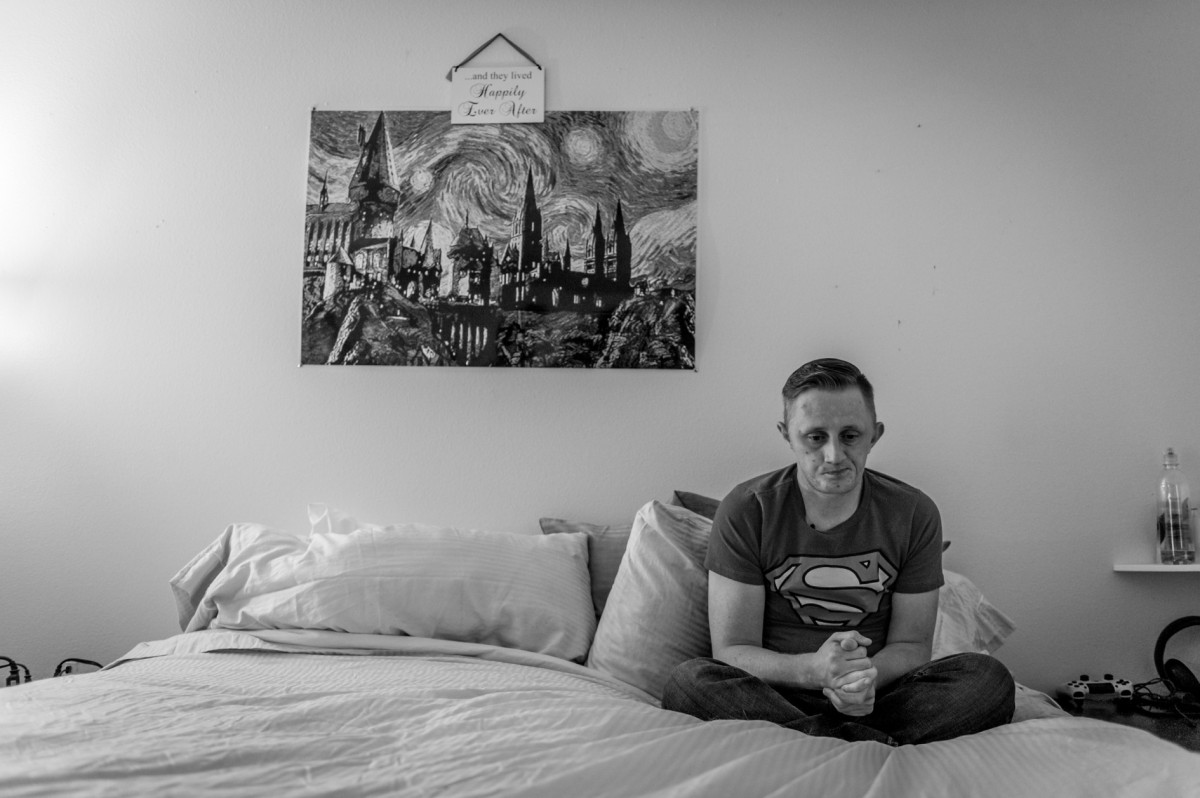
During the years when Paul Lloyd, 30, was in the Army, only 3 percent of male victims reported sexual assaults, according to Defense Department estimates. The percentage has increased nearly six fold since then, but the vast majority of men who are sexually assaulted still never report it. A few months after his assault, Lloyd was given a general discharge from the U.S. Army and went home to Salt Lake City. He didn’t tell anyone what had happened to him and his family wondered why he stopped going to church, fell into drinking and struggled to hold a job. He questioned his own sexuality. “I didn't enlist to get raped, he said. I enlisted to protect my country and the people that were supposed to be protecting me were the ones that betrayed me, but regardless of what happened, I'd do it all over again.” “I think the hardest thing in the whole situation was telling my parents what had happened because they were cautious about me enlisting. But when I told them what happened, my parents looked at me and my dad said, ‘It all makes sense. Everything that happened in the last 10 years, we just couldn't figure out what or why it was happening.’ (September 10, 2019)
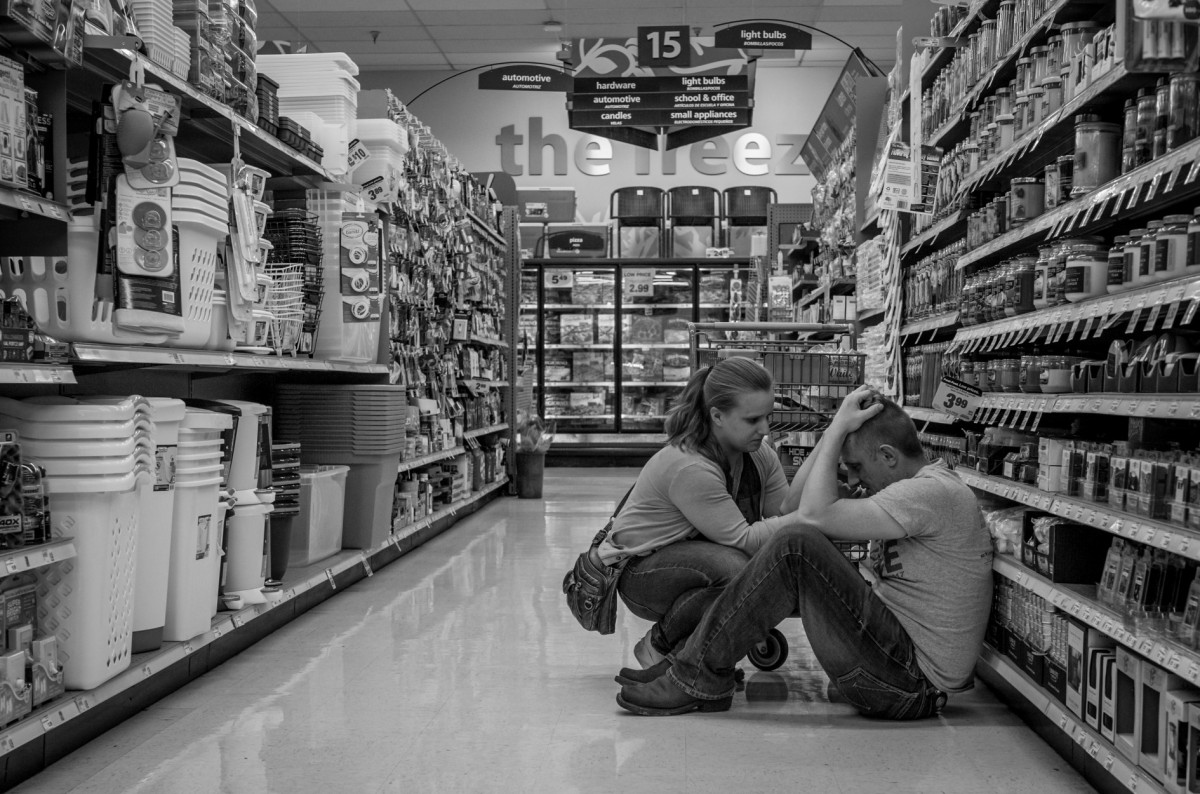
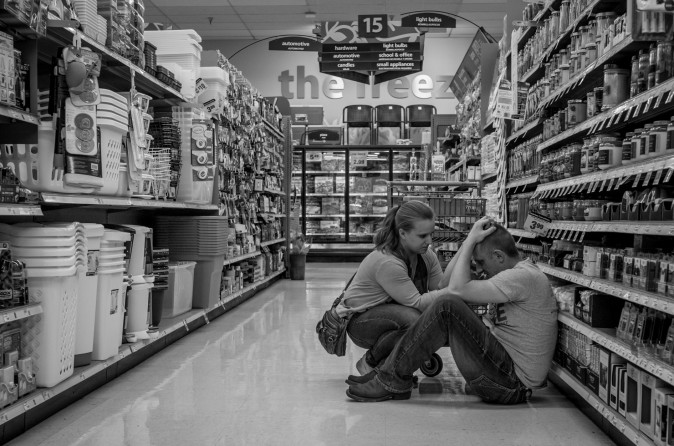
Rachel Lloyd comforts her husband Paul after he had a flashback. He was pushing a cart through the supermarket near his home in Salt Lake City, looking for light bulbs, when he stopped to sniff a variety of scented candles on a nearby shelf. Suddenly his hands were over his face, and he sank to the floor, sobbing. One candle smelled just like the shampoo he had been using in the shower at Army basic training in 2007, when he was beaten and raped by another recruit. “We were at the store. I was looking at some stuff and started smelling some candles and found a candle that triggered me back into a flashback. It's similar to the scent of the shampoo I was using at the time of the assault. When it happens, you're back there; you're back in that little three by three square shower, cold tile and hot water and cold water running down. You feel psychologically, not just physiologically, your mind goes back to the pain at the time of the assault being thrown up against the wall multiple times, being forced to do things, forced having your jaw open. It's hell, and there's no escape from it,” he said. (December 31, 2019)
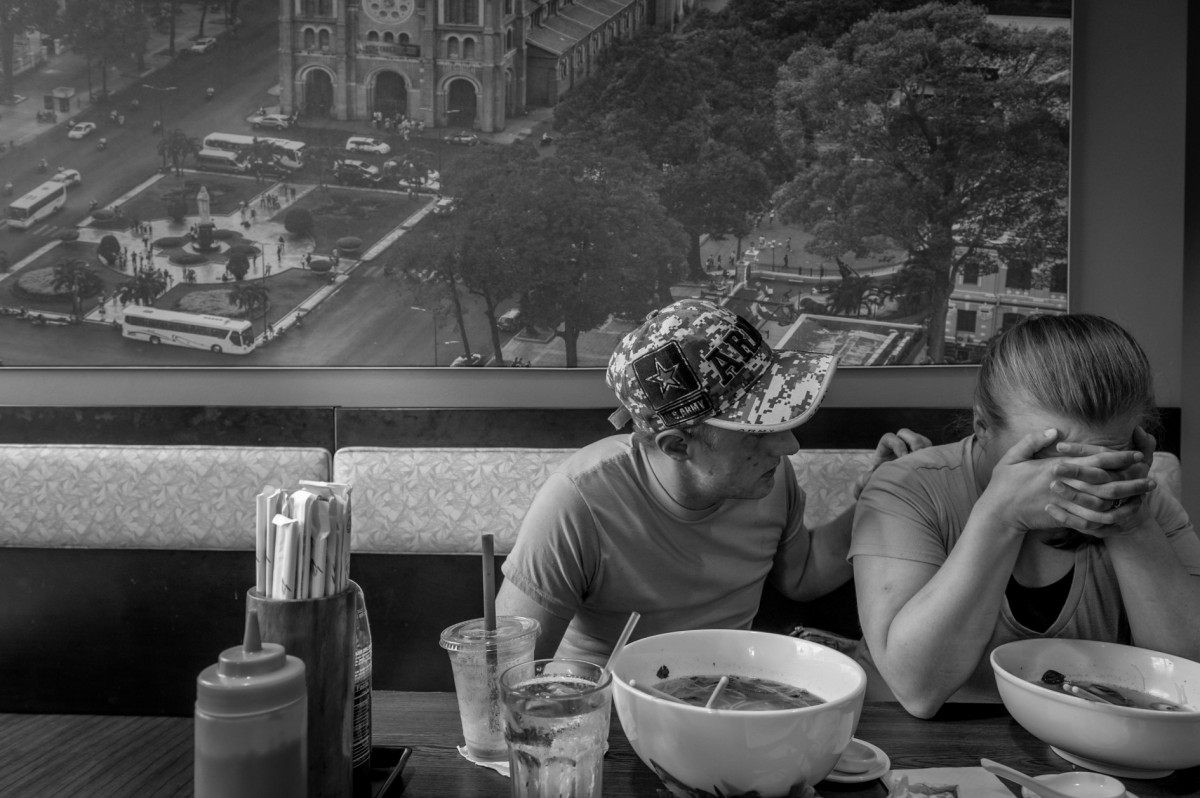
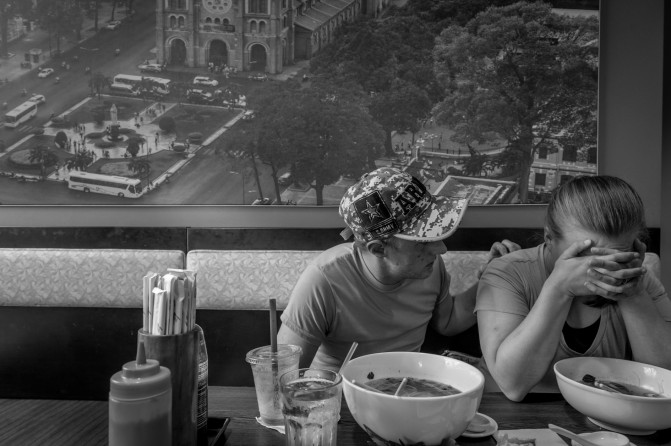
Paul Lloyd comforts his wife Rachel while out at dinner in Salt Lake City, UT. They were evicted from their home after Paul called the health department on the apartment complex management for what he felt were unsafe conditions at their building. The effects of Military Sexual Trauma include depression, substance abuse, paranoia, hyper-vigilance and feelings of isolation. (September 10, 2019)
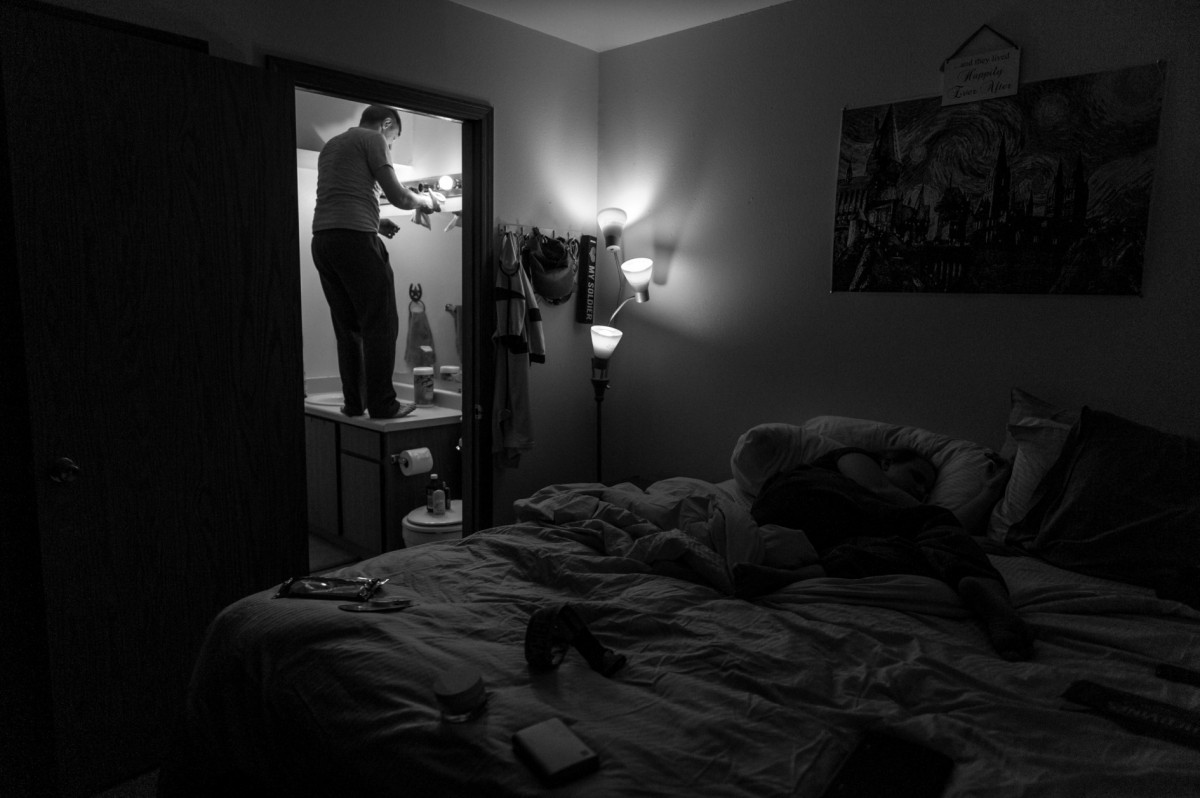
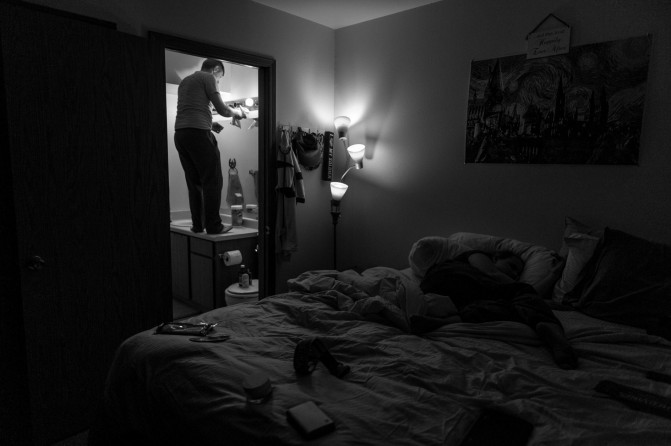
Paul Lloyd stays up late cleaning the bathroom to forestall nightmares, after having a flashback of being raped. "The flashbacks keep me from sleeping and so I clean, I over clean, he said. I’m obsessed because I have to get my mind off of what had happened and I just completely zone out. An apartment normally takes a few days to clean. I can clean it in three hours because I just get so focused on something else because I'm afraid to sleep. Mainly because after I've had a big flashback, I have bad nightmares. And so the best way to deter that is just not sleep. I think the worst I've ever gotten is four days without sleeping. I just obsess, it's something that I have complete control over when I clean and that's why I do it. And so if it helps my wife out it helps us out," he added. (December 31, 2019)
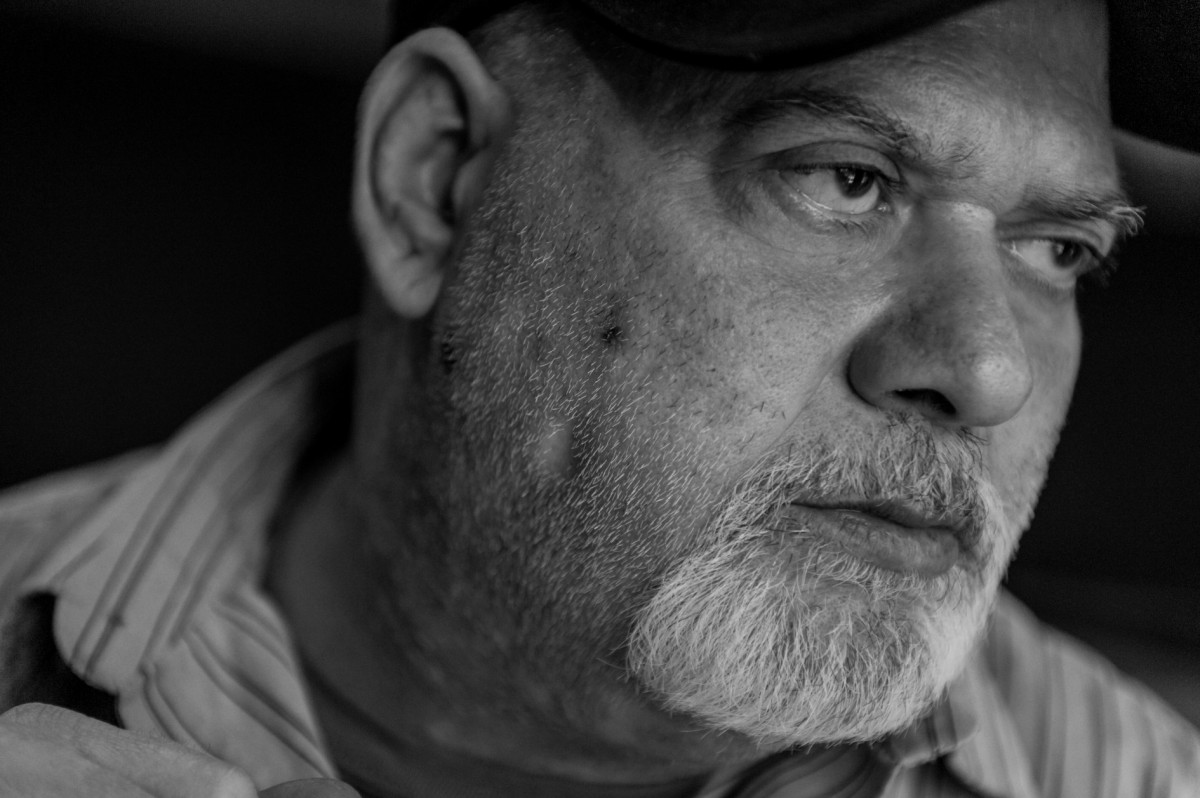
Billy Joe Capshaw was 17 years old when he joined the U.S. Army to help support his family in Hot Springs, AR. His mother signed for him and he was shipped off to Germany where he spent the next 18 months being beaten, raped and tortured by his roommate — the notorious serial killer Jeffrey Dahmer, who after his discharge committed at least 17 murders, dismembering and in some cases eating the victims. (Dahmer was killed in prison by another inmate in 1994.) Capshaw reported the abuse, but he says the Army did nothing to protect him. At one point he jumped out of a second-story window to get away from his rapist but was literally dragged back into the room by another soldier. Dahmer was eventually discharged for alcohol abuse. Soon after, Capshaw was given an honorable discharge and sent home, where he stayed in his room for five years. A thumbprint is still visible on his cheek after nearly 40 years, from Mr. Dahmer trying to muffle his screams with a clenched hand. The few years that Capshaw spent in the Army were the worst years of his life, he said, but to this day he wears an Army veteran baseball cap. He said it deflects unwanted questions from strangers about the marks on his face. “It explains the scars,” he said. “They don’t ask.” (December 31, 2019)
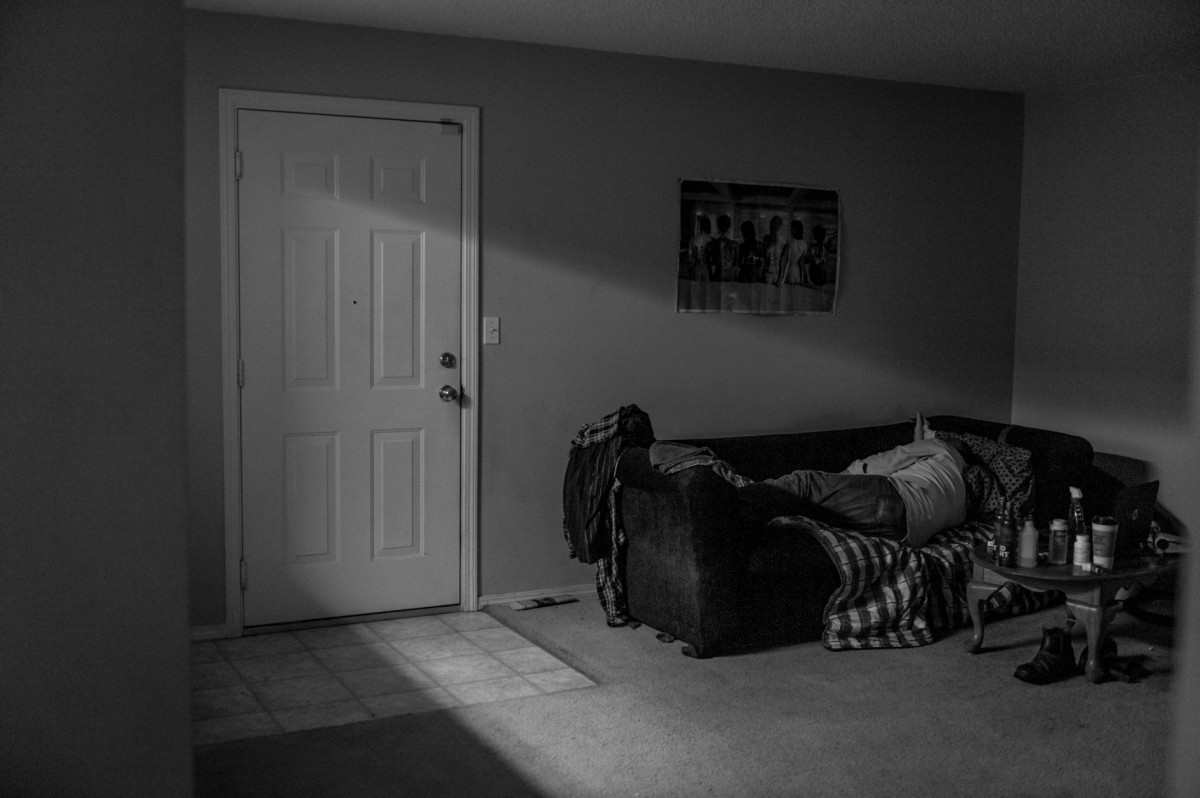
Every night, Billy Joe Capshaw sleeps on his living room couch with the kitchen light on. He says he cannot sleep in a dark room or in a bed because his Army roommate — the notorious serial killer Jeffrey Dahmer, raped him in a bed. Dahmer used vials of lorazepam and ketamine to sedate him, tied him down with motor-pool rope and beat him with a metal bar. “It developed into a Stockholm syndrome-type situation,” Mr. Capshaw said. “He totally controlled me. He didn’t let me leave the room. He would beat me and rape me. But we would also play chess; he would buy me books and suture up my wounds. I don’t know how to explain it.” (December 31, 2019)
Biography

Photojournalist Mary F. Calvert is committed to using photography to affect meaningful social change and is known for producing work on under-reported and neglected gender based, human rights issues. Calvert believes that journalists have a duty to shine a light into the deepest recesses of the human experience and provide a mirror for society to examine itself.
For the past six years Mary has been focusing her journalistic attention on the continually under-reported relegation and abuse of women and men in the U.S. Armed Forces. This work has been was awarded 2nd place, Contemporary Issues in the 2018 World Press Photo Contest and 1st Prize, Long Term Projects in the 2016 World Press Photo Contest. The latest chapter of the project, “Prisoners of War: Male-on-male Sexual Assault in America’s Military” was awarded the 2016 Getty Images Grant in Editorial Photography. Mary is a 2017-2018 John Simon Guggenheim Memorial Foundation Fellow in Photography.
“The Battle Within: Sexual Assault in America’s Military” was also awarded the 2018, 2015 and 2014 NPPA Cliff Edom New America Award and the 2013 Canon Female Photojournalist Award. The resulting work was featured in a solo exhibition at the 2014 Visa Pour L’Image, International Festival of Photojournalism in Perpignan, France and in 2016, was presented in evening projections at the same festival. In 2014 Calvert was the recipient of the Alexia Foundation Women’s Initiative Grant for her project “Missing in Action: Homeless Women Veterans,” and in 2015, she was awarded the W. Eugene Smith Memorial Fund Fellowship for her current project “Prisoners of War: Male-on-male Sexual Assault in America’s Military.”
She has won the Robert F. Kennedy Journalism Award twice and is a two-time Pulitzer Prize finalist in Feature Photography.