Finalist: Jerry Mitchell, Ilyssa Daly, Brian Howey and Nate Rosenfield of Mississippi Today and The New York Times
Nominated Work
Biography
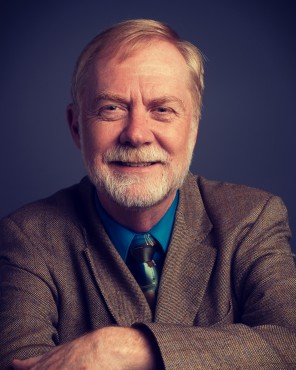
The stories of investigative reporter Jerry Mitchell have helped put four Klansmen and a serial killer behind bars. His stories have also helped free two people from death row, exposed injustices and corruption, prompting investigations and reforms as well as the firings of boards and officials. He is a Pulitzer Prize finalist, a longtime member of Investigative Reporters & Editors, and a winner of more than 30 other national awards, including a $500,000 MacArthur “genius” grant.
His memoir for Simon & Schuster, “Race Against Time,” details how some of the nation’s most notorious murders, including the 1963 assassination of Medgar Evers and the KKK’s 1964 slayings of three civil rights workers, came to be punished decades later. The New York Times made it an Editors’ Pick, and NPR selected it as a Best Book of the Year.
After working for three decades for the statewide Clarion-Ledger, Mitchell left in 2019 and founded the Mississippi Center for Investigative Reporting, a nonprofit that exposes injustices and raises up the next generation of investigative reporters. The stories of MCIR have already led to two separate Justice Department investigations.
Since summer 2022, the nonprofit, now a part of Mississippi Today, has been working on a project with The New York Times. A team of young investigative reporters, Ilyssa Daly, Brian Howey and Nate Rosenfield, have worked with Mitchell on a series that exposed the lack of accountability for sheriffs, who rule like kings in rural Mississippi. The reporting revealed allegations of sheriffs raping women in their custody, beating people they arrested or jailed, and using grand juries to spy on people for personal reasons. The reporting exposed a 20-year reign of terror by Rankin County’s “Goon Squad,” which raided homes without warrants, accused people of drug dealing, handcuffed or held them at gunpoint, and tortured them into confessing or providing information. After the Goon Squad story ran, Justice Department lawyers arrived in Mississippi to interview victims. Some lawmakers are now pushing to change the laws to make sheriffs more accountable.
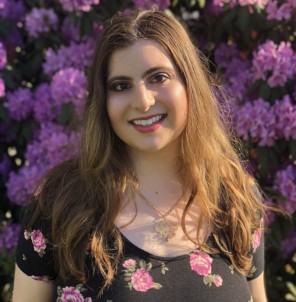
Ilyssa Daly is an investigative reporter. In the summer of 2022, she began working for the Mississippi Center for Investigative Reporting, and in January 2023, she became an inaugural fellow for The New York Times' Local Investigative Fellowship program. She is a 2022 graduate of the Columbia University Graduate School of Journalism, where she specialized in investigative reporting at the Toni Stabile Center for Investigative Journalism. At Columbia, Ilyssa received honors from the Stabile Center and won the Fred M. Hechinger Journalism Education Award for her reporting on HIV preventative peer education programs in prisons throughout New York. She got her start in investigative journalism at Sarah Lawrence College, where she began leading investigations into 20+ year-old possible cases of wrongful conviction. There, she was a recipient of The Lori Hertzberg Prize for Creativity for her investigative work.
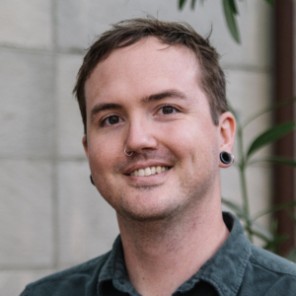
Brian Howey is an award-winning investigative reporter at the Mississippi Center of Investigative Reporting at Mississippi Today, where he is working with The New York Times on a series on the abuse of power by sheriffs across Mississippi. His stories have appeared in The New York Times, The Washington Post and the Los Angeles Times. His stories have also appeared in WIRED magazine. He earned his master’s degree at the UC Berkeley Graduate School of Journalism and has worked as a freelancer covering everything from policing to wedgefish.
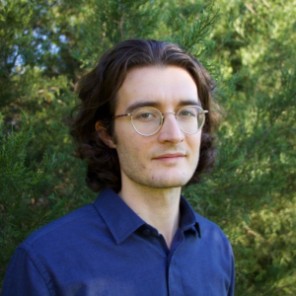
Nate Rosenfield is an investigative reporter at the Mississippi Center of Investigative Reporting at Mississippi Today, where he is working with The New York Times on a series on the abuse of power by sheriffs across Mississippi. A 2023 graduate of the Columbia University Graduate School of Journalism, he was a Stabile Investigative Fellow at Columbia Journalism School, where he completed an investigation into the impacts of heat illness on outdoor workers, which was published by the Guardian and Grist. He is the recipient of the Brown Institute’s Magic Grant for his project Commons, a tool he and a team of data journalists are designing for investigative reporters that uses AI to analyze public comments on proposed federal regulations.