In 1996, the American Academy of Poets launched its annual monthlong celebration of poetry across the United States. Now in its 25th year, National Poetry Month brings together readers, writers, students and more in widespread appreciation of verse.
As the country emerges from a long winter, many with greater appreciation of nature's simple pleasures after more than a year battling the COVID-19 pandemic, look through nourishing imagery of spring captured by Pulitzer Prize-winning poets through the years.
1. Mary Oliver
In the aptly titled poem "Spring," Oliver, who was awarded the 1984 Poetry Prize for "American Primitive," writes of a serpent finding its was out a cave post hibernation:
Well, who doesn't want the sun after the long winter?
I step aside,
he feels the air with his tongue,
around the bones of his body he moves like oil
Read the full text at the Poetry Foundation website, here.
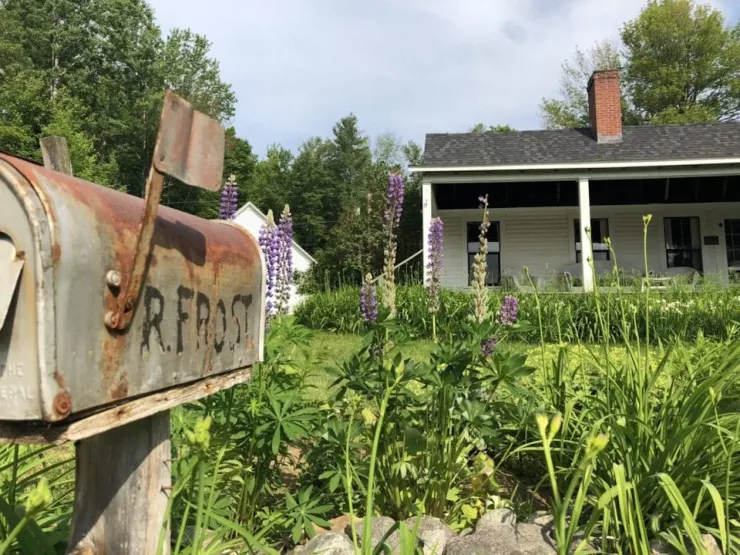
2. Robert Frost
"A Prayer for Spring" was included in his 1930 "Collected Poems," one of the four volumes that garnered Frost Pulitzer Prizes. But the title poem speaks to the hope of this time of renewal. It opens:
Oh, give us pleasure in the flowers to-day;
And give us not to think so far away
As the uncertain harvest; keep us here
All simply in the springing of the year.
Read the full poem at Poets.org, here.
3. Theodore Roethke
Roethke won the 1954 Poetry Prize for "The Waking." In "Vernal Sentiment," Roethke expresses comfort and joy at the welcome sight of spring's return. It begins:
Though the crocuses poke up their heads in the usual places,
The frog scum appear on the pond with the same froth of green,
And boys moon at girls with last year's fatuous faces,
I never am bored, however familiar the scene.
Read the full poem via The Writer's Almanac.
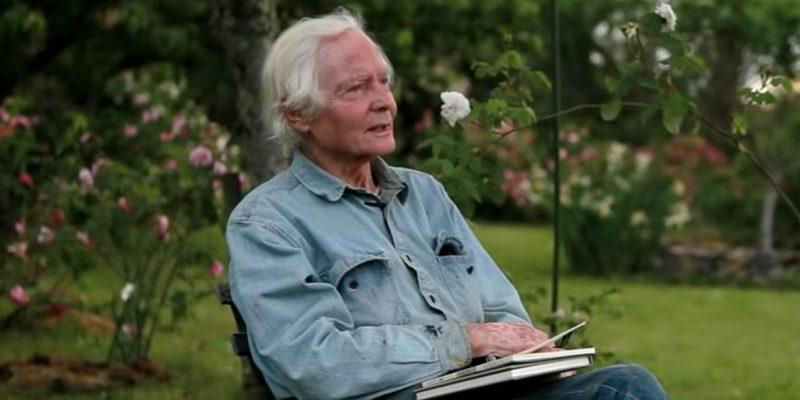
2009 Pulitzer Prize winner in Poetry W.S. Merwin
4. W.S. Merwin
"The Shadow of Sirius" author and 2009 Poetry winner frequently incorporated themes from the natural world in his work. Like Oliver, he wrote a poem simply titled "Spring" — and its brevity conveys the ephemeral nature of its subject:
The glass stems of the clouds are breaking
the gray flowers are caught up
and carried in silence to their invisible mountain
a hair of music is flying
over the line of cold lakes
from which our eyes were made
everything in the world has been lost and lost
but soon we will find it again
and understand what it told us when we loved it
Learn more about Merwin and read more of his poetry at The Merwin Conservancy's website, here.
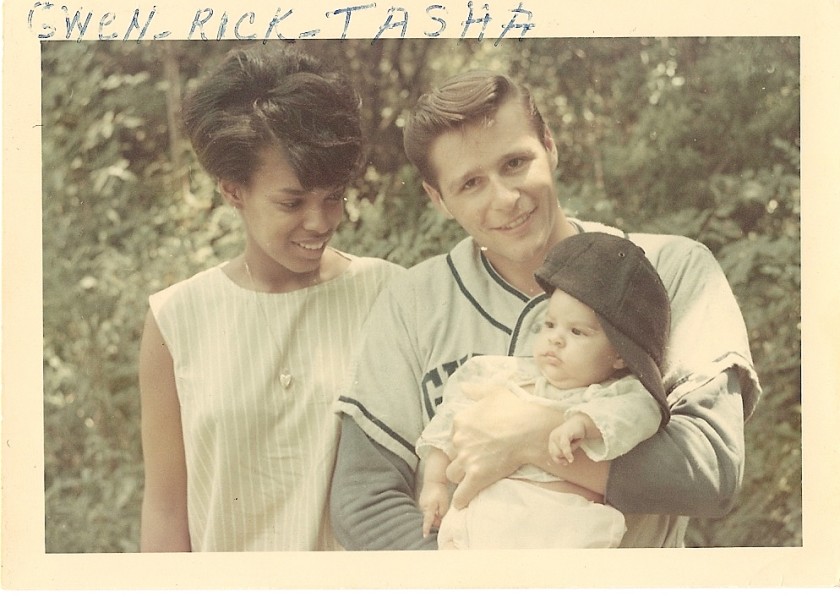
2007 Pulitzer Prize winner in Poetry Natasha Trethewey, as a baby with her parents.
5. Natasha Trethewey
The "Native Guard" author and 2007 Prize winner considers her own springtime birth as part of a seasonal examination of familial and societal evolution in "Miscgenation," including these lines:
My father was reading War and Peace when he gave me my name.
I was born near Easter, 1966, in Mississippi.
When I turned 33 my father said, It’s your Jesus year — you’re the same
age he was when he died. It was spring, the hills green in Mississippi.
Read the full poem at the Poetry Foundation website, here.
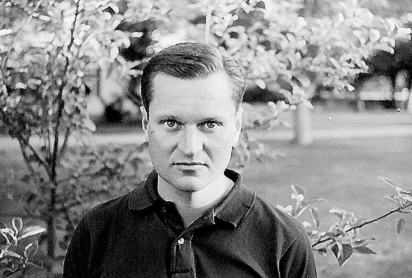
1976 Pulitzer Prize winner in Poetry John Ashbery
6. John Ashbery
Ashbery contemplated a "Spring Day," opening with words such as "immense hope" and "forbearance." The 1976 Prize winner and "Self-Portrait in a Convex Mirror" author went on to write:
In so many phases the head slips form the hand.
The tears ride freely, laughs or sobs:
What do they matter? There is free giving and taking;
The giant body relaxed as though beside a stream
Wakens to the force of it and has to recognizeThe secret sweetness before it turns into life—
Sucked out of many exchanges, torn from the womb,
Disinterred before completely dead—and heaves
Its mountain-broad chest. “They were long in coming,Those others, and mattered so little that it slowed them
To almost nothing. They were presumed dead,
Their names honorably grafted on the landscape
Read the full text of the poem at The Paris Review's website, here.
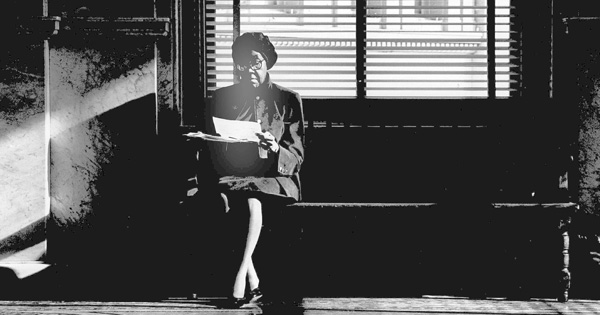
1950 Pulitzer Prize winner in Poetry Gwendolyn Brooks
7. Gwendolyn Brooks
And as doctors report increased strain on mental health following a year of loss and isolation, consider the "Annie Allen" author and 1950 Pulitzer winner's "To the Young Who Want to Die," which concludes:
You need not die today.
Stay here — through pout or pain or peskyness.
Stay here. See what the news is going to be tomorrow.
Graves grow no green that you can use.Remember, green's your color. You are Spring.
Listen to a reading of the full poem at The American Scholar website, here.