For a distinguished and appropriately documented book on the history of the United States, Ten thousand dollars ($10,000).

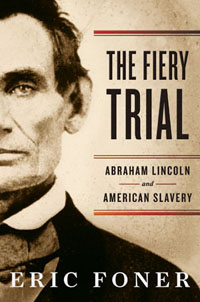
The Fiery Trial: Abraham Lincoln and American Slavery, by Eric Foner (W.W. Norton & Company)

A well orchestrated examination of Lincoln's changing views of slavery, bringing unforeseeable twists and a fresh sense of improbability to a familiar story.
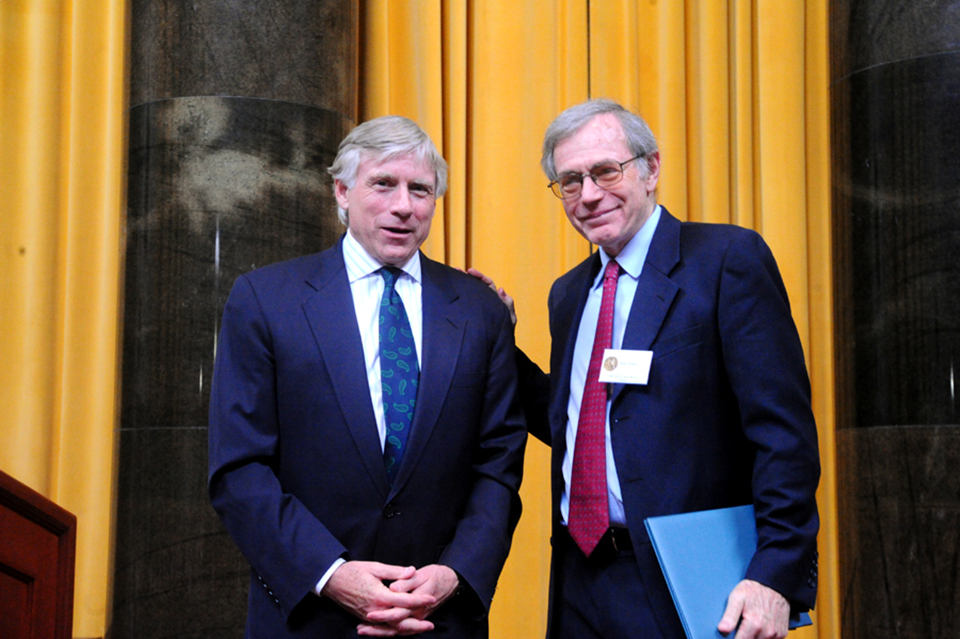
Le Bollinger and Eric Foner

Lee C. Bollinger, President of Columbia University (left), presents the 2011 History prize to Eric Foner.

Winning Work

The Fiery Trial: Abraham Lincoln and American Slavery

The Fiery Trial

From a master historian, the story of Lincoln's—and the nation's—transformation through the crucible of slavery and emancipation.

In this landmark work of deep scholarship and insight, Eric Foner gives us the definitive history of Lincoln and the end of slavery in America. Foner begins with Lincoln's youth in Indiana and Illinois and follows the trajectory of his career across an increasingly tense and shifting political terrain from Illinois to Washington, D.C. Although “naturally anti-slavery” for as long as he can remember, Lincoln scrupulously holds to the position that the Constitution protects the institution in the original slave states. But the political landscape is transformed in 1854 when the Kansas-Nebraska Act makes the expansion of slavery a national issue.

A man of considered words and deliberate actions, Lincoln navigates the dynamic politics deftly, taking measured steps, often along a path forged by abolitionists and radicals in his party. Lincoln rises to leadership in the new Republican Party by calibrating his politics to the broadest possible antislavery coalition. As president of a divided nation and commander in chief at war, displaying a similar compound of pragmatism and principle, Lincoln finally embraces what he calls the Civil War's “fundamental and astounding” result: the immediate, uncompensated abolition of slavery and recognition of blacks as American citizens.

Foner's Lincoln emerges as a leader, one whose greatness lies in his capacity for moral and political growth through real engagement with allies and critics alike. This powerful work will transform our understanding of the nation's greatest president and the issue that mattered most.

-- from the publisher
Biography

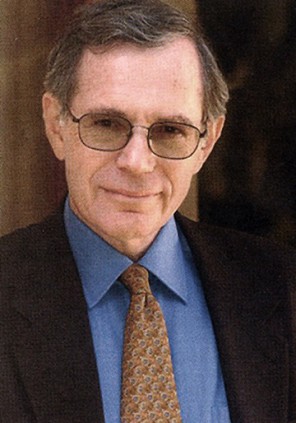
Eric Foner is DeWitt Clinton Professor of History at Columbia University, where he earned his B.A. and Ph.D. In his teaching and scholarship, Foner focuses on the Civil War and Reconstruction, slavery, and nineteenth-century America. His Reconstruction: America's Unfinished Revolution, 1863–1877, won the Bancroft, Parkman, and Los Angeles Times Book prizes and remains the standard history of the period. In 2006 Foner received the Presidential Award for Outstanding Teaching at Columbia University. He has served as president of the Organization of American Historians, the American Historical Association, and the Society of American Historians.

Finalists

Nominated as finalists in History in 2011:

Michael Rawson

An impressive selection of case studies that reveal how Boston helped shape the remarkable growth of American cities in the 19th century.

Stephanie McCurry

An insightful work analyzing the experience of disenfranchised white women and black slaves who were left when Confederate soldiers headed for the battlefield.

The Jury

Daniel Richter

professor of American history

Elizabeth Borgwardt

professor of history

Patty Limerick(chair )

faculty director and chair of the board, Center of the American West

Winners in History

Liaquat Ahamed

A compelling account of how four powerful bankers played crucial roles in triggering the Great Depression and ultimately transforming the United States into the world's financial leader.

Annette Gordon-Reed

A painstaking exploration of a sprawling multi-generation slave family that casts provocative new light on the relationship between Sally Hemings and her master, Thomas Jefferson.

2011 Prize Winners

Jennifer Egan

An inventive investigation of growing up and growing old in the digital age, displaying a big-hearted curiosity about cultural change at warp speed.

Ron Chernow

A sweeping, authoritative portrait of an iconic leader learning to master his private feelings in order to fulfill his public duties.

Kay Ryan

A body of work spanning 45 years, witty, rebellious and yet tender, a treasure trove of an iconoclastic and joyful mind.