For a distinguished and appropriately documented book of nonfiction by an American author that is not eligible for consideration in any other category, Ten thousand dollars ($10,000).

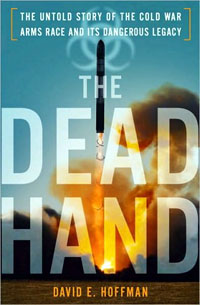
The Dead Hand: The Untold Story of the Cold War Arms Race and Its Dangerous Legacy, by David E. Hoffman (Doubleday)

A well documented narrative that examines the terrifying doomsday competition between two superpowers and how weapons of mass destruction still imperil humankind.
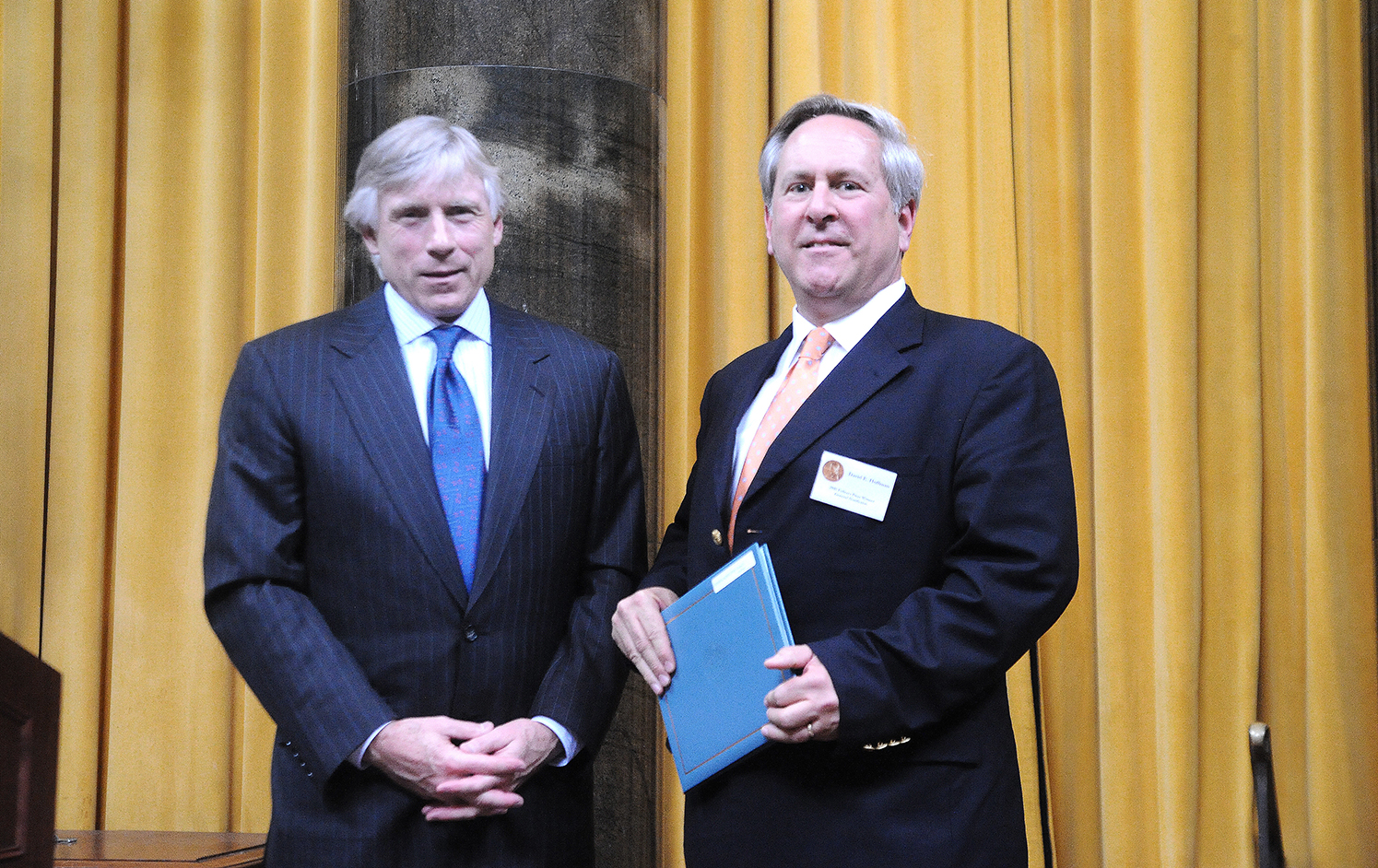
Lee Bollinger and David E. Hoffman

Lee C. Bollinger, President of Columbia University (left), presents the 2010 General Nonfiction prize to David E. Hoffman.

Winning Work

The Dead Hand: The Untold Story of the Cold War Arms Race and Its Dangerous Legacy

During the Cold War, world superpowers amassed nuclear arsenals containing the explosive power of one million Hiroshimas. The Soviet Union secretly plotted to create the “Dead Hand,” a system designed to launch an automatic retaliatory nuclear strike on the United States, and developed a fearsome biological warfare machine. President Ronald Reagan, hoping to awe the Soviets into submission, pushed hard for the creation of space-based missile defenses.

In the first full account of how the arms race finally ended, The Dead Hand provides an unprecedented look at the inner motives and secret decisions of each side. Drawing on top-secret documents from deep inside the Kremlin, memoirs, and interviews in both Russia and the United States, David Hoffman introduces the scientists, soldiers, diplomats, and spies who saw the world sliding toward disaster and tells the gripping story of how Reagan, Gorbachev, and many others struggled to bring the madness to an end. When the Soviet Union dissolved, the danger continued, and the United States began a race against time to keep nuclear and biological weapons out of the hands of terrorists and and rogue states.

-- from the publisher

Biography

David E. Hoffman is a contributing editor at The Washington Post, where he previously served as White House correspondent, Moscow bureau chief, and assistant managing editor for foreign news. He is the author of The Oligarchs: Wealth and Power in the New Russia. He lives in Maryland.

Finalists

Nominated as finalists in General Nonfiction in 2010:

John Cassidy

A work that probes the complexity of the Great Recession, using solid research and precise documentation to reveal not only a gripping human drama but also a tense clash of ideas.

Robert Wright

A sweeping look at the origins and development of religious belief throughout human history.

The Jury

David K. Shipler(chair )*

author and former correspondent

James J. Sheehan

professor emeritus of history

Jonathan Weiner*

author and professor, Graduate School of Journalism

Winners in General Nonfiction

Douglas A. Blackmon

A precise and eloquent work that examines a deliberate system of racial suppression and that rescues a multitude of atrocities from virtual obscurity.

2010 Prize Winners

Paul Harding

A powerful celebration of life in which a New England father and son, through suffering and joy, transcend their imprisoning lives and offer new ways of perceiving the world and mortality.

Hank Williams

For his craftsmanship as a songwriter who expressed universal feelings with poignant simplicity and played a pivotal role in transforming country music into a major musical and cultural force in American life.

Liaquat Ahamed

A compelling account of how four powerful bankers played crucial roles in triggering the Great Depression and ultimately transforming the United States into the world's financial leader.

Rae Armantrout

A book striking for its wit and linguistic inventiveness, offering poems that are often little thought-bombs detonating in the mind long after the first reading.