Is it the light, the angle, the equipment? A survey of interviews with Pulitzer Prize-winning photographers suggests taking a moving picture with lasting impact is rooted in something deeper. They cite empathy, intimacy, persistence and research when describing their approach to their work.
This week, John White spoke as part of an event titled "Pioneering Black Photographers: Turning a Lens on History," sponsored by the National Association of Black Journalists' Chicago chapter. He and many others have been generous in sharing their work habits and values with aspiring photographers over time.
Below find quotes and links to full conversations with six photographers on how they view the power of their craft.
1. John H. White, Feature Photography, 1982
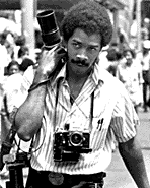 John H. White
In an interview with The New York Times' Lens blog, White honed in on his sense of mission and commitment to consistent excellence as formative to his shooting style.
“Make a difference in the world. One light. One day. One image,” he said.
His photographs of children playing, like the one below, capture joy while alluding to the complexities of American life.
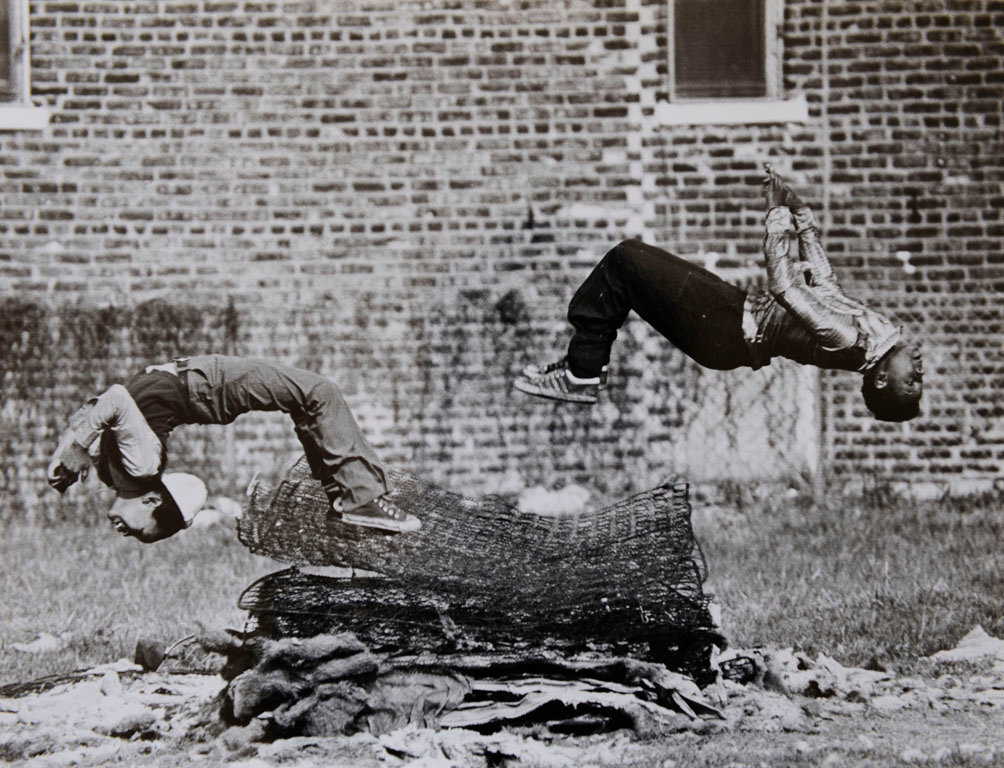
'Springboard to Dream.' Photo: John H. White/Chicago Sun-Times
2. Carol Guzy, Spot News Photography, 1986 (with Michel du Cille), Spot News Photography, 1995; Feature Photography, 2000 (with Michael Williamson and Lucian Perkins); Breaking News Photography, 2011 (with Nikki Kahn and Ricky Carioti)
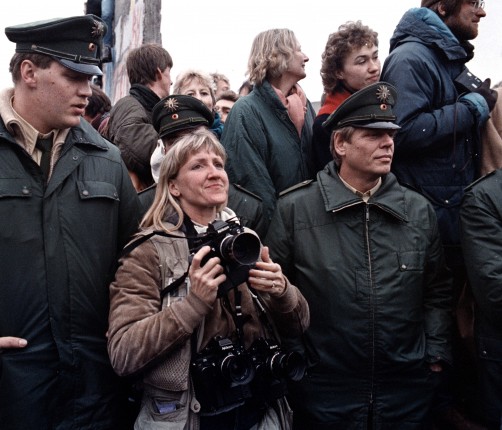 Carol Guzy
In multiple interviews, four-time prize winner Carol Guzy talks about empathy, and how the stories she tells affect her and the pictures she makes.
“To be a photojournalist or even just a caring person you can’t overemphasize having empathy,” Guzy told Adorama. “It’s a blessing and a curse — it undoubtedly helps me create images that resonate and connect viewers to the narrative of others, but also makes any heartbreak a thousand times harder. We are not walking cameras and what we witness changes our soul."
In another piece, published in Washingtonian magazine, she said:
“The camera in front of your face is a shield, but it doesn’t mean you are not feeling what you see.
“There is the myth of objectivity — but it is a myth.”
“It’s really your eye, your heart, your mind that matter in the moment you take a photograph.”
The photo below is from her work following the 2011 earthquake in Haiti.
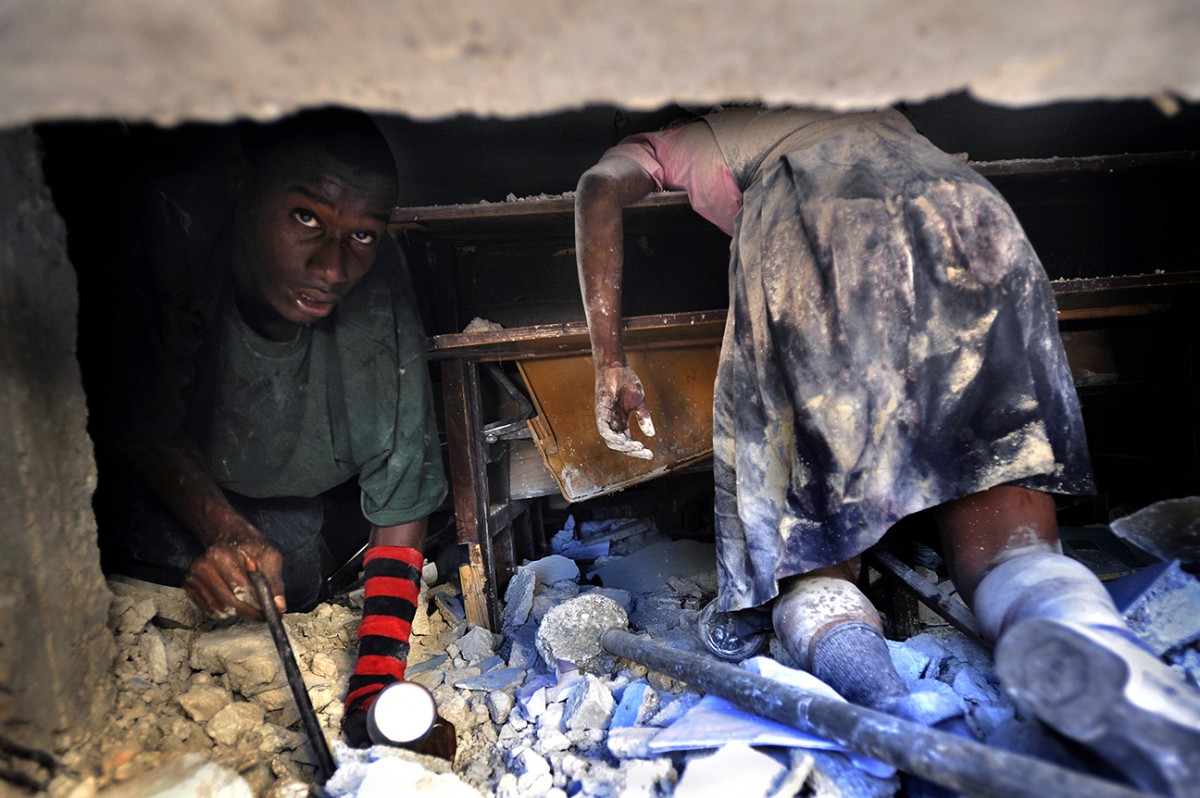
'Death of Innocence.' A Haitian man tries to rescue a live teacher trapped amid the rubble of the devastating 2010 earthquake in Port-au-Prince, Haiti as he crawls past a schoolgirl that perished at her desk when Ecole St. Gerard Collpsed. Photo: Carol Guzy/The Washington Post
3. William Snyder, Explanatory Journalism, 1989 (with David Hanners and Karen Blessen); Feature Photography, 1991; Spot News Photography, 1993 (with Ken Geiger)
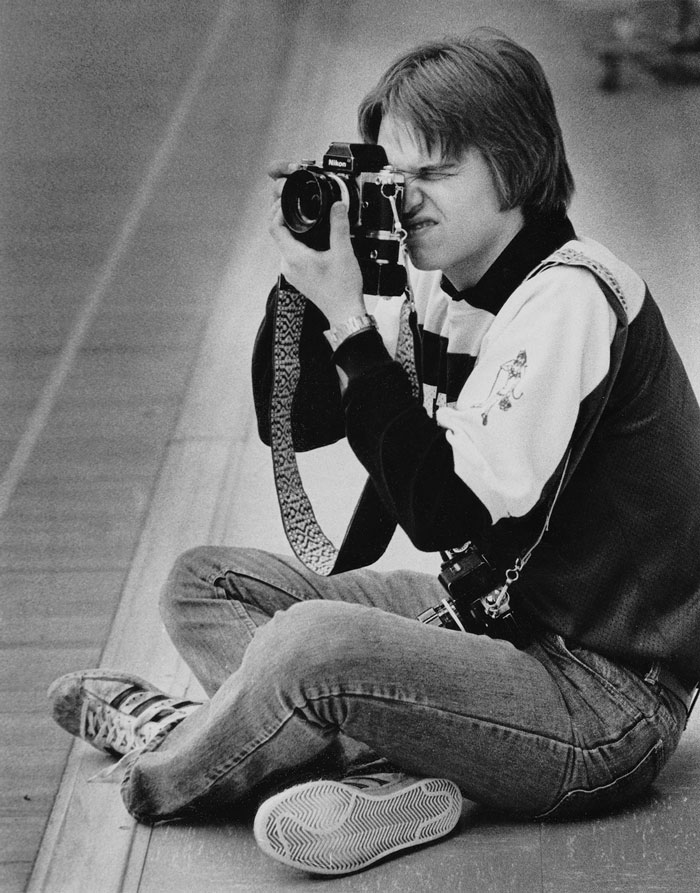 William Snyder
Snyder's Pulitzers are for very different bodies of work. His 1991 portfolio illustrated the lives of children living in "subhuman conditions" in Romanian orphages. Two years later, he captured the highs of peak athletic achievement and national pride at the 1992 Summer Olympic Games in Barcelona, Spain.
Both rely on what Snyder defines as key to his method: strong storytelling:
"What is the story of the day and what is the best way to tell that story? What photo will tell the story best? When you are allowed and encouraged to answer those questions, you can 'beat' those photographers who are there to just 'take the best pictures,'" Snyder said in an interview with Pulitzer.org.
Snyder also was an editor on the Dallas Morning News' 2006 prize-winning pictures from Hurricane Katrina.
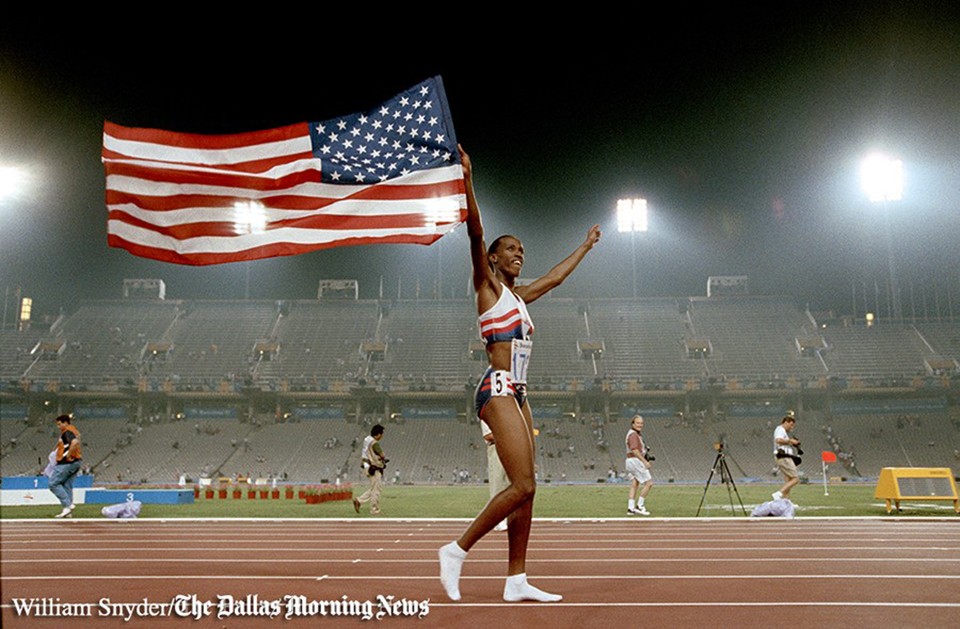
The USA's Jackie Joyner Kersee of Canoga Park, Calif., walks the track at the Olympic Stadium in Barcelona after winning the gold medal in the Heptathlon competition during the XXV Summer Olympic Games. Photo: William Snyder/The Dallas Morning News
4. Barbara Davidson, Feature Photography, 2011
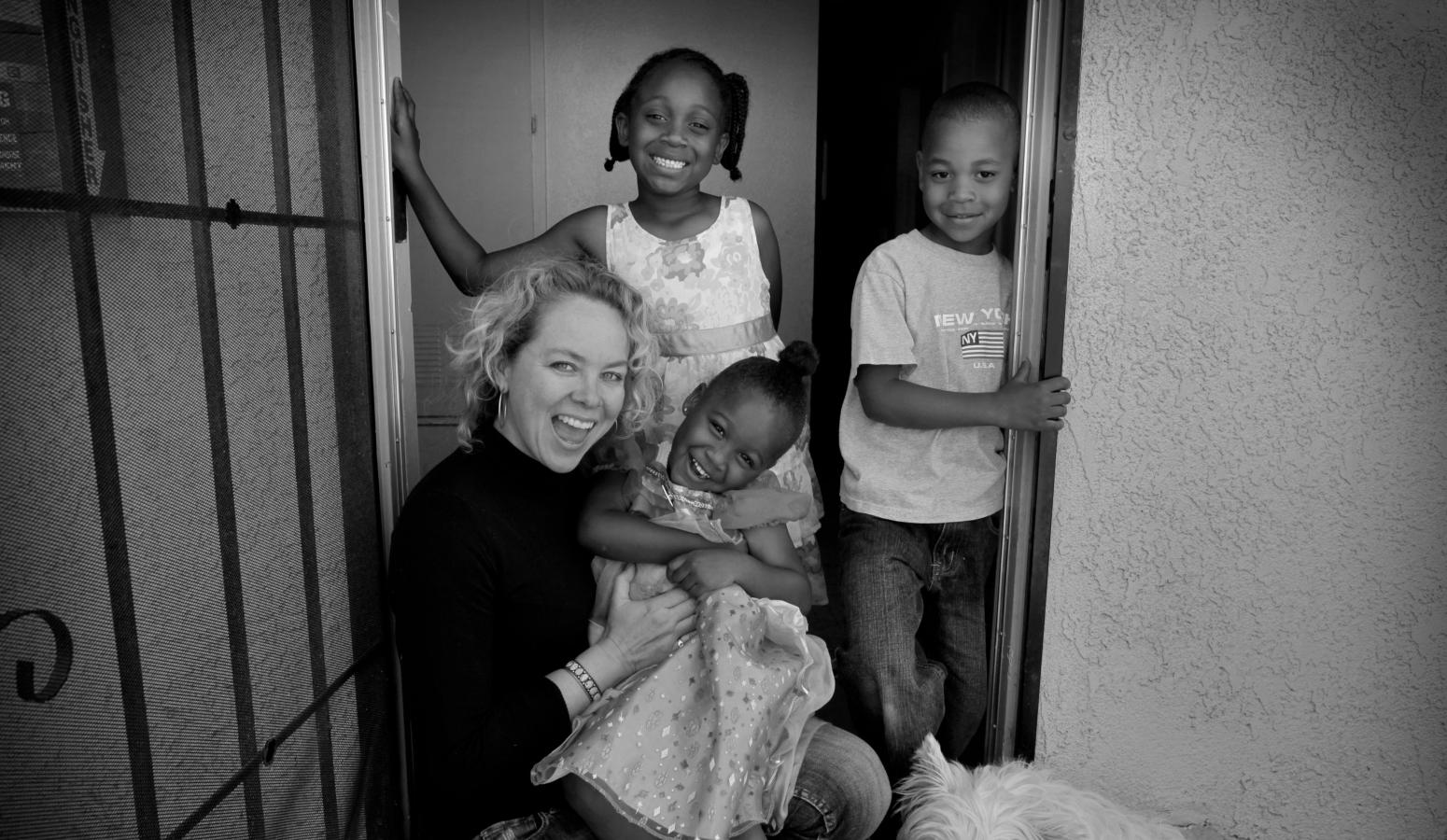 Barbara Davidson with members of one of the family's she photographed as part of her Puliter-wining series. Miracle Smith, 3, sits in her lap while sisters Mariah, 6, and Tyrin, 5, smile in the background. Photo: Rose Smith
Building intimacy over time, and maintining it in the instant the shutter opens is key to Davidson's work.
In an interview with Digital Photo Pro, she discussed her focus on survivors of shootings, earning their trust over time to better tell stories of them and their communities.
“I like to be very close up to the subject because I want there to be an intimate connection between the subject and viewer. I want viewers to feel like they are there,” Davidson said. “Physically, I get very low to the ground, crouching down a lot and sometimes rolling up into this little ball. People laugh when they see me shoot.”
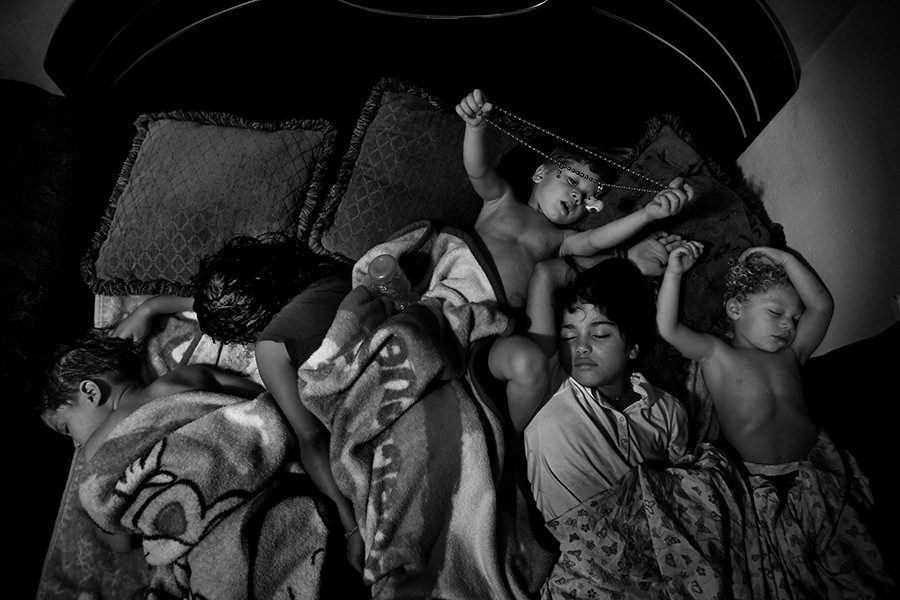
Wendoly Andrade shares a bed with her five children, including 4-year-old Josue Hercules, who was hit by a stray bullet while playing outside with his sister. Photo: Barbara Davidson/Los Angeles Times
5. Eddie Adams, Spot News Photography, 1969
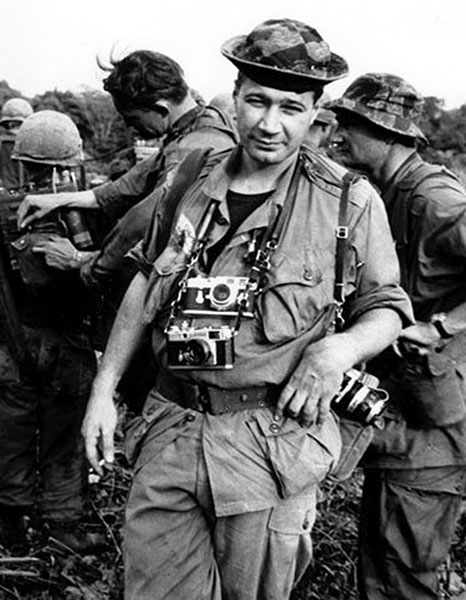 Eddie Adams
Eddie Adams, whose photography workshops have including many other prize winners as instructors, touches on how to approach "invisibility" while working, as part of an effort to capture the events that make history.
“You're gonna cry, you're gonna have your heart ripped out, but just don't give up,” Adams said.
“If you want it bad enough, you'll get good, and get to where you want to go.”
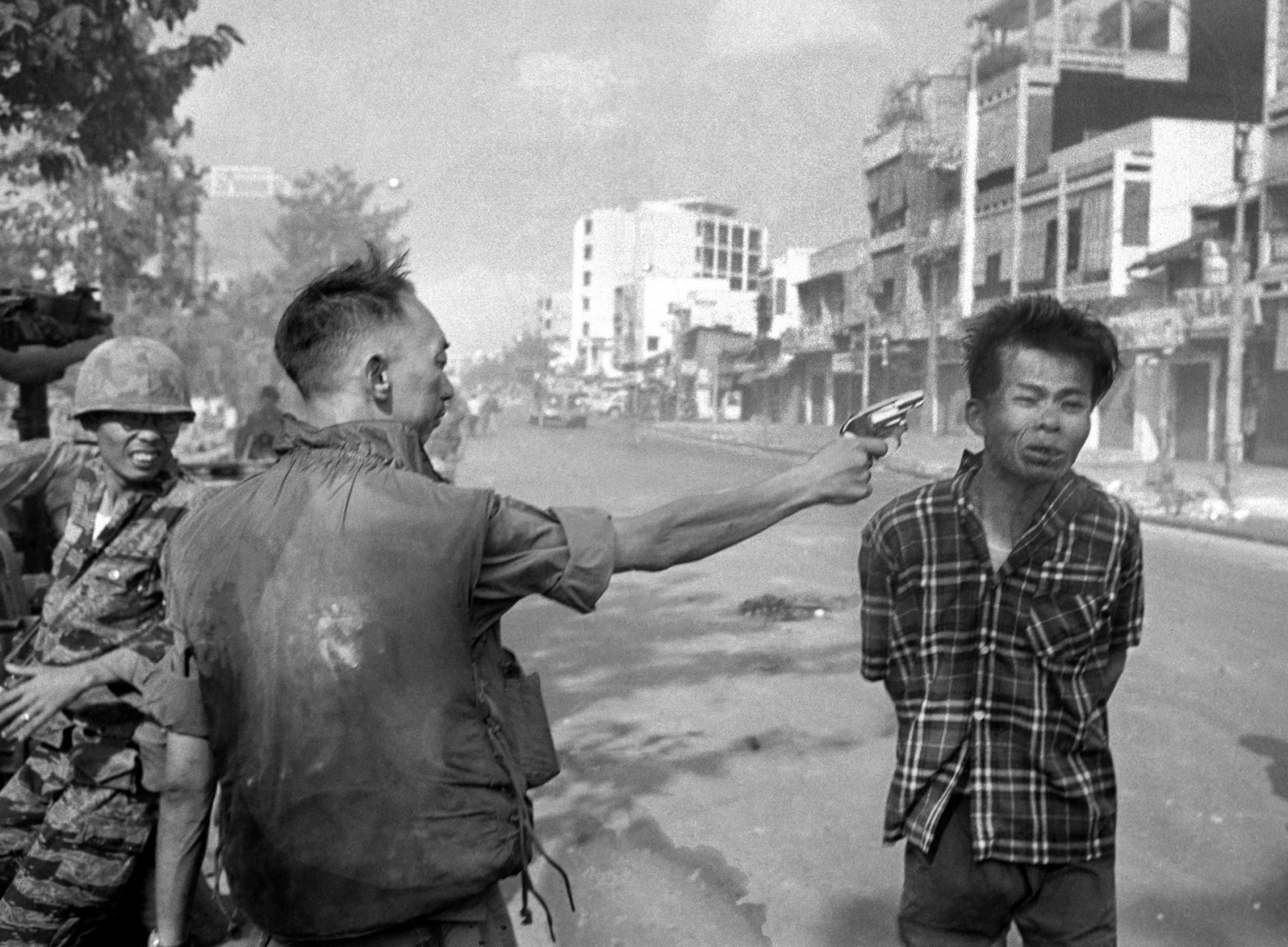
'Saigon Execution.' Photo: Edward T. Adams/Associated Press
6. Stan Grossfeld, Spot News Photography, 1984
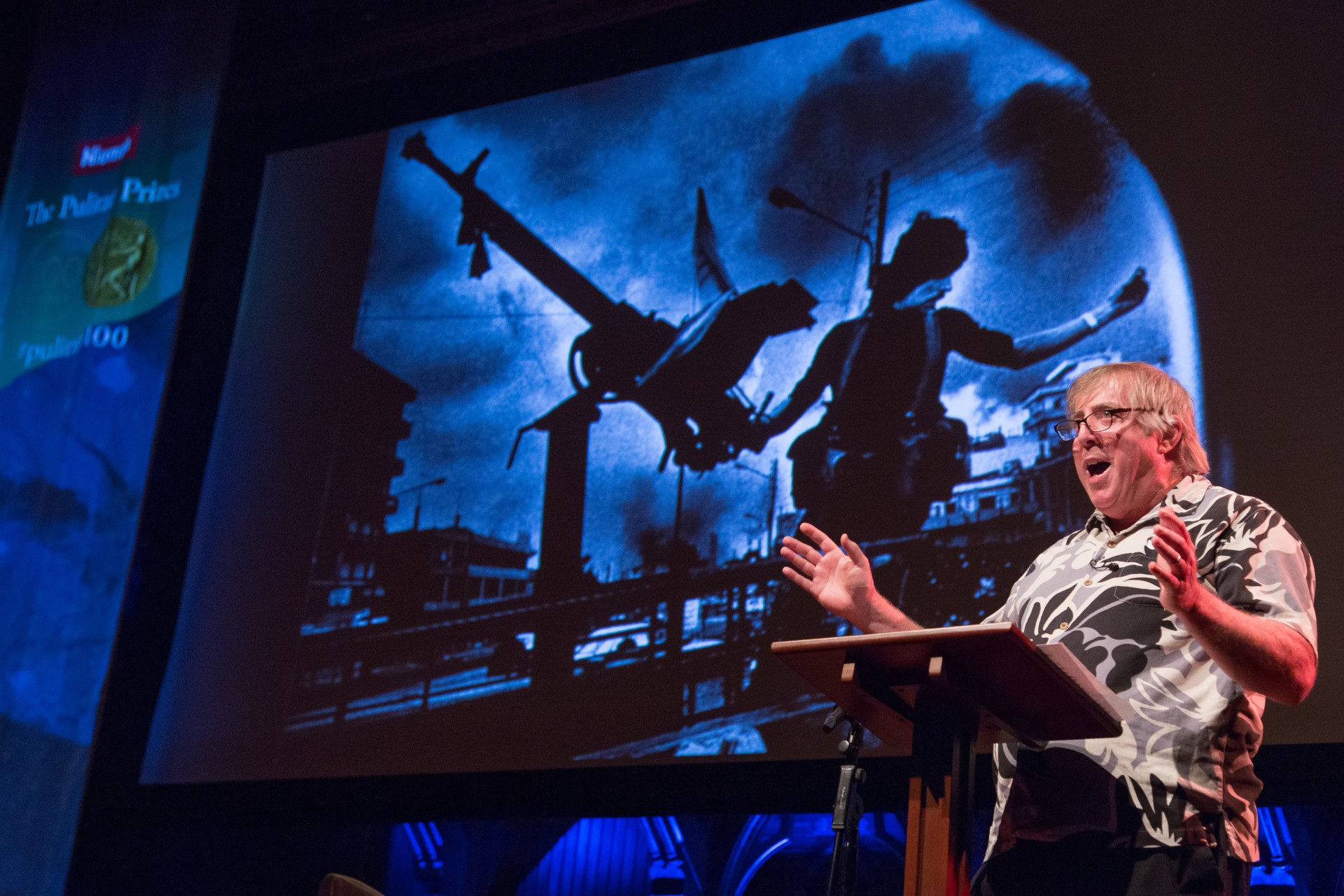 Stan Grossfeld discusses his work at the 2016 Pulitzer Centennial Celebration at Harvard University's Sanders Hall, as part of an event cosponsored by the Nieman Foundation.
Research is central to Grossfeld's work.
“At one point in Siberia a tribe offered me horse meat and I knew, from my research, that refusing it would have been insulting them. You had to become a squirrel and stow it away in my cheeks. But it’s not just indigenous people either. It’s the whole world. Every culture has something and it’s you’re job to be prepared for it,” he told Storybench at Northeastern's School of Journalism in an interview.
Kindness — both on the job and off — is another quality Grossfeld and his Boston Globe colleague Matthew Lee cite as critical. Read the full interview to learn the other eight principles on the list.
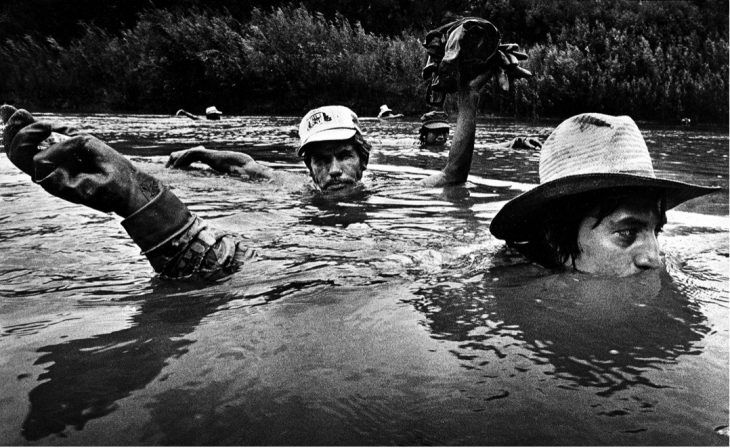
Migrant workers cross the Rio Grande. Photo: Stan Grossfeld