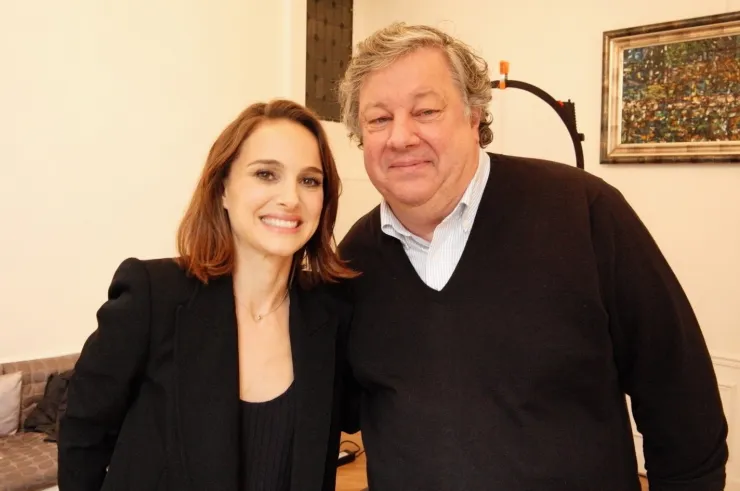
Oscar- and Emmy-winning director Kirk Simon's "The Pulitzer at 100" is set for release on July 21 at Lincoln Plaza Cinema in New York City.
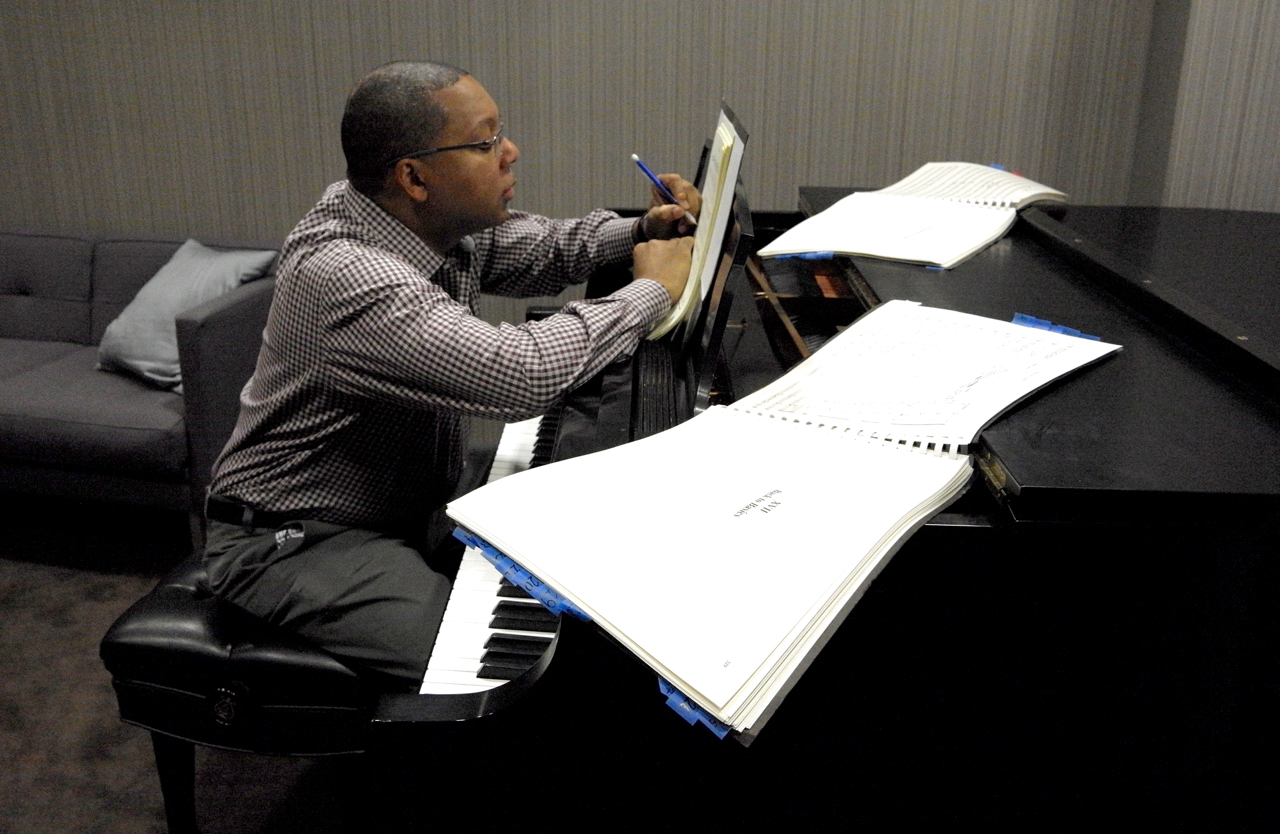
1997 Pulitzer winner in Music Wynton Marsalis
The 90-minute, independent documentary "is told through the riveting stories of the artists that have won the prestigious prize. With Pulitzer work read by Helen Mirren, Natalie Portman, Liev Schreiber, John Lithgow and Yara Shahidi; journalists include Carl Bernstein, Nick Kristof, Thomas Friedman, and David Remnick; authors include Toni Morrison, Michael Chabon, Junot Díaz, Tony Kushner, and Ayad Akhtar; and musicians Wynton Marsalis, David Crosby, and John Adams also share their stories."
Simon spoke to the Pulitzer Prizes about his inspiration, and the stories behind the film.
Pulitzer Prizes: What inspired you to make a film about the Pulitzer Prizes?
Kirk Simon: For a century the Pulitzer Prizes have remained the gold standard of excellence. The Pulitzers focus attention on what is best in journalism and the arts. The Pulitzer at 100 explores the importance of words and language in a free democracy.
Their stories are riveting — power, immigration, race and identity are all central themes. The Pulitzers celebrate storytelling at its best and this film reveals the courage and struggles to get at truth. In today’s Trumpian World, where journalists are compromised every day, the meaning of free speech becomes ever more importantPP: Did you learn anything surprising about the life of Joseph Pulitzer while researching the film?
KS: The most surprising fact for me is that Joseph Pulitzer came to the United States as a paid mercenary to fight in the Civil War. While wealthy parents could purchase a pass not to send their sons to fight, they still had to supply an able-bodied male. To this end, recruiting stations were set up in Europe and men were paid a nice fee to come and fight. Ironically, Pulitzer never saw combat. When the war was over, he was broke and had to sleep on park benches before he found his way.
PP: There are a number of celebrity readers in the film. How did you decide which work they would read? Did any of the personalities in the film share memories of an early encounter with a prize-winning work (e.g. in school) or a particular affinity with/anecdote about a piece?
KS: Some of the readers were extremely involved in the selection process or had a personal connection and some were happy to read selections that I made for them. One restriction was I wanted selections from each decade of the past 100 years, so I did have to push some of the older material. Marty Scorsese sent maybe two dozen emails suggesting pieces before it was narrowed down. Natalie Portman studied at Harvard with Jorie Graham and wanted to pay tribute to her old teacher, John Lithgow is distantly related to Robert Frost.
PP: Could you share any outtakes or behind-the-scenes stories about the making of the film?
KS: I was most impressed by the talent of the celebrity readers. Helen Mirren was on set for about 20 minutes; after a brief rehearsal she nailed every piece in a single take. Playback was checked and off she went. Natalie Portman was filmed in Paris a few days after the bombings and she brought her beautiful young son to the set - who proceeded to sit on my lap and watch his mother on the monitor. Overall, everyone involved in the project was there because it mattered to them, they wanted to take part.
PP: Do you have a personal favorite Pulitzer-winning work?
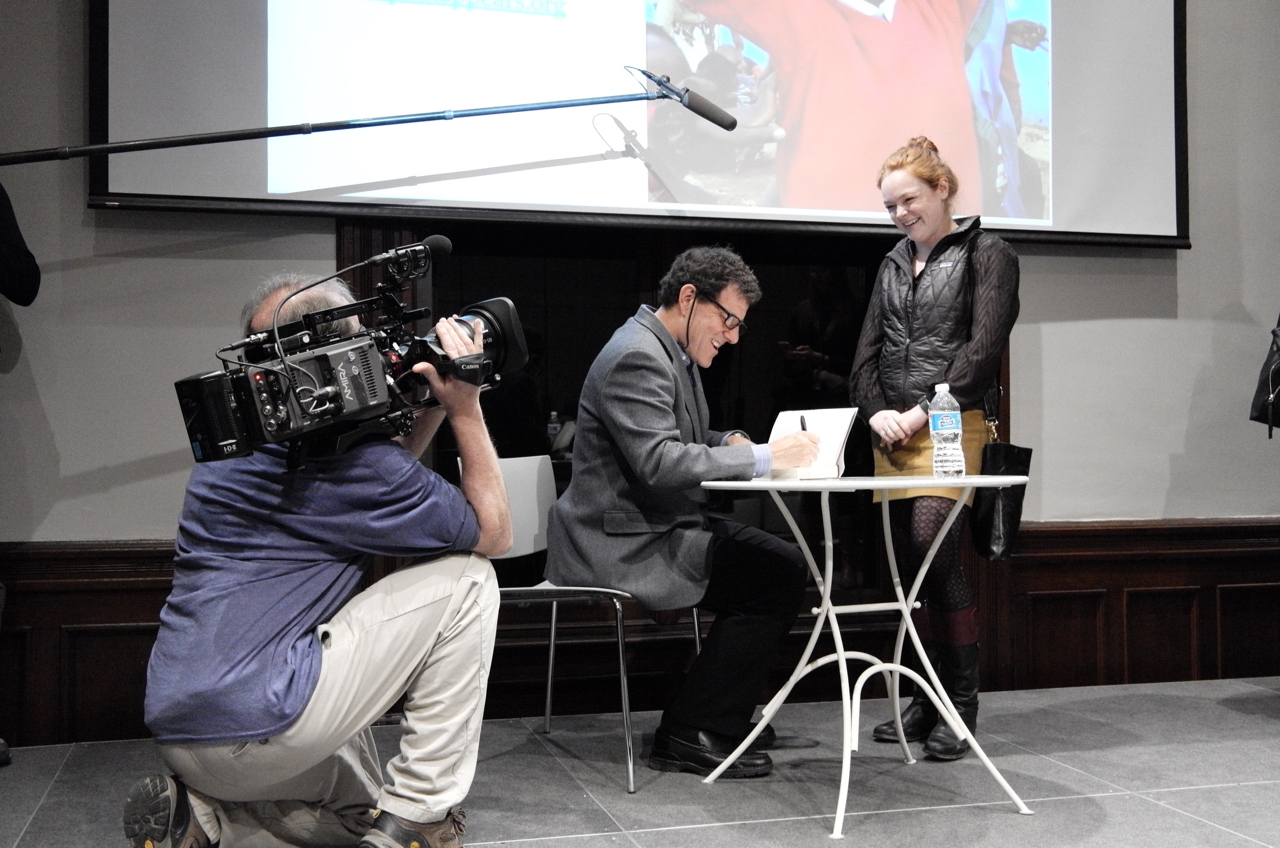
Nicholas Kristof
KS: Before the filming, two of my favorite books were Michael Chabon's Kavalier and Clay and Junot Diaz' The Brief and Wonderous Life of Oscar Wao. I read everything Nick Kristof writes. And I love anything Edward Albee.
Watch the trailer here.
Learn about the film opening at Lincoln Plaza Cinema in New York City here.