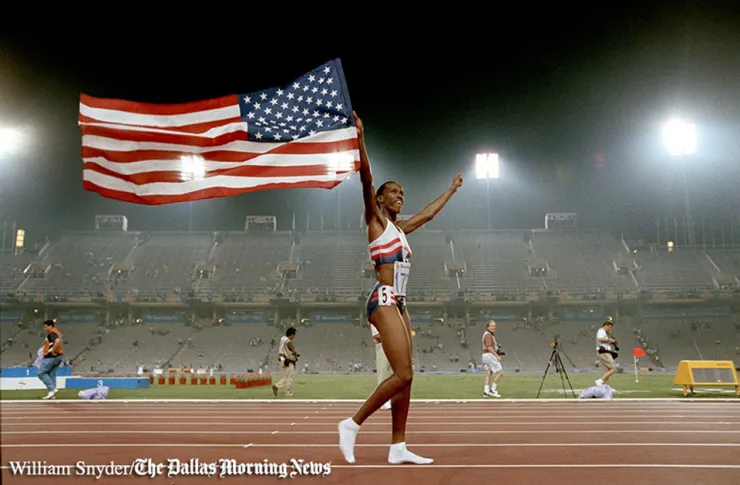
William Snyder chatted with the Pulitzer Prizes as the 2016 Olympic Games in Rio de Janeiro come to a close. In Barcelona in 1992, he captured the U.S. men's basketball "Dream Team," Jackie Joyner Kersee winning a gold medal in the Heptathlon and so much more — but he's also won Pulitzers for sharing more difficult subject matter.
Here, he talks about the difference between shooting heart-rending images of Romanian orphans and capturing the joy of the Games, and what's ahead for the photojournalists of tomorrow.
PULITZER PRIZES: How is shooting the Rio Games different from Barcelona in 1992? Are there drawbacks to the new technology along with its significant advantages?
WILLIAM SNYDER: There are two main differences between ’92 and ’16 that technology brings. It lengthens the time photographers have to make photos while reducing the time it takes to publish the photos and it dramatically increases the number of images that are produced. The sheer volume of images being produced requires more editors and more bandwidth.
PP: What are the keys to getting a truly outstanding photograph when everyone has motor drive and shoots from basically the same area?
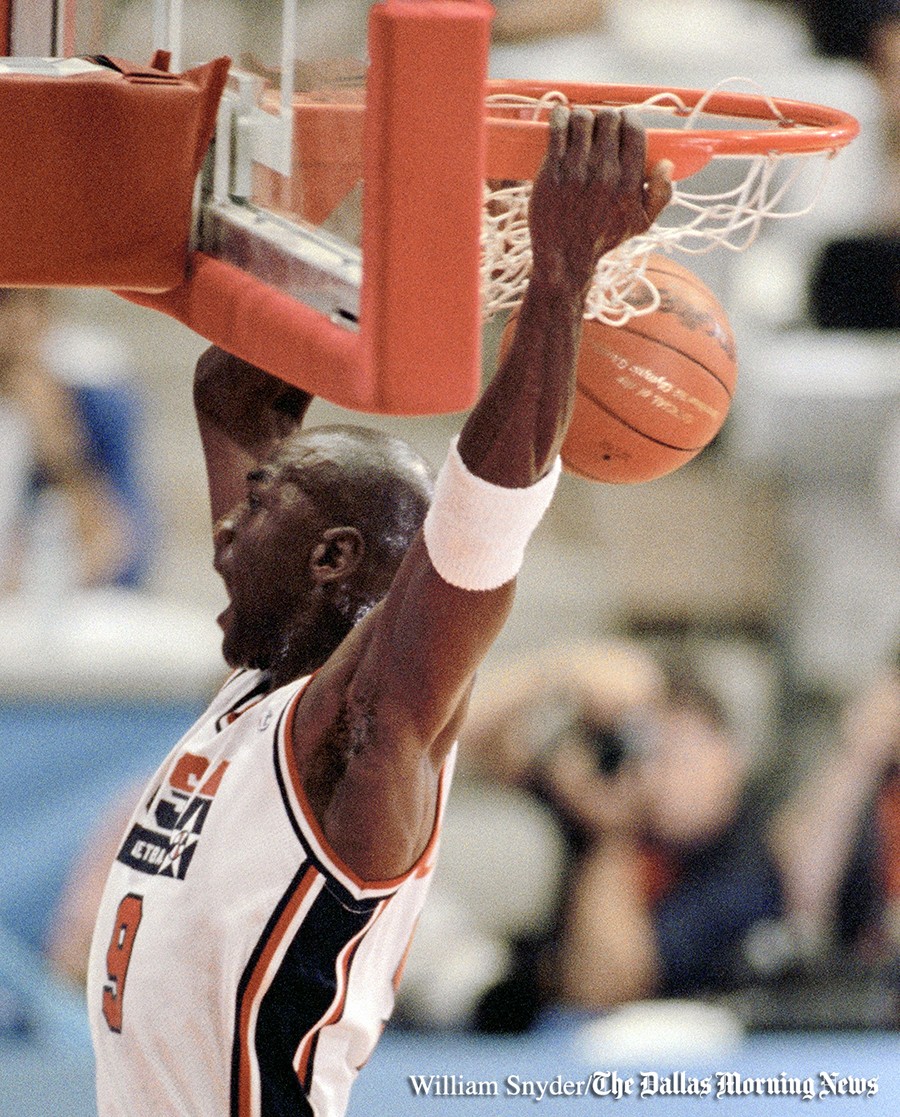
Capturing the 'Dream Team' in Barcelona is one of Snyder's favorite Olympic memories.
WS: Story. Understanding the story. “Beating” all those other photographers requires a certain amount of editorial freedom to choose what events to shoot, how to shoot them and where to shoot from. What is the story of the day and what is the best way to tell that story? What photo will tell the story best? When you are allowed and encouraged to answer those questions, you can “beat” those photographers who are there to just “take the best pictures.”
PP: How do photojournalists police the ethics of their work in such a competitive situation and in an era where photo manipulation is easier than ever?
WS: You can’t, really. You are either ethical or you aren’t. But, there’s little opportunity to manipulate images at or from an event like this because there are too many “witnesses.” Look at the great image of Usain Bolt in the 100m semi-final. There are actually two versions of that photo from two different photographers. If one had dared to manipulate their version, the other would have easily revealed the deceit.
PP: You're teaching photojournalism today: What's the future look like for young photojournalists?
WS: It’s very positive, very good. It’s not the same as it once was. It’s different. Not necessarily good or bad, just different. And it’s up to the young photojournalists to create the new world. There are new jobs that are in visual storytelling that didn’t exist 10 years ago – multimedia producers, social media producers, etc. But the big key to the future of photojournalism is storytelling. The ability to produce exceptional photographs is not necessarily as tough of skill to master as it once was. What separates the top photojournalists now is their ability to tell stories with images. As Brian Storm, the founder of MediaStorm, says, “Storytelling is a boutique skill.”
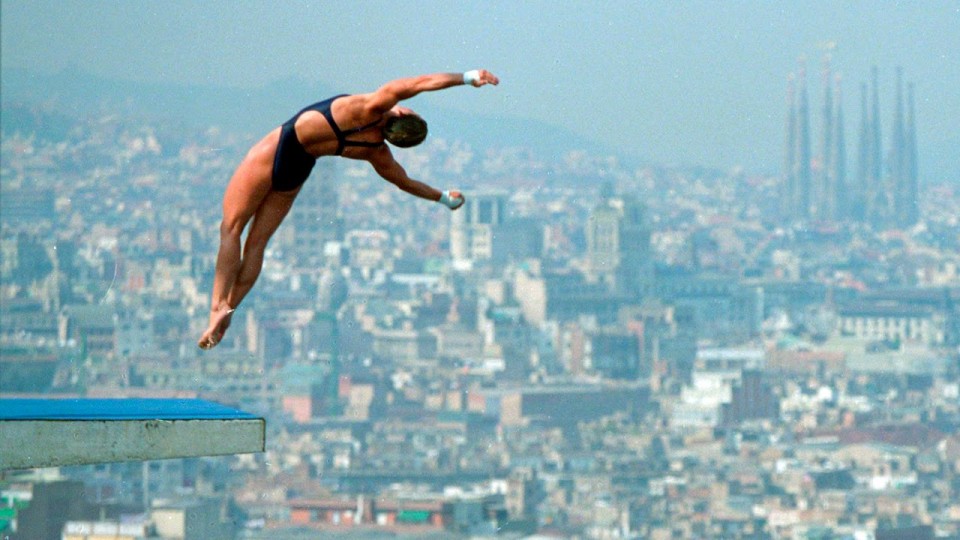
One of Snyder's prize-winning shots of the diving competition at the Barcelona Games.
PP: What was your biggest surprise pleasure in shooting the '92 Olympics? Your favorite shooting moment there?
WS: That we were able to shoot the photos that we felt were the most important of the day — that we were able to control our schedule. Many of our colleagues did not have that luxury. There were two moments — I was bored with shooting the diving from the same spot as everyone else. Even though it was a beautiful shot, it was boring the 25th time. I found a spot that no one had used and made a very nice image. It received a lot of play around the country. The next day, dozens of photographers had moved to that spot. The other was shooting the men’s basketball final game and photographing the “Dream Team” win the gold.
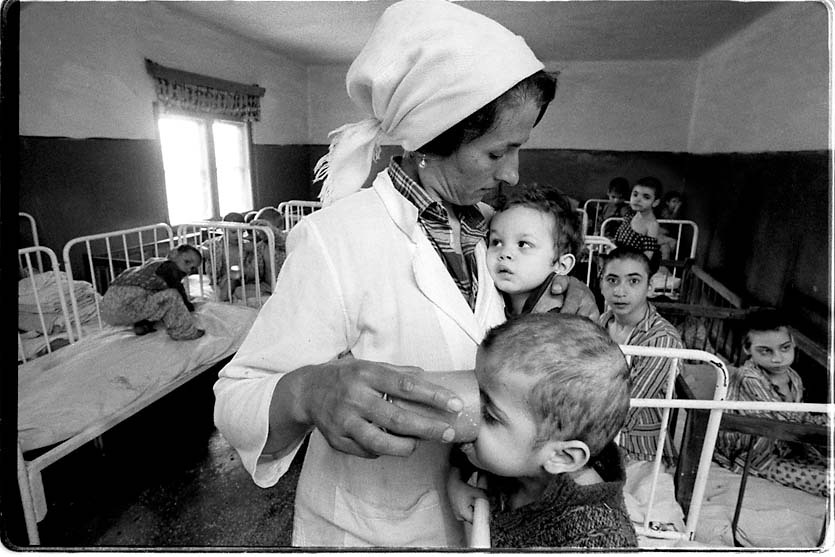
A Romanian orphanage Snyder photographed as part of his 1991 Pulitzer-winning portfolio.
PP: How did it feel different to win a prize for your Olympics coverage after winning for your moving, but heartrending, images of orphans in Romania?
WS: I was very proud of the fact that it was my third Pulitzer, it was accomplished along with a college friend of mine, we “beat” the best sports photographers in the world and it was an entirely different kind of story than the first two Pulitzers. I’m very proud that these three awards show that I have the ability to tell different kinds of stories and then with the 2006 Team win I was able to help guide and enable an incredible group of photographers through one of the biggest domestic stories in U.S. history. They were able to, again, “beat” the best photographers in the country by telling the “story” and not just focusing on making the "best photo."