
The last 10 Pulitzer Prize winners in Fiction have shared how they put pen to page, following in the footsteps of predecessors from Ernest Hemingway to Toni Morrison. Read about their process, consider their guidance, and be inspired.
Step One: Prepare your space.
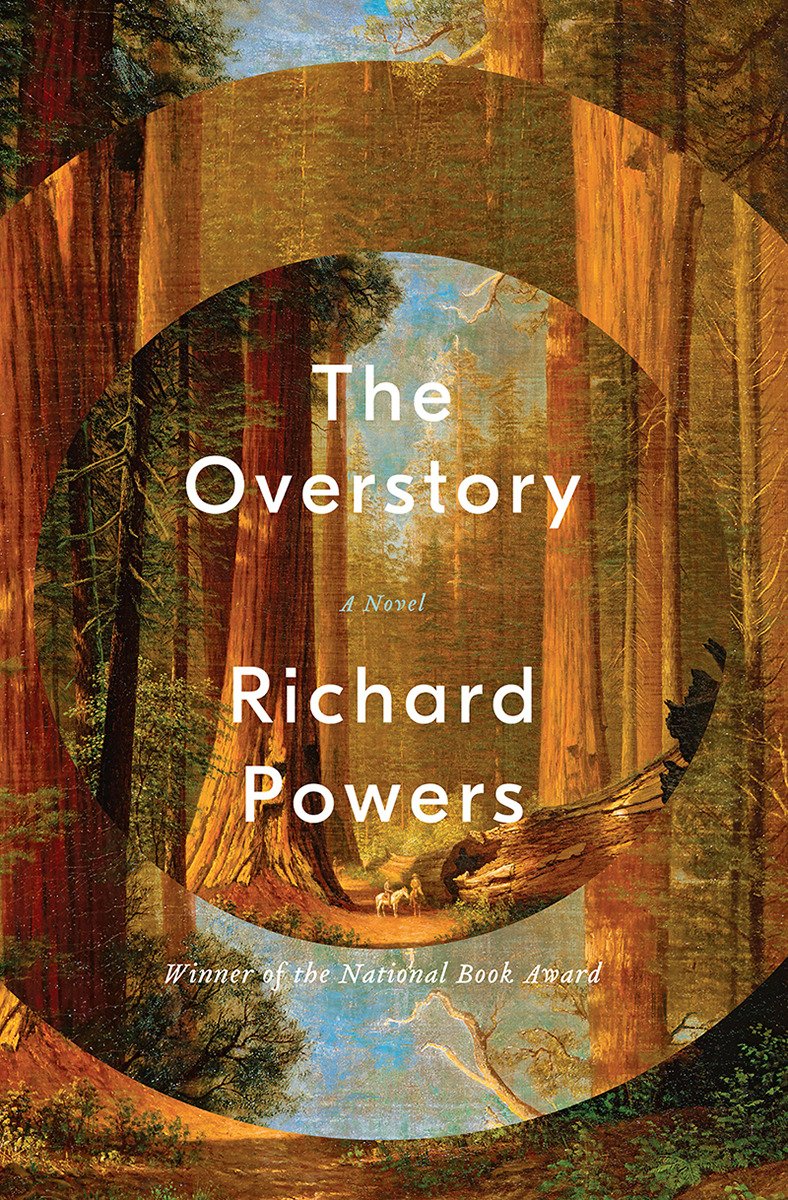 'The Overstory,' by Richard Powers
The 2019 Prize in Fiction: Richard Powers, The Overstory
According to Richard Powers in a 2002 interview with The Paris Review, an isolated writing space is integral to the writing process. He called it “its own form of research,” saying “I wanted to see what the world looked like when I was thrown back entirely upon my imagination, cut off from all material sources.” While it's difficult to fully endores the “sensory-deprivation tank” Powers jokingly referred to as the ideal environment, there’s certainly a merit to being alone with your imaginings.
Step Two: Trust your voice.
 'Less,' by Andrew Sean Greer
The 2018 Prize in Fiction: Andrew Sean Greer, Less
Before beginning, Andrew Sean Greer stresses the importance of finding comfort in one's writing style. He put it clearly and succinctly in a 2014 interview with The Writer:
“I write the way I write, and I no longer feel apologetic about it.”
Approaching the writing process with this mentality from the start can make your work more authentic and more personally satisfying, as you’ll experience the same “great, great relief” that Greer emphatically commends.
Step Three: Identify your subject.
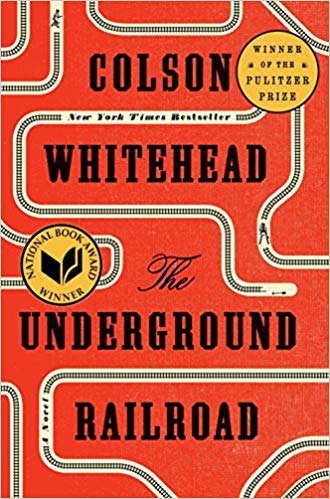 'The Underground Railroad,' by Colson Whitehead
The 2017 Prize in Fiction: Colson Whitehead, The Underground Railroad
With a properly prepared headspace and physical space, it's time to home in on a topic. But, as Colson Whitehead wrote in a 2012 New York Times article and later shared at the 2015 Muldoon’s Picnic variety show, “don’t go searching for a subject, let your subject find you.”
As frustrating as it might be to think and rethink ideas, Whitehead assures aspiring writers that “once your subject finds you, it’s like falling in love.” In the meantime, patience becomes the most critical of virtues. After all, “you can’t rush inspiration.”
Step Four: Dig deep.
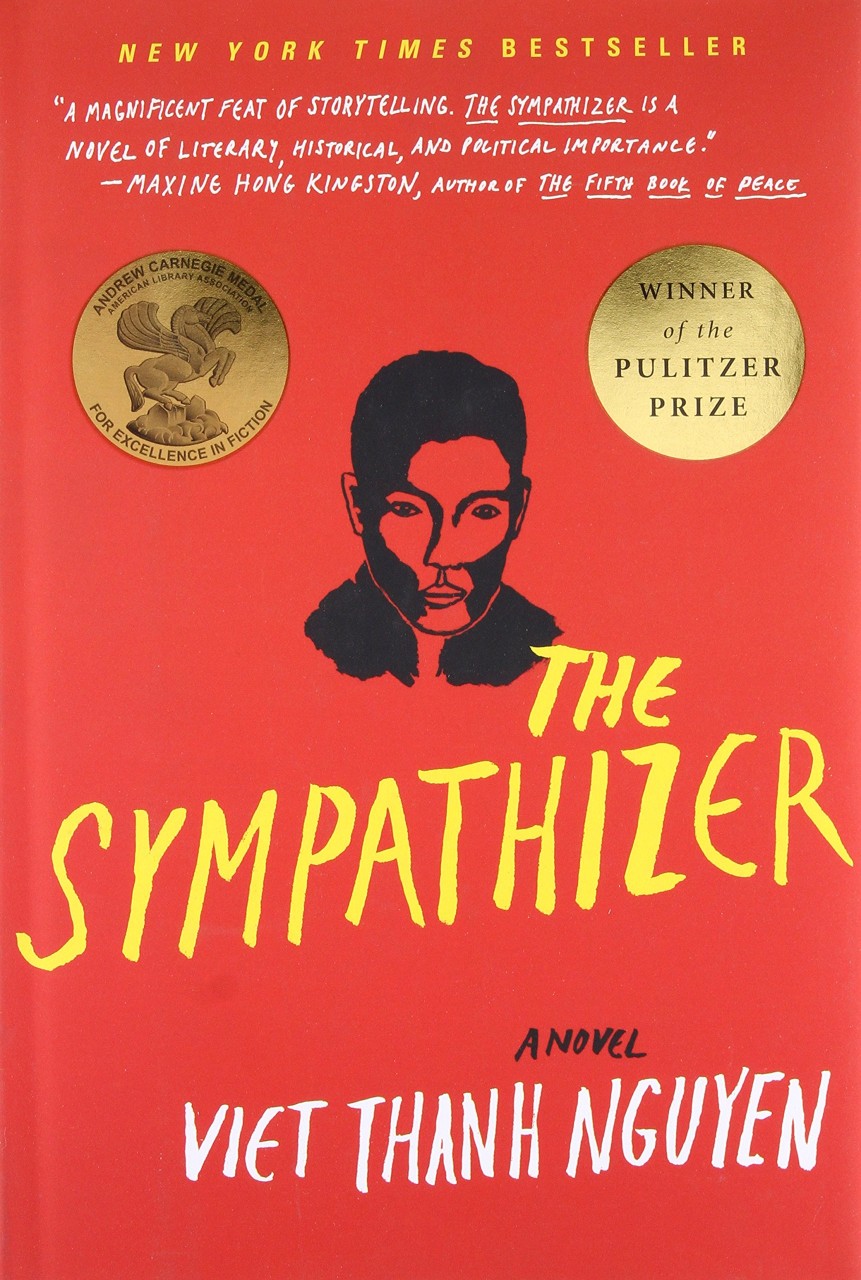 'The Sympathizer,' by Viet Thanh Nguyen
The 2016 Prize in Fiction: Viet Than Nguyen, The Sympathizer
A topic has presented itself. Now, dive right in.
Viet Thanh Nguyen spoke with Guernica in June 2019 about how he planned out his Pulitzer-winning work to include the variety of perspectives on the Vietnam War, saying “the collection is about refugees, but it is also about men and women, older people and children, straight people and gay people, Vietnamese people and non-Vietnamese people.”
Nguyen ended up using “an Excel sheet to keep track of the different types of characters and stories.” While one could follow Nguyen’s electronic strategy, other ways to dig into your topic might include story arc maps, sorted index cards or scribble-ridden legal pads and a trusty pen or two.
Step Five: Full steam ahead.
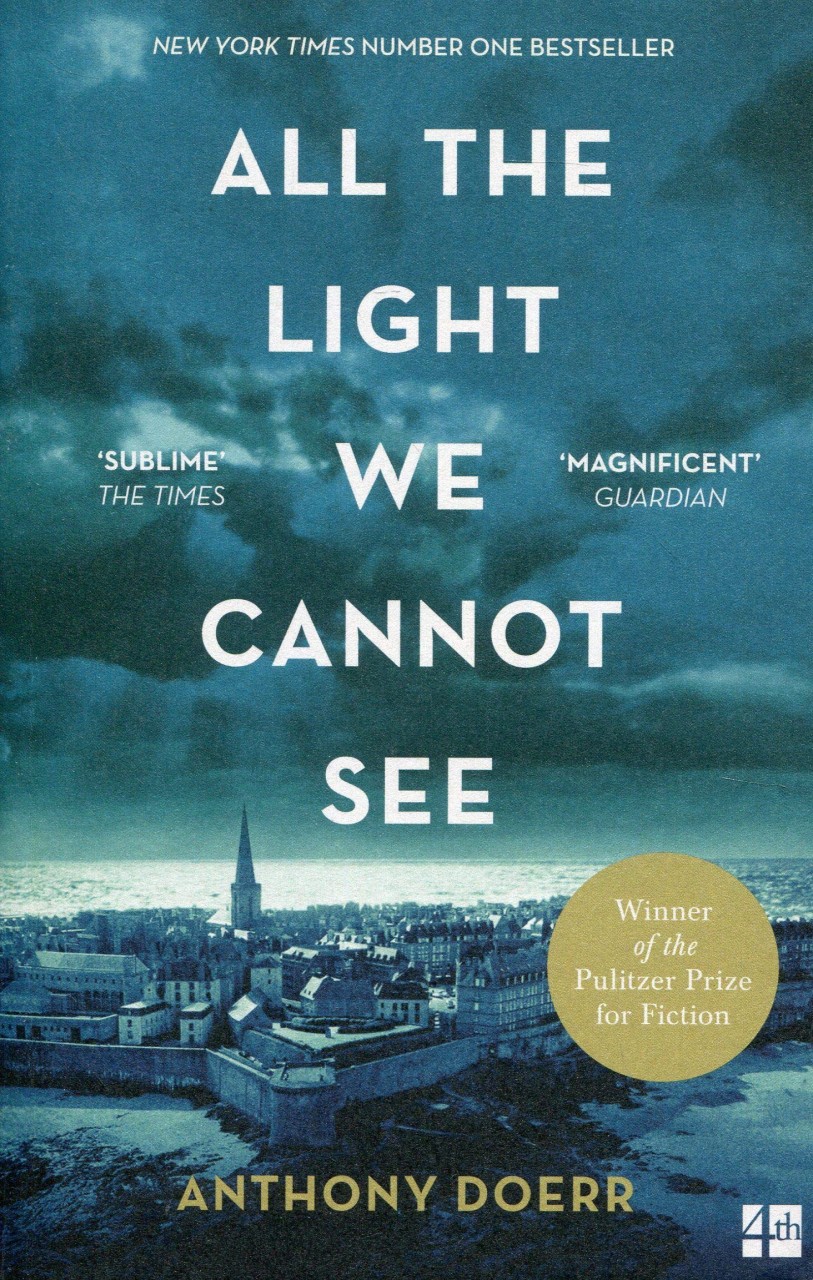 'All the Light We Cannot See,' by Anthony Doerr
The 2015 Prize in Fiction: Anthony Doerr, All the Light We Cannot See
With subject and game plan in hand, the next rule is, according to Anthony Doerr, breaking the lot of them.
In his September 2019 interview with Literary Hub, he emphasized his own “bristling aversion to rules.” He continued, “the stories I loved usually broke two or three of them in the first five pages.”
Even though literary “rule makers” have noble intentions in mind — Doerr noted the valid apprehension toward “time-jumping” in particular — sometimes the best method to busting through that foreboding first page is to write recklessly. Break rules; remake conventions. Get thoughts onto paper in whatever way works.
Step Six: Embrace the mess.
 'The Goldfinch,' by Donna Tartt
The 2014 Prize in Fiction: Donna Tart, The Goldfinch
At this point in the process, things might start to seem more chaotic than coherent. Rather than viewing the disarray as discouraging, trust Donna Tart in her 2013 Salon interview:
“It seems like a huge mess because it is a huge mess.” However, this mess is productive as it mimics the swirl of thoughts circling through your head. Tart said all her books started in this “nebulous” state, and “trying to explain them to people was like trying to explain a dream.”
Don’t try to sort out the dream state and, instead, focus on the excitement and energy it represents.
Step Seven: Allow surprises.
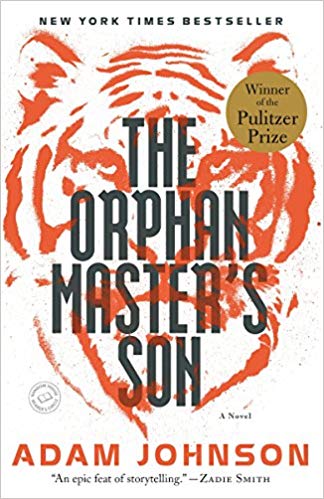 'The Orphan Master's Son,' by Adam Johnson
The 2013 Prize in Fiction: Adam Johnson, The Orphan Master’s Son
Adam Johnson extensively researched North Korea for his Pulitzer-winning novel, even making the trip to see it for himself. Despite vigorous preparation, there were still surprises that affected the direction of his book.
He mentioned one of the most poignant in a 2015 interview with Greenville News. “Our portrait in the West is of a place that is evil or clownish or crazy. But the surprising thing is how much we have in common.” He continued, “they want the same thing we want—safety, security, opportunity, a better future for their kids.” Johnson experienced firsthand how powerfully a surprise can affect the writing process.
"The Orphan Master’s Son" is a testament to the incredible bounty of an open mind.
Step Eight: Be vulnerable.
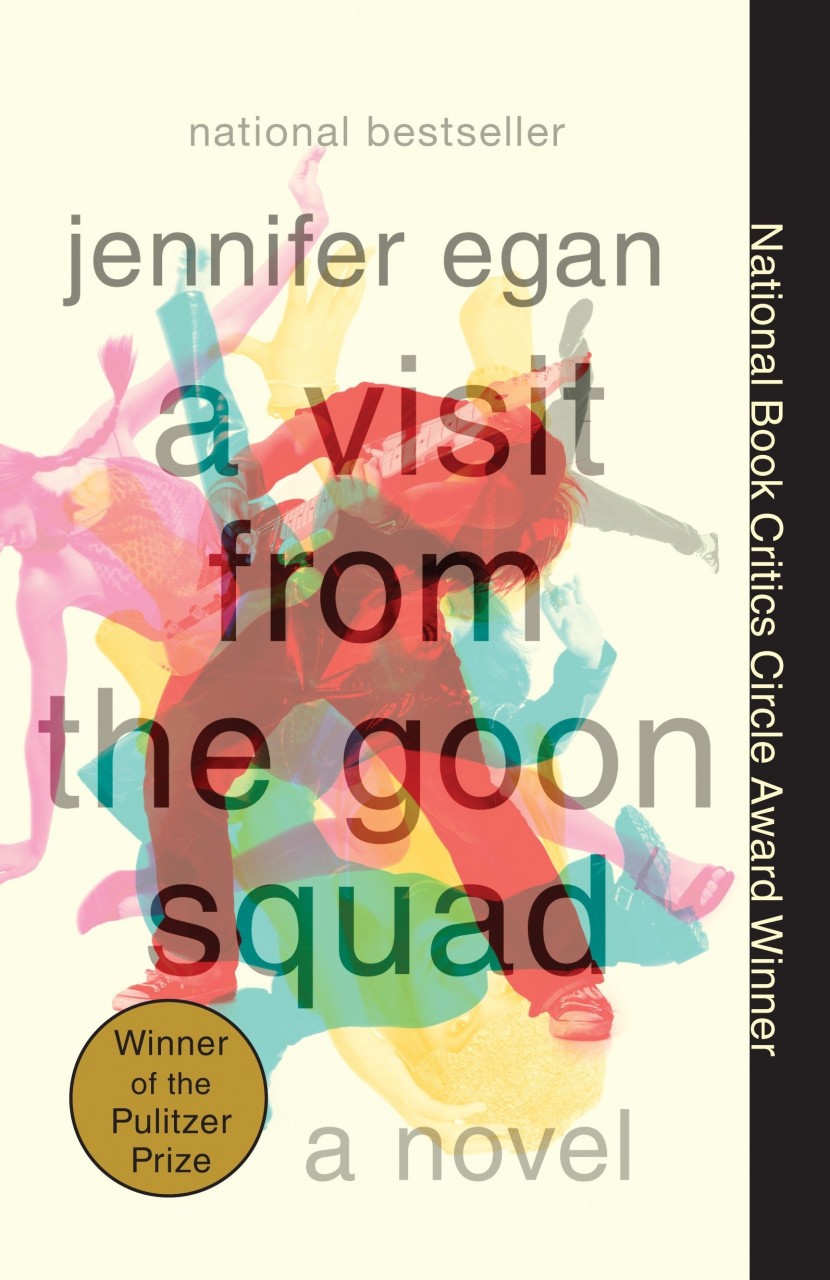 'A Visit from the Goon Squad,' by Jennifer Egan
The 2011 Prize in Fiction: Jennifer Egan, A Visit from the Goon Squad
In addition to opening oneself mind to surprises, Jennifer Egan reminds us that an open heart is perhaps more important. During her research for the Pulitzer-winning A Visit from the Goon Squad, Egan interviewed a welder named Ida who was “laughed at repeatedly” when she applied for a permanent position after working in welding during WWII. Egan elaborated in an 2011 interview with The Wall Street Journal: “that was really powerful to think about, you know, that women were told their whole lives that they could not do this kind of work then begged to do it because that’s what the Rosie the Riveter campaign was all about—getting women to want to do this—and proving that they could do it really well and then mocked for even imagining that they might continue to do it.” Egan channeled this emotion into her work, and the brilliance of A Visit from the Goon Squad emphasizes the importance of maintaining vulnerability throughout the writing process.
Step Nine: Let the process run its course.
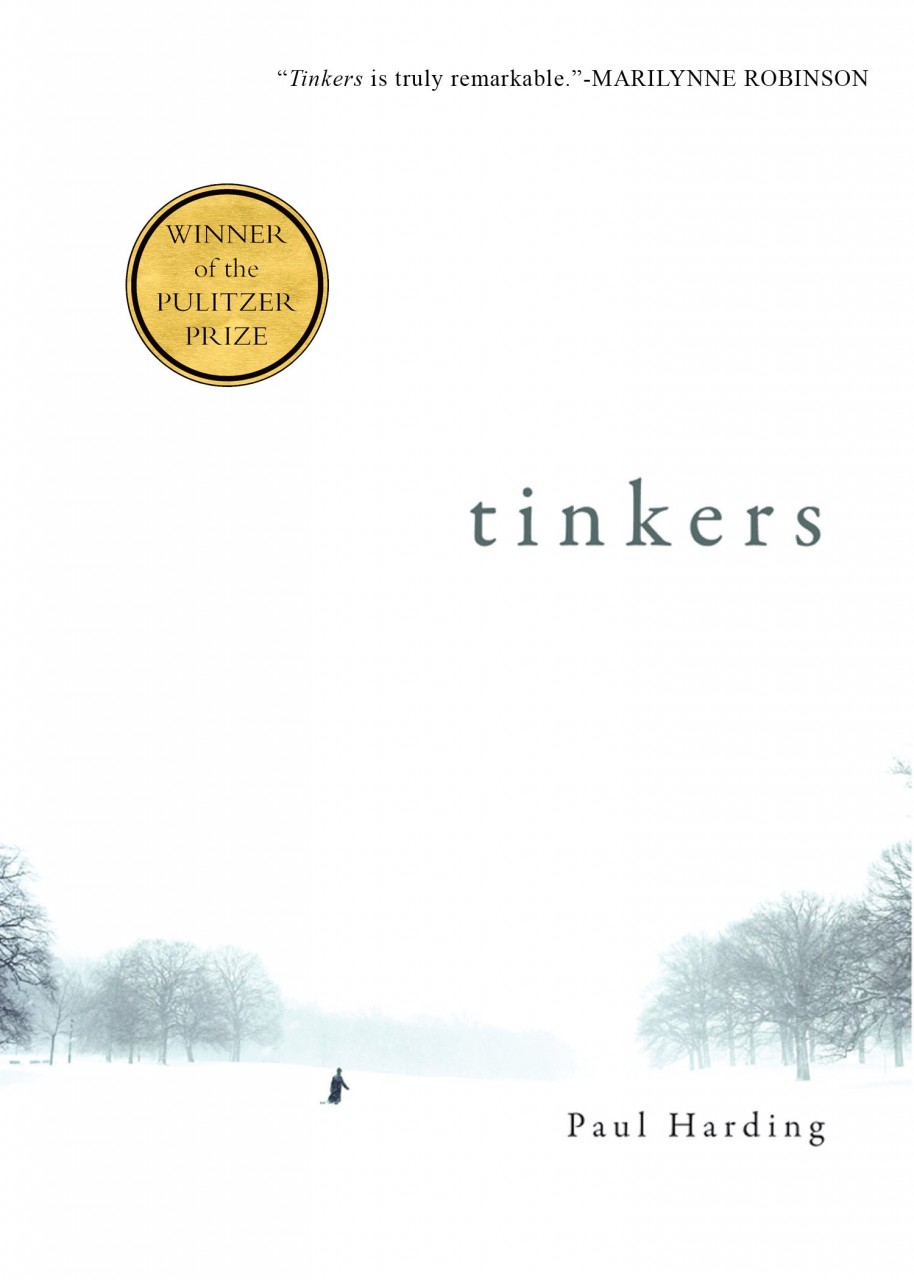 'Tinkers,' by Paul Harding
The 2010 Prize in Fiction: Paul Harding, Tinkers
As whirling thoughts fashion themselves into cohesive narrative, self-consciousness of one’s own writing process may begin to set in. Paul Harding warned against this behavior in a 2013 Publishers Weekly interview. Instead of fretting about how you should be getting your work done, “get your art written any way you can.” He goes on to emphasize that “a huge part of being a writer is discovering your own intellectual and aesthetic autonomy, and how you best get the best words on the page.” Avoid comparing or condemning your own methods if they’re working for you, for at the end of the day, if the “thrilling, amazing work of art” exists then you’ve done the best job you possibly could have.
Step Ten: Get out of your own way.
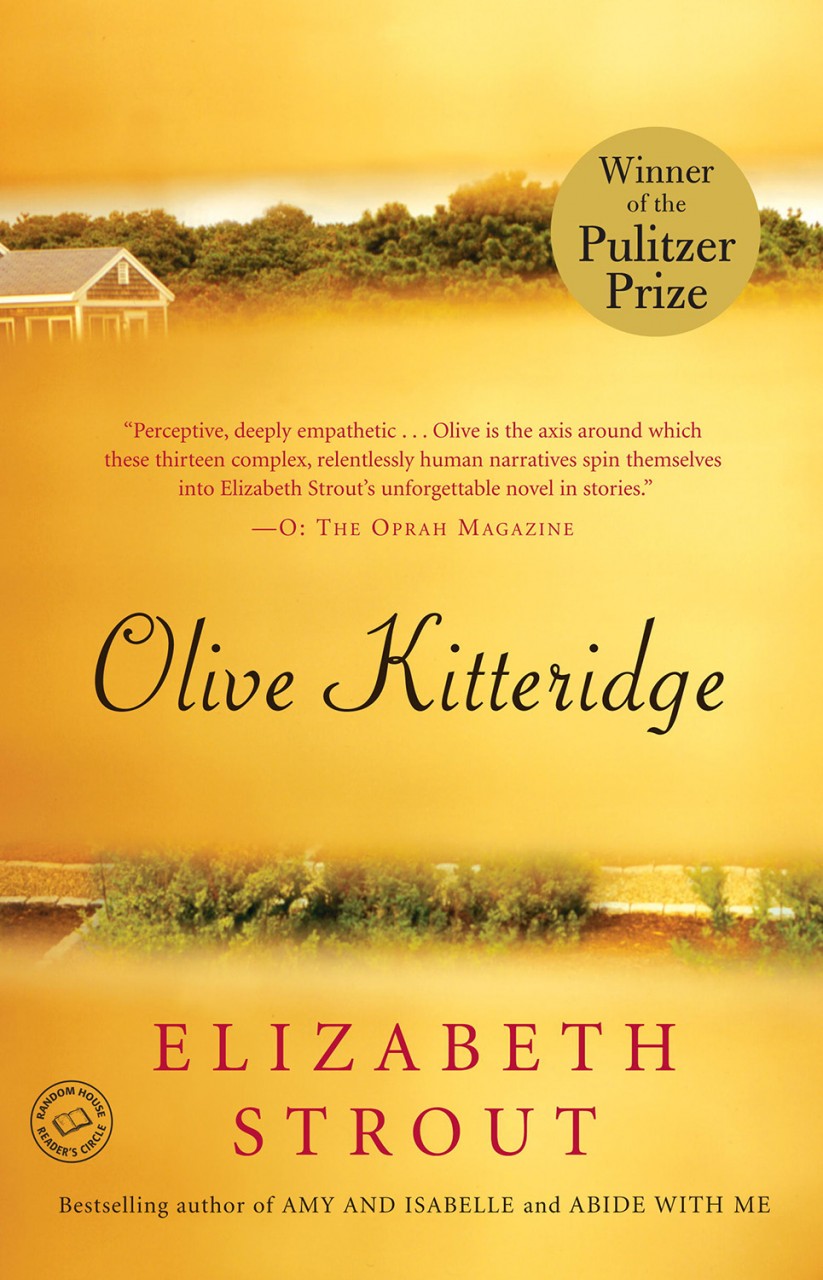 'Olive Kitteridge,' by Elizabeth Strout
The 2009 Prize in Fiction: Elizabeth Strout, Olive Kitteridge
Having established a writing process that instills you with confidence in its open-minded, rule-breaking individuality, the last step may be the most difficult: relinquish control. Elizabeth Strout learned this lesson while writing Pulitzer-winning Olive Kitteridge. Of her characters, Strout proclaimed in a 2017 Seattle Times interview that “you just let them do what they need to do.” She recalled one moment in particular when Olive was acting, as Strout puts it, “kind of harsh.” However, she cued herself into this non-judgmental mindset, saying “you should just let her do it, you should just let her rip.” And so she did, creating an incredible text in the process.
The last decade of Pulitzer history saw seminal texts of both heart-wrenching and hilarious varieties. More impactful, however, have been the people behind them. These authors used sharp visions and constructive strategies to deliver monumental fiction. Stringing their advice together produces a game plan that can inform and inspire writers of all backgrounds — award-winners and emerging minds alike.