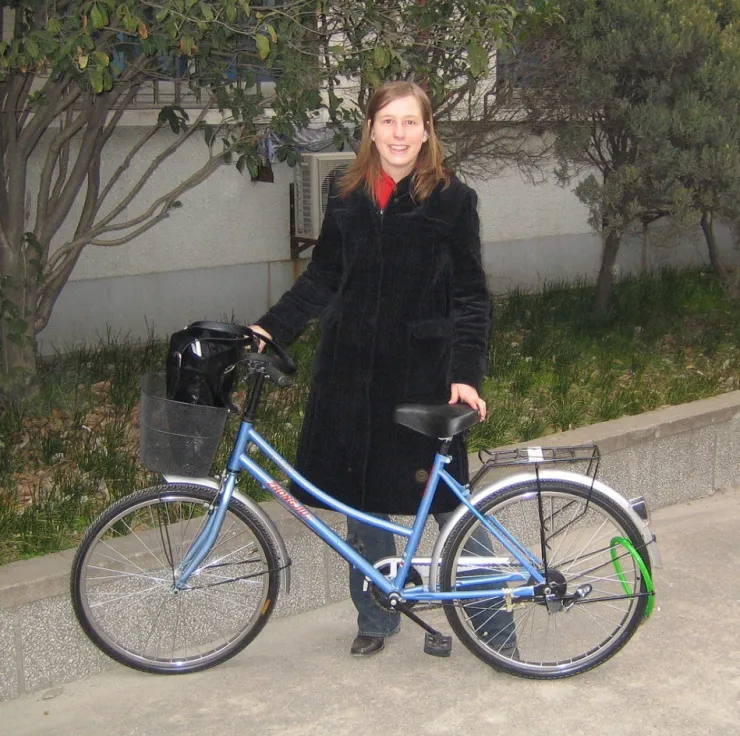
Kathleen Kingsbury of The Boston Globe won the Pulitzer Prize in Editorial Writing in 2015, and a lesser known tenet of Joseph Pulitzer’s will helped her do it.
Pulitzer left $2 million to Columbia University to be used to start both a school of journalism and the Pulitzer Prizes. His will also called for the annual awarding of traveling fellowships. To this day, four fellowships are awarded to top students in each year’s journalism class. The current amount is $7,500. A fifth fellowship goes to a graduate who is embarking on a career of cultural criticism.
Kingsbury won her fellowship in 2004, the year she was the top graduate in her class. In this essay she links the work she did while using the fellowship with the editorials a decade later that won her the Pulitzer Prize.
How Kissinger’s prophecy pointed the way
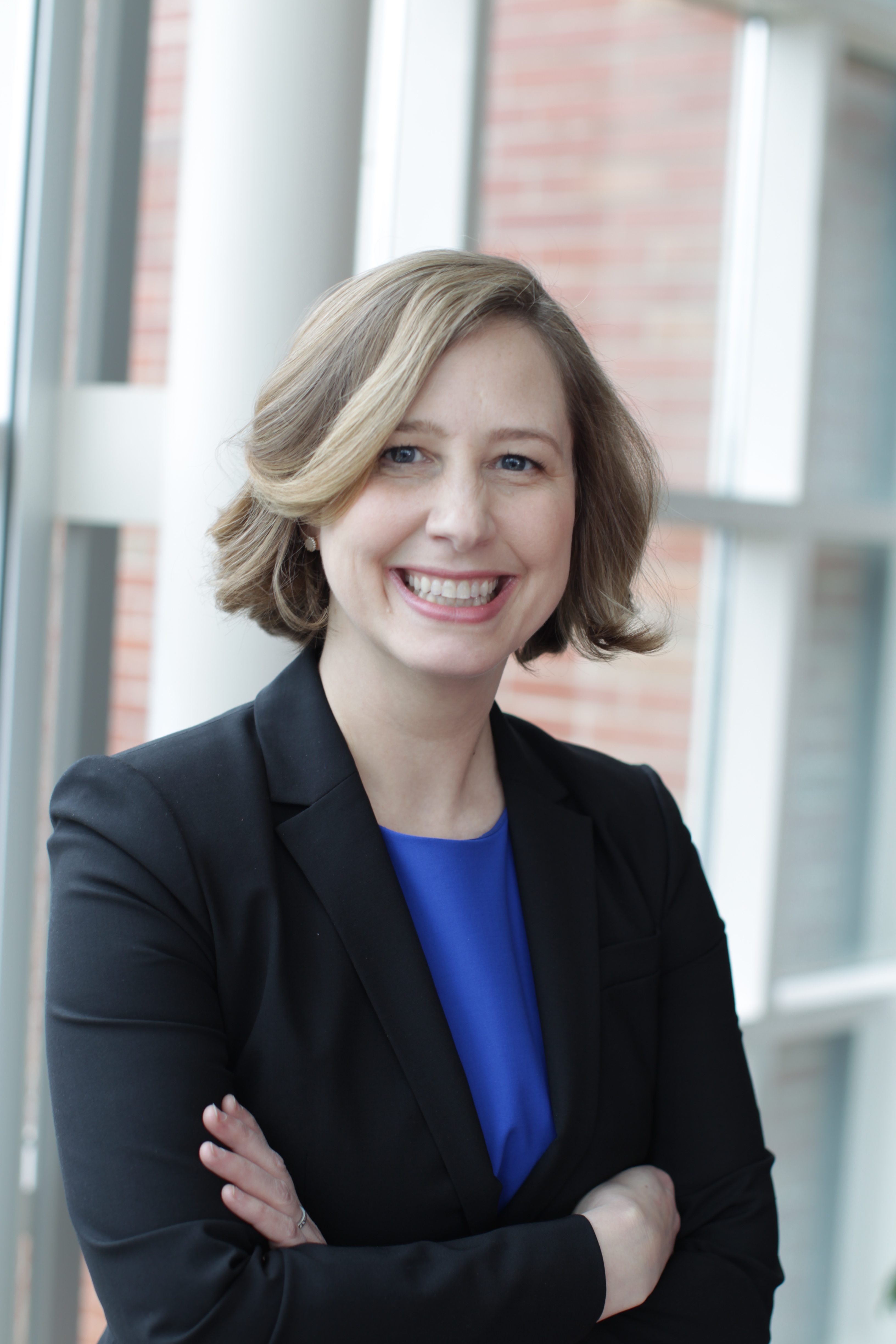
Kathleen Kingsbury
By KATHLEEN KINGSBURY
China, at the start of 2005, was in its salad days, as the Asian giant absorbed dramatic economic growth and development. The Olympics were coming, and every multinational corporation was trying to get its foot in the door to capitalize on a burgeoning market of one billion Chinese consumers. Shanghai especially was abuzz with tremendous energy. All around me, I watched as the city recreated itself at breakneck pace. Once, after a vacation, I returned home to find that the strip mall across from my Shanghai apartment block had been demolished and rebuilt, all within the three weeks I’d been away.
There’s lots of work to be done in a boom — erecting buildings, tearing down others, risking fortunes and careers. My job was to write.
Lots of journalists say they'd do their jobs for free, which is a fine thing to say until you need to house and feed yourself. Thanks to the Pulitzer Traveling Fellowship, I was able to do both in the midst of one of the biggest stories of the century.
In June of 2004, I had sat at my parents’ kitchen table, poring over a world atlas.* I’d graduated from Columbia Journalism School a few weeks before, and I was trying to decide what to do next — where my career would take me. There was a war in Iraq, a transition in Africa’s Great Lakes, the timeless lure of the Rive Gauche.
The only problem that comes with a blank check is deciding where to cash it in. I settled on Shanghai.
In high school, I had heard Henry Kissinger, the former secretary of state and national security adviser, address an audience at Harvard. Kissinger famously brokered the U.S.-China détente in the early 1970s, but his message that day was different, and for whatever reason, it resonated: China was going to be the 21st century’s superpower, and all young Americans needed to know more about it.
I went to Hong Kong as quickly as I could, arriving for the first time just as the British were handing the island over to China. Later I studied Mandarin as a college undergraduate.
Fast-forward eight years, and I was again packing my bags for the 16-hour flight from New York to China. One of the selling points of moving to Shanghai was financial — rent and food were cheap. My fellowship money would keep me afloat for months there as I figured out how to start stringing. I also used the money to begin studying Mandarin again at Fudan University.
I made friends, devoured dumplings, plugged away at my language skills and picked up steady reporting gigs with Businessweek, the LA Times and other news organizations.
This experience made my career. For one, a few years later, when I’d become a reporter at Time magazine, it helped me make a strong case for why I should become Time’s Asia correspondent: I spoke Chinese and knew the region. I soon found myself back in Hong Kong for one of the greatest jobs in journalism, watching closely as China’s growth — and the world’s really — slowed at the onset of the financial crisis.
What’s more, working and living in China in the mid-2000s taught me how profoundly important and fascinating business reporting is. I’d never been a numbers person, but in Shanghai just then, economic policy was driving generational change in migration, housing, labor, tourism, crime, really every corner of life. It was impossible to ignore. So when I first arrived at Time, I jumped at the chance to cover business.
Nearly ten years later, I found myself at The Boston Globe crafting a series of editorials about labor conditions in the restaurant industry. I like to think my business reporting background strengthened my arguments in that debate and drew me to it in the first place. But I also got to amuse my colleagues with my now somewhat rusty Mandarin as I tried to track down abusive, cagey Chinese buffet owners by phone.
There’s a useful Chinese expression “ting bu dong,” which loosely translates to “I hear you, but I don’t understand." Journalism is all about learning to do both those things, and it was the time on the Pulitzer Traveling Fellowship that taught me to do them.
* For those of you born after 1990, an atlas is a printed book of maps.
Bio
Kathleen Kingsbury is the editor of The Boston Globe’s Ideas section, which covers new thinking, intellectual trends and the big ideas and opinions shaping our world. In this role, she’s also deputy managing editor for the paper. Kingsbury has also worked as a New York-based staff writer and Hong Kong-based foreign correspondent for Time magazine. Kingsbury was awarded the 2015 Pulitzer Prize for distinguished editorial writing and edited the Globe's 2016 Pulitzer Prize-winning commentary on race and education. She is 2004 graduate of the Columbia Journalism School.