Tampa Bay Times, by Tim Nickens and Daniel Ruth
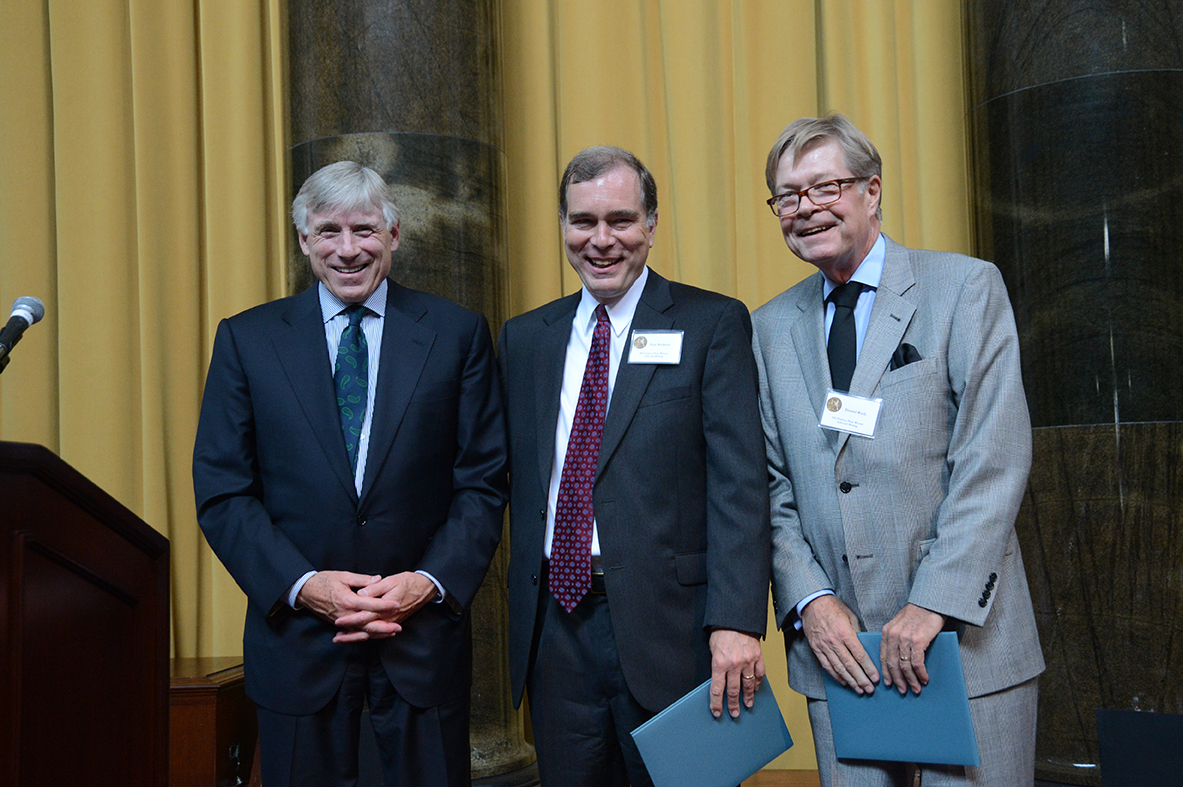
Lee C. Bollinger, President of Columbia University (left), presents the 2013 Editorial Writing prize to Tim Nickens (center) and Daniel Ruth (right) of the Tampa Bay Times.
Winning Work
By Tim Nickens and Daniel Ruth
This is a defining moment for Pinellas County, where Midwestern sensibilities run deep and extremism usually fails. It’s been nearly three months since the county stopped putting fluoride in its drinking water. The reason: Four county commissioners sided with a handful of tea party followers, conspiracy theorists and a tiny antifluoride group misnamed Citizens for Safe Water. Nancy Bostock, Neil Brickfield, John Morroni and Norm Roche turned their backs on established science and public health.
The evidence that fluoridating drinking water is safe and prevents tooth decay is overwhelming and widely embraced. The Centers for Disease Control and Prevention, the U.S. Environmental Protection Agency, the American Dental Association, the Florida Department of Health and the Pinellas County Dental Association stand behind it. Yet these four county commissioners voted last fall to stop spending $205,000 on fluoridating water to improve the dental health of 700,000 residents. The annual savings per resident works out to 29 cents.
The first U.S. cities began adding fluoride to their water supplies in the 1940s. Now 196 million Americans drink fluoridated water, including 13 million Floridians. St. Petersburg, Dunedin, Gulfport and Belleair are on separate systems and continue to fluoridate their drinking water. So do Tampa, Temple Terrace and Hillsborough County. Plant City expects to start adding fluoride to its water by September, and the Pinellas Park City Council voted this year to start adding fluoride back.
Pinellas now operates the largest water system in the nation to discontinue fluoridation in recent years. Antifluoride activists use the commission’s decision to lobby local governments across the country to stop adding fluoride to drinking water. That’s not good for a county eager to be seen as a sophisticated destination for recreation, the arts and high-tech jobs.
The fluoride fight raises larger questions about our values: Are we going to let scare tactics trump established science? Are we going to risk public health to shrink government’s role in society? Are we going to allow distortions and misstatements to drive political debate?
Pinellas should reverse course and add fluoride into the drinking water again. The opponents are small in number but vocal, determined and ready with distortions, half-truths and misstatements. Commissioners Bostock and Brickfield are up for re-election this fall, and voters should hold them accountable. Our community has long valued pragmatism and the greater good over extremism and selfish interests. It would take only one vote to change on the County Commission to reaffirm those values.
* * *
5 fears, facts on fluoride
1. Science
CLAIM: The federal government cannot cite a double-blind/peer-reviewed scientific study that proves the health benefits of fluoride. Kurt Irmischer, a Clearwater financial planner and president of Citizens for Safe Water, recently sent a mailing calling removing fluoride in drinking water “the health care imperative of the 21st century” and listed “the Lies we have been led to Believe.”
FACT: Studies comparing the dental health between communities that add fluoride in drinking water and those that don’t are numerous and peer-reviewed. Dr. Barbara Gooch, director for science for the Centers for Disease Control and Prevention’s Division of Oral Health, said studies show there is generally a 25 percent reduction in tooth decay in the fluoridated communities. The reduction was higher before fluoride toothpaste.
There is a good reason there are no doubleblind studies, where residents in the same community wouldn’t know if they were drinking water with added fluoride or without it. Dr. William Bailey, the CDC’s acting director for oral health and the chief dental officer for the U.S. Public Health Service, said it is impossible to conduct such a study. “You cannot deliver (fluoridated) water to one house and not the other,’’ he said. The double-blind/peer review argument doesn’t hold water.
2. Risk
CLAIM: Fluoridated water causes widespread fluorosis, a discoloring of the teeth; skeletal fluorosis, which causes pain in bones and joints; a risk of cancer; and thyroid damage. A November 2010 CDC study found more than 40 percent of kids ages 12 to 15 have dental fluorosis.
FACT: Most of those were mild cases of dental fluorosis, which are often hard to diagnose and barely recognizable as flecks on teeth. Severe dental fluorosis occurs in less than 1 percent of the general population. The CDC cites another study that mild fluorosis has risen, but the portion of low-income teens with tooth decay decreased from 73 percent in 1988-1994 to 65 percent in 1999-2004.
Kip Duchon, the CDC’s fluoridation engineer, said there have been a handful of skeletal fluorosis cases in the decades since fluoride was introduced into drinking water, and they generally aren’t tied to routine drinking of potable water. Some studies show fluoridation can help strengthen the bones, and repeated studies have not established a clear link between fluoridation and cancer or thyroid damage. Over the decades, fluoridation has not posed any significant health risk in the United States.
3. Need
CLAIM: It is unnecessary to add fluoride to public water supplies since it is available in toothpaste and other supplements.
FACT: There are sources other than drinking water for fluoride, which is why the U.S. Department of Health and Human Services recently recommended lowering fluoridation levels to 0.7 milligrams per liter of water instead of a range of 0.7 to 1.2 milligrams based on the community’s climate. The Pinellas level was only 0.8 milligrams per liter. But even with toothpaste containing fluoride widely available, fluoridated water still can result in 25 percent reduction in tooth decay. It benefits children as well as the elderly, who are living longer and keeping more of their teeth. Fluoride, combined with other fluoride products such as toothpaste, enhances oral health.
4. Conspiracy
CLAIM: There are plenty of conspiracy theories regarding the federal government and fluoride, such as alleged connections to the Manhattan Project or secret coordination with sugar growers or heavy industry. Tom Nocera, a Pinellas resident and longtime fluoride opponent, cryptically suggests a link between the introduction of fluoride into the Pinellas County water system in 2004 and former Pinellas County Commissioner Steve Seibert. Seibert joined the Mosaic Co.’s board of directors in 2004 and served as secretary of the Department of Community Affairs under Gov. Jeb Bush. Mosaic, one of the world’s leading producers of phosphate, from which fluoride is a byproduct, provided Pinellas County’s fluoride.
FACT: Seibert left the County Commission in 1999. He was on Mosaic’s board of directors at the time the Pinellas commission voted to add fluoride to the drinking water. Now a Tallahassee lawyer, he said he had “absolutely nothing” to do with the decision. Mosaic spokesman Russell Schweiss said fluoride sales represent about 0.02 percent of the company’s estimated $6.7 billion in annual revenue. The implication there was a conspiracy to win the Pinellas contract is baseless.
5. Bottom line
CLAIM: The federal government will not vouch for fluoride.
FACT: The EPA, which is responsible for the safety of the nation’s drinking water, sets the standards for fluoride in drinking water. The CDC is unequivocal in its support. “We promote water fluoridation as effective,” Bailey said. “We would say absolutely it is safe.”
The flouride four
Commissioners who voted down flouridation
- Nancy Bostock, District 3, elected countywide
- Neil Brickfield, District 1, elected countywide
- John Morroni, District 6, south Pinellas
- Norm Roche, District 2, elected countywide
The experts
Centers for Disease Control and Prevention
- Dr. William Bailey, acting director, oral health
- Dr. Barbara Gooch, director for science, oral health
- Kip Duchon, flouridation engineer
By Tim Nickens and Daniel Ruth
When it comes to common sense and public health, the cities are running circles around Pinellas County. First, Pinellas Park city commissioners voted to add fluoride back into the city's drinking water. Now city commissioners in Tarpon Springs have voted unanimously to design the city's new water treatment plant so it can add fluoride. Drip by drip, elected city leaders are proving to be more enlightened than the four county commissioners who ignored science and voted to stop adding fluoride into the county's drinking water.
The fluoride fight has become a traveling road show with more heat than light and many of the same faces. Four county commissioners blindly accepted misinformation about fluoride and misguided rhetoric about small government from the tea party crowd: Nancy Bostock, Neil Brickfield, John Morroni and Norm Roche. In Tarpon Springs this week, the city commissioners were not so easily manipulated or bullied.
For example, Kurt Irmischer of the antifluoride group Citizens for Safe Water again implied that fluoride's health effects have not been adequately studied. There have been plenty of academic studies that document the benefits and safety of fluoridating drinking water to reduce tooth decay, and those studies have been thoroughly reviewed by the scientific community. Irmischer's warning about the lack of a double blind study is a misdirection play. As the Centers for Disease Control and Prevention explains, that sort of study is impossible because public water systems cannot deliver fluoridated water to one house but not another.
Unlike the Fluoride Four on the County Commission, Tarpon Springs city commissioners did not buy the double-talk. They voted in favor of the dental health of their constituents after listening to two hours of public debate. Tarpon Springs City Commissioner Jeff Larson, a middle school teacher who initiated the discussion, points out government routinely makes decisions about safety and public health, from requiring vaccinations for public school students to seat belts in motor vehicles. But apparently not at the county courthouse.
Tarpon Springs buys 80 percent of its drinking water from the county now, but in two years it will supply its own after a new $45 million water treatment plant opens. The City Commission voted this week to add fluoridation equipment to the plant at a cost of about $70,000. That's a small investment for a significant return in public health, particularly in a city with a number of low-income neighborhoods where families don't have the money for expensive dental care.
"I see too many individuals who don't have good dental care, who don't go to the dentist until it is too late,'' Tarpon Springs Mayor David Archie said in an interview Thursday. "This is an opportunity to look at how to enhance the quality of life for others.''
For those keeping score, St. Petersburg, Dunedin, Gulfport and Belleair have their own water systems and continue to add fluoride to their drinking water. Pinellas Park will add it back in the coming months, and Tarpon Springs is now on board. Pinellas County is headed in the opposite direction. The County Commission on Tuesday will vote to donate to Dunedin $12,000 in liquid fluoride that has sat unused since January. It would take only one vote to put that fluoride back in the county drinking water for the benefit of 700,000 Pinellas residents whose dental health has been sacrificed.
By Tim Nickens and Daniel Ruth
They started lining up shortly after sunrise in the county that rejected science and removed fluoride from the drinking water. By midmorning, the Pinellas County Health Department was jammed with families waiting for free dental exams for their children that could include cleanings, X-rays, fillings - and fluoride treatments. These are the voices that four county commissioners ignored when they voted against public health.
Those who drove or took the bus to the sparkling office on Ulmerton Road last week had little money. Some earned too much to qualify for Medicaid but not enough to afford dental care for their kids. Others were unemployed or military veterans. Many were aware that four county commissioners - Neil Brickfield, Nancy Bostock, John Morroni and Norm Roche - had voted to stop putting fluoride in the drinking water this year. They did not understand why their elected officials would jeopardize their children's health.
Althina Ford of St. Petersburg brought her two grandchildren, ages 9 and 10, and waited for their turn. "Fluoride is good for you,'' she said. "If it's good for you, they should keep it in. If they take something that's good for you away, they shouldn't be elected."
Margarita Marian of Seminole struggled to keep track of her six children as she waited for them to see the dentists. "Fluoride. They're supposed to leave it there," she said, adding she would never vote for a politician who removed it from the drinking water. "Fluoride is better for kids."
Julie Opsahl of Clearwater was waiting with about 50 other families when the doors opened at 8 a.m. She was still waiting three hours later for her number to be called for her 9-year-old and 15-month-old sons. The family has no health insurance, and the unemployed teacher said she now gives fluoride drops to her youngest son at the suggestion of her pediatrician. "I know it's important for kids to have,'' she said, "so I have to add it now.''
This is the irony of the Fluoride Four's foolish decision. They saved the county $205,000 by no longer adding fluoride to the drinking water. But taxpayers will spend roughly $27,000 on free dental care for 267 children who showed up last week, including the cost of fluoride treatments. And that's just the start.
Pinellas County employs nine full-time and seven part-time dentists. Last year, the health department helped 12,356 patients with 113,524 various dental services. Aside from the annual free care days, children whose families are on Medicaid pay no charge; fees for other children are on a sliding scale based on income. Without fluoride in the drinking water, the county health department's dentists will only get busier.
"I thought it was a terrible decision," said Christina Vongsyprasom, dental services manager for the health department. "We will see over time more children with dental caries (cavities), absolutely."
Dr. Stacey Golden, who oversaw the health department's free clinic event, said the controversy over fluoride has heightened public awareness about dental health. She said roughly nine of 10 families who seek dental care for their children at the health department want the fluoride treatment. Yet the Fluoride Four caved in to pressure from vocal tea party supporters and antifluoride activists who misrepresented the science.
No wonder two of the antifluoride commissioners who are seeking re-election this fall don't want to talk about it. At a recent Suncoast Tiger Bay Club forum, Bostock and Brickfield deflected questions about their votes to take fluoride out of the water. Instead of dismissing the issue as old news, they should read the memo on the county health department's website: "Water fluoridation continues to be the most cost-effective, practical and safe means for reducing and controlling the occurrence of tooth decay.''
Bostock and Brickfield also should listen to the county's own dentists. They should explain how it makes sense to take fluoride out of the drinking water and then spend even more public money on dental care for poor kids, including fluoride treatments. And they should visit the county health department and talk to the parents who know what's right even if their elected officials don't.
By Tim Nickens and Daniel Ruth
Gov. Rick Scott and his right-wing extremists in the Legislature are putting their hatred of President Barack Obama and health care reform ahead of Florida's poor children. Their rejection of a modest federal grant that has helped dozens of families in Pinellas County and hundreds statewide shamefully values rigid political ideology over the well-being of our own residents. But such callous calculations do not reflect the values of Floridians, who should demand better.
Scott's Department of Health has turned down a $4.9 million federal grant tied to the Affordable Care Act because the Legislature refused to allow the money to be spent. The Healthy Start Coalition of Pinellas has used its share of last year's money - which the Legislature approved because it was also tied to another federal program - to focus on parents with children who are born with drugs in their system. The mother or father, or both, work with a parent educator who can help them with all sorts challenges. It might be drug treatment or a job search, or parenting classes or housing, or finding a food bank or mental health counseling. Now 84 Pinellas families with 217 children will lose that help unless the Healthy Start Coalition can cobble together another solution. The message from Tallahassee: Tough. You're on your own.
There is nothing conservative about rejecting this federal money, part of a five-year, $1.5 billion program that uses home visiting programs to help at-risk poor children. It won't lower the federal deficit, because you can bet a more enlightened state will take the cash. It is not top-down government, because the program relies on folks on the ground like the Healthy Start Coalition to tailor the help to meet the needs of individual families. It is not about accountability, because the coalition has been around for two decades and has proven results. It certainly isn't about being cost efficient. Investing a modest amount of public dollars to help these families now will save plenty of money later if these children can stay out of foster care, in school and out of trouble that leads to crime and prison.
This is about ideological purity at the expense of Floridians who need help. Scott fought Obama and health care reform before he was elected governor. He and the Legislature have rejected millions in federal money tied to the law, and they fought the law all the way to the U.S. Supreme Court. They lost in court, and still they refuse to accept much of the health care money or prepare to carry out the reforms. While they hope Mitt Romney wins the presidential election and persuades Congress to repeal the Affordable Care Act, Floridians are suffering the consequences of their blind obsession.
Pinellas residents are all too familiar with this narrow-mindedness about public health. Four conservative Republican members of the County Commission - Nancy Bostock, Neil Brickfield, John Morroni and Norm Roche - voted to take fluoride out of the county's drinking water this year. Whether it is the state capital or the county courthouse, preventive care and proven results are no match for political pandering to the most rigid wing of the Republican Party.
Elections have a real impact in the quality of life in our neighborhoods. Scott is a long two years away from seeking re-election, but legislators will be on the November ballot. So will two of the Pinellas commissioners, Bostock and Brickfield, who voted to remove fluoride. Voters should send a message that being conservative does not mean abandoning shared responsibility for healthy communities or refusing to invest smartly now to avoid far larger public costs later
By Tim Nickens and Daniel Ruth
Three different communities. Two starkly different approaches to protecting public health. While the Pinellas County Commission buckled to an irrational minority and removed fluoride this year from the drinking water, elected officials in Portland, Ore., and Phoenix have sided with science and public health and embraced fluoridated water. That makes two more enlightened communities out West - and one still in the dark on the west coast of the Sunshine State.
After an acrimonious debate featuring many of the discounted claims of fluoride's health risks that fooled four Pinellas commissioners, Portland's City Council unanimously voted last week to add fluoride to the water supply for 900,000 residents. Portland was the largest U.S. metro area that had not fluoridated its drinking water. With 700,000 water customers, Pinellas County now may be at the top of the list of those metro areas without fluoride or trust in established science. Thank the Fluoride Four who voted against the best interests of their constituents and succumbed to fear-mongering aided by the tea party crowd: Commissioners Nancy Bostock, Neil Brickfield, John Morroni and Norm Roche.
There also was more backbone last week in Phoenix. City Council members there rejected an effort to remove fluoride from the water system that serves 1.4 million people. "I just feel strongly that ... what we're doing is the right thing," council member Thelda Williams told the Arizona Republic. "I think public health is the responsibility of government."
That's not the thinking of the Fluoride Four in Pinellas. Even as the county's dentists have launched an education campaign about the benefits of fluoride, the commission hasn't budged and the opponents continue to spread misinformation. Among the latest misrepresentations: Research in other countries reviewed by Harvard scientists suggests high levels of fluoride in drinking water could be linked to lower IQs among students. In fact, the scientists say the studies have no connection to drinking water in the United States, where fluoride levels are much lower than in China and elsewhere.
In Portland and Phoenix, elected leaders knew better than to fall for such misrepresentations. In Pinellas, the Fluoride Four fell for it and ignored the conclusions of dentists, the U.S. Centers for Disease Control and Prevention and other public health experts. Bostock and Brickfield will be on the November ballot, and voters can send their own message about the importance of embracing science and facts rather than scare tactics and fear.
By Tim Nickens and Daniel Ruth
It's hard to defend the indefensible when the facts are not on your side. Pinellas County Commissioner Neil Brickfield makes several inaccurate statements as he tries to justify why he voted to stop adding fluoride to the county's drinking water. Brickfield misrepresents established science, and he misleads voters in the same fashion he was misled before voting against the public health.
In a candidate forum Monday night in East Lake and at a Tampa Bay Times editorial board meeting Thursday, Brickfield cited positions from the Centers for Disease Control and Prevention and area dentists to defend his vote. But he misstated the position of the CDC and the mainstream scientific community on fluoride:
- Brickfield says the CDC's position is that fluoridated water should not be given to infants. "That's not true,'' said Linda Orgain, a spokeswoman for the CDC's Division of Oral Health. In fact, the CDC specifically advises that fluoridated water can be used to prepare infant formula. If that is all the formula the child drinks, it says there may be a chance of mild dental fluorosis - usually barely recognizable flecks on teeth - and that parents can use low-fluoride bottled water some of the time if that concerns them.
- Brickfield says the CDC recommends that children under 8 should not drink fluoridated water or that it should be limited. "That's totally not true," Orgain said. The CDC says those children should not drink water that has high concentrations of fluoride, which naturally occurs in some regions of the country - but not in this area. Pinellas water was fluoridated at a far lower level before the practice was stopped in January.
- Brickfield says he was told by dentists that residents can get up to four times the recommended daily fluoride from other sources, so there is no need to fluoridate drinking water. That stretches the imagination. The CDC estimates that 75 percent of an individual's fluoride intake can come from water and beverages such as soda and fruit, and the recommended levels of fluoride in drinking water account for fluoride from other sources. The U.S. Department of Health and Human Services proposes setting the recommended level of fluoride in drinking water at the low end of a range, given the common use of other sources such as fluoride toothpaste. Pinellas was already near the low end of the scale, so the change would be minimal. Fluoridated water still can result in a 25 percent reduction in tooth decay.
Even when presented the facts, Brickfield declined to change his position on fluoride and instead criticized the county's dentists for failing to see enough patients on Medicaid. Pinellas does need more dentists who will accept Medicaid patients, but that only strengthens the argument for fluoridated water to combat tooth decay. Brickfield and fellow Commissioner Nancy Bostock are on the November ballot and are half of the Fluoride Four, who prevailed in a 4-3 vote to stop fluoridating the water for Pinellas' 700,000 customers. It only takes one vote of the commission to start repairing the county's reputation as a place where science and the public health don't matter. Until then, Brickfield could at least stop misrepresenting the facts on fluoride.
By Tim Nickens and Daniel Ruth
For Pinellas voters, this election is about more than whether three County Commission incumbents should keep their jobs. This is about reestablishing the county's identity and its mainstream values. Do we still care about the health of our residents and respect established science in ways that attract families and jobs? Or have we become an ideologically driven backwater that takes fluoride out of the drinking water, caves in to vocal extremists and refuses to invest in the future?
Voters should send a strong message by replacing two of the Fluoride Four - Nancy Bostock and Neil Brickfield - and re-electing Ken Welch, who refused to be cowed and stood with the nation's leading health experts. For decades, the Pinellas County Commission reflected pragmatic local government. It has become an ideological swamp, and that has tarnished the county's reputation. Voters should start draining the swamp by replacing Brickfield and Bostock with two seasoned former state legislators. Janet Long and Charlie Justice better reflect the county's sensibilities, history and vision - and they would immediately vote to put fluoride back into the drinking water.
* * *
Janet Long
District 1, countywide
Four years ago in the Republican primary for this seat, the Times recommended a mainstream moderate who was defeated by Neil Brickfield. In the general election, we recommended Brickfield because he was knowledgeable about county government and there was no viable alternative. As we feared, Brickfield has proven to be too beholden to the most conservative wing of his party. His vote to take fluoride out of the water is the most egregious example.
This year, there is a far better alternative.
Janet Long, 67, is a former Seminole City Council member and state legislator who has an impressive record of public service. She is not afraid to stand up for children or consumers in the face of vocal opposition. She is socially moderate and fiscally conservative, and the Democrat made such a first impression in Tallahassee that Republicans asked her to switch parties after one term.
Long recognizes government has a responsibility to protect the public health, and she pledges to vote to resume adding fluoride to the water. She wants to maintain a unified countywide emergency medical service and says the commission should have made changes to reduce EMS expenses and avoid a tax increase. She wants to improve mass transit, expects the county to be active in talks about a new stadium for the Tampa Bay Rays and says those two issues ought to be part of the same discussion about preparing Pinellas for the future. Long supports the Safe Harbor homeless shelter and says the county should be exploring more ways to share services with cities.
Brickfield, 49, too often tries to appease both his tea party supporters and more moderate business interests. He didn't support county budgets even after they included deep spending cuts and eliminated hundreds of jobs. He has voted against reasonable spending on social programs, then supported smaller expenditures. He provided the decisive vote to extend the tourist tax to help the Salvador Dali Museum cover a construction shortfall, but only after insisting that part of the tax expire in 2021.
Don't expect Brickfield to invest in the future. He promises to vote to put a transit plan before the voters, but he likely would oppose any plan that includes light rail. He agrees the Tampa Bay Rays need a new stadium, but it is hard to imagine him voting to spend significant public money on one.
Brickfield's vote to stop adding fluoride to the drinking water is at odds with his interest in creating high-tech jobs and supporting education. Even worse, he has defended his vote by spreading fear and inaccurately describing the positions of the Centers for Disease Control and Prevention on fluoride. For Pinellas County Commission District 1, the Tampa Bay Times recommends Janet Long.
* * *
Charlie Justice
District 3, countywide
Nancy Bostock has been a profound disappointment in her first term on the County Commission. The Times recommended the Republican four years ago based on her credible performance on a dysfunctional School Board. We presumed Bostock's socially conservative views would not be as concerning on a county commission that provides basic services.
We were wrong. Bostock is the partisan ideologue on the commission, frustrating her colleagues and the professional county staff. She turns countless votes into values litmus tests, voting against everything from the summer fertilizer ban to Meals on Wheels. She voted against the latest county budget because it included a tax increase to pay for Medicaid costs passed on by the state.
Bostock, 44, frames her vote to take fluoride out of the drinking water as support for individual choice and limited government. She fails to appreciate the importance of protecting public health.
Charlie Justice is a far better choice. The Democrat is a former state legislator with a low-key demeanor and mainstream values. The University of South Florida St. Petersburg administrator understands the intersection between education and job creation, and the need to balance the demand for county services with economic realities.
Justice, 44, recognizes the damage that has been done to the county's reputation, and he would vote to restore fluoride to the drinking water. Unlike Bostock, he has a broader vision of the county's future that includes improved mass transit and discussing a new stadium for the Tampa Bay Rays.
As a centrist, Justice moves easily between members of both political parties, business leaders and educators. He understands how to build coalitions and partnerships to consolidate services, create jobs and develop compromises on issues such as EMS. For example, he wants the county to focus more on growing existing businesses and less on providing tax breaks to bring new companies that don't always deliver the promised jobs.
In 10 years in the Legislature, Justice supported ethics and elections reforms; renewable energy and smart environmental initiatives; and efforts to protect seniors and help homeowners fortify their houses against hurricanes. He would bring those same forward-looking sensibilities to the County Commission.
For Pinellas County Commission District 3, the Tampa Bay Times recommends Charlie Justice.
* * *
Ken Welch
District 7, South Pinellas
Ken Welch is a voice of reason on the Pinellas County Commission, and as the commission's only Democrat and African-American he speaks up for minorities and low-income residents whose concerns might otherwise go unnoticed. The St. Petersburg resident has served this south Pinellas district well, balancing his efforts on local issues and those of countywide importance.
Welch, 48, has served on the commission since 2000 and often is aligned with more moderate Republican commissioners such as Susan Latvala and Karen Seel. Those three commissioners stood against the tea party crowd and for the public health when they voted to keep fluoride in the county's drinking water supply and lost by a 4-3 vote. Welch remains committed to putting fluoride back into the water with the help of one more vote.
On several key county issues, Welch has played a leading role in steering the discussion. He was an early advocate for Safe Harbor, which provides shelter and services to the homeless. He understands that Pinellas needs viable mass transit, and he has helped develop a transit plan that combines improved bus service with light rail that voters will be asked to approve. Similarly, Welch recognizes that the county should play a role in the discussions with the Tampa Bay Rays over a new baseball stadium. He also is willing to compromise on overhauling emergency medical services and look at alternatives such as allowing St. Petersburg firefighters to transport emergency patients to hospitals in return for some cost savings.
Buck Walz, 33, is a St. Petersburg native and first-time candidate for public office. The Republican is the operations manager for a building materials company, opposes adding fluoride back into the water and supports allowing voters to decide the fate of a transit plan. He says the commission should have cut more spending rather than approve property tax rate increases that covered EMS shortfalls and Medicaid costs passed on by the state. But Walz has no suggestions for what to cut, and he has a superficial grasp of some of the county's most pressing issues. Welch's experience and foresight - and his willingness to stand with established science and public health in thefluoride controversy - are particularly valuable on a commission with too little backbone and vision. For Pinellas County Commission District 7, the Tampa Bay Times recommends Ken Welch.
By Tim Nickens and Daniel Ruth
Pinellas County commissioners did not just ignore established science when they voted 4-3 to stop adding fluoride this year to the county’s drinking water. They also cost families plenty of money and unlimited frustration, because dentists are now advising parents to give fluoride to their children to prevent tooth decay. Two of the Fluoride Four are on the ballot Tuesday seeking reelection to their countywide seats: Nancy Bostock and Neil Brickfield. Their challengers, Charlie Justice and Janet Long, support restoring fluoride to the county’s drinking water. It only takes one new commissioner to reverse the backward decision - and save Pinellas County families time, money and frustration.
The Sasko family: $120 a year.
Even for dental hygienist Sue Sasko, it’s a hassle making sure her son Alex, 4, and daughter Lauren, 8, take their proper daily doses of chewable fluoride tablets. “It’s a nuisance,” said she said, and she criticizes commissioners who voted to stop adding fluoride to the drinking water for caving to uninformed political pressure.
Sasko and her husband, Alex, live in Palm Harbor and now spend about $10 a month on fluoride tablets for their children. The misguided fluoride decision, she said, is “absolutely” the deciding factor for her decision to vote against Brickfield and Bostock. Sasko said removing fluoride “was a mistake. Cost effect-wise, it’s a no-brainer.”
“I just feel very strongly about this issue,” she added. “It’s a public health issue.”
It’s also $120 a year out of the family’s pocket.
The Palubin family: $72.80 a year.
Beth Palubin of Clearwater can’t explain what fluoridated Nursery Water tastes like. But it doesn’t taste very good. Just ask her 2-1/2-yearold son, David, who resists drinking two 8-ounce glasses a day. “Getting two glasses into him is a challenge,” Palubin said. Since fluoride was removed from the Pinellas County water supply, Palubin and her husband, Jeremy, have struggled to get David and 1-year-old daughter Olivia, who requires one 8-ounce glassmixed with formula, to drink the fluoridated bottled water.
Palubin spends only about $1.40 a week on the fluoridated water. But she resents the expense when compared to the county’s per person cost to add fluoride to the water supply: 30 cents a year. “It’s a disservice to our children,” she said.
She will not vote for Bostock and Brickfield, who voted to stop adding fluoride to the drinking water. “I would like to change that,” Palubin said, and she’s not alone.
The Hull family: $97.14 a year.
When fourth-grade teacher Tina Hull was told by her dentist that she would have to start providing fluoride tablets for three of her four children, she thought he was kidding. But now she and her husband, Roger, rely on their health insurance to cover the cost of the tablets for their children, while also paying a co-payment out of their own pockets.
The frustration doesn’t end there for the Clearwater couple. Their three younger daughters - ages 12, 5, and 3 - require varying dosages of fluoride, further complicating the challenge of providing proper dental care for the girls. “I guess I’m in the dark as to why the decision was made,” Hull said.
“As a parent, as a family, we never had to do anything” when Pinellas County added fluoride to the water, Hull said.
Now, thanks to the commission’s Fluoride Four, the Hulls and their insurance carrier bear the cost of fluoride, a combined $97.14 annually, compared to the roughly 30 cents per person the county spent to maintain fluoride in the water supply.
* * *
Quick facts about fluoride
4 The number of commissioners who voted to remove fluoride from the Pinellas County water supply: Norm Roche, John Morroni, Neil Brickfield and Nancy Bostock. Brickfield and Bostock are seeking re-election on Tuesday’s ballot.
700,000 The number of Pinellas residents affected by the fluoride decision.
$205,000 The county’s annual “savings” from eliminating fluoride. 30 cents The cost, per user, per year the county spent on fluoridation.
$27,000 The initial cost for the Pinellas County Health Department to provide free dental care to families, including fluoride treatment. That figure is expected to grow.
By Tim Nickens and Daniel Ruth
Pinellas County voters re-established the county's reputation for sensible, centrist government by replacing two commissioners who voted to stop adding fluoride to the drinking water. It is a victory for facts over lies, science over fear and the common good over narrow political agendas. It also is a reminder to public officials that the loudest, most extreme voices rarely reflect the sensibilities of the broader community they were elected to represent.
Republican commissioners Nancy Bostock and Neil Brickfield paid the price Tuesday for listening to the tea party crowd and discounting the established science that fluoridated water is a safe, effective way to substantially reduce tooth decay. They refused to accept that fluoride is embraced by dentists, the Florida Department of Health, the U.S. Centers for Disease Control and Prevention and other experts. The voters rejected their uninformed decisionmaking and elected Democrats Charlie Justice and Janet Long.
The former state legislators will take office Nov. 20, and they are expected to immediately move to resume adding fluoride into the drinking water for 700,000 residents. They will be joined by three incumbents who voted against stopping the fluoridation in January - Republicans Susan Latvala and Karen Seel, and Democrat Ken Welch. Republican John Morroni should switch his vote and join the new majority. Republican Norm Roche, who rode the tea party wave to office two years ago, remains a hopelessly lost cause. He still wants a voter referendum on fluoride, but the voters already have clearly spoken.
Fluoride is widely supported by the public, and it is not a particularly partisan issue. Both Long and Justice received Republican votes, and Long defeated Brickfield in parts of the county that are hardly Democratic strongholds. What the Fluoride Four failed to recognize is that the controversy is not a manufactured issue but represents something larger about the county's identity. It undermined Pinellas' reputation as a community that values science, education and high-tech jobs. The voters made those connections, and they chose centrist government over ideological extremism.
The impact of replacing two of the most conservative Republican commissioners with two more moderate Democrats stretches beyond fluoride. Brickfield and Bostock were no fans of mass transit, and now Pinellas can take a more progressive approach toward designing a forward-looking transit proposal that is financially viable and politically acceptable to voters. There also should be more clear-eyed discussion about dealing with the Tampa Bay Rays and their quest for a new stadium. The same will be true for other pressing Pinellas issues, from overhauling the emergency medical services to providing programs for the homeless.
But fluoride was the flash point. The Fluoride Four tarnished Pinellas County's reputation, and voters corrected that mistake Tuesday by kicking half of them out of office. Now fluoride will be restored to the drinking water - and government based on facts, consensus building and the collective good will be restored in the county courthouse.
By Tim Nickens and Daniel Ruth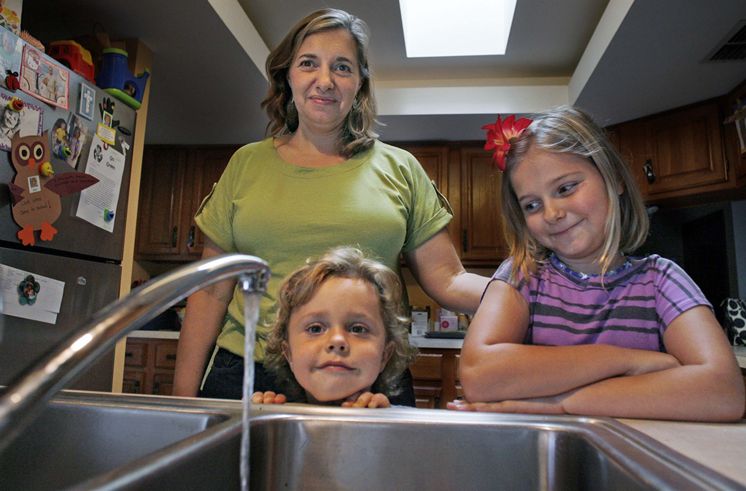
Once fluoride was removed from Pinellas County water, Sue Sasko, a dental hygienist, bought chewable fluoride tablets for her children Lauren, 8, and Alex, 4, at a cost of about $120 a year. (Jim Damaske/Times)
It took nearly 14 months, an election and the clarion voice of Pinellas County voters to persuade county commissioners to correct a serious error in judgment. It will take until March to carry out the commission's order to resume adding fluoride to the drinking water. For 700,000 water customers, the benefits should last a lifetime.
Tuesday's 6-1 vote to add fluoride back into the drinking water caps a long public controversy that reaffirms the centrist judgment of Pinellas voters and their embrace of sound science and sensible government. New commissioners Charlie Justice and Janet Long decided to run for office in part because the commission voted 4-3 to stop adding fluoride in January. The Democrats defeated two Republican incumbents who fell for the scare tactics and the tea party political pressure, and they pledged to reverse the decision upon taking office. Long and Justice were joined by commission chairman John Morroni, who changed his vote, and the three commissioners who have been on the side of public health all along: Republicans Susan Latvala and Karen Seel, and Democrat Ken Welch. Only Republican commissioner Norm Roche still voted against the common good - and he will be on the ballot in 2014.
Tuesday's fluoride decision transcends partisan politics. It means Pinellas water customers will rejoin more than 200 million people nationwide who drink optimally fluoridated water. It means those customers will once again benefit from the most effective, cost-efficient method of reducing tooth decay even with the widespread use of fluoridated toothpaste. And it means less frustration and expense for Pinellas families who have spent this year scrambling to make up for the commission's misinformed decision to stop adding fluoride to the drinking water.
For Sue Sasko, Tuesday's commission vote should save the $120 a year her Palm Harbor family spends on fluoride tablets for their children. For Beth Palubin, it should save her Clearwater family more than $72 a year on fluoridated bottled water for their young son. For Julie Opsahl of Clearwater, who waited hours this summer at the county health clinic for dental care for her two sons, it should mean no longer giving fluoride drops to her youngest child.
There were the predictable hysterical warnings from fluoride opponents about "forced mass medication,'' poisoning the population and government conspiracies. There were the misrepresentations of academic studies of the negative effect of fluoride in countries where the levels far exceed the recommended level in the United States. There were references to God's will, lead pipes in ancient Rome and Hitler's Germany.
Those sorts of scare tactics and political threats worked in 2011, but the voters demonstrated this month that they are more sensible and expect better from their elected officials. The new commission voted to resume adding fluoride into the drinking water at the revised level proposed by the U.S. Department of Health and Human Services. "The majority of this commission believes in the science and in the facts,'' Welch said.
That change in direction is good news for the dental health of hundreds of thousands of Pinellas residents and for the future of the county.
To the judges:
In October 2011, the Pinellas County Commission turned back the clock. The commission, pressured by antifluoride zealots and tea party conservatives, abruptly voted to stop adding fluoride to the drinking water. The commissioners ignored established science and the public health, and in January 2012 the Pinellas water system suddenly became one of the nation’s largest without fluoridated water. More than 700,000 residents no longer benefited from what the Centers for Disease Control and Prevention calls one of the nation’s greatest health care advances.
The Tampa Bay Times editorial board went on mission to correct this travesty. With original reporting and persuasive arguments, Tim Nickens and Dan Ruth educated readers and delivered a clarion call for action on behalf of those who need fluoridated water the most: the poor families and the children of Pinellas County.
Nickens and Ruth interviewed dentists and fluoride experts from the CDC to expose the fiction spread by fluoride opponents. They met with fluoride critics, reviewed their arguments and read thousands of pages of academic studies. When fluoride opponents and elected officials misled the public, they called them on it. Nickens and Ruth visited dental health clinics and interviewed families who were paying for fluoride pills and expensive treatments because of the county’s action. They interviewed county commission candidates and held the incumbents accountable for their positions.
These editorials produced profound results. In a rare occurrence, voters in November ousted two incumbent commissioners who had voted to stop adding fluoride in the water and replaced them with two candidates who pledged to add it back. In their first meetings after the election, the new commissioners fulfilled their pledge. Another incumbent who was not on the ballot also switched his vote and supported fluoride. A County Commission that had voted 4-3 a year ago to stop adding fluoride voted 6-1 to resume adding it to the drinking water in March 2013.
Without the Tampa Bay Times editorial board, hundreds of thousands of Pinellas residents still would be deprived of the most effective method of preventing tooth decay. The best editorials educate, call for action and achieve results. These editorials achieved all of those goals.
I hope you will consider this work worthy of recognition.
Sincerely,
Neil Brown
Editor and Vice President
Biography
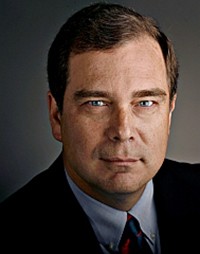
Tim Nickens grew up in Jeffersonville, Ind., and received a bachelor of arts degree from Indiana University. After a year at the Journal-Gazette in Fort Wayne, Ind., he joined the St. Petersburg Times as a reporter in 1983. He worked for the Miami Herald from 1990-1995 before returning to the St. Petersburg Times. He was an editorial writer, political editor and assistant managing editor/metro before rejoining the editorial board in December 2004. He became editor of editorials in September 2008. He and his wife, Bridget, live in St. Petersburg with their two daughters.
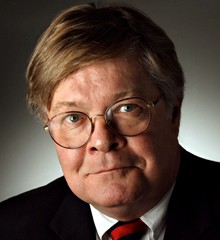
Daniel Ruth, 59, has been scribbling away for 36 years as a reporter, film critic, television critic and columnist for the Tampa Tribune, the Chicago Sun-Times and the St. Petersburg Times. He also has worked as a radio talk show host as well as an adjunct professor for the University of South Florida, the University of Tampa and Columbia College in Chicago. Daniel is a Peter Lisagor Award recipient for his columns in Chicago and has been honored by the Pinellas County Chapter of the American Civil Liberties Union with the Irene Miller Vigilance In Journalism Award.