
As Wildfires Rage in the Western U.S., Look Back on Pulitzer-Winning Coverage To Learn More

Fires blazing across the western U.S. have become some of the largest in history. Revisit past Pulitzer-winning coverage of wildfires to better understand the scope of the current situation.
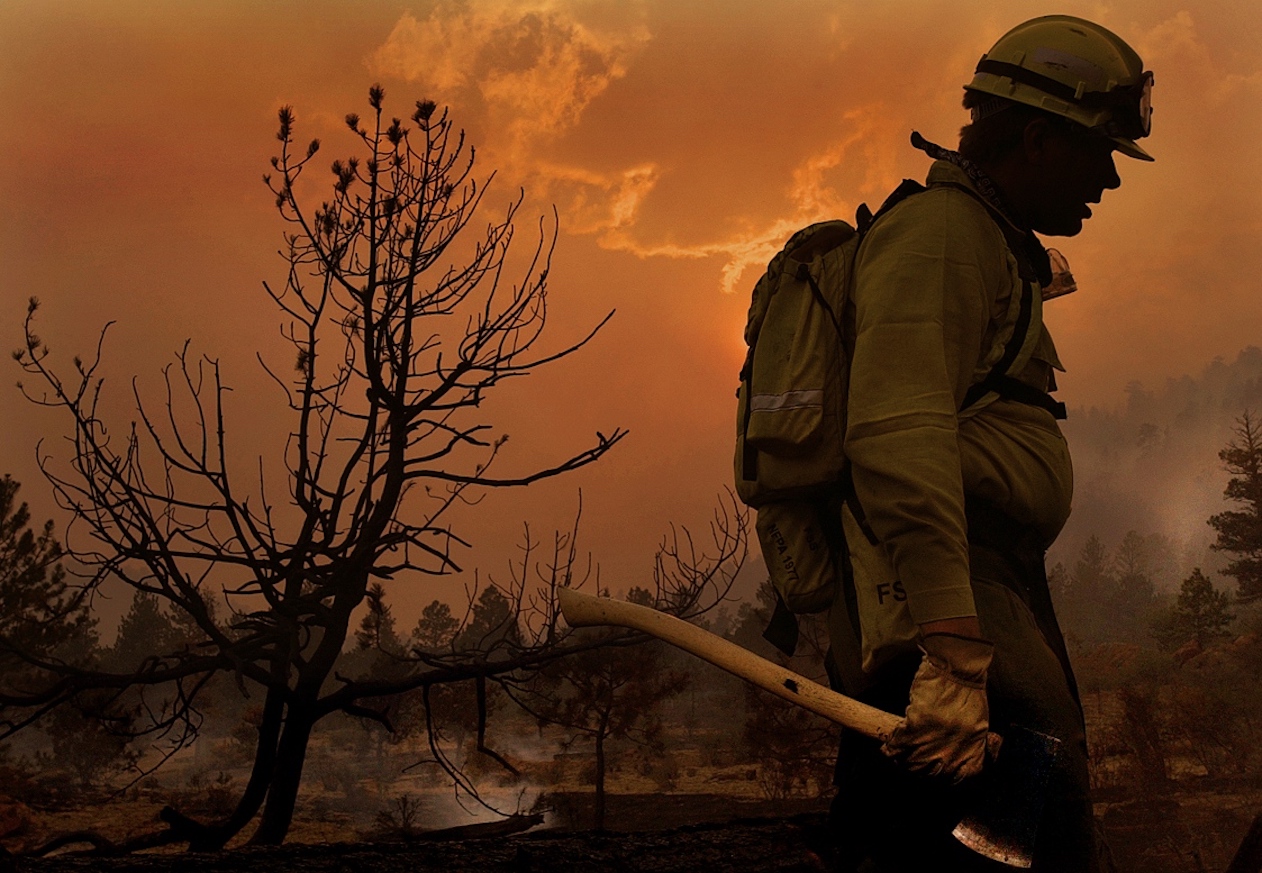
Rocky Mountain News Wildfire Image

Photography staff at Rocky Mountain News captured the devastating 2002 fires, second in size only to a blaze happening this very second.

Wildfires in the western United States long have threatened residents and wildlife, as well as inspired courageous journalism, including the four Pulitzer-winning portfolios featured here.

Since these pieces were awarded their prizes, eight new fires have been added to the list of California’s top 20 largest wildfires, including an entirely new top five (three of which are happening right now). The Cedar Fire covered by the LA.. Times ranks sixth, and the Zaca Fire reported by Bettina Boxall and Julie Cart is tenth. The Tubbs Fire covered by The Press Democrat is not among the top 20. Colorado’s new largest wildfire also is currently burning, moving the state's 2002 blaze to second place.

Each of these fires set records at the time, and the records since have been broken. Read the below reporting and witness the devastation of these infernos to contextualize this season's unprecedented fires.


1.

‘An amorphous, unstoppable force’: 2018 Prize in Breaking News Reporting to The Press Democrat

Fires erupted overnight in Santa Rosa and Sonoma County, Calif. The Press Democrat staff responded with 23 hours of non-stop coverage, including real-time photos, videos and resources for the tens of thousands of people evacuating the area. The Pulitzer Board lauded the paper's “lucid and tenacious” reporting, which brought “clarity to its readers” through its immediate reaction pieces and subsequent in-depth analysis. Ensuing articles highlighted residential destruction, air quality concerns, the problem of firewhirls (small fire tornadoes) and intimate anecdotes of loss and hope.

2.

‘Bigger, fiercer and costlier . . . And there is no end in sight’: 2009 Prize in Explanatory Reporting to Bettina Boxall and Julie Cart of L.A. Times

Lee Bollinger, Julie Cart and Bettina Boxall
A surge in the size and spread of wildfires correlates with a third mounting metric: increasing costs to quell the blazes. Bettina Boxall and Julie Cart explored the “effectiveness of attempts to combat the growing menace” in “fresh and painstaking” reporting for the L.A. Times. Their findings catalogued the “big business” of wildfires and the efficacy of certain techniques, including expensive aerial supports that some experienced firefighters called “political air shows.” The reporters surveyed residential development in fire-prone areas, dangerous fuel buildup, the loss of sagebrush country and Australia’s “stay or go” policy that prepares homeowners to fight their own fires.

3.

‘All I saw was a wall of fire’: 2004 Prize in Breaking News Reporting to L.A. Times
Lee Bollinger, Miriam A. Pawel, Mitchell Landsberg and Sam Enriquez
Between high winds and unpredictable weather patterns, the southern California wildfires of 2003 looked like “Mother Nature [was] playing games.” The L.A. Times documented the physical devastation and emotional toll of these blazes in compelling coverage that the Pulitzer Board recognized for its comprehensiveness and precision. Reporters interviewed individuals directly affected by the fires and provided first-hand accounts of what it felt like to evacuate, to hide and to return to decimated homes. Additionally, the Times explored the logistical challenges of the firefighting response, including a lack of resources in San Diego County.

4.

‘Flames from a new fire loom menacingly’: 2003 Prize in Breaking News Photography to Rocky Mountain News

Lee Bollinger and Barry Gutierrez
Portraits of Coloradans reacting to news or glimpses of destruction; bright swaths of red and orange subsuming a tree line. Rocky Mountain News photography staff’s coverage of Colorado’s raging forest fires were described as “powerful” and “imaginative” by the Pulitzer Board, and the portfolio’s range captures the ecological destruction while emphasizing the human experience in the face of this tragedy. One man jumps from his roof after prepping it for incoming inferno, one gazes through smoke smudges after a long day of fighting fires — and one man golfs, back turned to the smoky blazes.