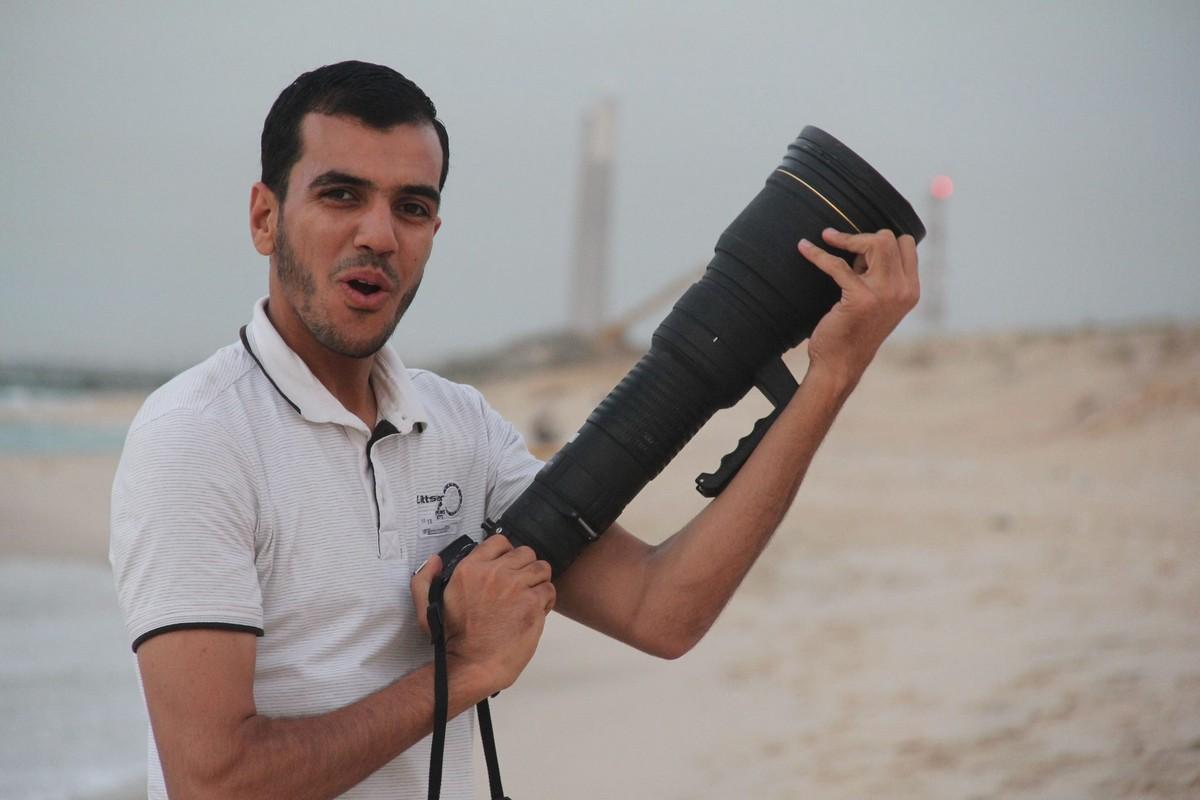
Despite wearing a flak jacket marked "press," Palestinian photojournalist Yaser Murtaja was fatally shot by an Israeli sniper on April 6 during the "Great March of Return" that resulted in the 2018 Gaza border protests. He was 30. (File)
On December 14, Reporters Without Borders (RSF) released its annual round-up of journalists who were killed, detained, held hostage or vanished over the past year. According to the report:
- 80 journalists were killed in connection with their work, an eight percent increase from 2017. Only 55 percent of the slain journalists were employed in combat zones, while 94 percent were employed in their home country.
- 63 were professional journalists, up from 55 in 2017. According to RSF, "Non-professional journalists play a fundamental role in the production of news and information in countries with oppressive regimes and countries at war, where it is hard for professional journalists to operate."
- 15 journalists were killed in Afghanistan, with most of the fatalities stemming from a targeted Islamic State bombing in Kabul on April 30.
- 6 journalists were killed in the United States, including four of the five employees targeted in the Capital Gazette massacre of June 28. Two WYFF staffers died in a freak accident while covering Subtropical Storm Alberto in North Carolina in May.
- More than 50 percent of the world's imprisoned journalists are being detained in five countries: China (60), Egypt (38), Turkey (33), Iran (28) and Saudi Arabia (28). Although Egypt, Turkey and Saudi Arabia often target professional journalists, most of the detainees in China and Iran are non-professionals fighting the supression of independently reported news.
- 60 journalists are currently held hostage, an 11 percent increase from last year. All but one are detained in three Middle Eastern countries: Syria (31), Yemen (17) and Iraq (11). While Al Qaeda and Tahrir al-Sham have continued to take hostages, most of the abductees are being held by the Islamic State (24) and the Houthi movement (16). Ninety percent of the hostages were captured in their home countries.
"Violence against journalists has reached unprecedented levels this year, and the situation is now critical," RSF Secretary-General Christophe Deloire said. "The hatred of journalists that is voiced, and sometimes very openly proclaimed, by unscrupulous politicians, religious leaders and businessmen has tragic consequences on the ground, and has been reflected in this disturbing increase in violations against journalists.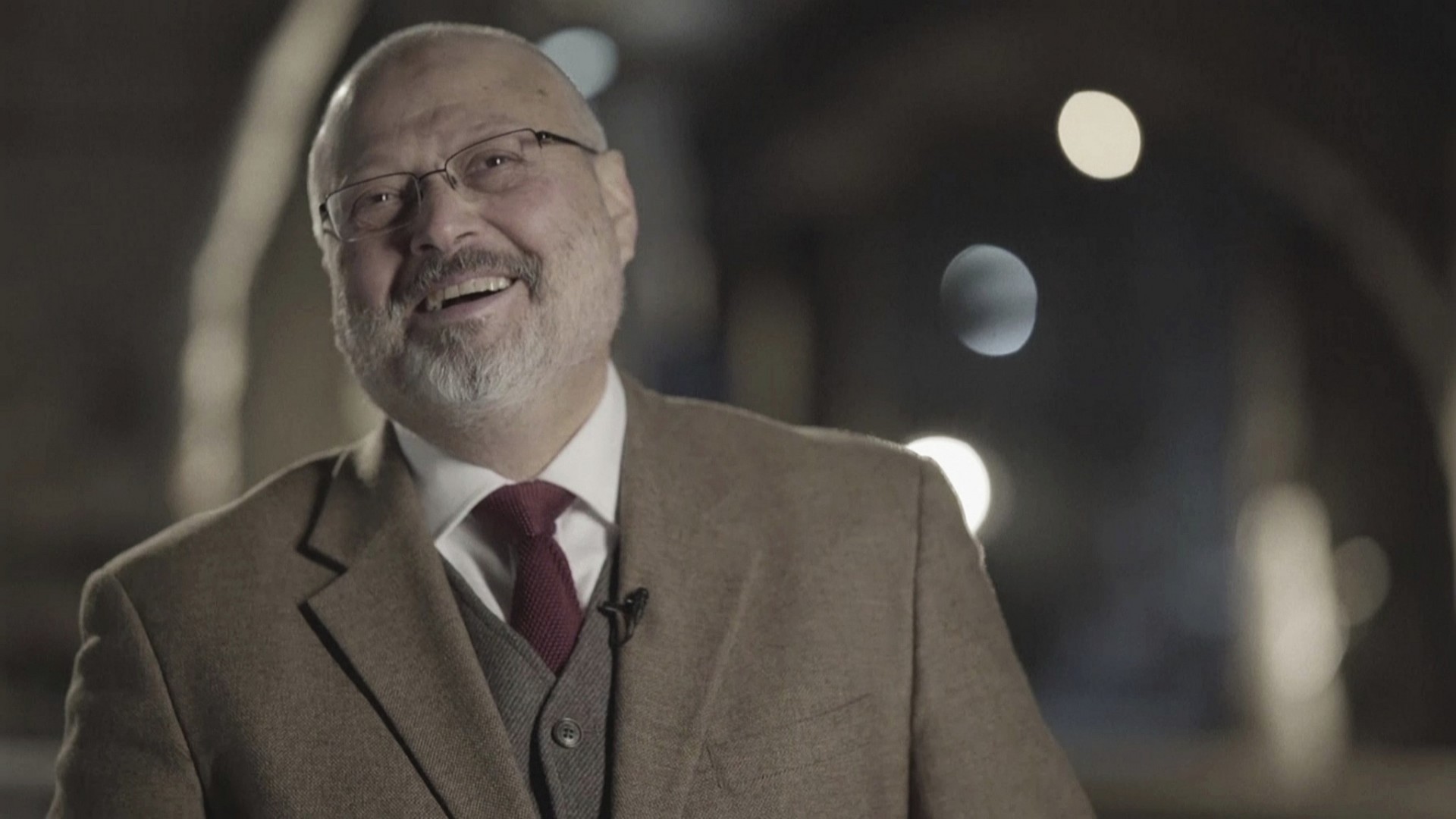
Washington Post columnist and U.S. resident Jamal Khashoggi was assassinated by agents of the Saudi Arabian government at the country's Istanbul consulate on October 2. A nephew of the late power broker Adnan Khashoggi, the journalist went into self-imposed exile from Saudi Arabia in October 2017, emerging as a dissident critic of Crown Prince Mohammad bin Salman and the Saudi-led intervention in Yemen. (File)
"Amplified by social networks, which bear heavy responsibility in this regard, these expressions of hatred legitimize violence, thereby undermining journalism, and democracy itself, a bit more every day."
Read the full report here.