For the Record


Senator’s ‘Send In the Troops’ Op-Ed in The Times Draws Online Ire
Cotton Op-Ed Condemned by Hannah-Jones, Times Sources:


According to Marc Tracy of The New York Times, a Wednesdaty op-ed in the publication from Arkansas Senator Tom Cotton that argued for the invocation of the Insurrection Act in the George Floyd protests has elicited criticism from several individuals and organizations, including 2020 Commentary winner Nikole Hannah-Jones and the NewsGuild of New York. Tracy added: "Three Times journalists, who declined to be identified by name, said they had informed their editors that sources told them they would no longer provide them with information because of the op-ed." In a Twitter thread, Editorial Page Editor James Bennet defended its publication: "Times Opinion owes it to our readers to show them counter-arguments, particularly those made by people in a position to set policy. We understand that many readers find Senator Cotton’s argument painful, even dangerous. We believe that is one reason it requires public scrutiny and debate."
Peru: at least 20 journalists died from Covid-19 as they covered pandemic

COVID-19's Toll on Peruvian Journalism:


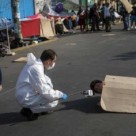
At least 20 journalists "have died from COVID-19 in Peru as reporters, photographers and camera operators raced to cover the pandemic’s spread through the country, often without protective equipment," according to Dan Collyns of The Guardian. The country is Latin America’s second worst-hit "with more than 164,000 coronavirus cases and 4,500 deaths." Zuliana Lainez, secretary general of Peru’s National Journalists Association, said that the pandemic "has stripped bare the labor conditions for journalists in Peru [...] media companies have the legal and moral obligation to provide personal protective equipment [PPE] for their personnel, especially those who do reporting."

Wallace Stegner and the Conflicted Soul of the West

Scott on Stegner:


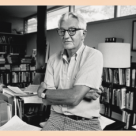
In the inaugural installment of a new series on American writers, New York Times Critic at Large A. O. Scott reviewed the rich career of 1972 Fiction winner Wallace Stegner, whose oeuvre is "hardly a fixture on college syllabuses or in the pages of scholarly journals" despite the enduring prominence of his students, including two-time Fiction finalist Robert Stone and bête noire Ken Kesey. "Stegner was critical of the individualistic ethos of the West in all its manifestations: romantic, entrepreneurial and countercultural," Scott said. "Sometimes that makes him sound like a left-wing critic of capitalism, sometimes like the deepest kind of conservative. His commitments to ecology, family and community against the forces of modern economic development leave him jarringly and thrillingly resistant to the ideological pigeonholing that has become our dominant form of cultural analysis."

Reporters Committee letter to Minnesota officials demands end to police attacks against journalists

Media Organizations Sign Reporters Committee Letter:


More than 100 news and press freedom organizations (ranging from Fox News to Mother Jones) co-signed a Reporters Committee for Freedom of the Press letter Tuesday demanding that Minnesota law enforcement officers "immediately stop attacks against credentialed, clearly identifiable journalists" covering the George Floyd protests, according to Gabe Rottman and Chris Young of the advocacy group. "The right of the press to document police activity is foundational to our democracy and has long been recognized and protected by the courts," the letter said. The group has identified at least 10 cases where journalists covering the state's protests were either arrested or attacked with non-lethal weapons.

The bad news quietly buried during the pandemic

Neglected and Quietly Buried:


According to Zoë Beery of the Columbia Journalism Review, many important stories have been "slipping farther and farther down the proverbial front page" during the COVID-19 pandemic, including the rollback of Obama-era EPA fuel efficiency standards, a marked increase in "the number of military bases with high levels of certain cancer-linked chemicals" and an addition to the PATRIOT Act that "empowers the attorney general to surveil Americans’ web browsing and search history without a warrant." Beery added: "Whether by design or coincidence, politicians and others are taking cover under coronavirus news to move forward on their plans — and with so much to say about the pandemic, journalists have been letting slide what might otherwise land above the fold."

New York Times Hounded for Credulous Headline on Trump Crackdown Threats, Teargassing Peaceful Protestors: ‘Just Pathetic’

Times Headline Changed Amid Social Media Outcry:


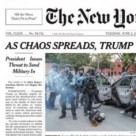
The New York Times changed its original Tuesday A1 headline ("As Chaos Spreads, Trump Vows to 'End It Now'") to "Trump Threatens to Send Troops Into States" in subsequent editions following widespread criticism on social media from various figures, including former Deputy National Security Advisor Ben Rhodes, Crooked Media Editor-in-Chief Brian Beutler and 2014 General Nonfiction winner Dan Fagin, who said that "the NYT headline-writers are giving Trump exactly what he wants tonight." The president conducted a photo op at Washington's historic St. John's Church Monday after the area was cleared with tear gas and concussion grenades by the United States Park Police.

Riot or resistance? The way the media frames the unrest in Minneapolis will shape the public’s view of protest

IU/UH Professors: Protests Receive Least Legitimizing Coverage:


According to recent research conducted by Indiana University journalism professor Danielle Kilgo and University of Houston communications scholar Summer Harlow, journalism about the Women’s March and anti-Trump protests "gave voice to protesters and significantly explored their grievances," while "protests about anti-black racism and indigenous people’s rights received the least legitimizing coverage." In a piece for NiemanLab on the George Floyd protests, Kilgo added: "Protests identify legitimate grievances in society and often tackle issues that affect people who lack the power to address them through other means. That’s why it is imperative that journalists do not resort to shallow framing narratives that deny significant and consistent space to air the afflicted's concerns while also comforting the very comfortable status quo."

Disturbing footage shows multiple occasions of police firing at reporters

Journalists Become Targets in Floyd Protests:


The use of nonlethal weapons on members of the media (including tear gas on MSNBC's Ali Velshi) and the ongoing arrests of journalists covering the George Floyd protests "have deeply troubled press advocacy groups," according to Charlotte Klein of Vanity Fair. "Journalists have a clear First Amendment right to cover public events. While the police eventually released [CNN correspondent Omar Jimenez and his camera crew] without charges, others have been subjected to tear gas and injured by rubber bullets,” Freedom of the Press Foundation director Parker Higgins said Friday.

CNN reporter, crew arrested on Live TV

CNN Reporter, Crew Arrested on Live Television:


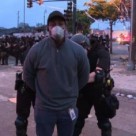
Minnesota State Police arrested CNN reporter Omar Jimenez and his camera crew Friday morning during a live report on the protests following the death of George Floyd on the network's morning program "New Day," according to Joe Concha of The Hill. "You're arresting him live on CNN. We told you before we're with CNN," a member of the CNN crew said off-camera. "That is an American television reporter Omar Jimenez being led away by police officers. He clearly identified himself as a reporter,” said "New Day" anchor John Berman while showing video of the arrest. Berman "later reported after the arrest that Gov. Tim Walz (D-Minn.) apologized to CNN president Jeff Zucker while promising to release Jimenez and his crew."

Trump signs executive order targeting social media companies

Trump Signs Social Media Executive Order:


President Trump signed an executive order Thursday "seeking to limit the broad legal protection that federal law currently provides to social media and other online platforms, a move that is expected to draw immediate court challenges," according to John D. McKinnon and Rebecca Ballhaus of The Wall Street Journal. The order "seeks to make it easier for federal regulators to hold companies such as Twitter and Facebook liable if they are deemed to be unfairly curbing users’ speech by, for example, suspending their accounts or deleting their posts." Twitter added a notice specifying that a Friday tweet about the demonstrations in Minneapolis following the death of George Floyd "violated the Twitter Rules about glorifying violence."